Chinook News
At Home

Colorado National Guard Assists in Crash Recovery

Colorado Army Aviation assists Alaska Guard after Black Hawk crash

By Army Staff Sgt. Scott Griffin

Black Hawk Down - Flight crew members work around the difficulties of weather, terrain and a tree trunk through the hull to remove the downed helicopter

 Army National Guard photo

Black Hawk Down - Flight crew members work around the difficulties of weather, terrain and a tree trunk through the hull to remove the downed helicopter.

the site of an Alaska Army National UH-60 Black Hawk helicopter crash site

 Army National Guard photo

A 150-foot hook is lowered to remove debris from the site of an Alaska Army National UH-60 Black Hawk helicopter crash site near Monarch Pass, Colo.

MONARCH PASS, Colo. – Members of the Colorado National Guard’s Army Aviation Support Facility assisted with the recovery of a crashed UH-60 Black Hawk April 2.

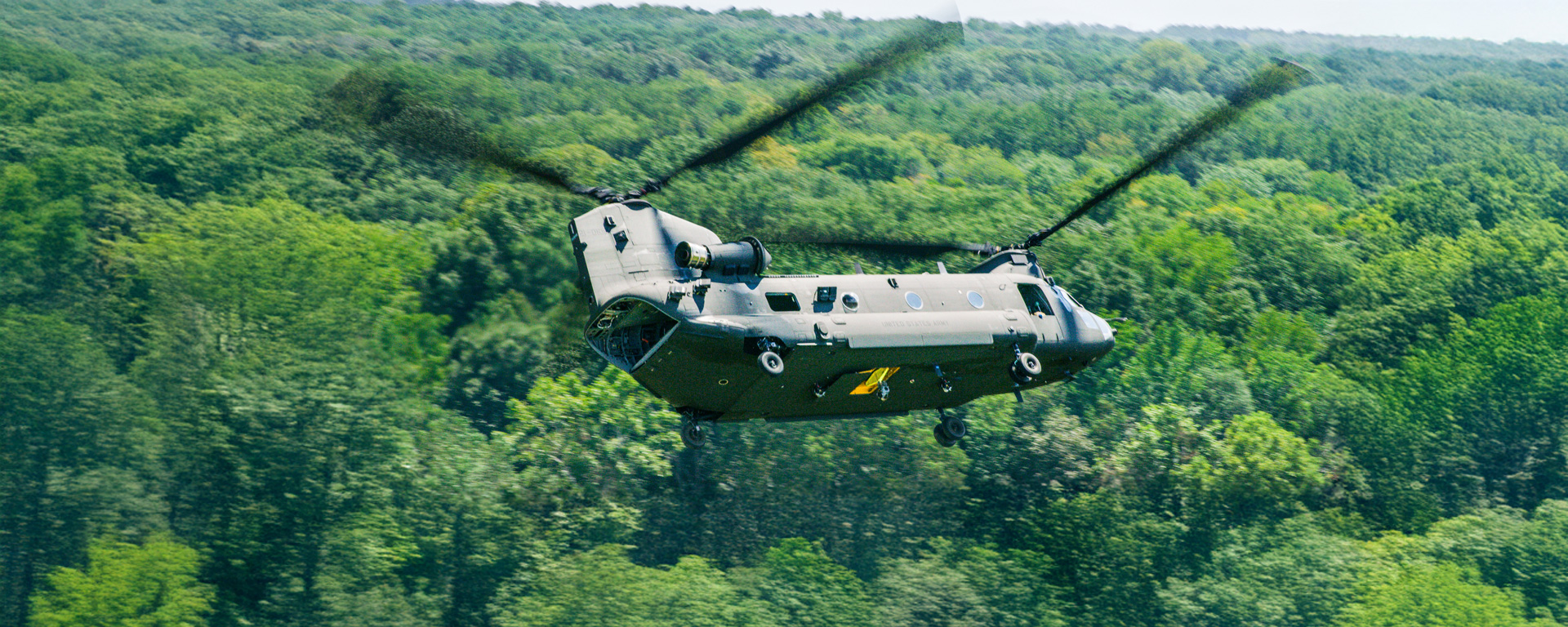
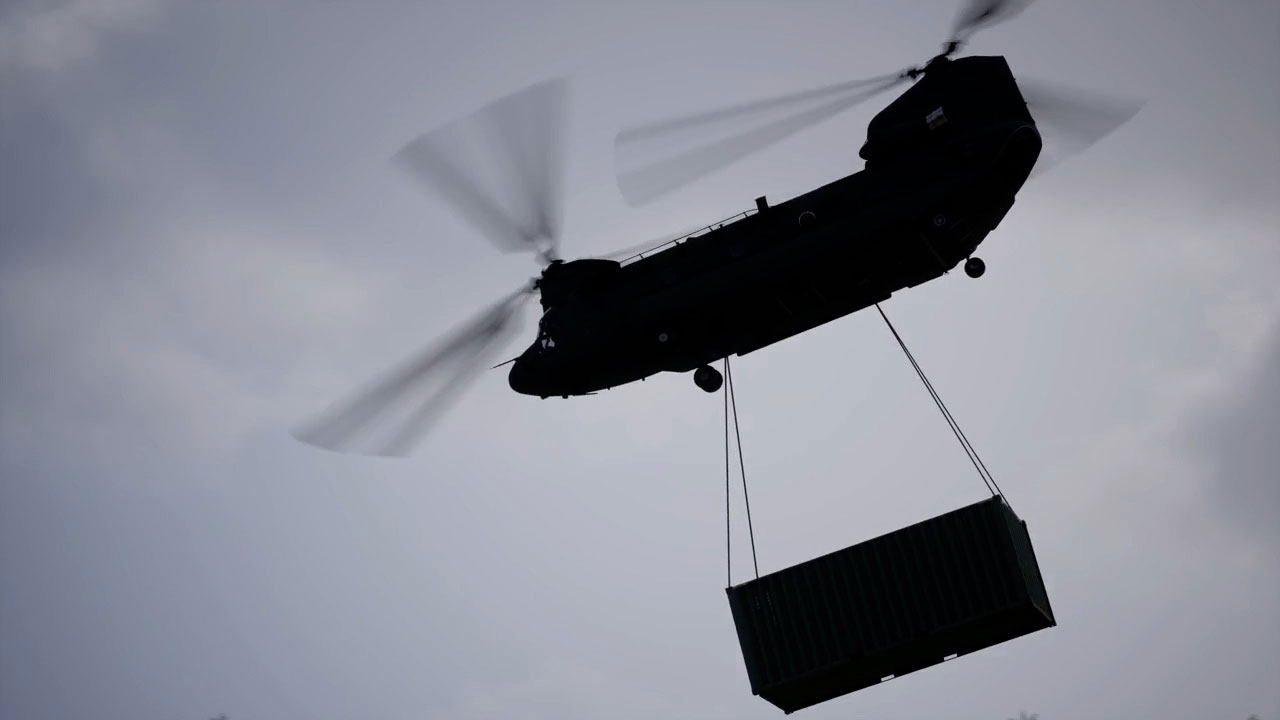
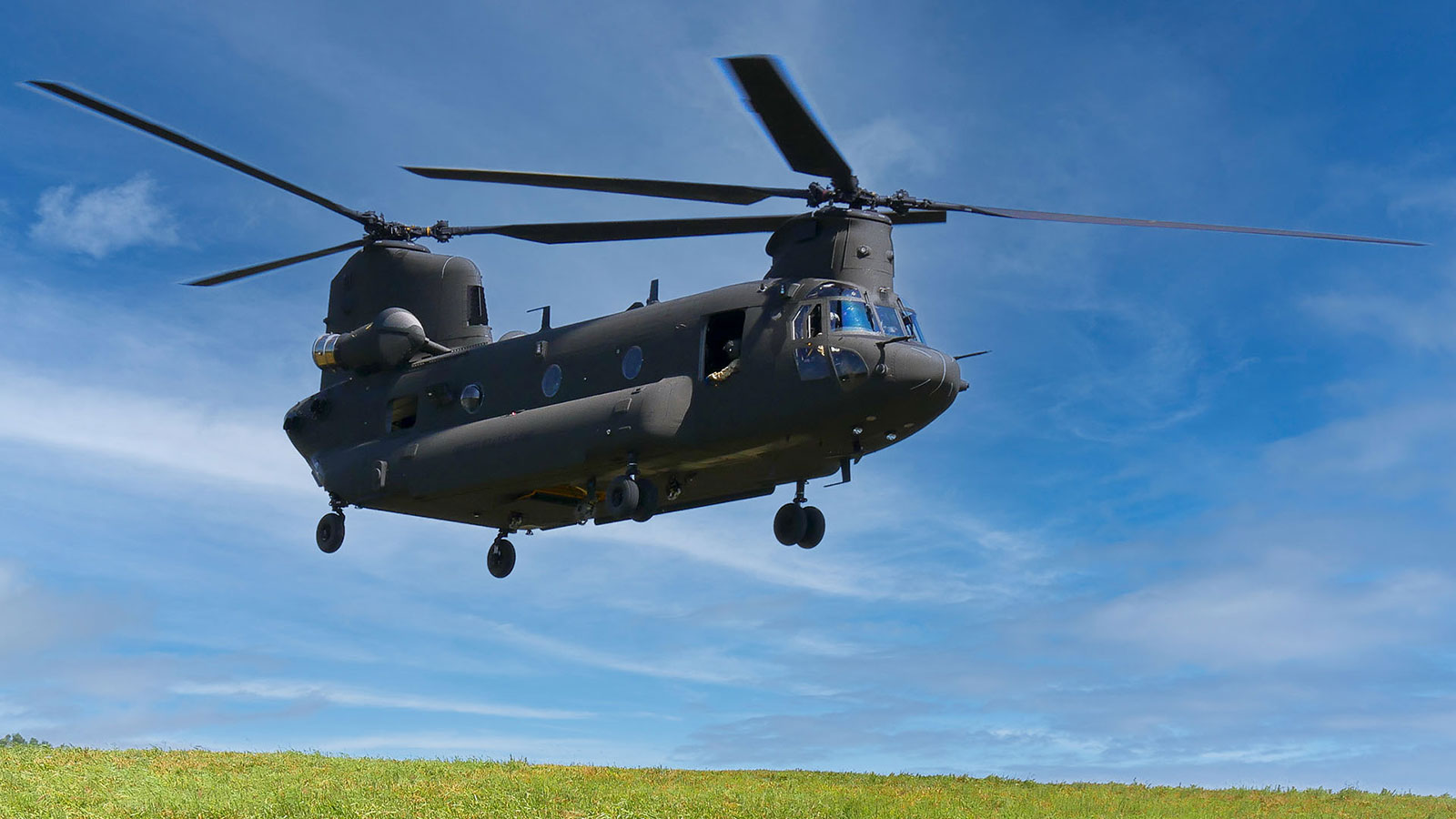
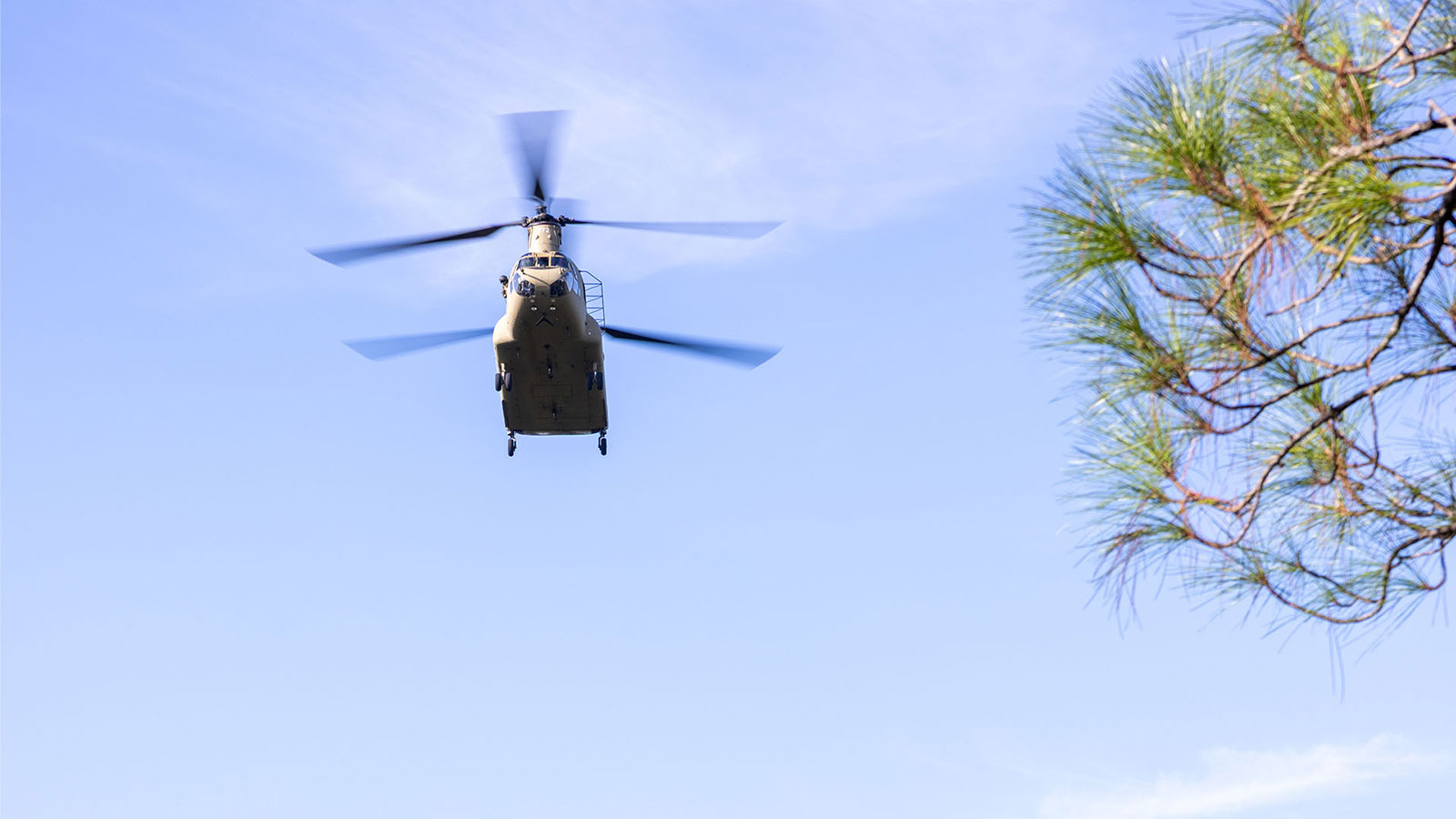
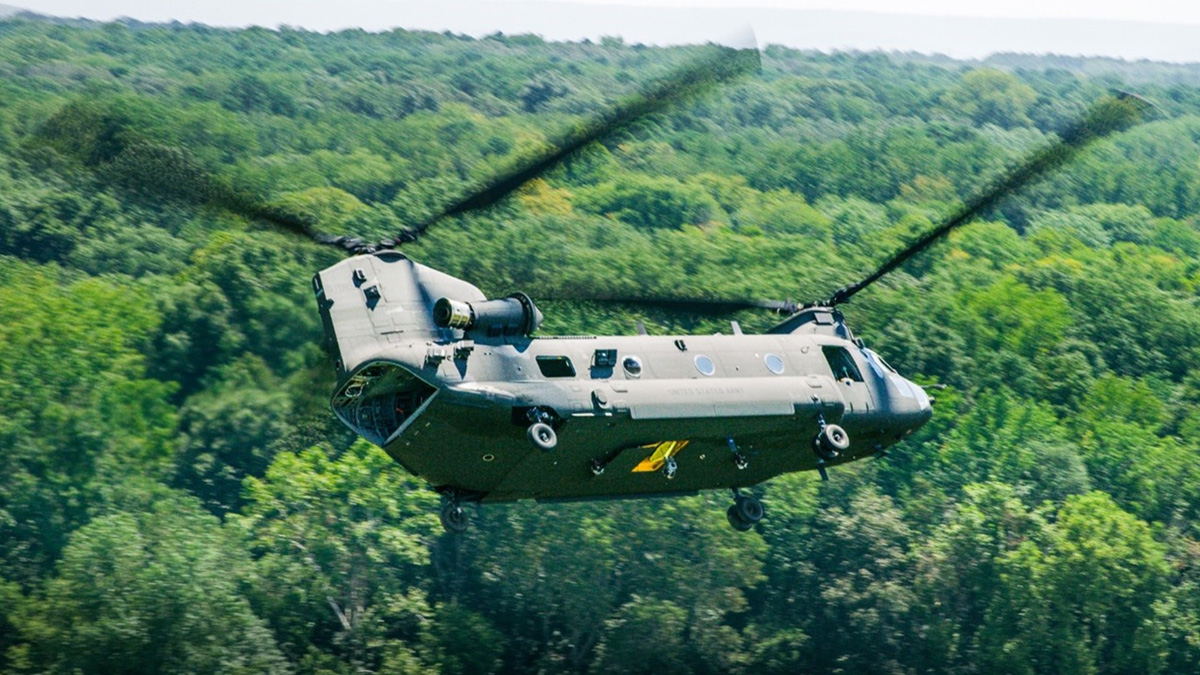
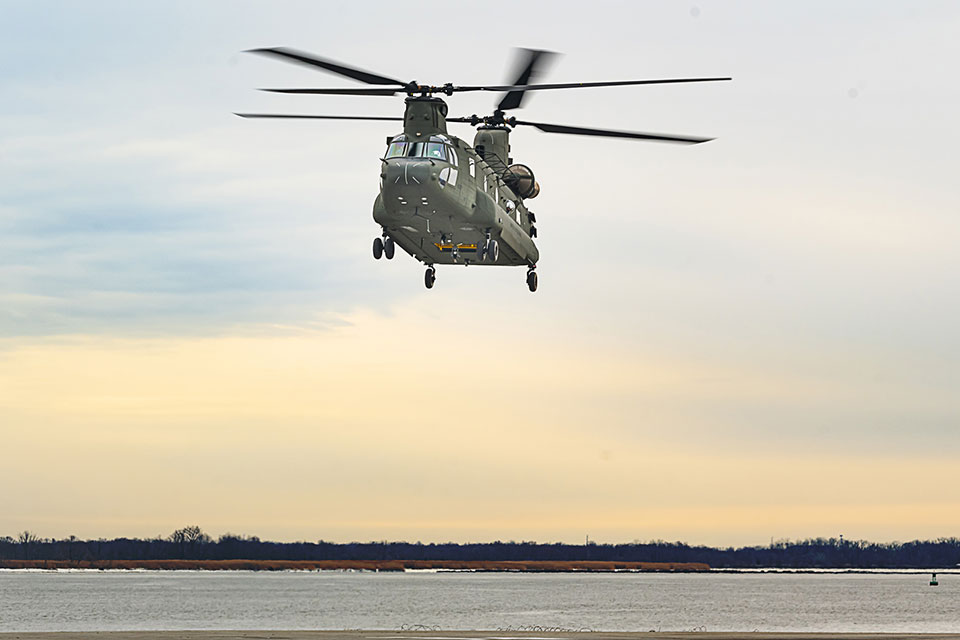
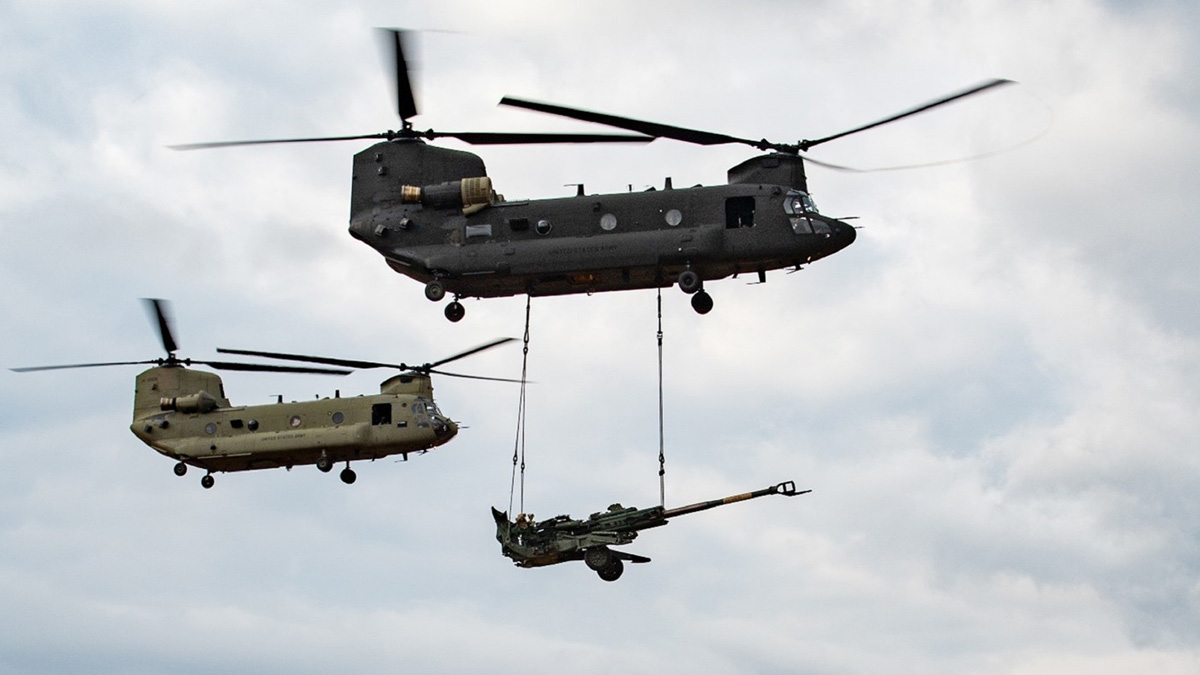
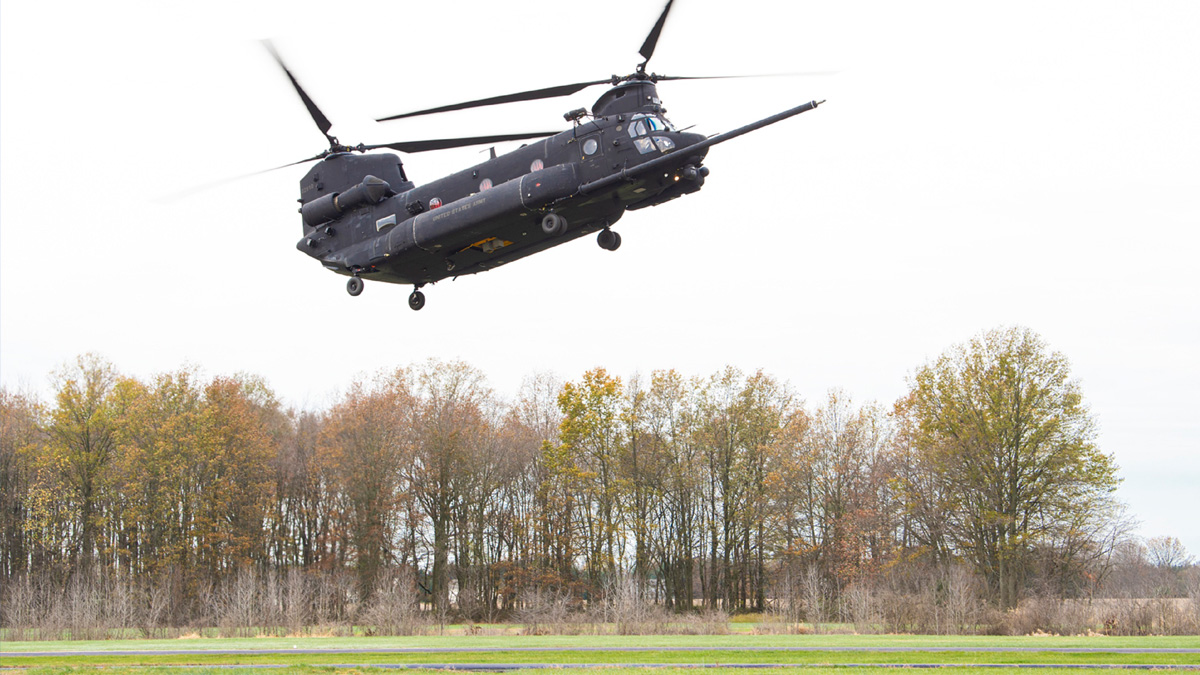
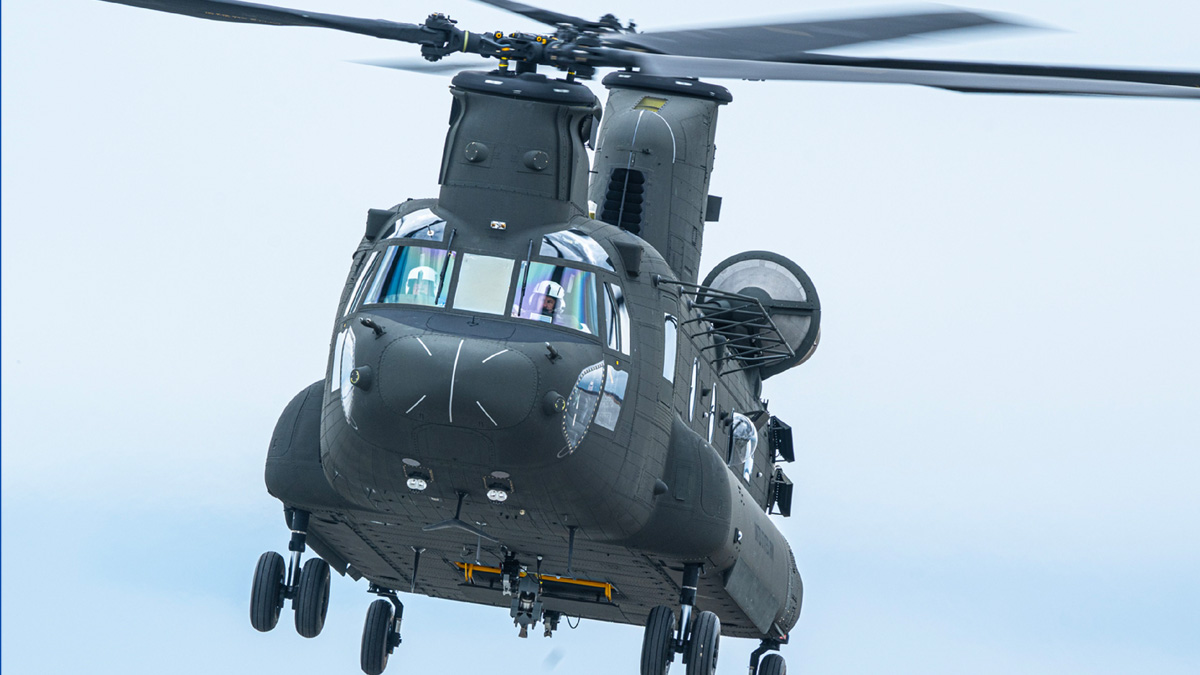
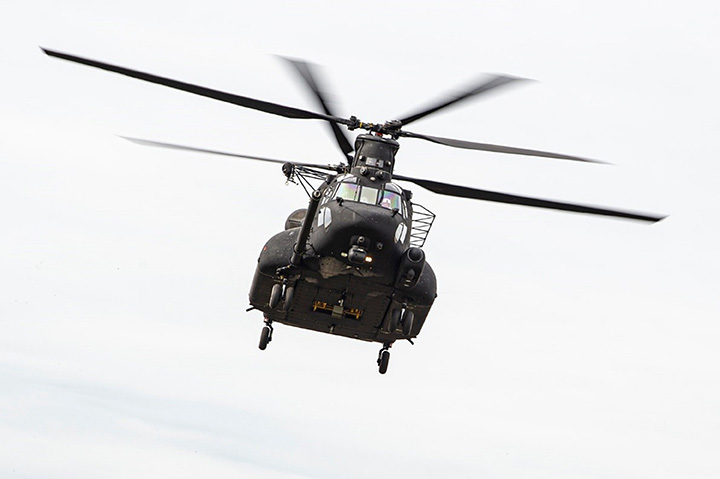
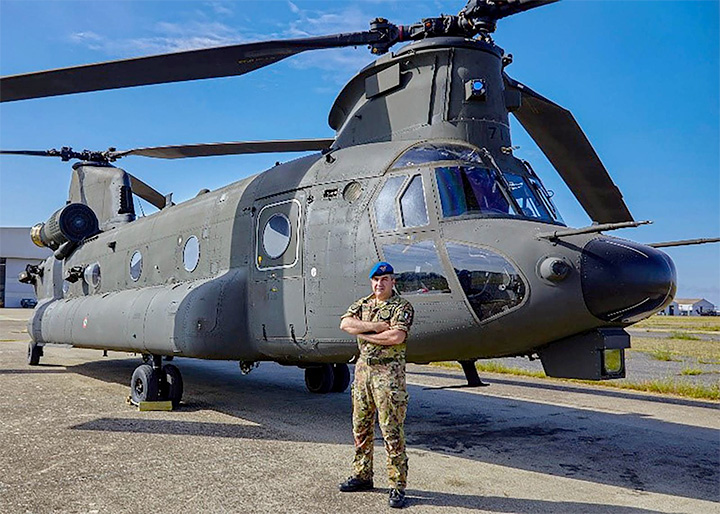
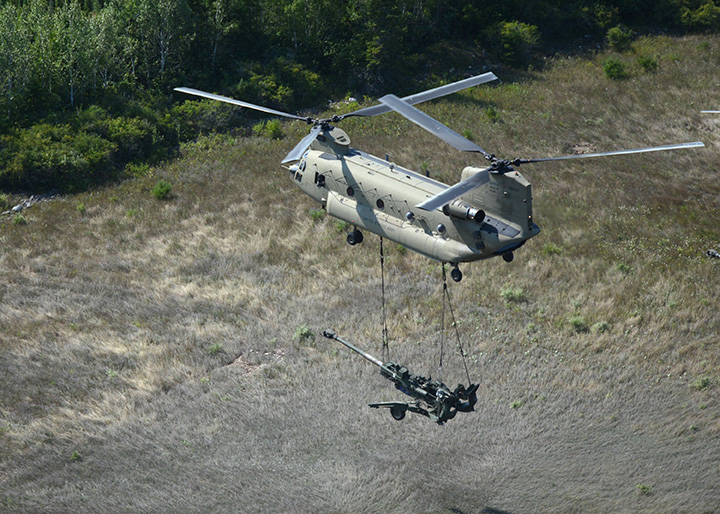
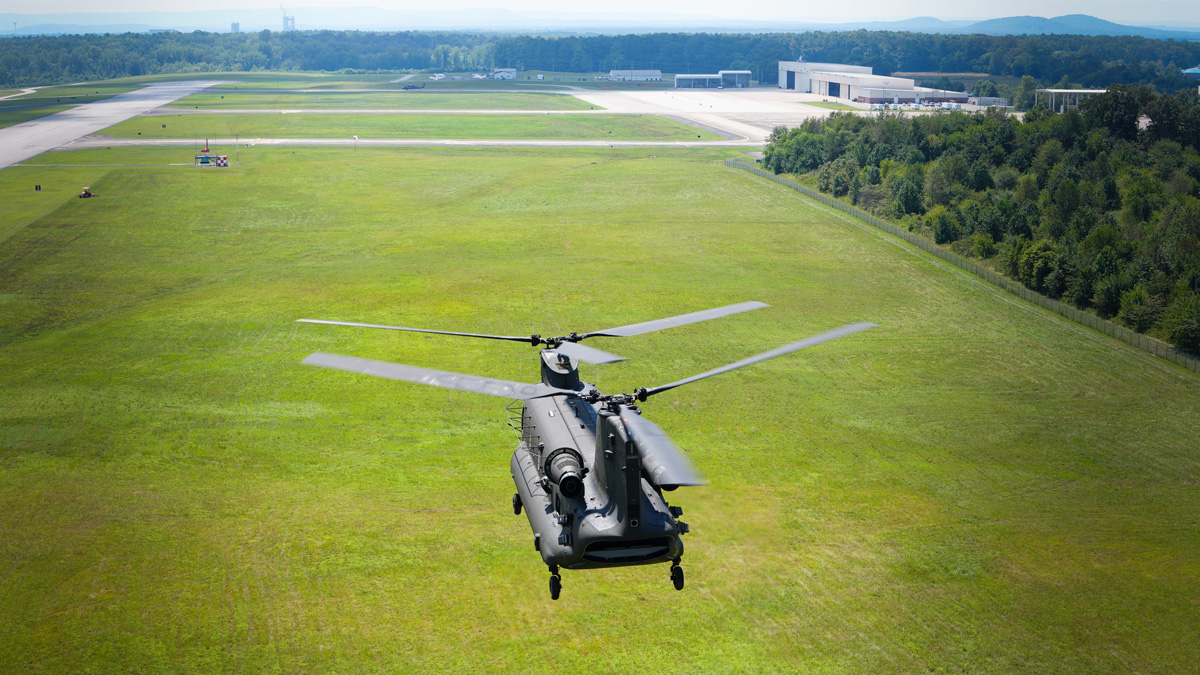
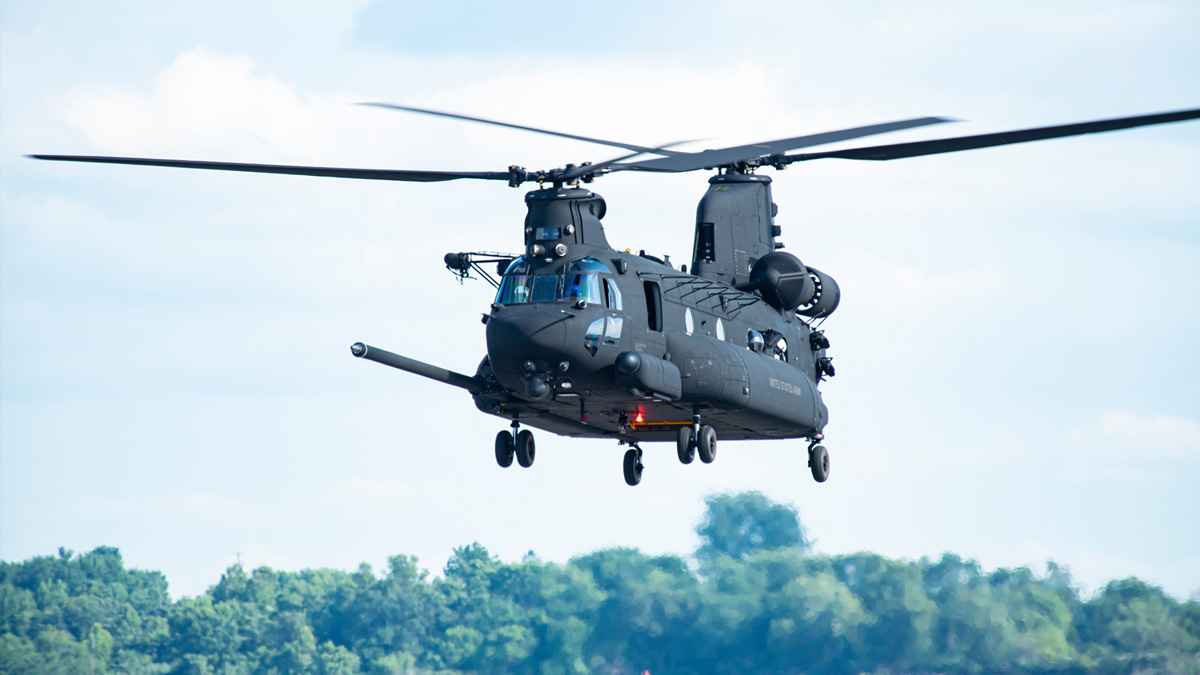
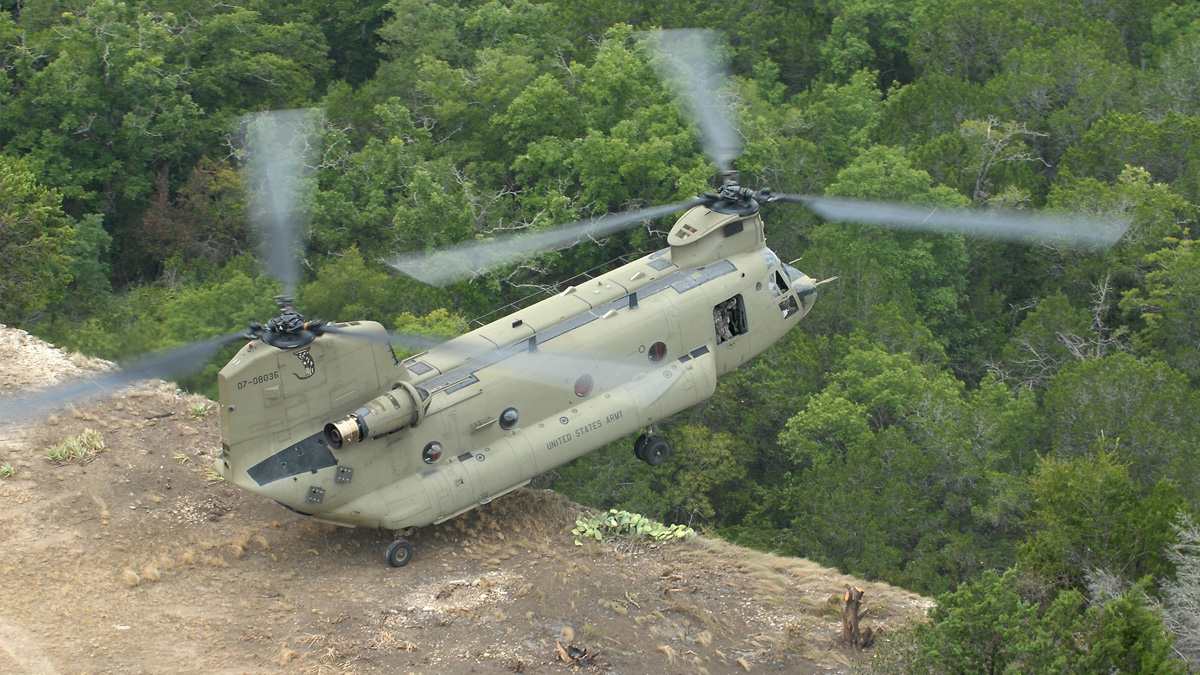
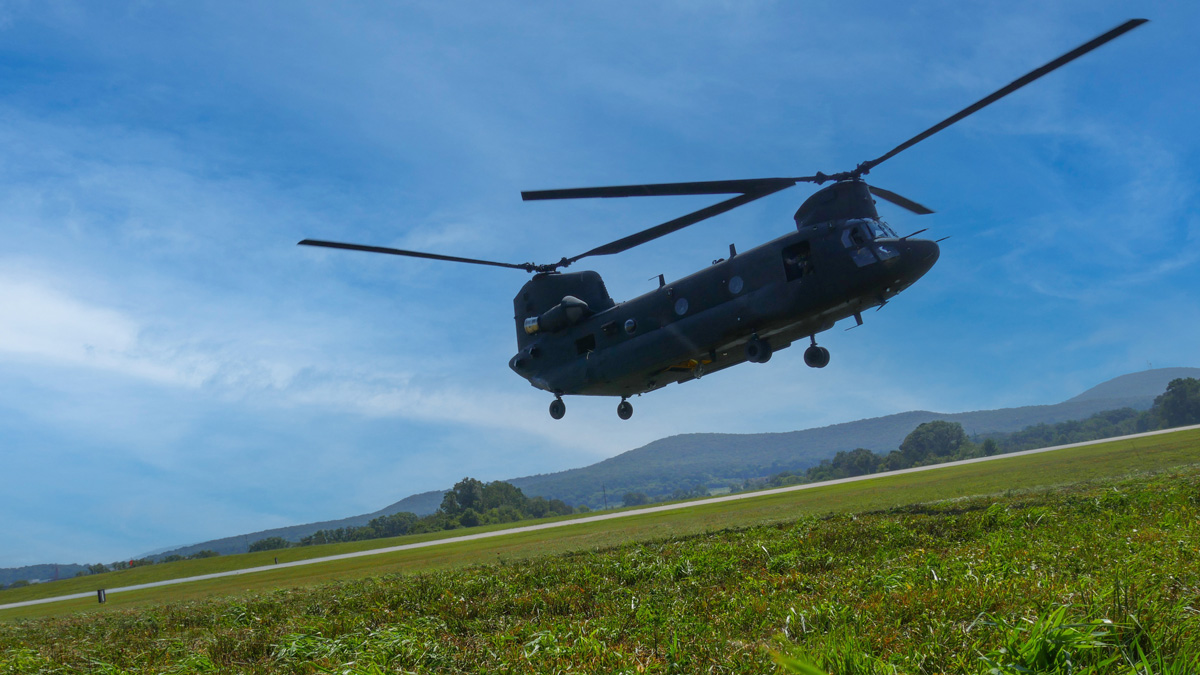
The Alaska Army National Guard helicopter crashed March 26 when the air crew was ferrying it back to their home state after undergoing repairs at Fort Carson. The cause of the crash is still under investigation. No one was seriously harmed in the incident. According to Staff Sgt. Willy Stenger, a flight engineer at AASF who was on the CH-47 Chinook helicopter that lifted the Black Hawk and debris out of the crash site, the Black Hawk lost power while flying in the vicinity of Monarch Pass. The Black Hawk then crashed into a large pine tree -- which pierced the bottom of the cargo area -- then slid down the length of the tree until it struck the ground and came to rest. A team from 2-135th General Support Aviation Battalion’s Consequence Management Response Force was quickly brought in to provide security at the site, which was near popular ski routes and visible from U.S. Highway 50. The recovery team flew in April 2 to lift the downed helicopter out after the crash investigation team from Fort Rucker, Ala., released the aircraft. “We headed out Thursday morning with two Chinooks and a Black Hawk,” Stenger said. The aircraft were used to bring personnel to the site and lower equipment necessary for the recovery of the aircraft. One team began the ground work for removal, to include gathering debris and clearing space for the hoist to be safely lowered. Colorado’s aviators used a 150-foot remote hook to remove the aircraft, as the area was surrounded by several large pine trees and the Chinook couldn’t land.“We took all the stuff from down below and long-lined everything into them on the ground -- tools, nets, things like that -- to package everything up and sling-load out later,” Stenger said. “They got everything cleared on the ground -- debris and snow -- and cut trees down for space.”

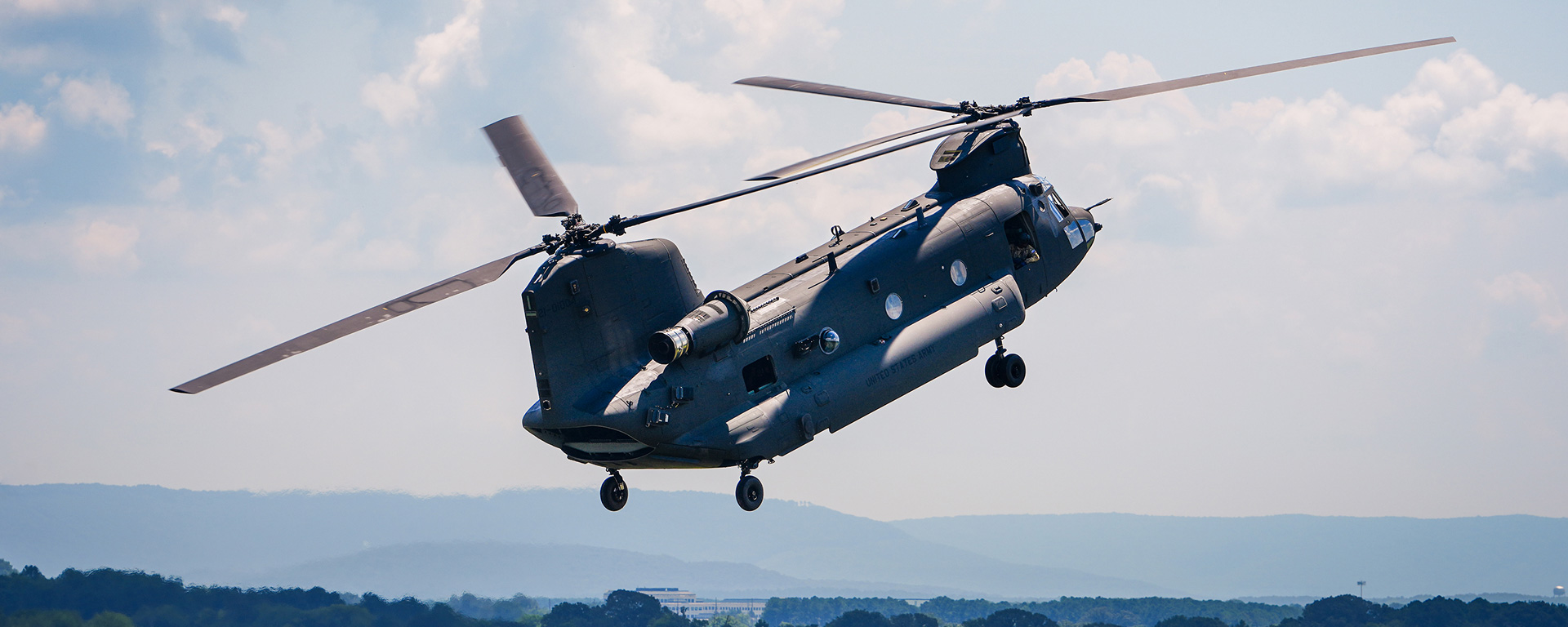
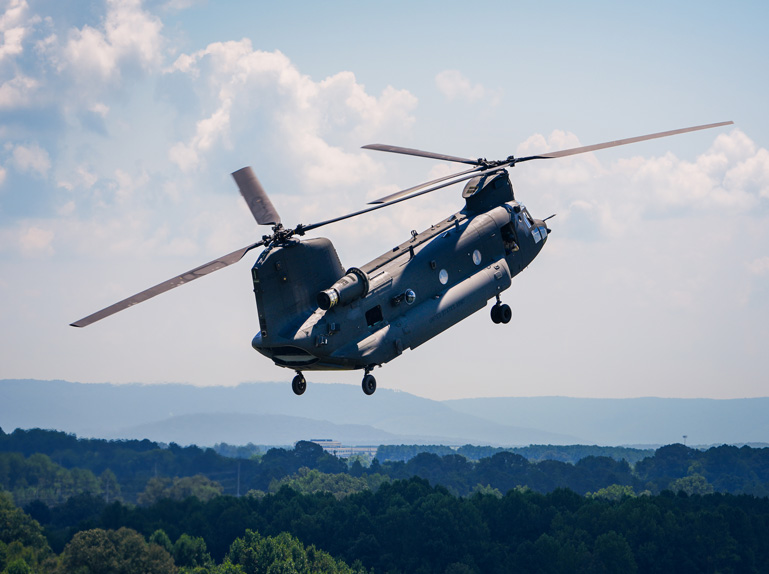
Chinook

 Army National Guard photo

Drop Off - A CH-47 Chinook helicopter flies the main body of a crashed UH-60 Black Hawk to a drop-off point at Salida Airport in southwest Colorado.

“Everything was buried in snow, so we had to dig it out,” said Crew Chief Sgt. Nicholas Parrott, who added that anything that broke off the aircraft was gathered in cargo nets and lifted out by the Chinooks. Altitude is a major factor in power management for helicopters. Operating at 11,000 feet above sea level meant that the Chinook couldn’t lift as much weight and needed to make multiple lifts to remove everything. “We were maxed out, trying to get that load out of there,” Parrott said.

The Chinook flew the helicopter and recovered debris to the Salida airport. The Alaska Black Hawk was then placed on a flatbed trailer for transport back to Fort Carson. “It all went smooth, really,” said Crew Chief Sgt. Greg White. “A lot of the Alaska guys were pretty impressed with how well we worked together. They were expecting a longer, drawn-out deal.” “They managed to do the whole operation -- clearing all of that debris and prepping the aircraft for transportation and everything else -- in one day,” said AASF Instructor Pilot Supervisor Capt. Troy Brown. “These flight crews are truly amazing.”