Commercial Aircraft Finance Market Outlook 2026 H1 Update

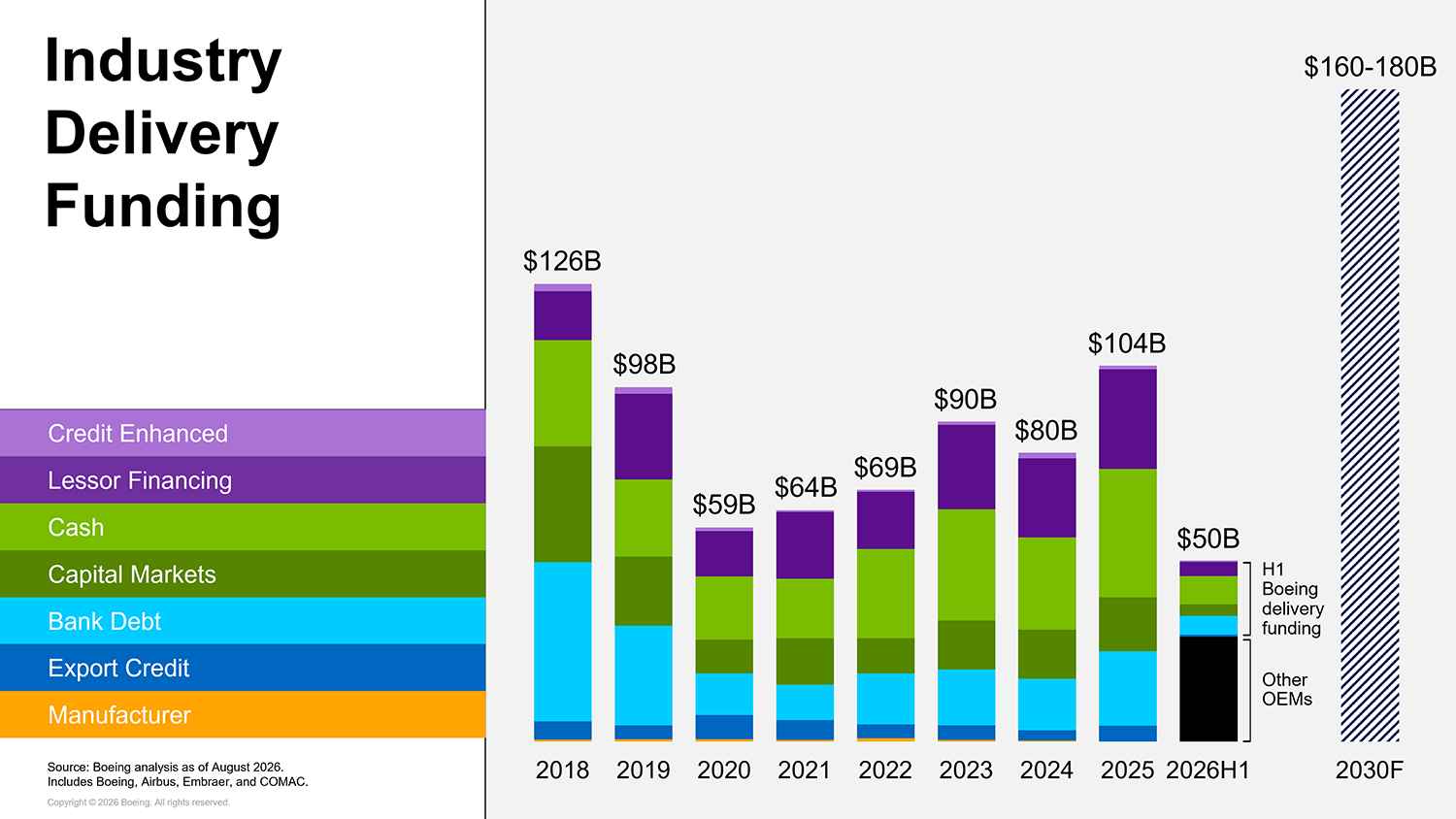
Industry Delivery Funding

Welcome to the mid-year CAFMO, reviewing new aircraft delivery financing in H1 2026. This abridged document focuses on Boeing deliveries, with market insights & trends provided by our regional teams. We have also updated our previous deck with data from the latest version of the industry-leading Boeing CMO, which forecasts aircraft deliveries over the next 20 years.

Alongside a healthy delivery schedule across the industry in H1 2026,  there is steady progress towards reaching the previous record full-year $ delivery volume, last seen in 2018. Looking through the most recent data, we have seen customer funding strategies having to adapt to increasing geopolitical tensions and associated impacts from these events. We observed more regional variances in respect of financial product selection and a growing local and regional bank penetration across many of our markets. Underscoring all the preceding comments, is a pleasing level of competition for new aircraft delivery financing on a global basis. Pricing has remained tight from 2025 into 2026, particularly for strong credits.

Each of our regional teams has assessed trends in customer delivery finance product selection, with consideration to customer mix, aircraft type and jurisdiction. We have, for example, seen bank financing being notably successful in global widebody deliveries in H1 2026, often underpinned by long established relationships built with local/regional institutions. The leasing channel continues to be a force in single aisle aircraft deliveries with strength and depth in emerging and developed markets alike, bringing creative solutions both for pre-delivery and delivery financing requirements. Both of these financing channels actively trade/syndicate their loans and leases to a healthy secondary market that recognizes the inherent value in aircraft as an asset class.

With record order books across the industry, we acknowledge the importance to our customers of a robust financing ecosystem, offering broad and comprehensive transaction solutions. The new delivery aircraft financing market is set to grow by more than 50% by the end of this decade, and this step-up in scale will demand new market entrants, product innovations and level playing fields across jurisdictions. Our team at Boeing Customer Finance is already working with you to deliver those solutions that will support our customers' deliveries, and we appreciate the energy and passion that you bring to each and every transaction.
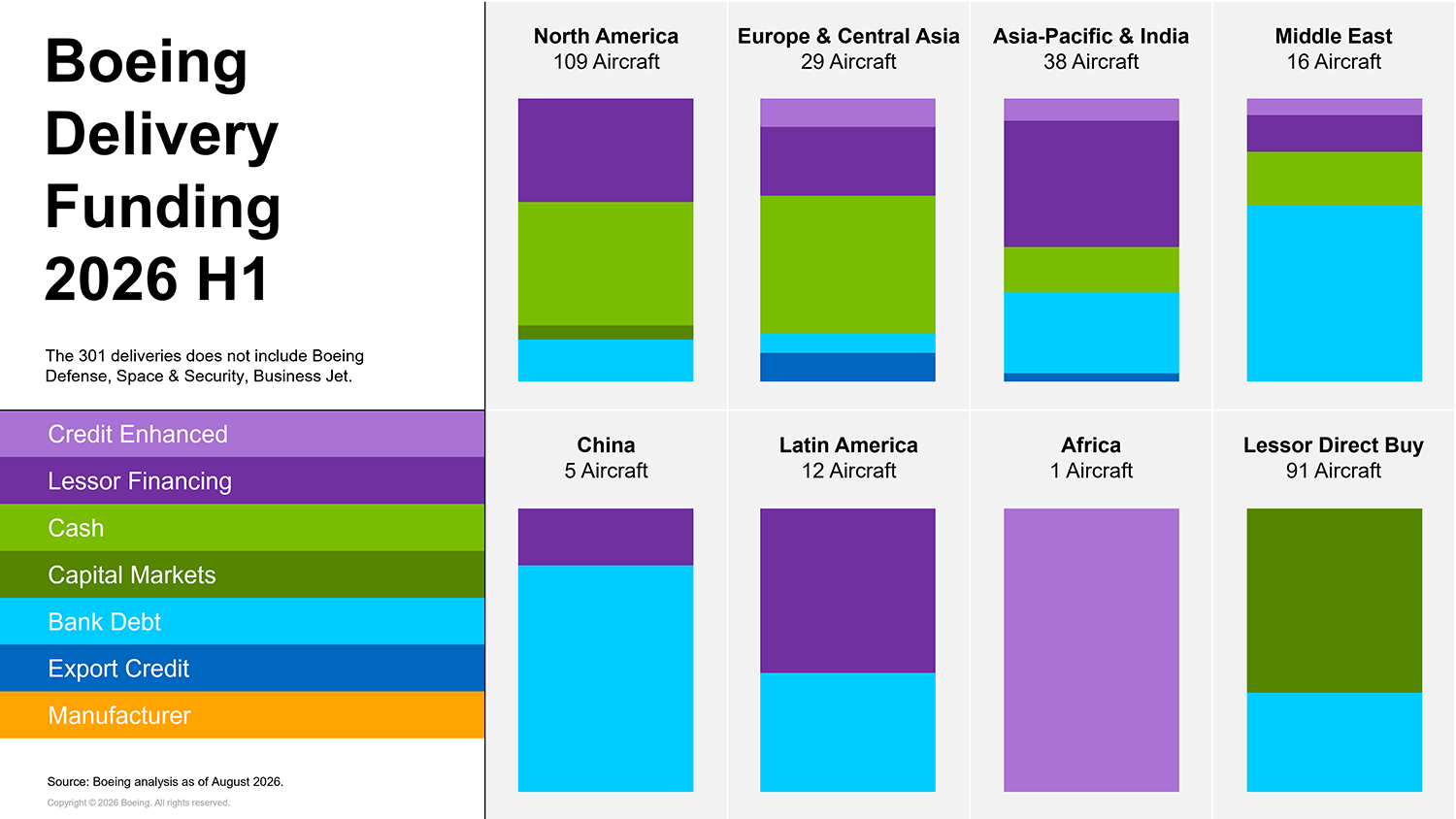
Boeing Delivery Funding

A stronger year-over-year delivery schedule and a change in regional delivery volumes has produced some subtle financing shifts for each of our regions that will be explored in further detail in the following pages. The geopolitical climate may already have had a bearing on aircraft funding strategies, notably a shift from cash to financing, but we will be better able to assess that statement once the full year is complete. What remains clear is that the appetite for aircraft financing remains positive, with affirmative signals on pricing, competitive terms and new market entrants endorsing that message.

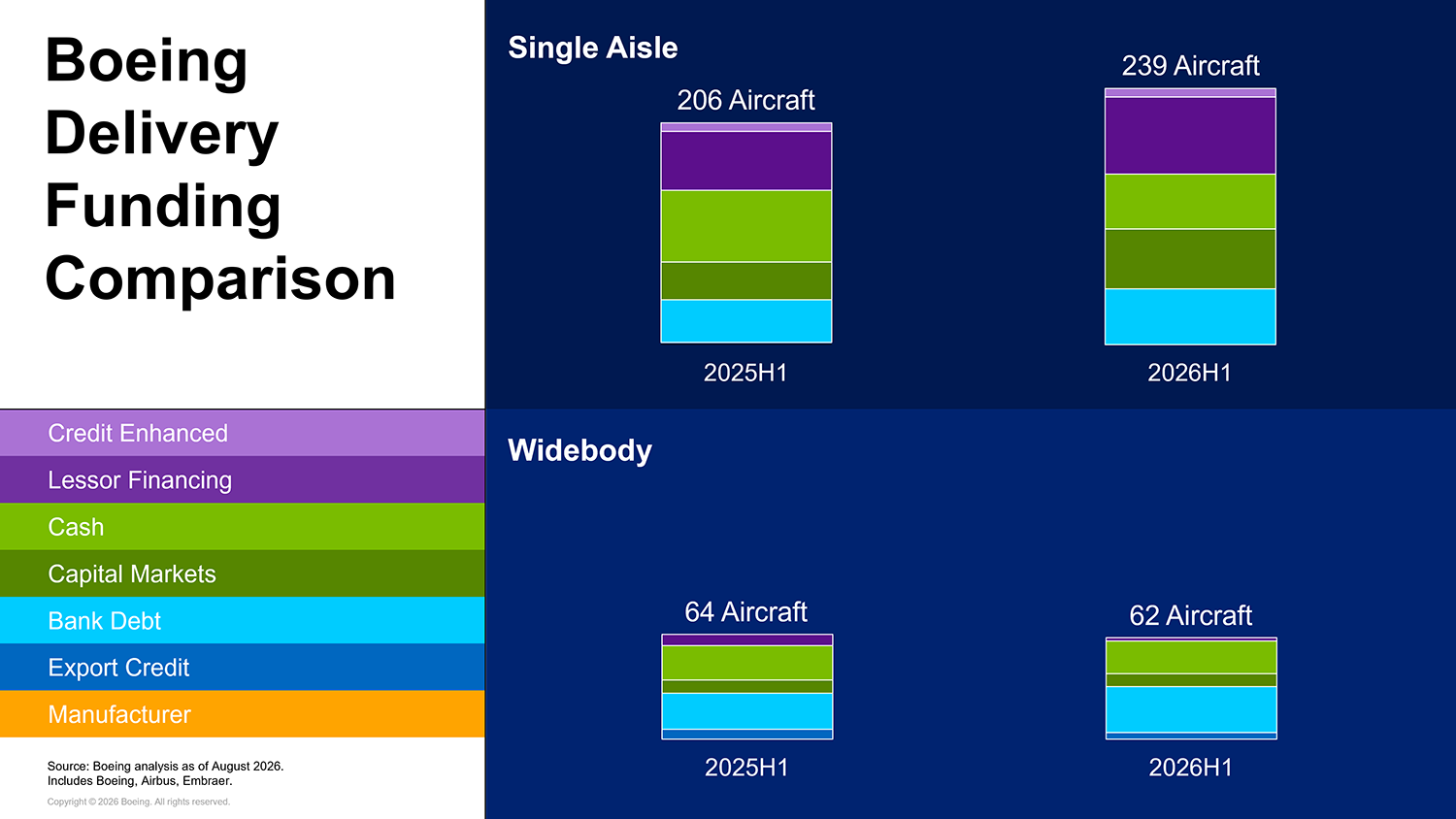
Boeing Delivery Funding Comparison

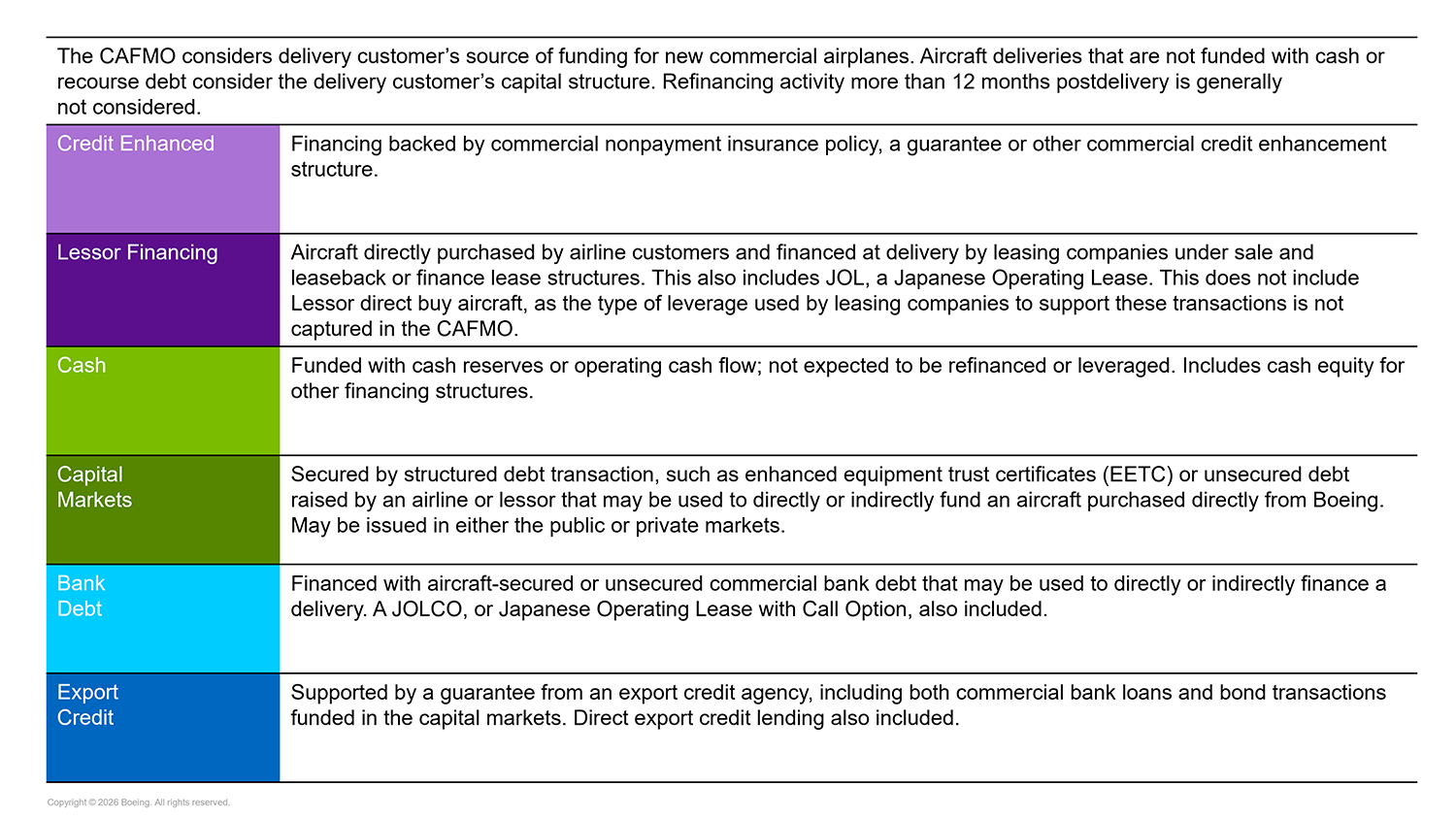
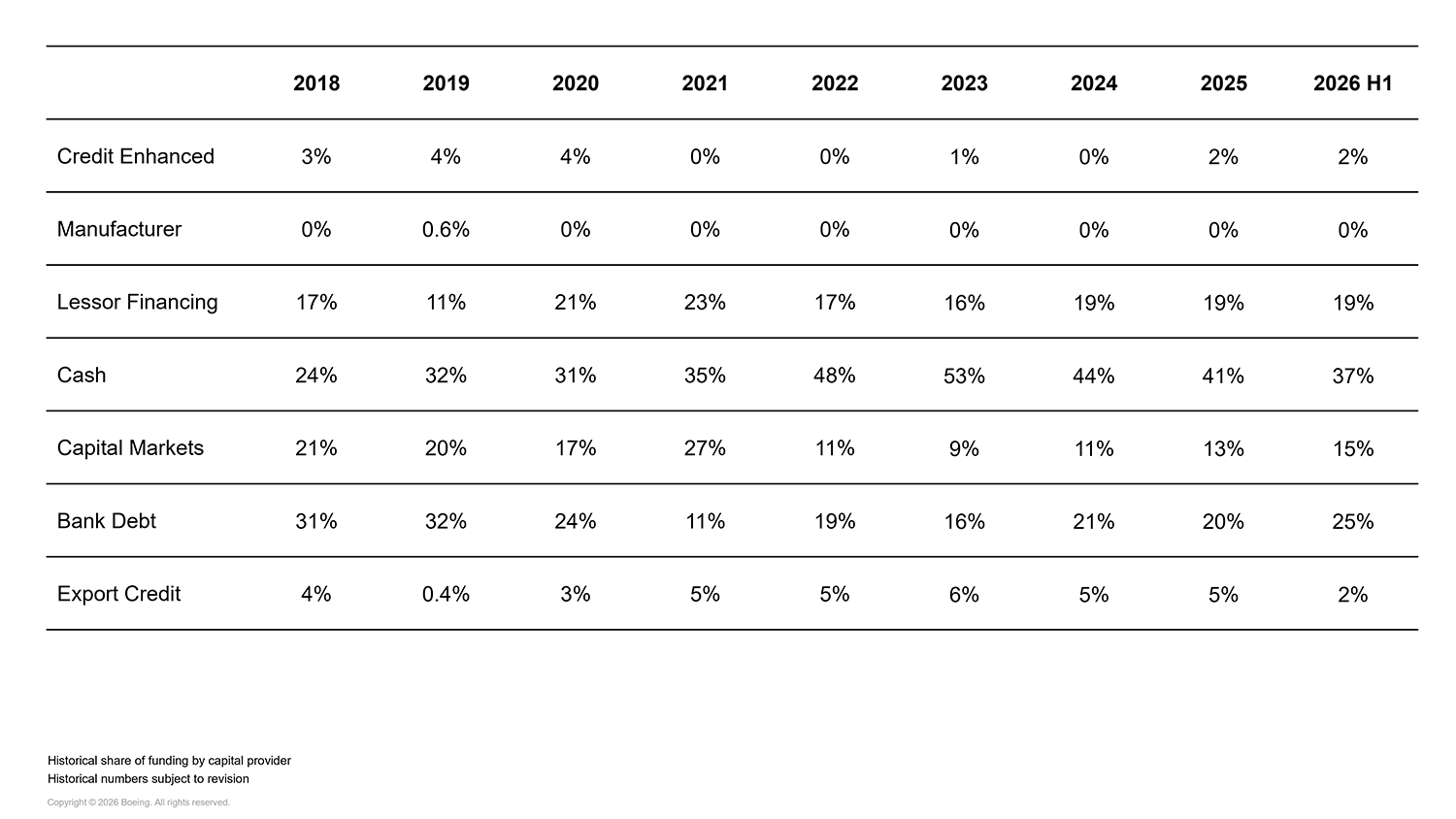
Diversity of funding sources was a key reference point from our March 2026 CAFMO, and this product optionality prevented any single capital source from unduly dominating the financing marketplace. As highlighted by our own traffic light chart, the health of the aviation finance industry is satisfactory, which ensures a competitive landscape for customer financing. Strong credits in well-understood jurisdictions are able to command the best terms and pricing, often paying cash for aircraft and then refinancing post delivery to secure the most favorable outcomes. We note that bank debt has grown by some 20% from our March 2026 CAFMO publication, supporting both narrow, and more notably, wide-body deliveries. The leasing channel continues to be central to every market that we trade in for new deliveries. Airlines have selectively accessed capital markets (secured and unsecured), but these issuances are generally limited, which again reflects the optionality available to them from a range of other sources, which may have more flexibility in terms and conditions. The ECA and covered markets are collectively less active in H1 2026, but the extensive aircraft order books, particularly in the ME and Asia, would suggest a pick-up in volumes for these products over the coming 18-24 months.

Financial Product Distribution

Leasing

Satisfactory

Availability of delivery financing provided by lessors remains ample across a wide spectrum of assets, credits, and jurisdictions, with robust competition continuing to drive favorable economics for airline borrowers. Product innovation continues to expand beyond operating and finance leases, with an interest in advance-payment financing expected to further develop in 2026 both on a standalone basis and combined with sale leaseback. Lessors’ competitiveness is enabled by access to capital markets and bank financing to support the purchase of aircraft in new and secondary markets.

Satisfactory

Capital Markets

Satisfactory

Upgraded. Our traffic-light signaling has moved to green post-year-end close, which reflects the strength and depth of this market, notably for lessors in the unsecured and ABS segments. We recognize that the e-note component is currently dormant within ABS structures, but market sentiment appears to suggest that may change during the course of 2026. New issuance activity in the ABS market has been brisk in early 2026, with some notable tight pricing. We would, however, comment that airline activity in the capital markets last year was less pronounced.

Satisfactory/Cautionary

Commercial Banks

Satisfactory/Cautionary

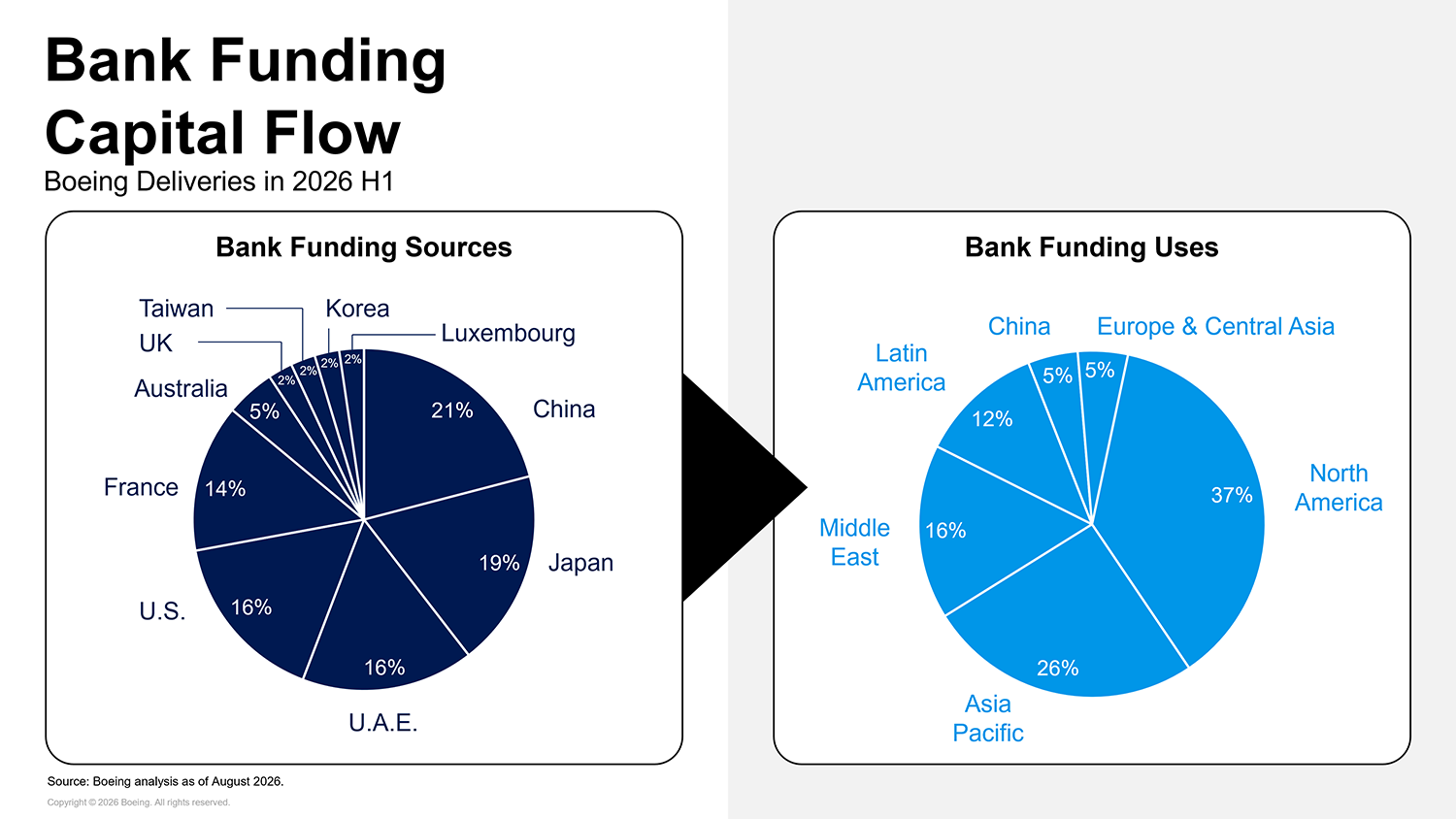
Upgraded. In-country banks are increasing their role in aircraft financing among their domestic airlines, bringing competitive pricing coupled with an appetite that reflects local credit understanding. These banks continue to see their roles maturing from secondary participants to primary lenders, and this precedent is evident in a number of countries across the Middle East and Asia. Global banks remain active in their chosen markets and customer bases, with a strong eye toward distribution for mandated deals.

Cautionary

Export Credit Agencies

Satisfactory

There is a healthy pipeline of opportunities for ECAs, which are likely to feature more noticeably as delivery volumes continue to increase across a wider customer base. We saw a change in the mix of aircraft financed between 2024 and 2025. The prior year had a more balanced schedule of narrow and widebody aircraft, but in 2025 over 80% of ECA financing supported widebody aircraft.

Satisfactory

Institutional Investors and Funds

Satisfactory/Cautionary

Continued appetite for the aviation sector, with capital deployed either directly, through platforms where investors hold stakes, or via partnerships created to facilitate aircraft financing.

Satisfactory/Cautionary

Tax Equity

Satisfactory/Cautionary

Upgraded. In 2025 we had put this funding channel on a positive watch. This has now crystalized into a formal upgrade. That step up reflects the heightened activity in its chosen markets/customers. We observed a steady flow of new delivery financing that continued through 2025 for a select group of airlines with proven credentials and familiarity with this investor base. This funding source has rigorous engagement criteria that are heavily focused on credit quality.

Cautionary

Credit Enhanced

Satisfactory/Cautionary

More activity across more markets, with the product supporting a broader mix of customers from a relatively small selection of countries. A wider bank pool is engaging in covered financing, which supports their portfolio-management requirements.

Satisfactory/Cautionary

Airframe and Engine Manufacturers

Cautionary

Availability of capital from multiple third-party sources has not necessitated regular intervention by OEMs in new-aircraft financing.

Cautionary

Regional Finding Insights

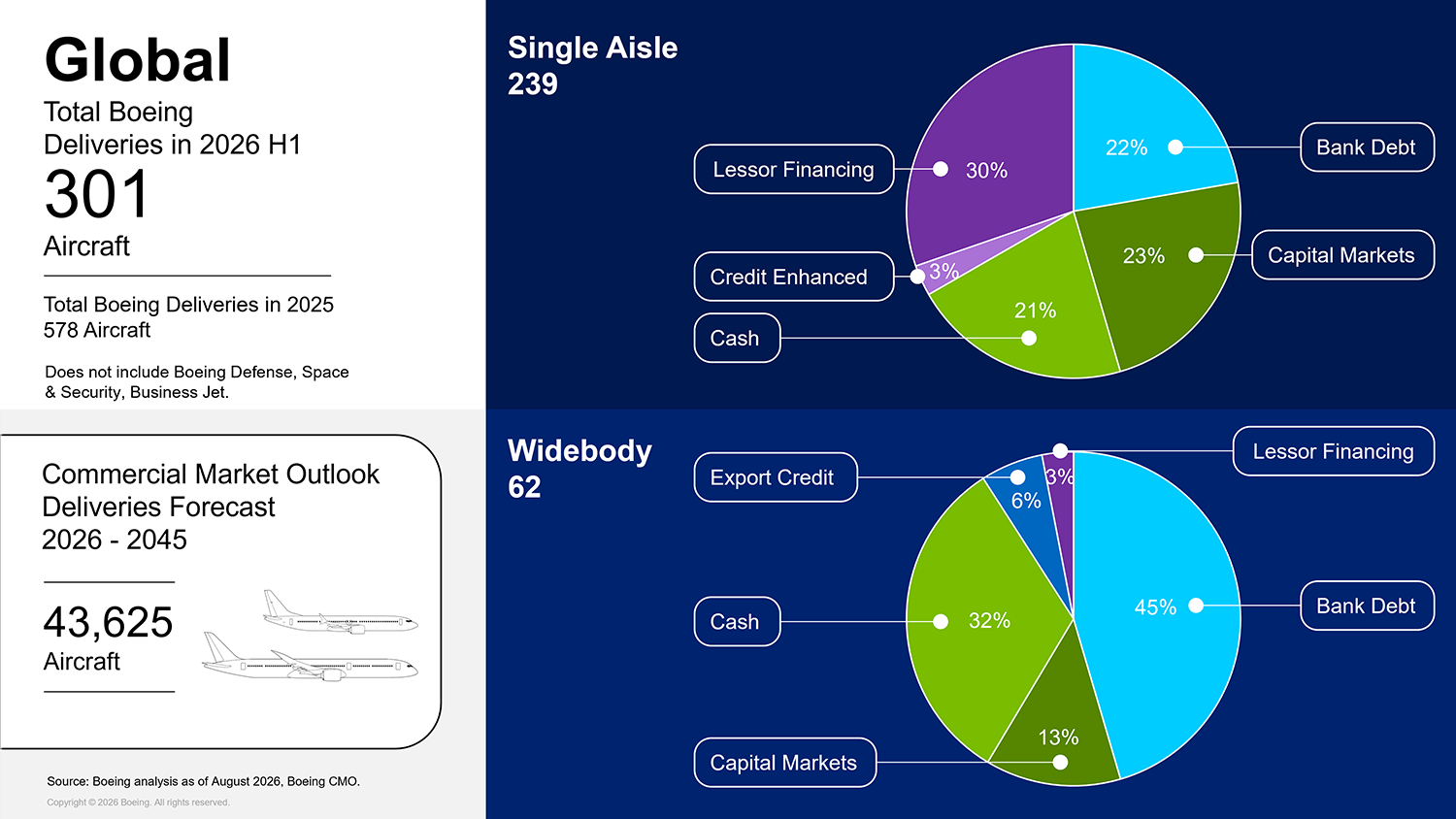
More deliveries, more diversification. We cannot yet define a steady state in the aviation financing market, and recent geopolitical tensions have challenged funding plans for some customers. Regional bias towards certain products is covered by the Boeing Commercial Airplane Customer Finance team in the accompanying narrative. The subtleties in financial product selection between single-aisle and widebody aircraft are clearly visible, particularly the use of bank debt and lessor financing.


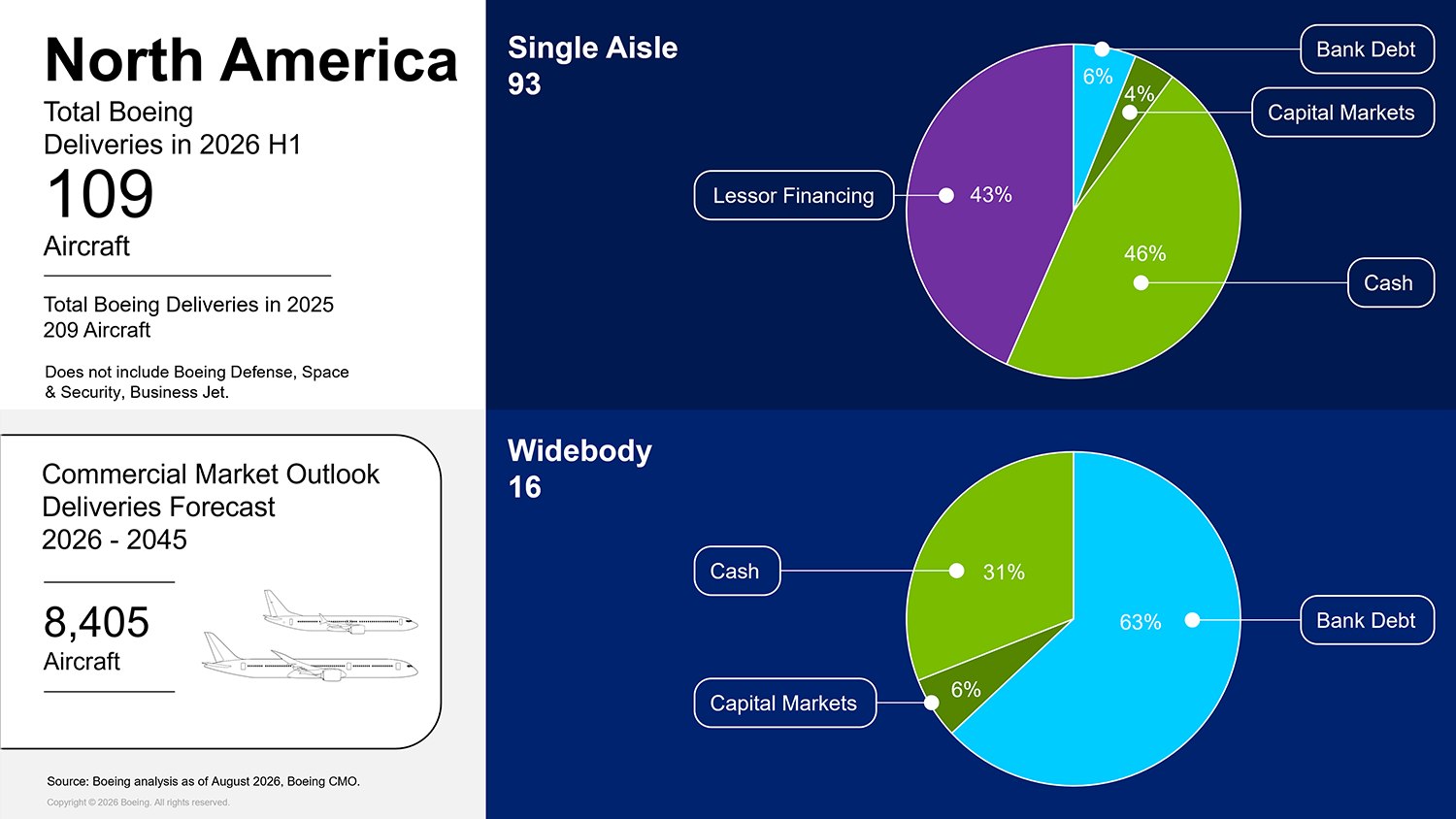
North American airlines’ financing mix diversified further in the first half of 2026, with cash remaining the leading source for single-aisle deliveries, closely followed by lessor financing, while bank debt and capital markets transactions played more limited supporting roles. Post-delivery financing, increasingly common in the region, continued to occur outside the scope of this data.

Widebody deliveries relied on markedly different structures, with bank debt financing nearly two-thirds of deliveries. This divergence reinforces a broader pattern across the region: banks remain more active in widebody financing while lessors hold a more prominent role in single aisle financing.


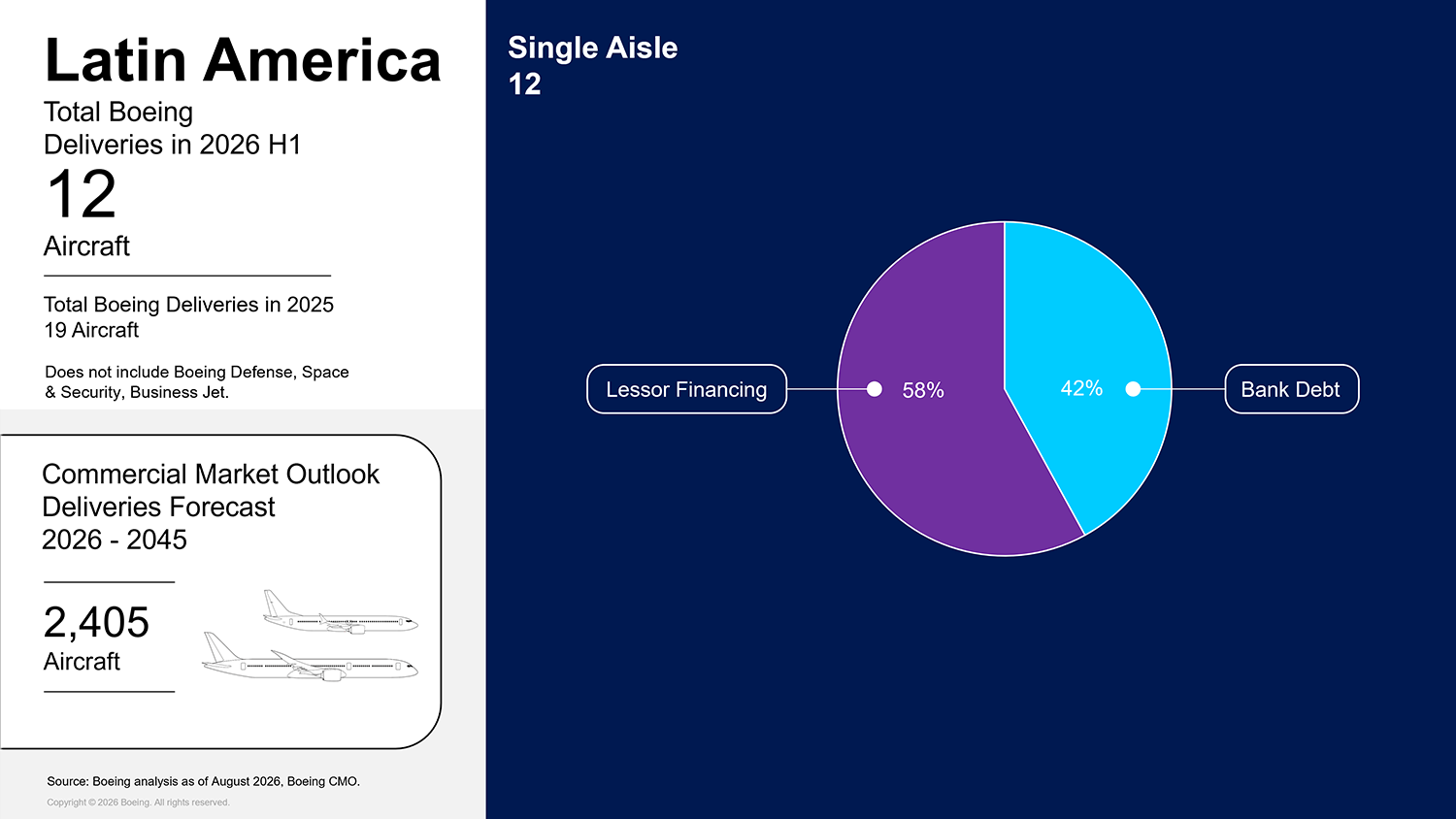
Financing for Boeing deliveries remained entirely bank- and lessor-sourced for the exclusively single-aisle delivery stream in the region year-to-date. Lessors provided the majority of the funding, largely consistent with recent years, and Japanese Operating Lease with Call Option (JOLCO), categorized as bank debt, was the other primary financing source. Rather than reflecting a shift in regional capital availability, the mix appears driven by individual carrier credit profiles and balance-sheet strategy. Latin America stands apart from North America’s more diversified access to capital. Although not reflected in the region’s financing distribution data, Latin American airlines continued to source new Boeing single-aisle aircraft from lessor order books.


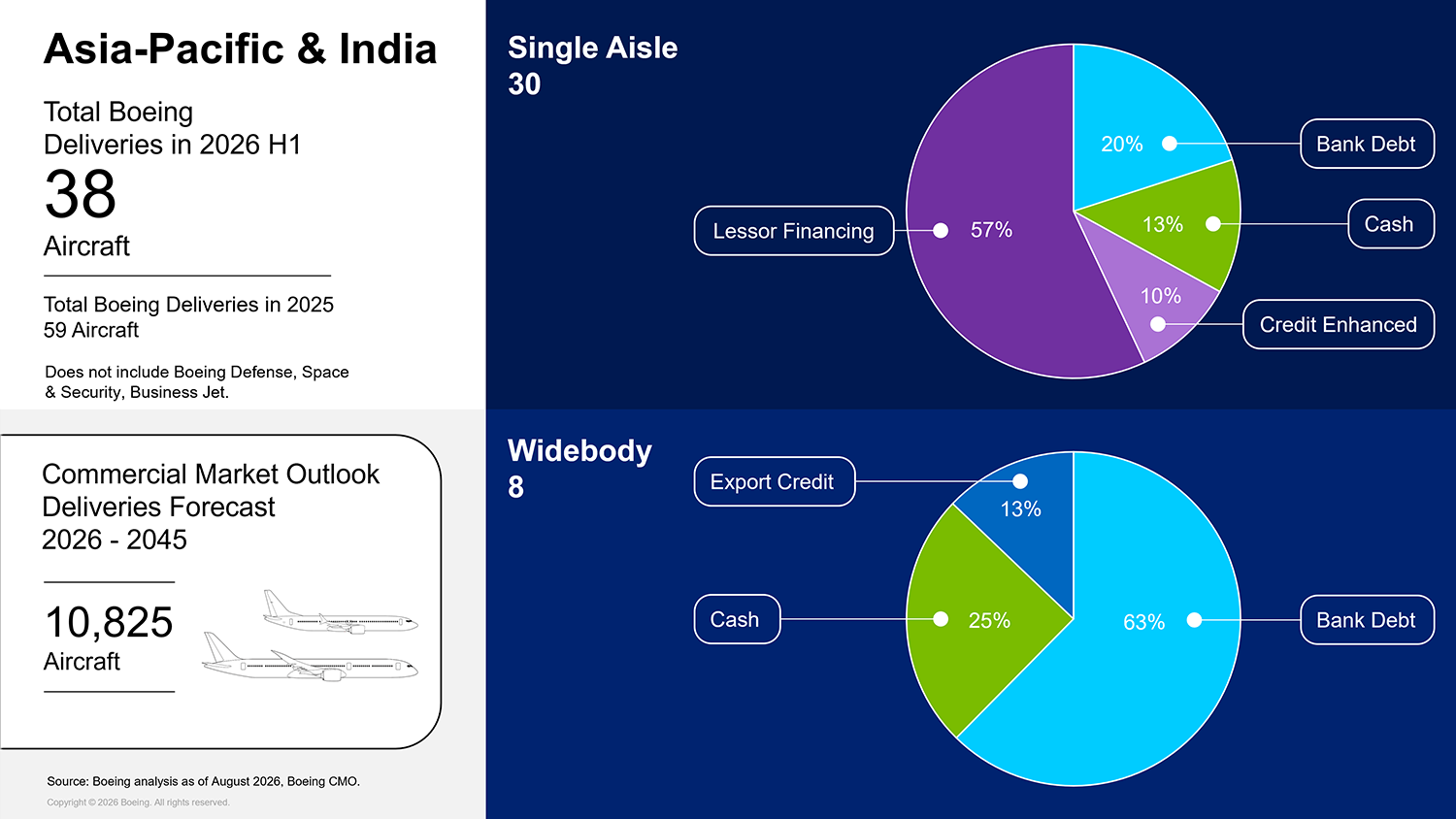
Deliveries to Asia-Pacific & India are on pace to exceed total deliveries compared to the year prior. Delivery financing strategies across Asia-Pacific and India remain diverse, reflecting the breadth of operational and financial needs of carriers in these markets. In India, single aisle deliveries continue to be financed primarily through sale-leaseback transactions, a trend expected to persist in the near term. Conversely, Indian carriers favor debt solutions for widebody aircraft, with an anticipated shift toward increased use of covered debt to mitigate the concentration risks associated with high-value assets. Across Southeast Asia and Oceania, sale-leaseback remains the dominant structure for single aisle deliveries, and this reliance is expected to continue as deliveries to this region accelerate. Meanwhile, carriers in Northeast Asia—specifically Japan, Korea, and Taiwan—maintain a preference for bank debt, occasionally supplementing these structures with credit enhancement products.


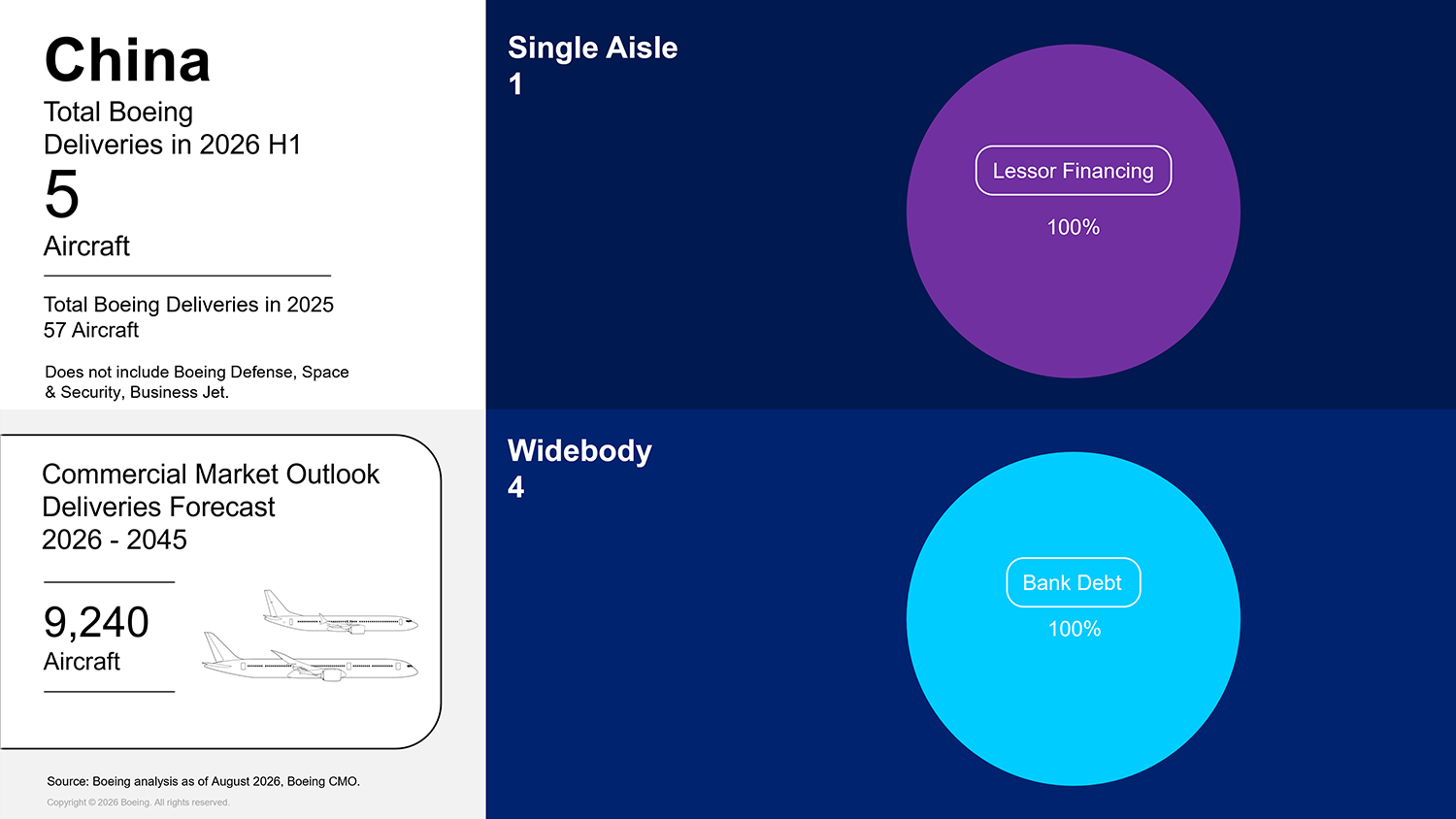
Aircraft deliveries in China were subdued during the first half of 2026 compared to the prior year. However, it is important to note that total deliveries into China were supplemented by lessors placing aircraft via operating lease from their own order books into the region not captured in this chart. Regarding financing, our Chinese customers continue to rely exclusively on domestic markets, with transactions denominated in local currency continuing to be the most efficient solution.


Cash continued to be a prominent source of delivery financing, although tempered when compared to prior periods driven by a delivery stream that is less concentrated with top-tier credits. With the increase in delivery volumes, shift in credits taking deliveries and expected uptick in refinancings, we expect cash-funded deliveries to make up less of the total percentage of aircraft deliveries moving forward.

Through the first half of 2026, lessors were active in financing single aisle deliveries given the strong demand for Boeing single aisle aircraft. Although bank debt saw a decline compared to 2025 for widebody financing, we expect this to remain a strong financing source as banks continue to have ample dry powder and demand for relationship credits and these aircraft.

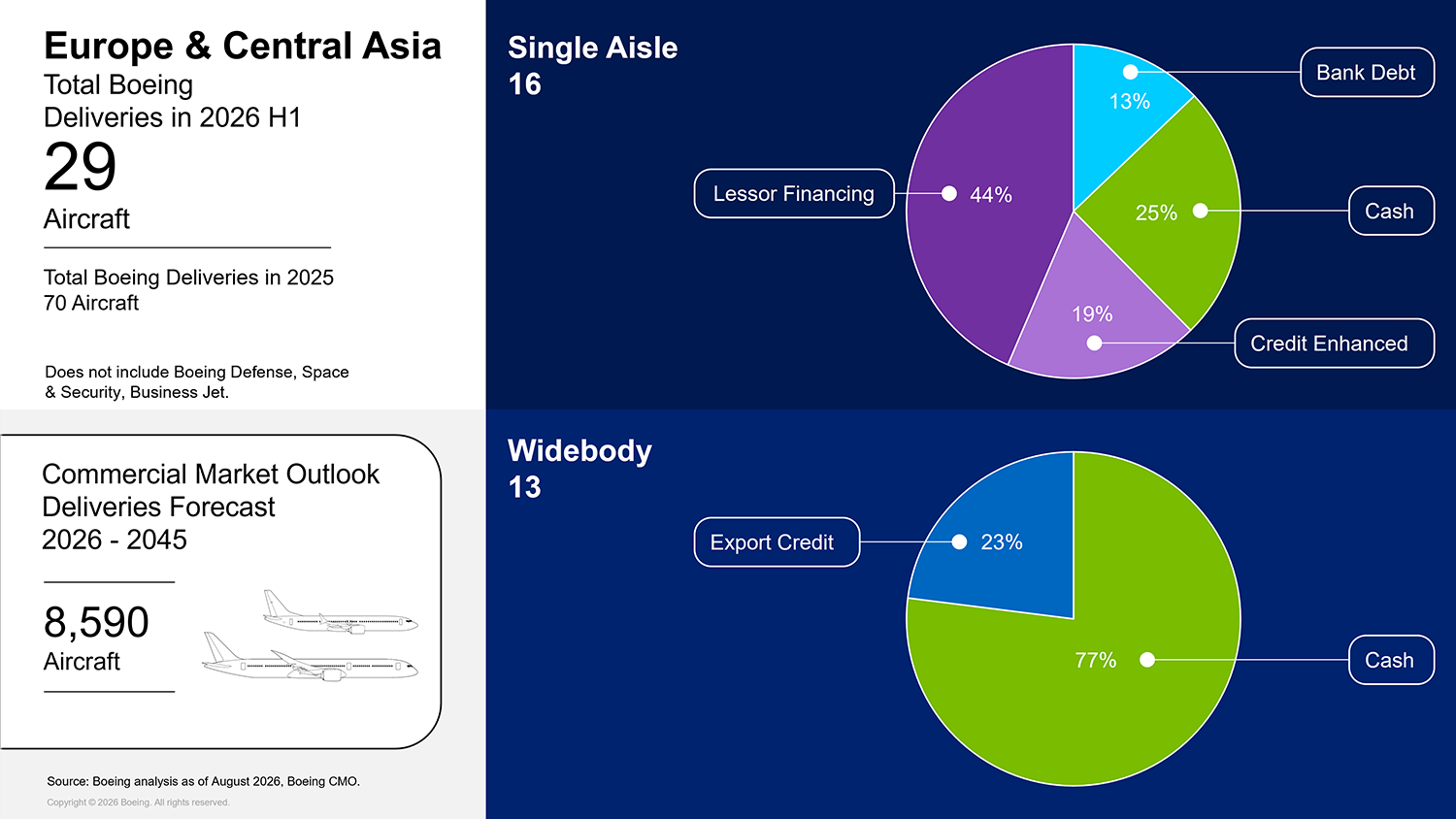
Both the Export Credit Agency (ECA) and Credit Enhanced markets were active throughout the first half of 2026, notably in Southern Europe and Central Asia. ECA financing is well-positioned to support widebody deliveries in the region, enabling airlines access to efficient financing that would otherwise be out of reach.


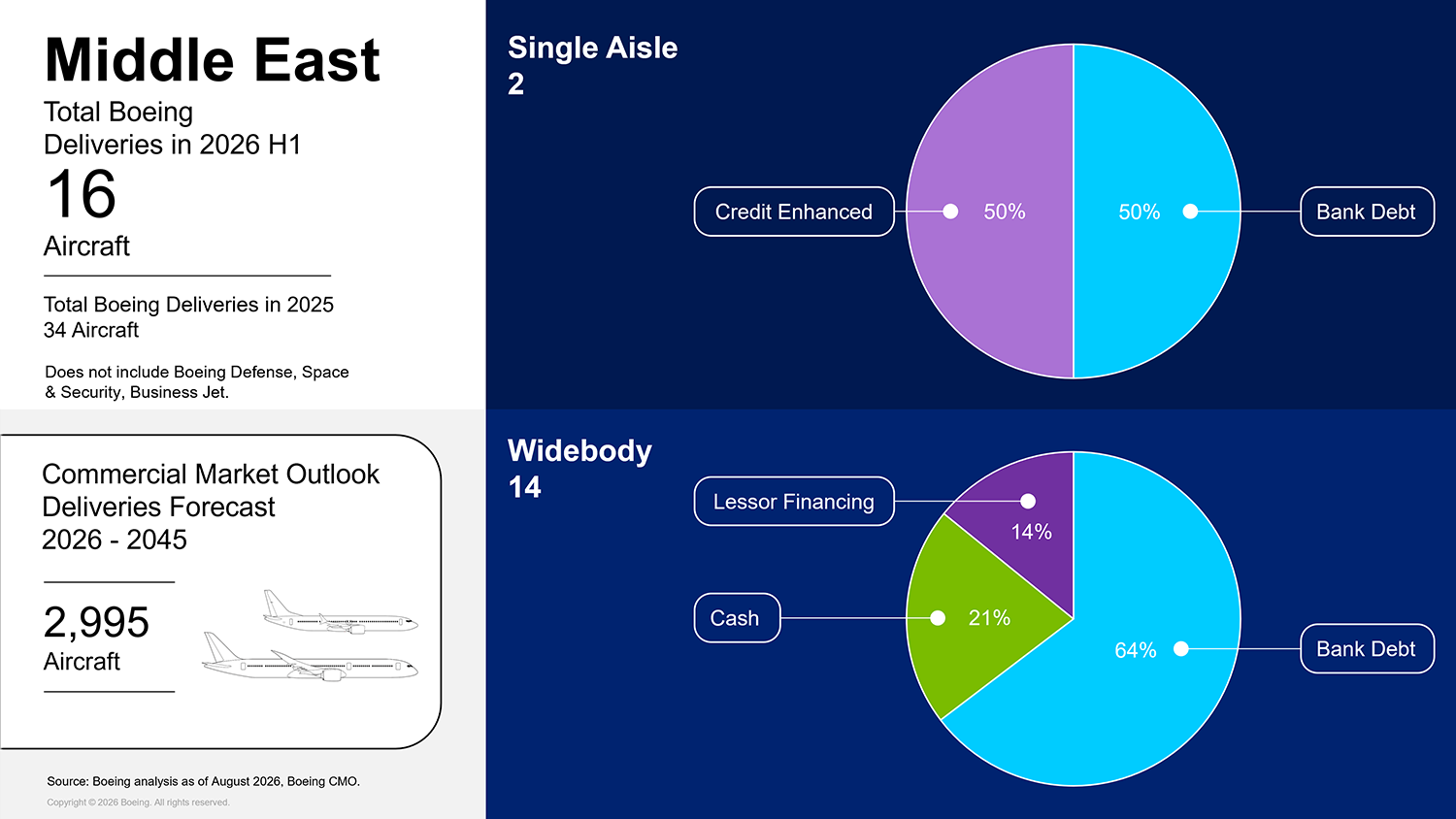
The aircraft financing market remains competitive across the Middle East, and top-tier carriers are well positioned with ready access to liquid local and regional banks. Boeing deliveries to the region were heavily weighted to widebodies, with the majority being financed via the aforementioned local and regional banks, but international institutions continue to compete and win mandates. We expect to see a wider variety of structured solutions, including SLBs, ECA support, credit enhancement and lessor financing as delivery volumes increase.


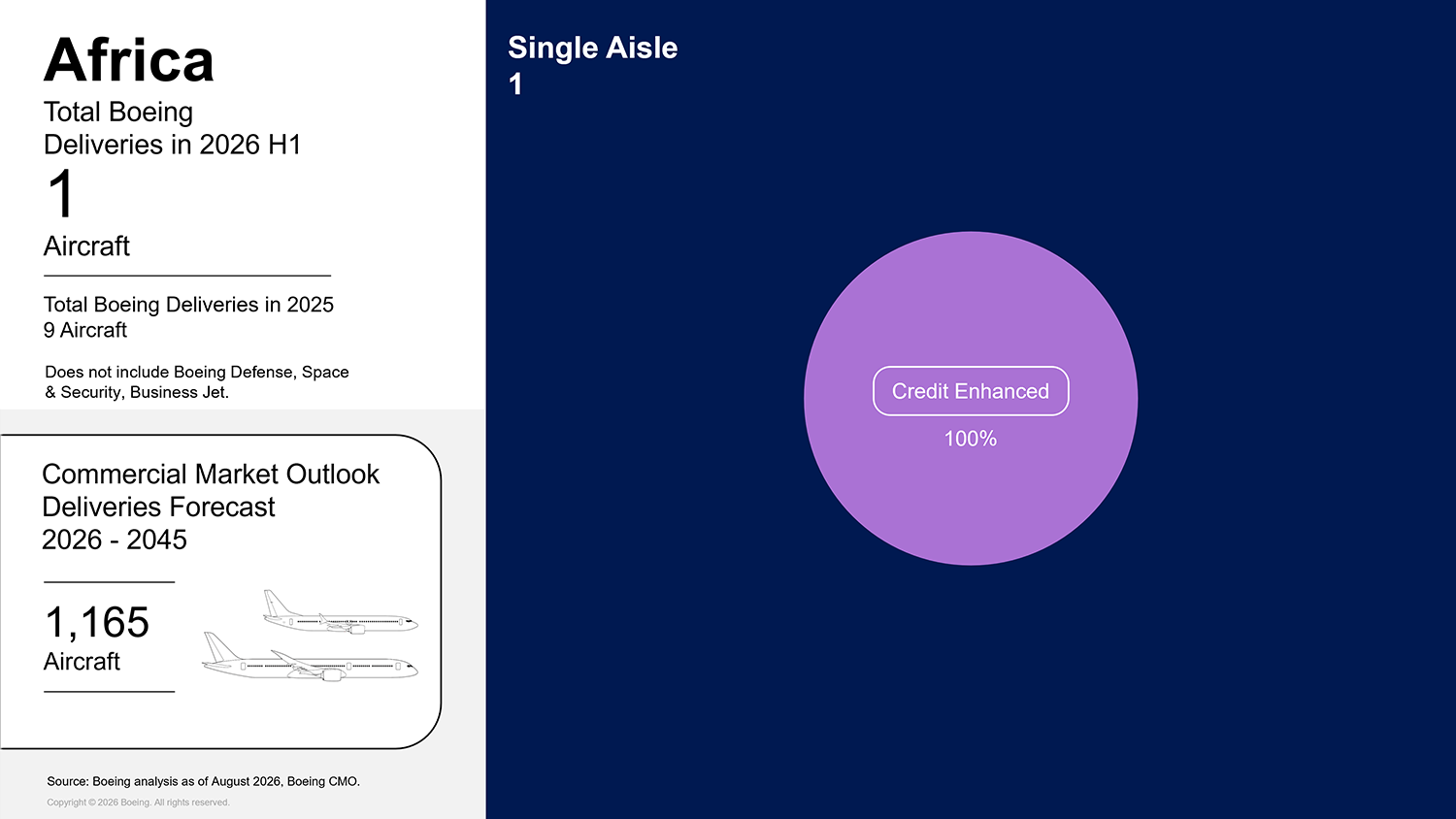
Only one aircraft was delivered to the African continent in the first half of 2026, utilizing a credit enhanced structure. We expect covered products, in addition to lessors, to continue to support customers’ delivery financing needs.


Bank Funding Capital Flow

The breadth of bank funding is a positive signal from 2025, and we envisage that as our deliveries extend to a wider geographical band of customers, more banks will engage in aircraft financing opportunities. As such we are mindful of the fact that funding is likely to become more regionalized, supporting local airlines, as opposed to broadening to international lending. Since the CAFMO analysis and report is aligned to new delivery financing, we recognize that there are many more institutions involved in secondary markets for new and used aircraft financing that we have not captured here. Our teams connect globally to the wider banking network to ensure that we offer appropriate insights and market data to facilitate the flow and availability of capital to our customer base.

Sale Leasebacks

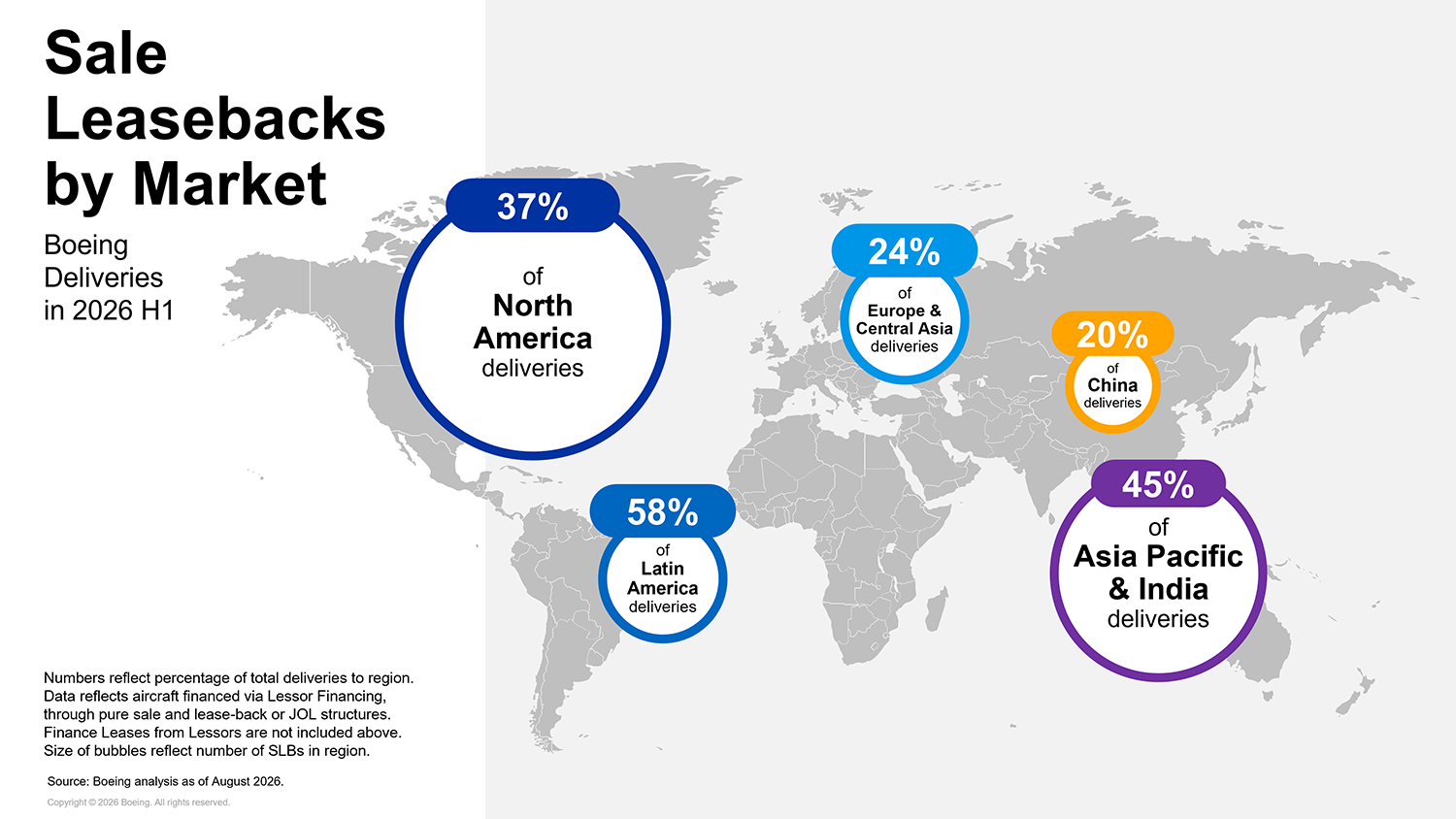
Global interest in sale-leaseback products remains strong, as airlines seek to reduce capital expenditure burden and mitigate residual-value risks. Single aisle aircraft are the most favored collateral, with Asia-Pacific and Indian markets remaining heavily reliant on the SLB product, alongside Latin American airlines. Competitive pricing in the SLB market continues to secure a large number of North American deliveries.

Cape Town Convention

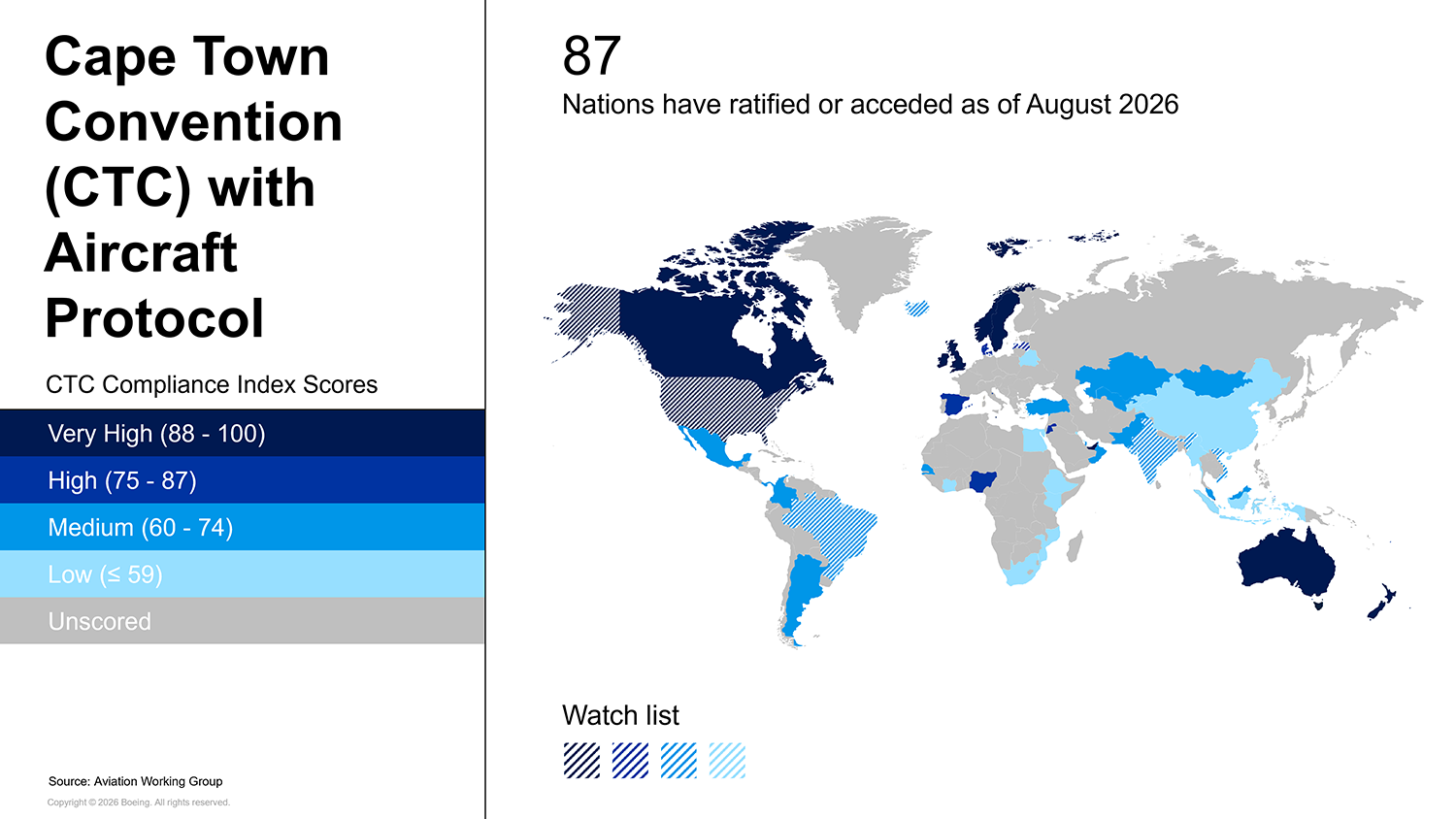
We welcome and recognize the potential value of harmonized aircraft financing protocols that full adoption and implementation of, and compliance with, the Cape Town Convention would bring. Financiers appreciate a more predictable application of the rule of law when assessing transaction risk, which feeds into their price models. Cape Town signatories benefit from access to a broader pool of capital providers with consequential improvements in the cost of financing, notably where ECA structures are deployed (subject to all necessary qualifying declarations being made). Furthermore, the adoption and ratification of the Cape Town Convention may offer access to certain international markets with deeper pools of liquidity.  

We remain supportive of the AWG initiatives to broaden full adoption of, and compliance with, the Cape Town Convention (CTC) and are encouraged by recent progress in a number of countries in Southeast Asia that value the broad benefits of its implementation. Our teams remain active globally in supporting CTC initiatives that create level playing fields in aircraft financing.

Methodology

Boeing Commercial Airplanes Customer Finance created the Commercial Aircraft Finance Market Outlook (CAFMO) to provide an analysis of the sources of financing for new commercial airplane deliveries (for aircraft 90 seats or above).

View Other Aerospace Market Outlooks

Commercial
World Air Cargo
Pilot and Technician
Services