
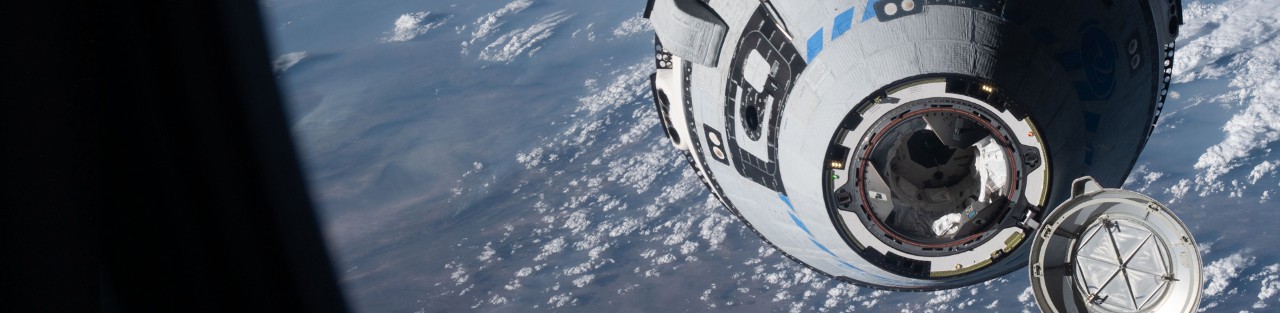
Boeing news and reports
First-quarter 2024 Financial Results

Explore a career with us
Check out new career opportunities and hiring events.
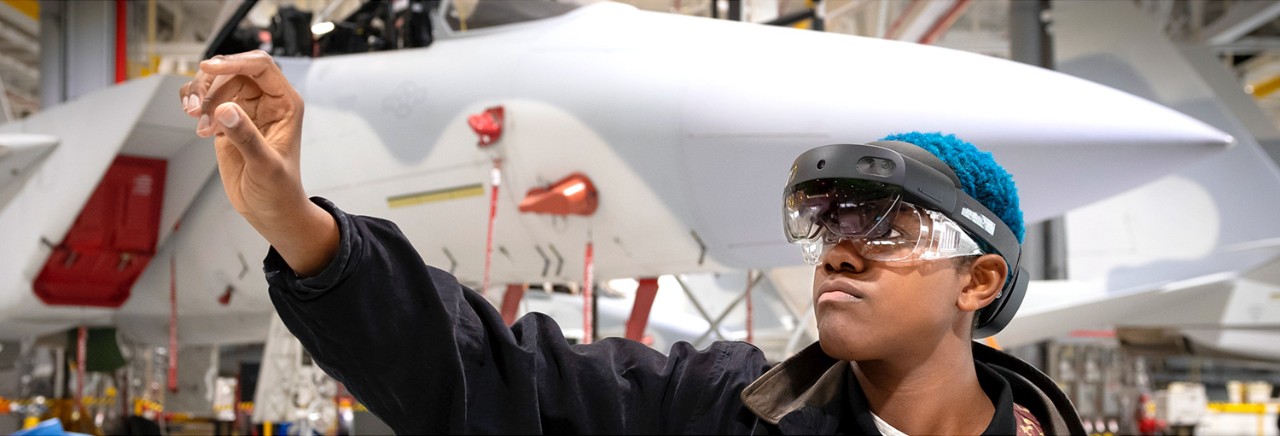
Engineering the future of aerospace capabilities
By embedding innovation and prioritizing safety and quality, we’re delivering smarter, more sustainable results — in smarter, more sustainable ways.
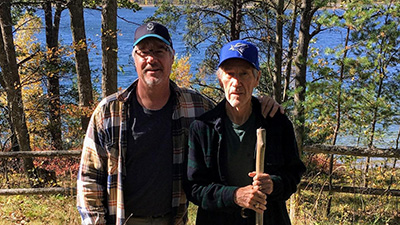
Family ties fuel passion for sustainability
Dale Smith witnessed Boeing’s evolution with Sustainable Aviation Fuel and now helps advance it.

Next Generation Experimental Aircraft Becomes NASA’s Newest X-Plane
NASA and Boeing said the aircraft produced through the agency’s Sustainable Flight Demonstrator project has been designated by the U.S. Air Force as the X-66A.
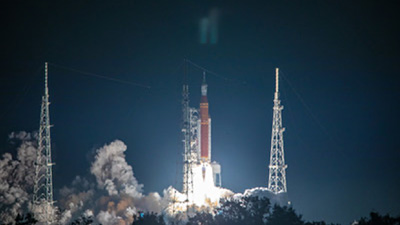
Boeing-built core stage powers NASA’s Artemis mission to moon
Watch the Space Launch System launch the first human-rated spacecraft to the moon in almost 50 years.
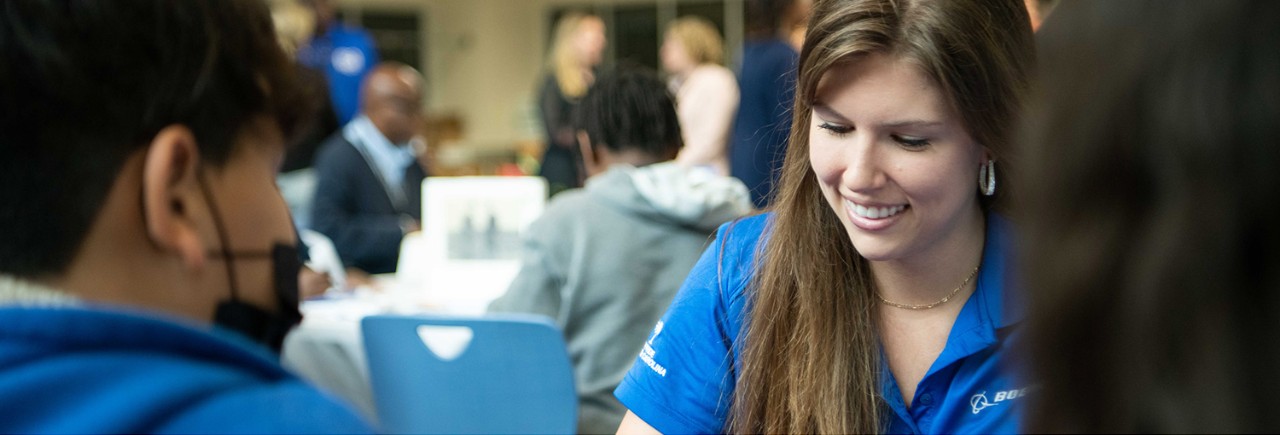
Moving people and communities forward
With investments in our employees and the communities they call home, we’re fostering environments around the globe where people and ideas thrive.

Breakthrough: Multilingual employees help communities in need
Boeing employees share their experiences as volunteer translators and interpreters for nonprofit partner Tarjimly.

Purple Heart recipient gives back to veterans
Q&A with a Boeing Global Engagement teammate who overcame severe combat injuries and now helps veterans thrive.

'Rosie the Riveters' take part in Honor Flight
An Honor Flight, similar to those for military veterans, brought a group of eleven “Rosie the Riveters” to the nation’s capital for a day of celebration on March 27.