

CH-47 merchandise
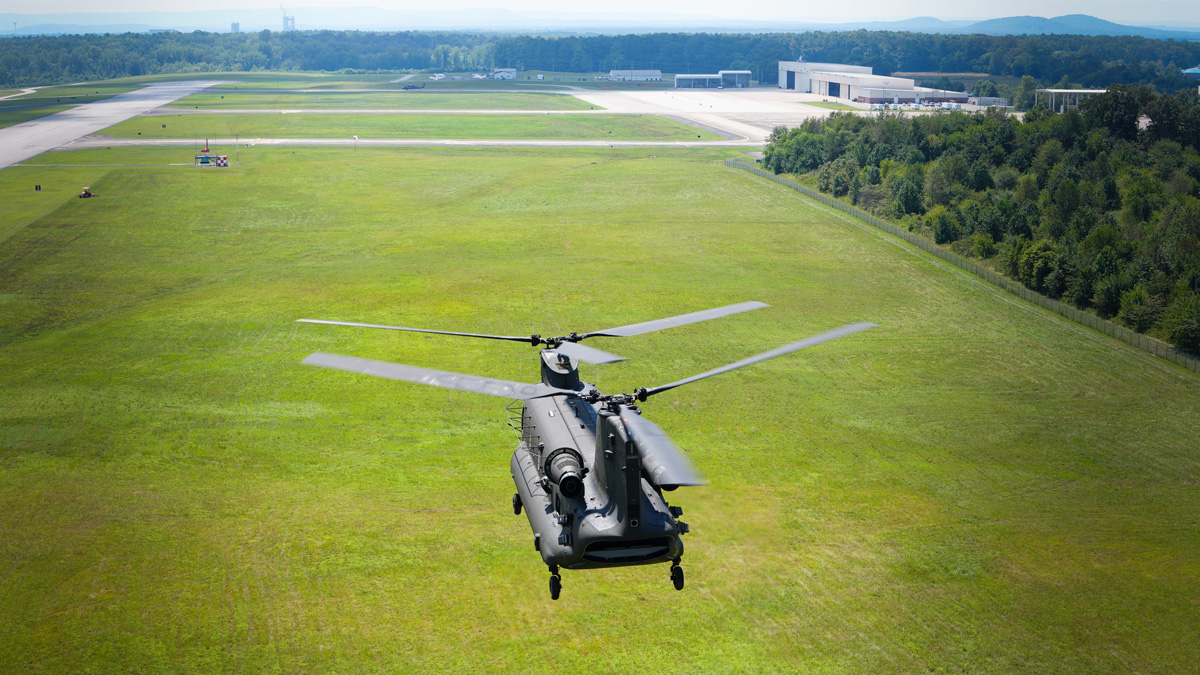
Celebrating lift that never quits.

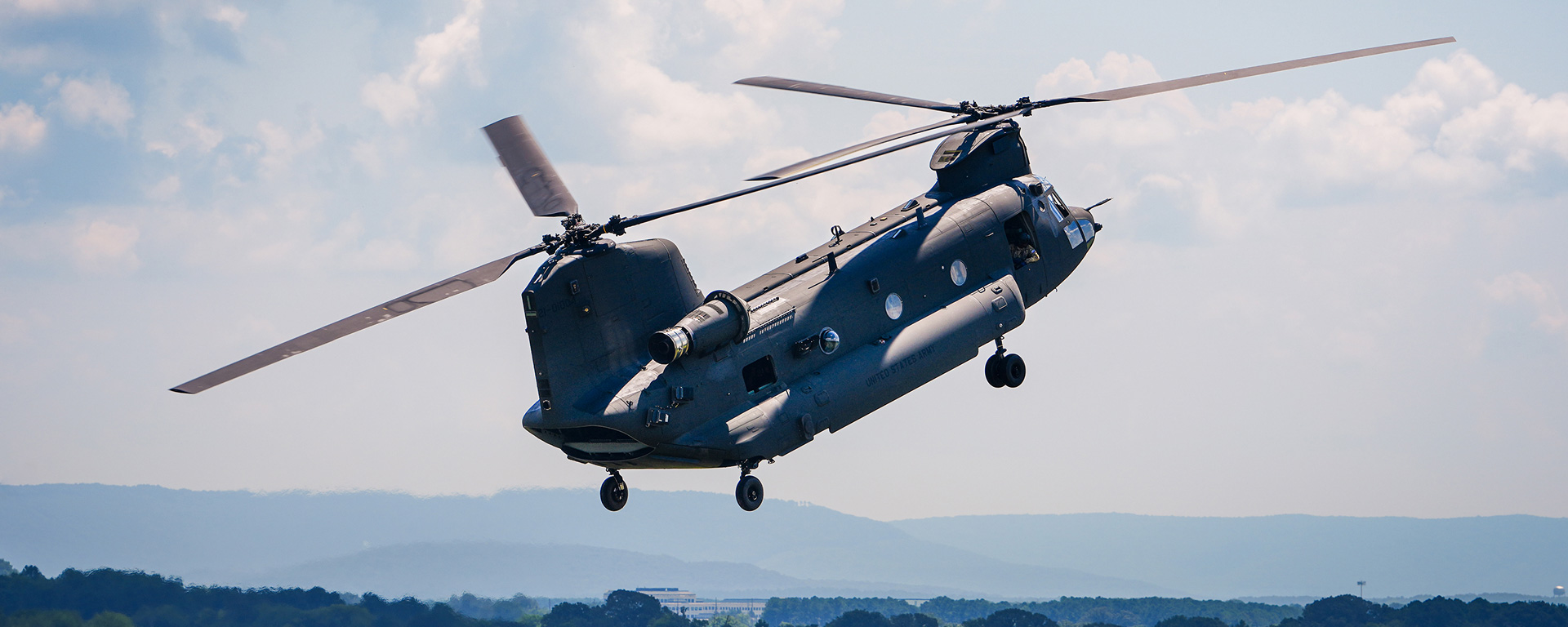
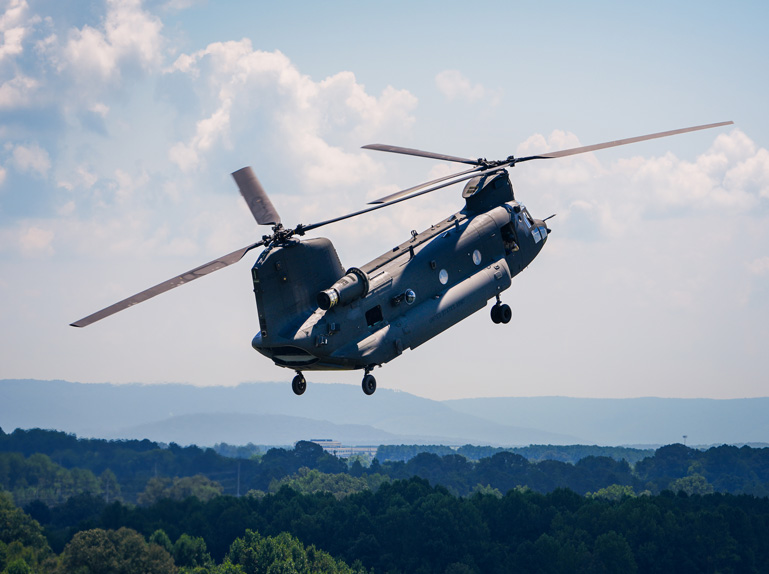
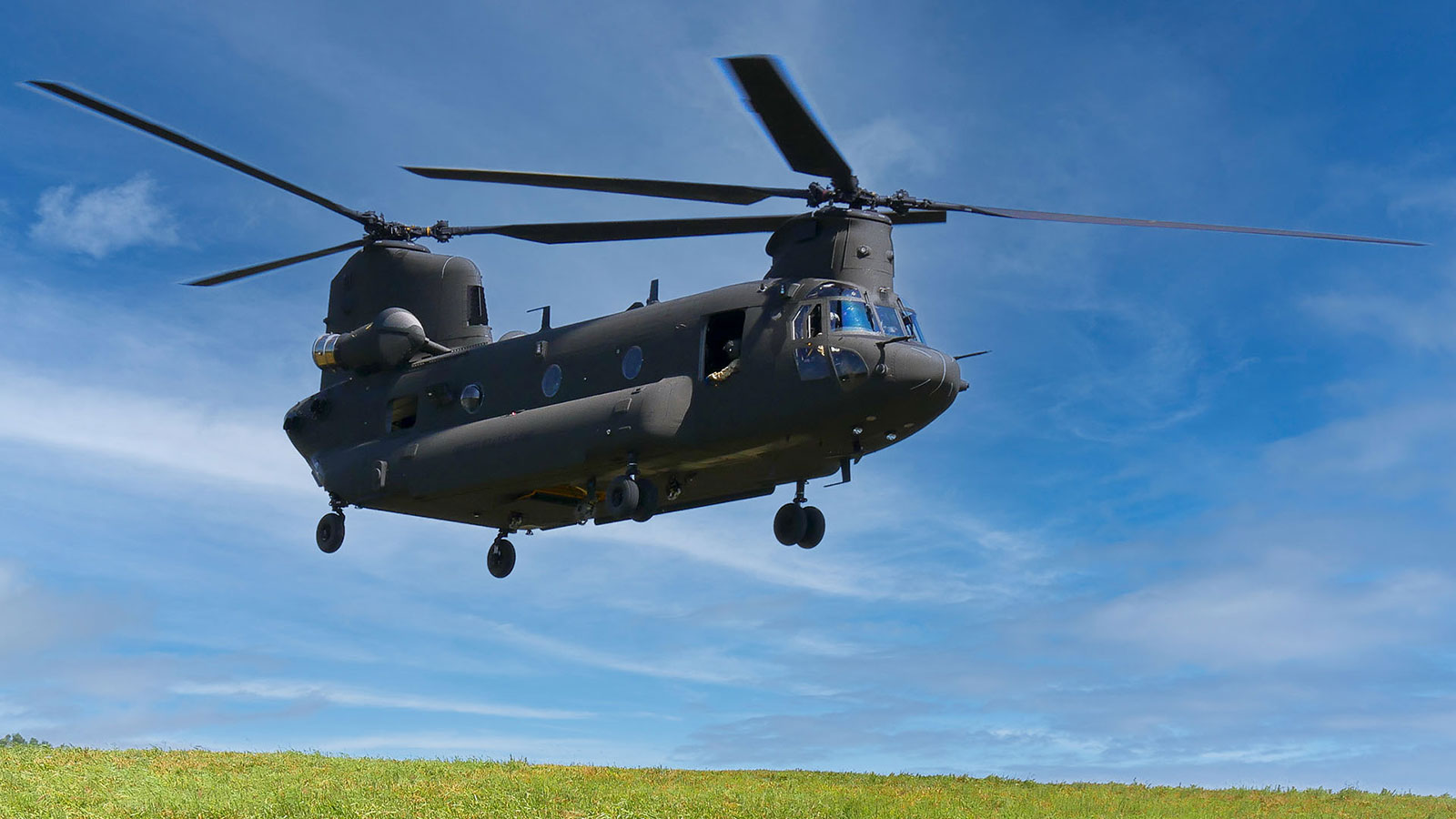
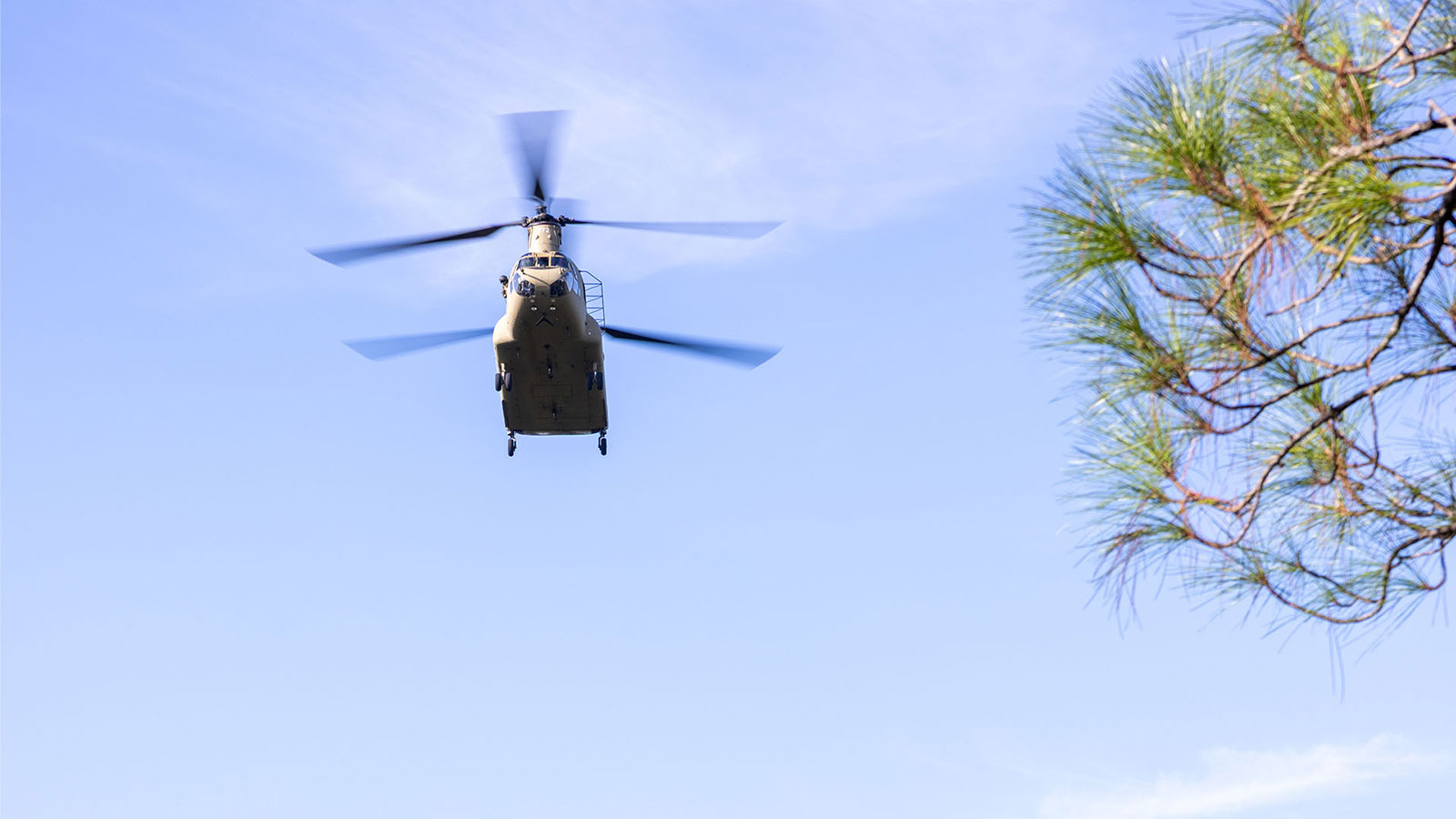
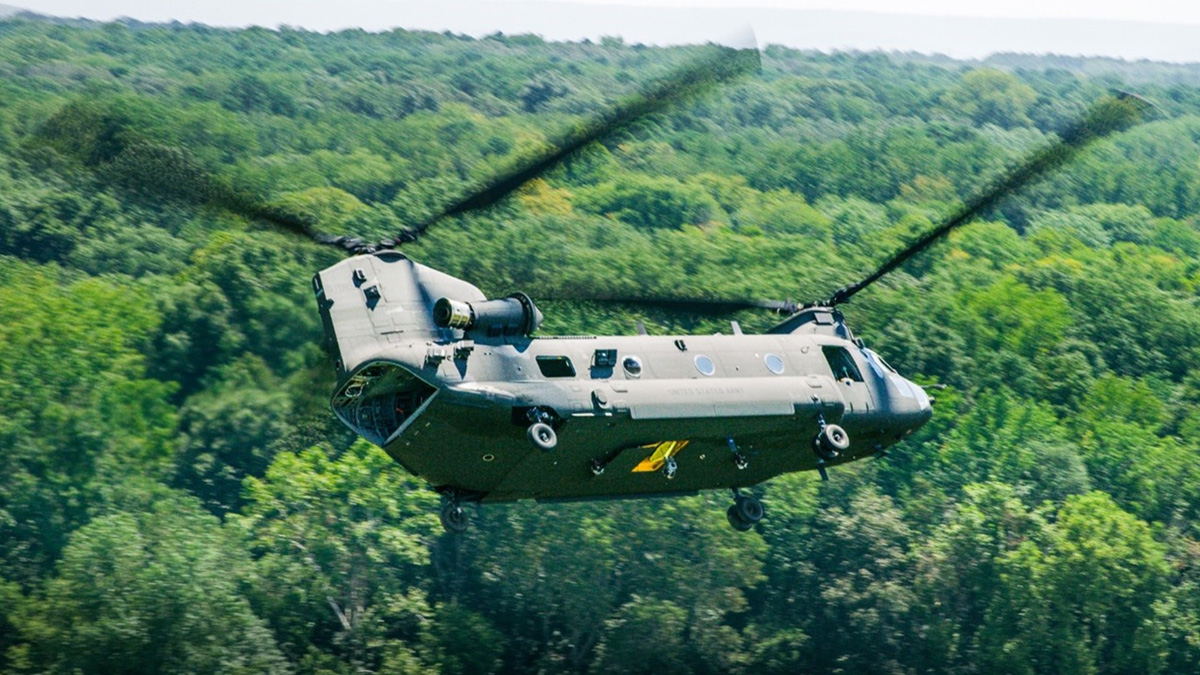
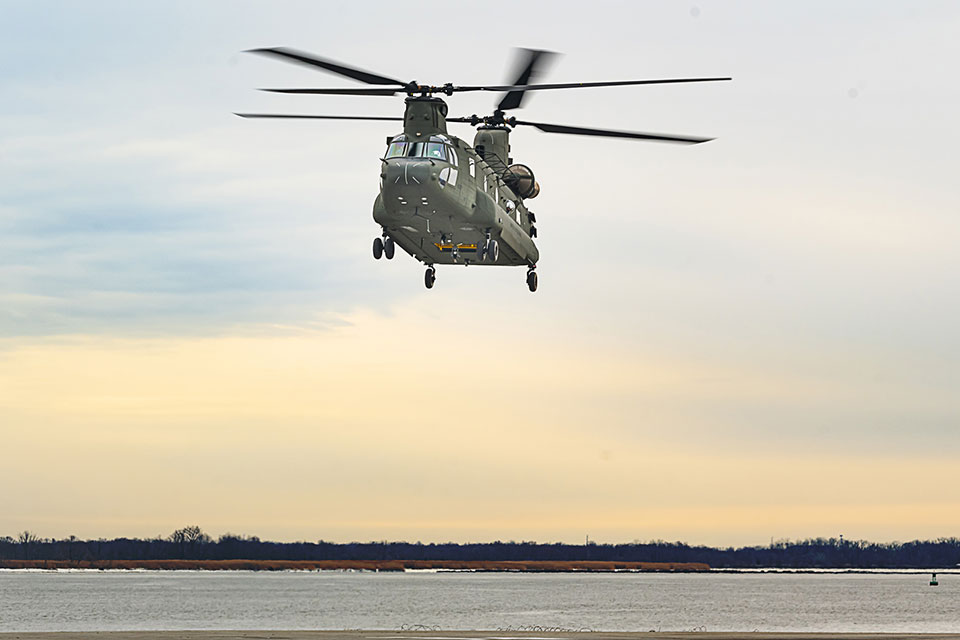
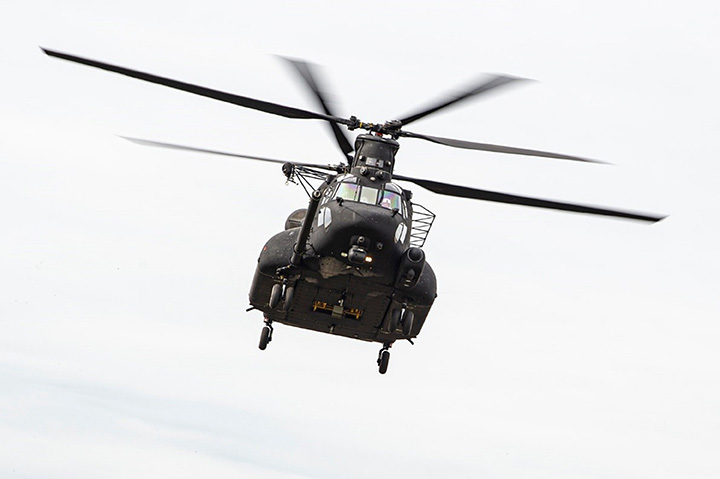
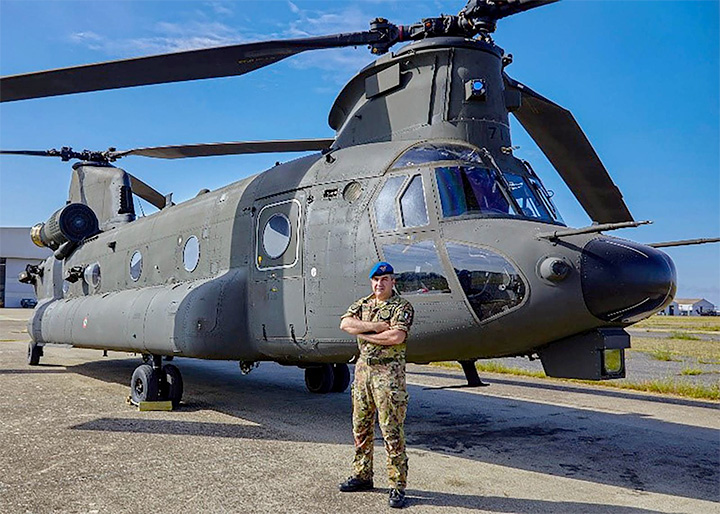
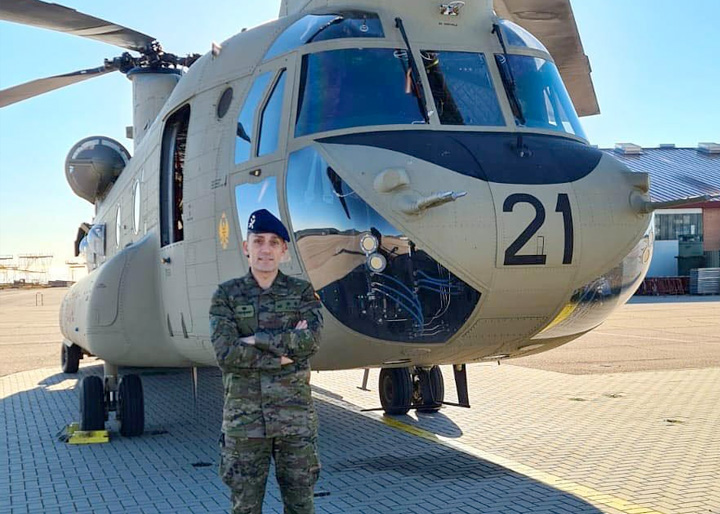
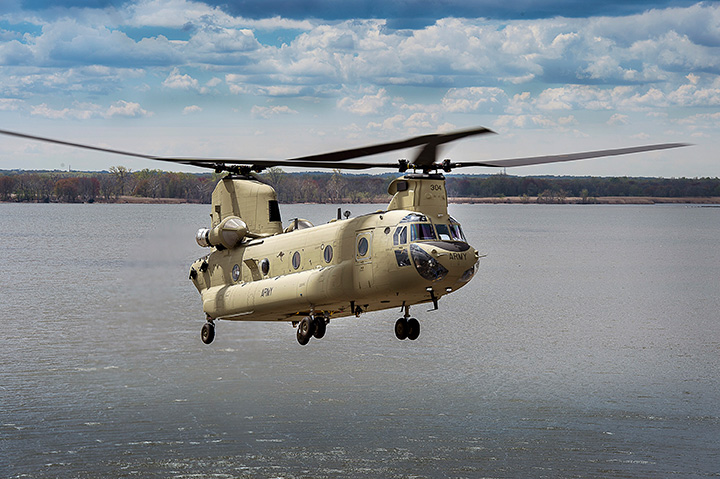
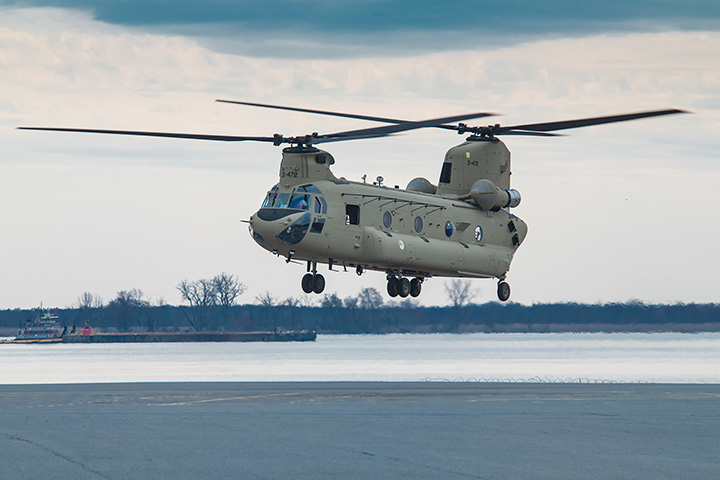
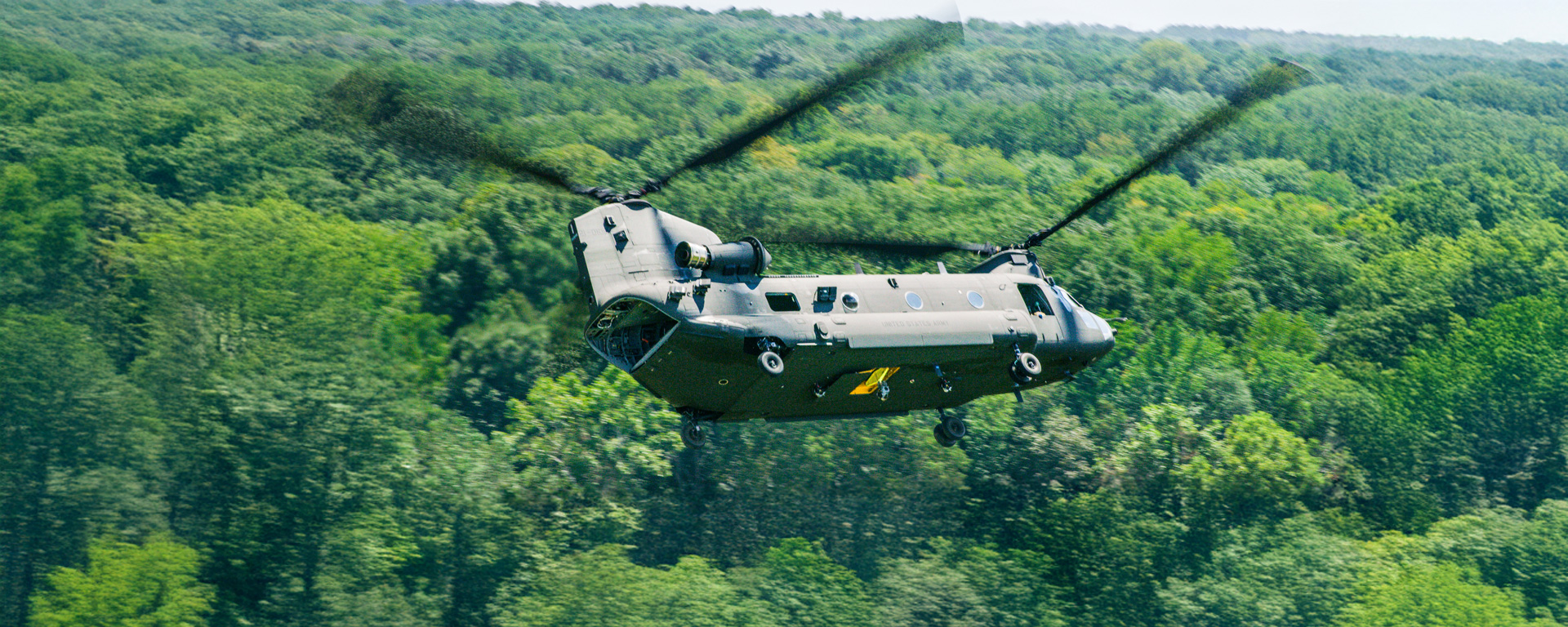
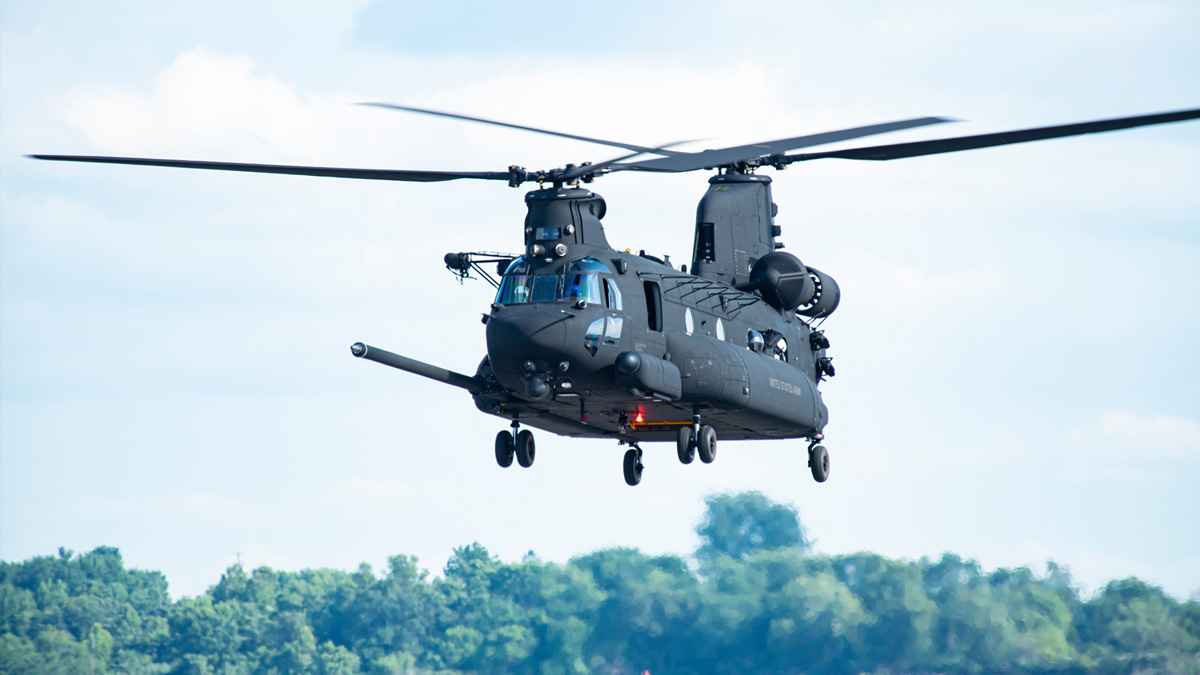
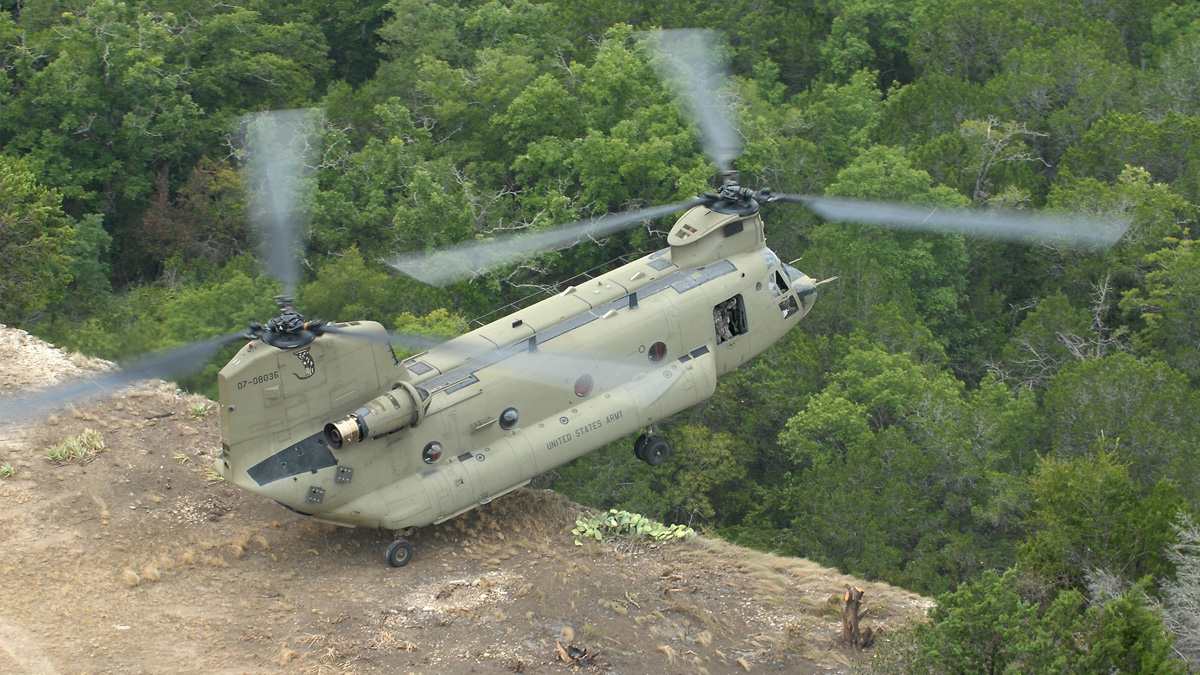
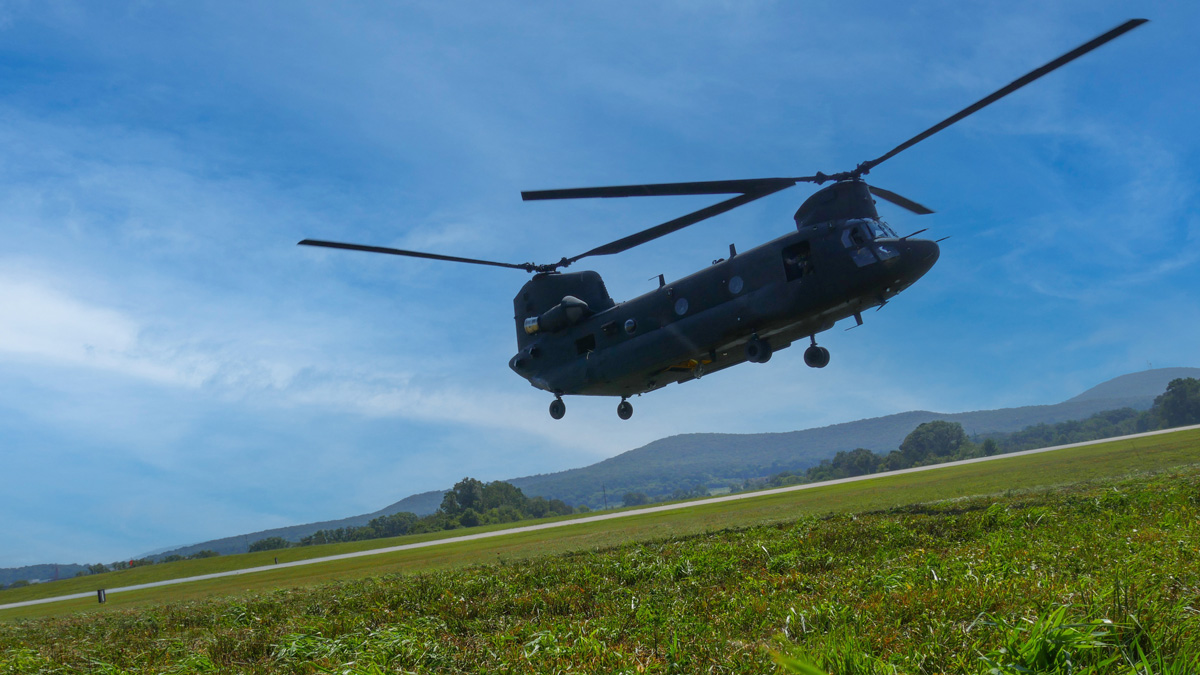
The H-47 Chinook is the heavy-lift helicopter of choice for the U.S. Army and 20 international operators. This tandem rotor workhorse excels in cargo and troop transport, search and rescue, casualty evacuation, special operations and disaster relief. Its unique design delivers stability, agility and rear ramp access on unprepared terrain, plus high-altitude performance up to 20,000 feet.
The Block II modernized Chinook adds a strengthened structure, redesigned fuel tanks, an improved drivetrain and open avionics architecture to increase lift, extend range, and enable future upgrades—keeping the fleet ready now and prepared for decades to come.
Provides increased stability and superior control in windy conditions.
Capable of operations up to 20,000 feet.
Easy rear ramp access without tail rotor clearance limits.
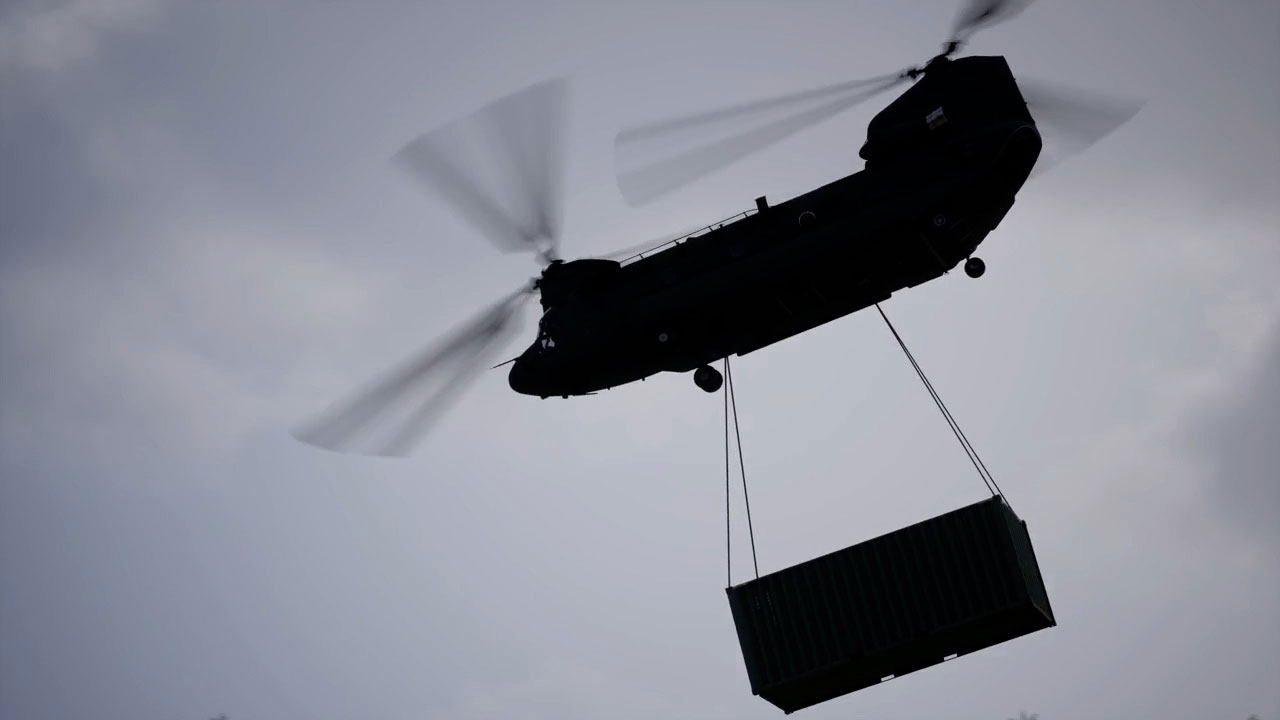
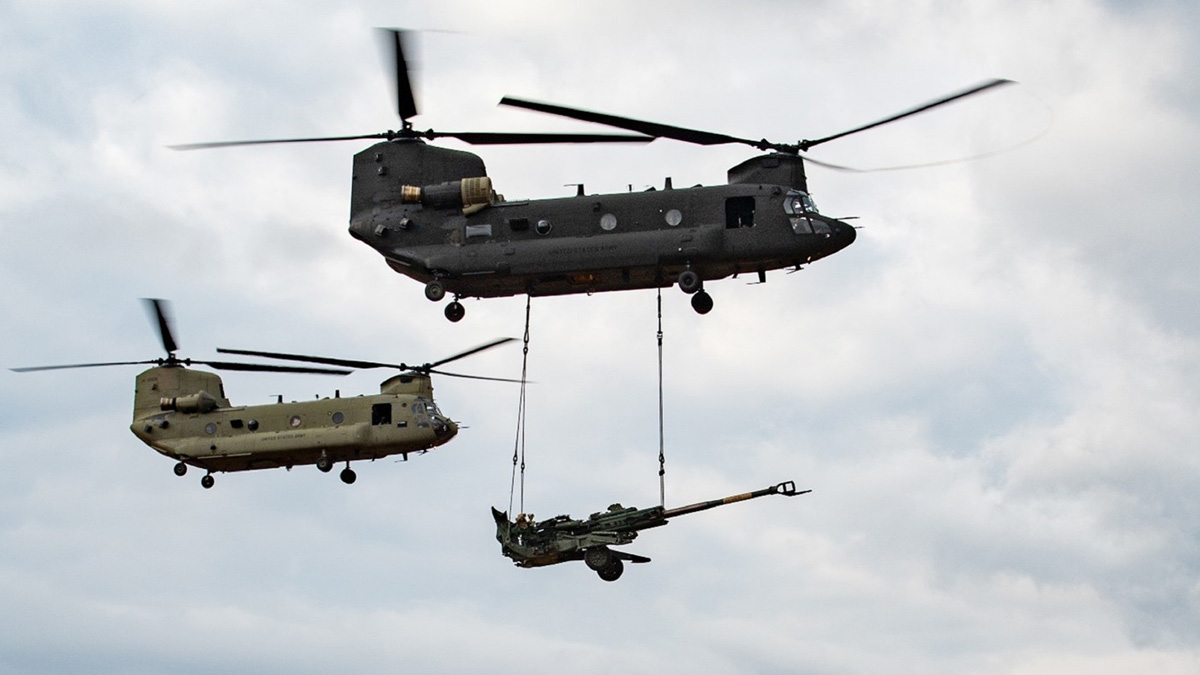
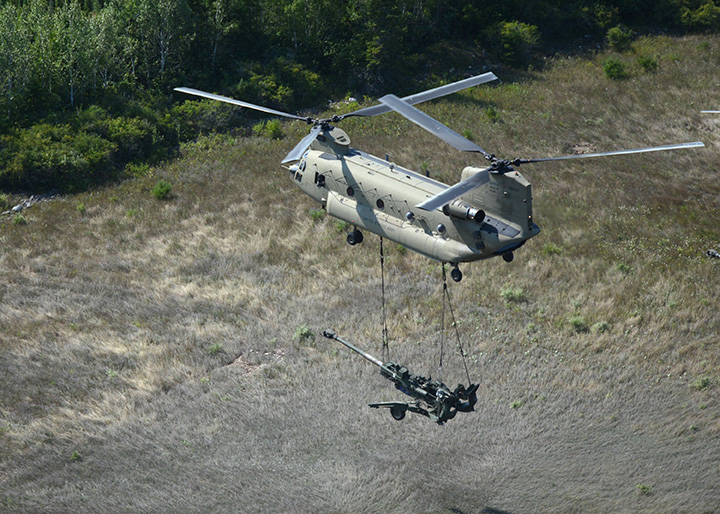
With internal and external load capabilities, and the ability to operate in any weather condition, the Chinook can carry personnel and equipment anywhere.
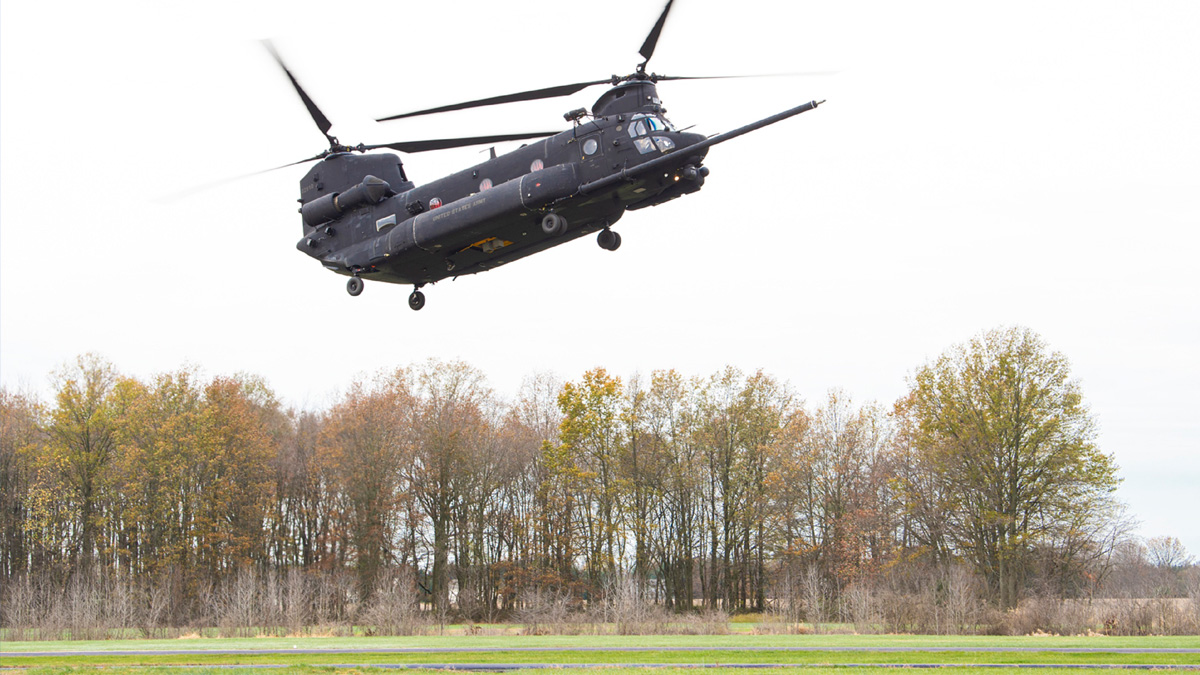
Known for its survivability, transport and infiltration/extraction capabilities, the Chinook supports some of the most daring missions around the globe.
Advanced cargo systems and sustained flight performance let the Chinook carry heavy loads over long distances to support humanitarian and disaster relief efforts.
With extended range fuel tanks and air-to-air refueling capabilities, the Chinook can fly long distances without stopping.
Redesigned fuel tanks, strengthened fuselage and improved drivetrain increases lift and extends range while enabling the structure to accommodate future upgrades.
By sharing major components, customers reduce both production and sustainment expenses, while simplifying logistics support for units in the field.
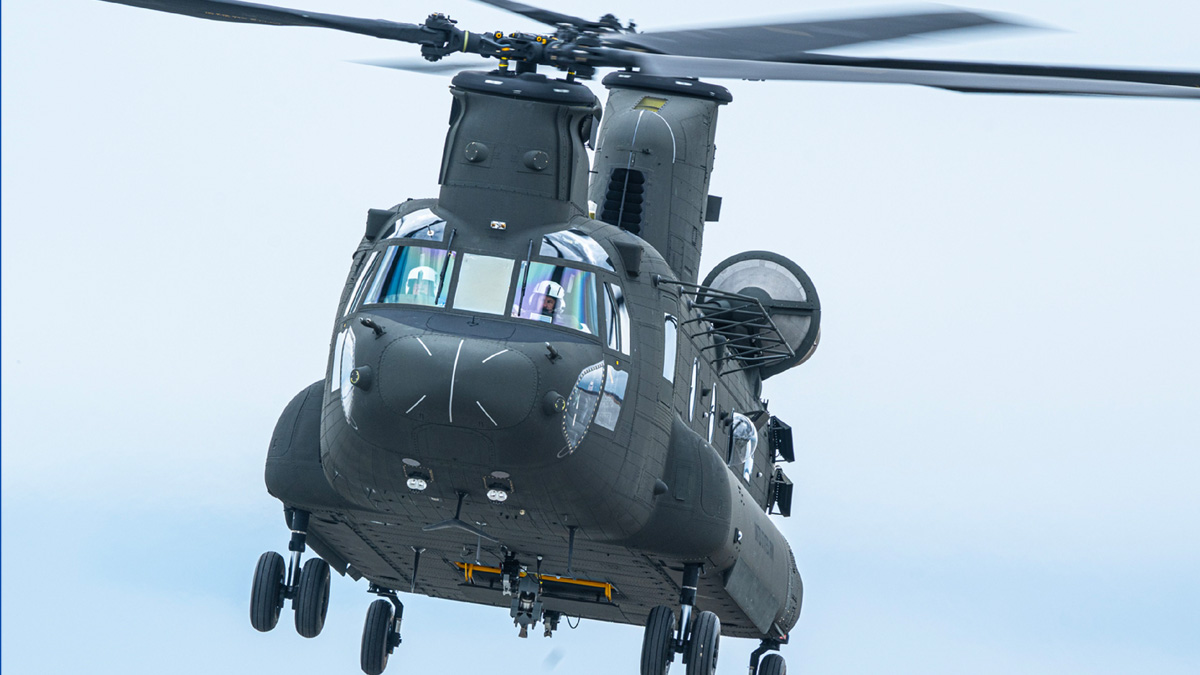
Common Avionics Architecture System cockpit and digital automatic flight control system improve situational awareness and enable mission systems integration.
To improve safety, reduce pilot workload, increase mission effectiveness and reduce training costs, Boeing is investing in capabilities that add layers of autonomy to the aircraft.
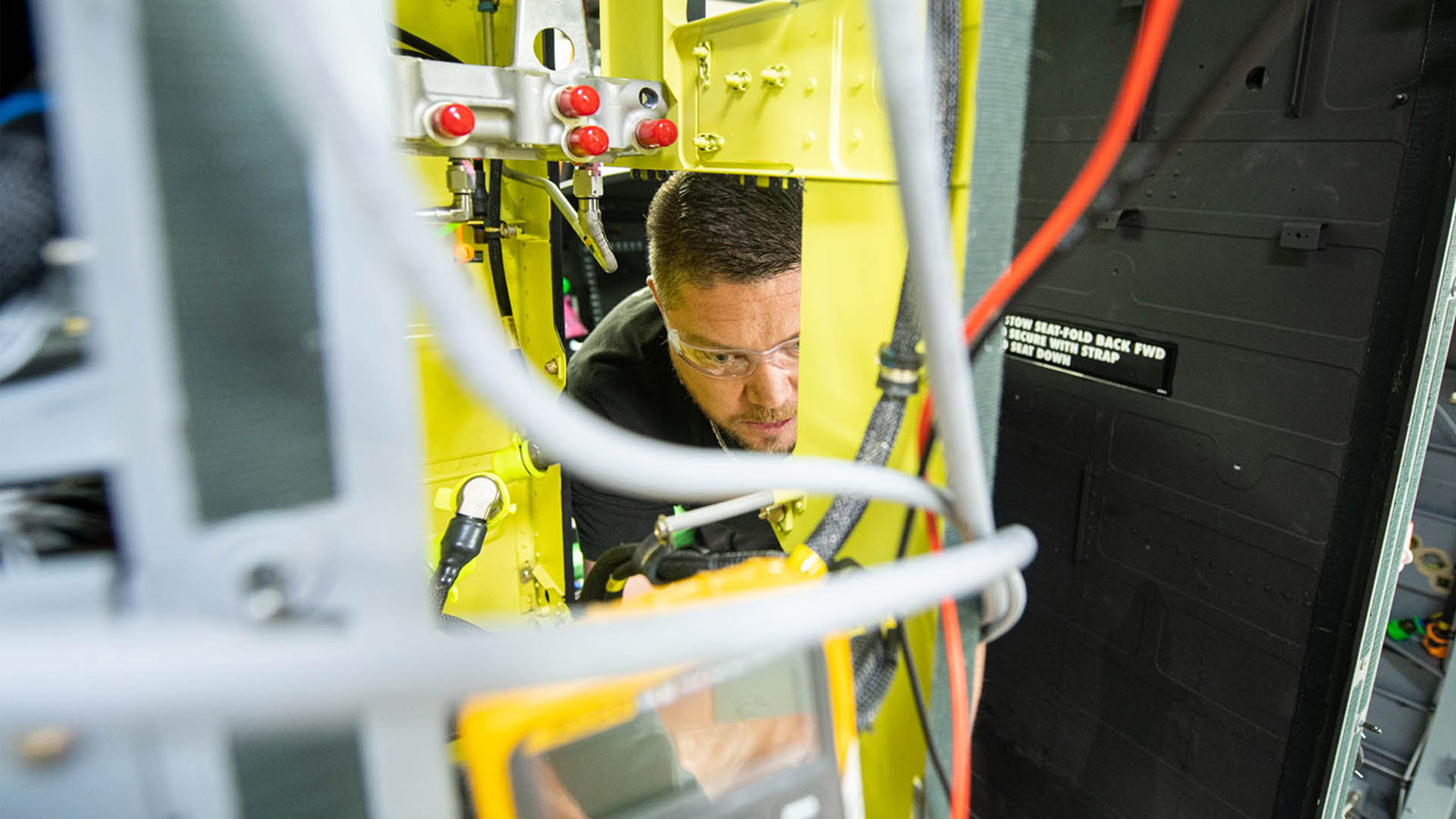
A compilation of improvements eliminates or minimizes unscheduled maintenance.
Rotor Diameter | 60 feet (18.3 meters) |
| Length of Rotors While Folded | 50 feet, 9 inches (15.5 meters) |
Height (Overall) | 18 feet, 7.8 inches (5.7 meters) |
| Static Forward | 7 feet, 6 inches (2.3 meters) |
Fuel Capacity | 1,080 gallons (4,088 liters) |
Maximum Speed | 302 kph (170 KTAS) |
Mission Radius | 306 kilometers (165 nautical miles) |
Max Gross Weight | 54,000 pounds (24,494 kilograms) |
Length of Rotors While Operating | 98 feet, 10.7 inches (30.1 meters) |
| Length of Fuselage | 51 feet, 2 inches (15.6 meters) |
| Fuselage Width | 12 feet, 5 inches (3.8 meters) |
| Idling Forward | 10 feet, 11 inches (3.3 meters) |
Propulsion | Two Honeywell T55-GA-714A engines; 4,777 shaft horsepower (3,562 kilowatts) each |
| Cruise Speed | 291 kph (157 KTAS) |
Service Ceiling | 20,000 feet (6,096 meters) |
| Useful Load | 27,700 pounds (12,565 kilograms) |
United States
Australia
Argentina
Canada
Egypt
Germany
Greece
India
Italy
Japan
Morocco
Netherlands
Saudi Arabia
Singapore
South Korea
Spain
Taiwan
Thailand
Turkey
UAE
United Kingdom



Celebrating lift that never quits.