NASA’s Space Launch System, or SLS, was designed and built by American industry to be a super-heavy-lift, deep space rocket, able to open the solar system and interstellar space to human exploration.
“It was built for distance, for speed and for propelling super-heavy payloads out of Earth’s gravity well to enable sustainable exploration, science and security missions,” said David Burks, Boeing director for Deep Space Global Sales & Marketing, during a recent industry panel.
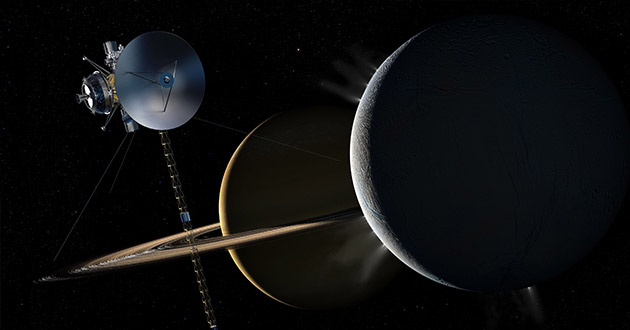
Designed by NASA, Boeing and other prime contractors for direct injection to deep space destinations in a single launch, SLS can send missions to Jupiter in only 2½ years, accelerating a 2-ton spacecraft to 63 kilometers per second.
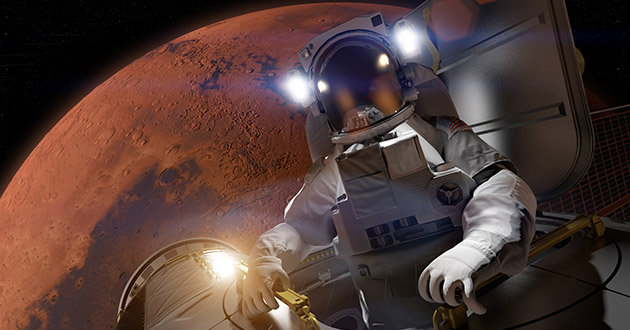
“That’s over 140,000 mph [225,308 kph] — 100 times the speed of a high-velocity rifle bullet,” Burks said. “That’s critical to uncrewed missions to the outer planets as well as crewed travel to the moon or Mars, because the difference in distance between low Earth orbit and a trip to the moon is the same relative difference between a drive across town and a trip from Los Angeles to New York. Getting there faster and with fewer in-space maneuvers is the safest way to go.”
As the only rocket capable of sending a 27-metric ton Orion spacecraft and service module to cislunar space, SLS will launch America’s deep space exploration program with an uncrewed Artemis mission. NASA’s lunar program will open up a range of new orbits and trajectories, carrying co-manifested payloads up to 10 tons (9.1 metric tons), in addition to smaller secondary payloads.