“The ocean has always been right there. It’s always been a part of our lives,” Williams said. “You get up in the morning and go for a run, and the sun is rising. It’s just amazing. Being in and around the water feels like home.”
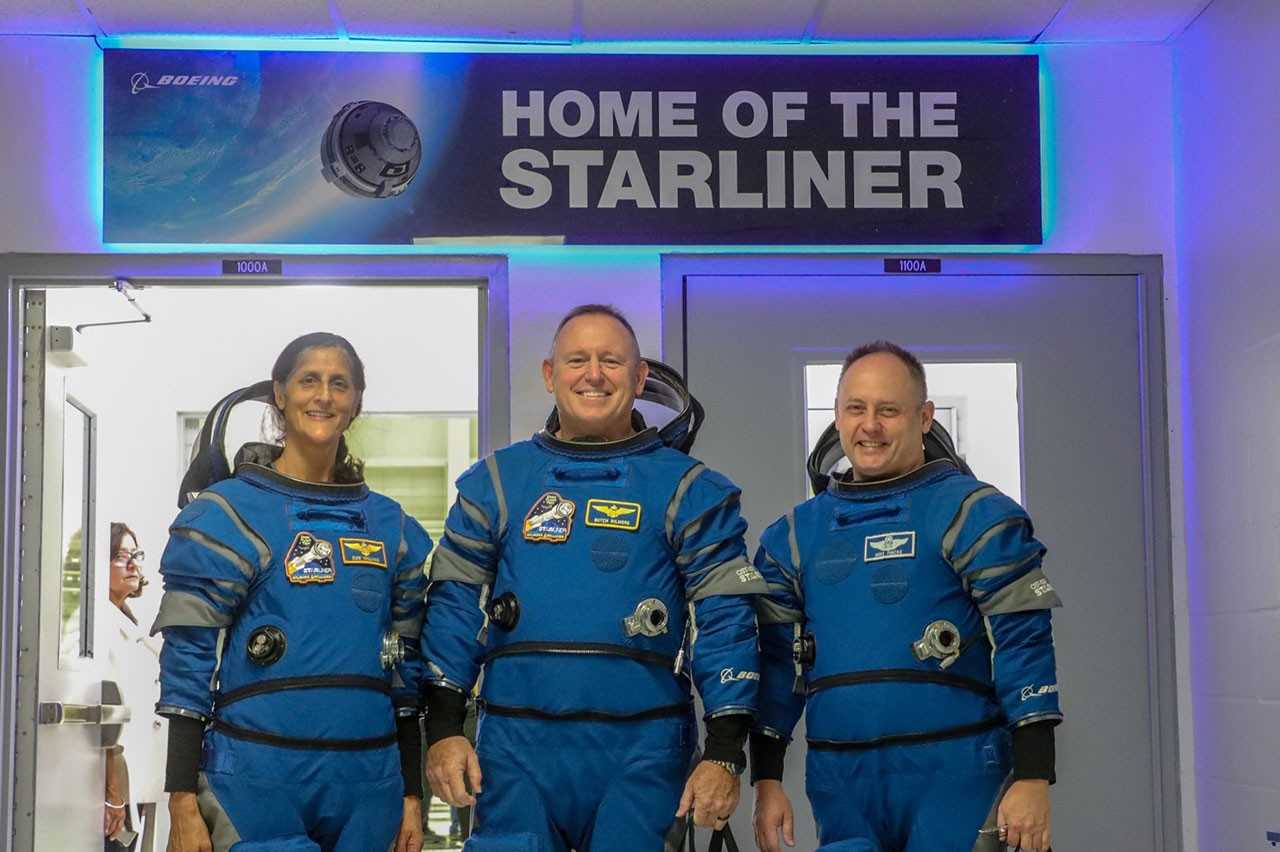
She has carried that love to the Starliner program, having named the spacecraft she will be flying in Calypso at the landing of the first Orbital Flight Test in 2019. The name and parts of the Crew Flight Test patch worn on the astronauts’ spacesuits highlight the role of the spacecraft as the gateway to doing research off the planet, as Jacques Cousteau’s research vessel Calypso did on the planet.
By returning to space, Williams, who is of Indian and Slovenian descent, also wanted to give her teenage niece and nephew, who are from India, an opportunity to see a launch up close and experience the possibilities of space exploration through her experience.
“I wanted two kids who never in their wildest imaginations would have thought when they were growing up in India that they’d see a rocket launch. To share that experience will be priceless,” Williams said.
Spending time with family is most important to her. Williams and her husband, Michael, enjoy time together doing projects around the house and working on cars. Both are pilots and have a Super Cub aircraft, which they work on and fly.
They also have two chickens, Lilo and Cheekie, from fellow astronaut Frank Rubio’s farm. “I like learning about animals. I get that from my mom,” Williams said. “I’m fascinated by their different personalities. The chickens are supercool to observe and watch. They are inquisitive and they are demanding.”
NASA astronaut Mike Fincke
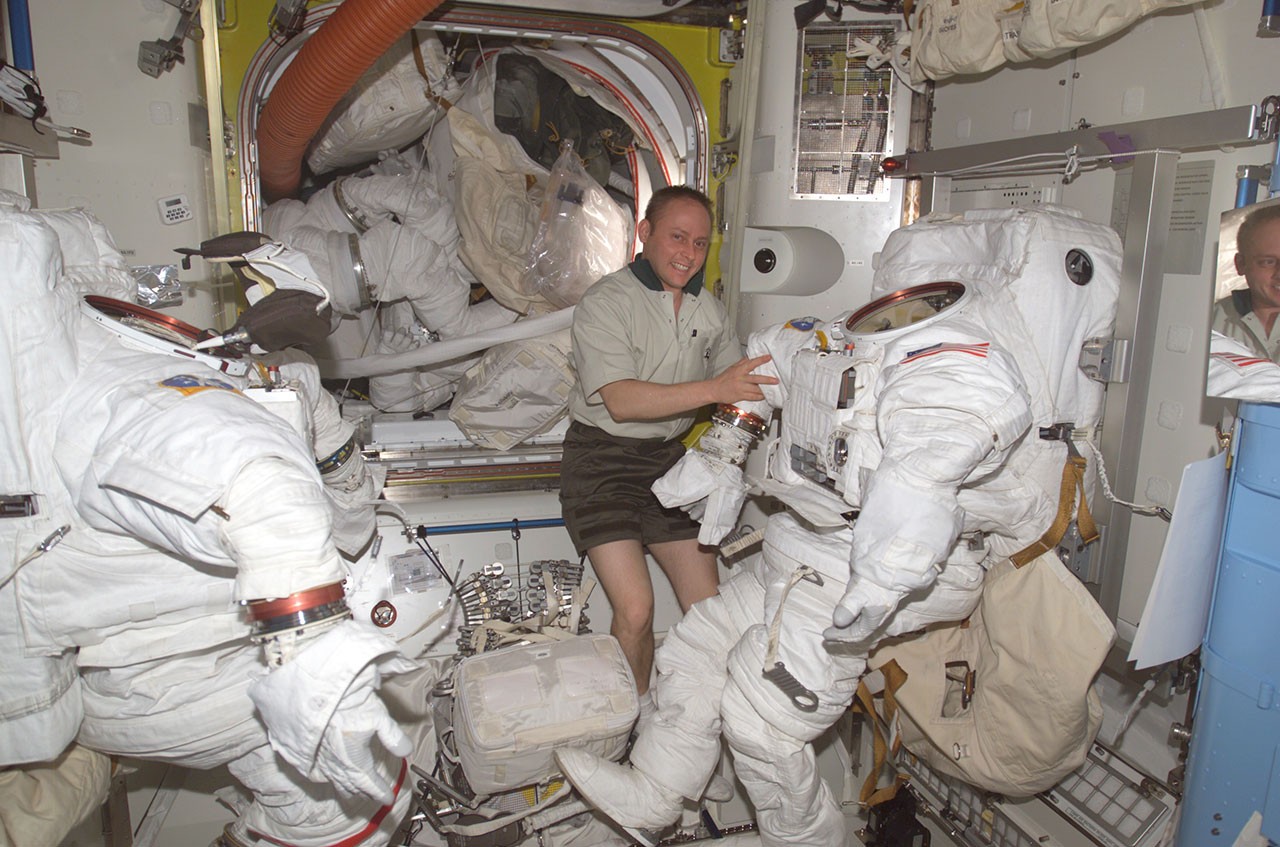
NASA astronaut Mike Fincke, a retired U.S. Air Force colonel, has been on three previous spaceflights, including the second-to-last shuttle mission in 2011 and final flight of Space Shuttle Endeavour. Having logged more than a year on orbit with nine spacewalks, he too set records, including the American record at that time for the most time in space.
The Pennsylvania native goes by the nickname “Spanky,” based on the character from “The Little Rascals” television show who was outspoken and a youthful leader.
Since Fincke was the youngest in his Air Force Test Pilot School class and many other call signs had been taken, his classmates gave him the nickname.
“I thought I would have outgrown it, but when I moved to NASA, it turns out I was also the youngest person in astronaut class, so the name stuck,” Fincke said.
During his military experience, he was a flight-test engineer at Edwards and Eglin Air Force bases, flying in F-15 and F-16 aircraft, and later was the United States flight-test liaison to the Japan-United States XF-2 fighter program. He is conversant in Japanese and Russian, having launched aboard the Soyuz twice. He enjoys learning new languages.
Outside of NASA, Fincke enjoys spending time with his wife, Renita, and three children and traveling. With a son and daughter in college and another teenage daughter, Fincke spends his free time in a lot of activities ranging from sports to science fairs to scouting.
He’s been a Scout leader with his son and on Scout committees with his daughters. His son and oldest daughter are both Eagle Scouts, and the youngest is on her way.
“My wife and I have been working hard raising our kids and doing all the fun things, the joys of being a parent,” said Fincke, whose second child was born while he was in space.
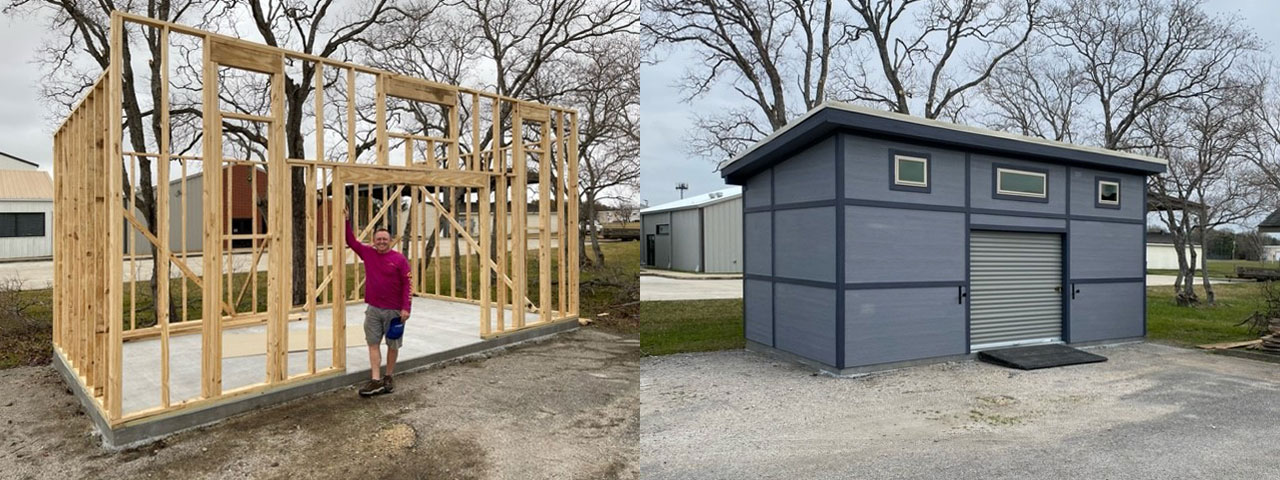
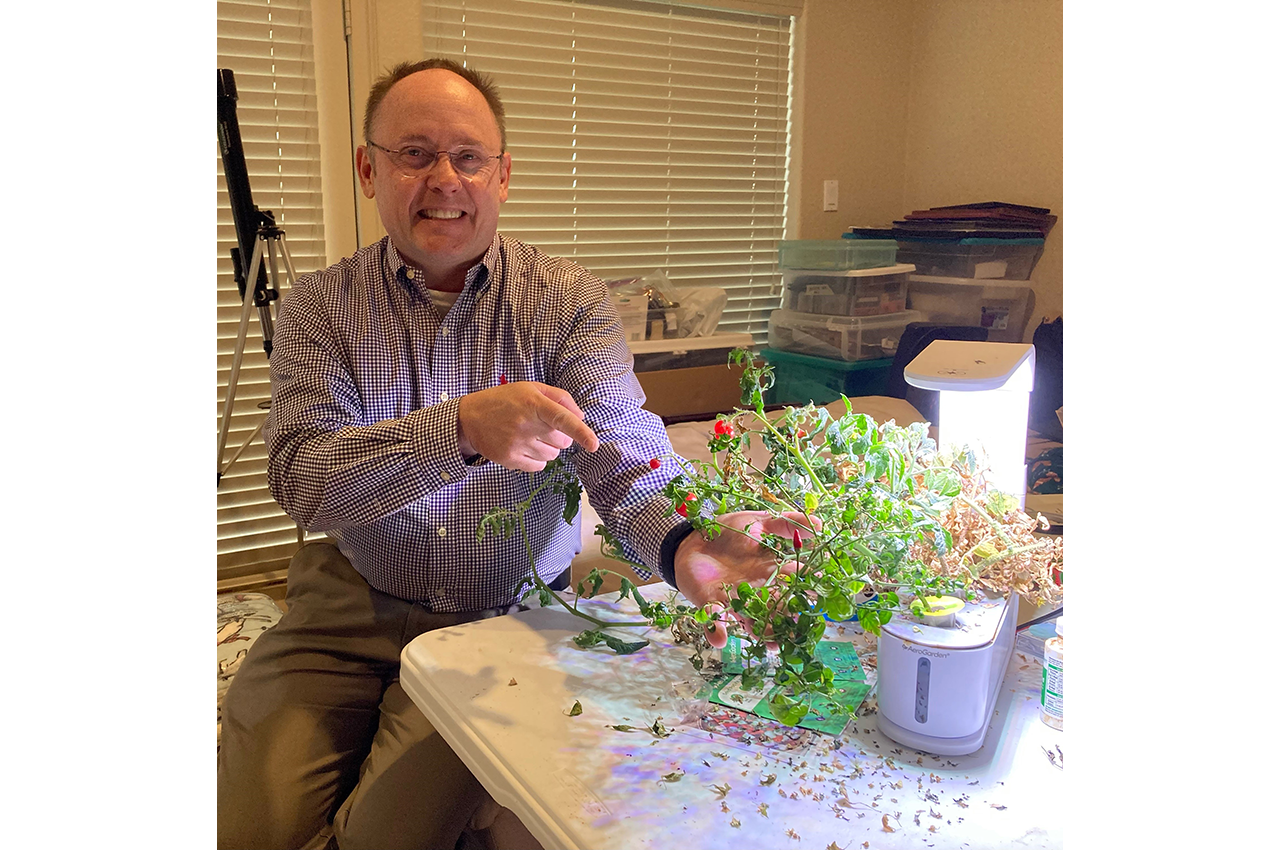
When he’s not involved in family activities, he reads science fiction or works in a small science lab in his home. He’s learning to make things out of lunar regolith, or lunar soil. The finely ground dust is simulated using the same chemicals and properties found on the moon. He has grown plants and is still learning how to extract aluminum.
“It’s fun to make something new and to see how things work,” Fincke said. “A lot of our job is meetings, so it’s nice to do things with your hands and make something.”