A dream to operate
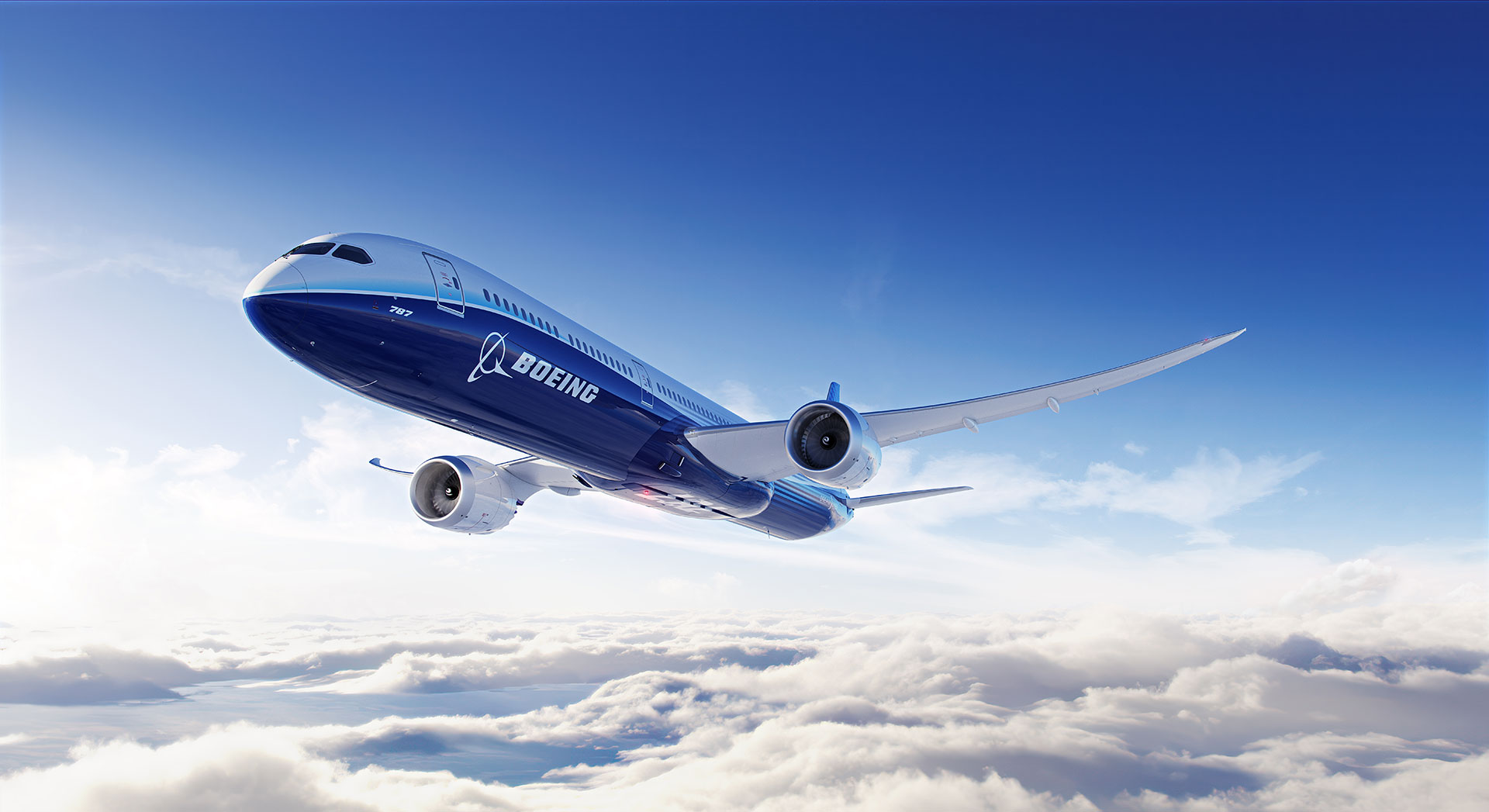
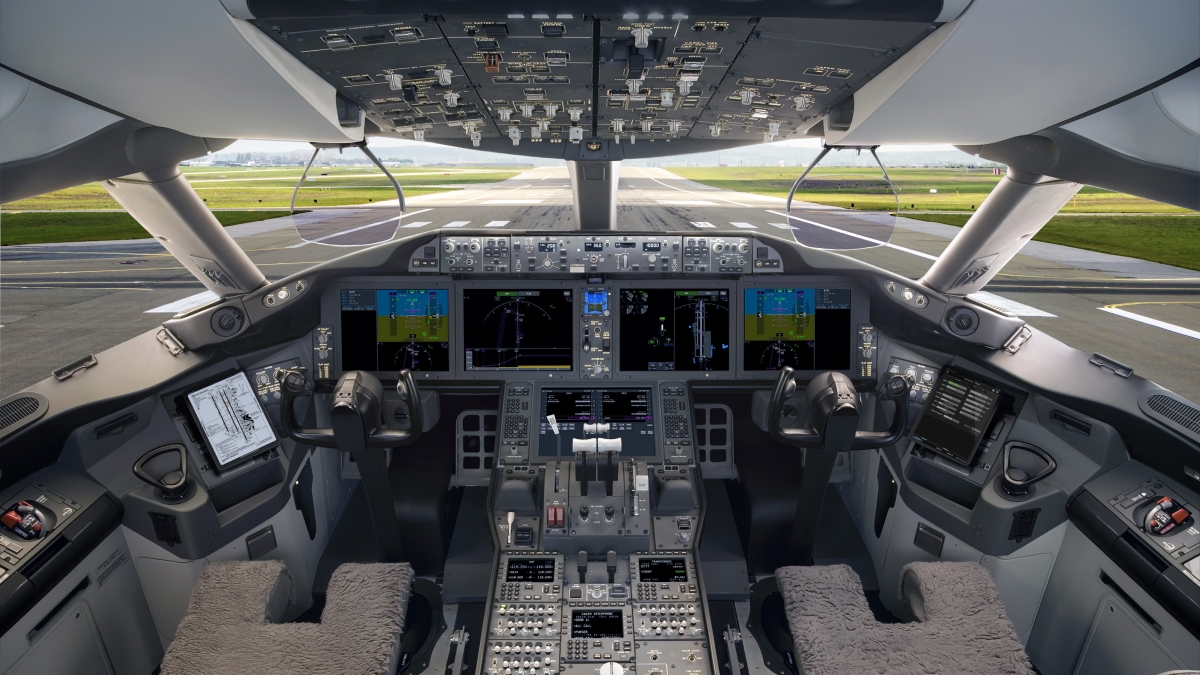
The 787 features advanced aerodynamics, more efficient engines and more electric systems to optimize performance. Combined with the use of carbon-fiber composites in the 787 structure, these design decisions translate to lower fuel usage and reduced maintenance costs as well as longer range and greater route flexibility for airlines. Composites also resist corrosion better than aluminum and do not fatigue, which reduces inspection requirements and downtime and helps airlines keep the airplane flying more often and more profitably.
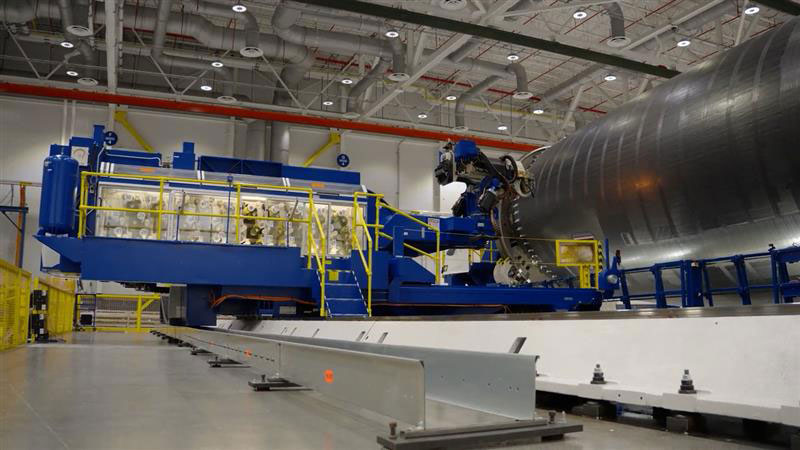
With an airframe composed of about 50% composites by weight, the 787 weighs less than traditional metal airplanes — meaning less fuel to lift, cruise, climb and maneuver. This helps airlines achieve a 25% reduction in fuel use compared to the airplanes the 787 typically replaces.
A dream to experience
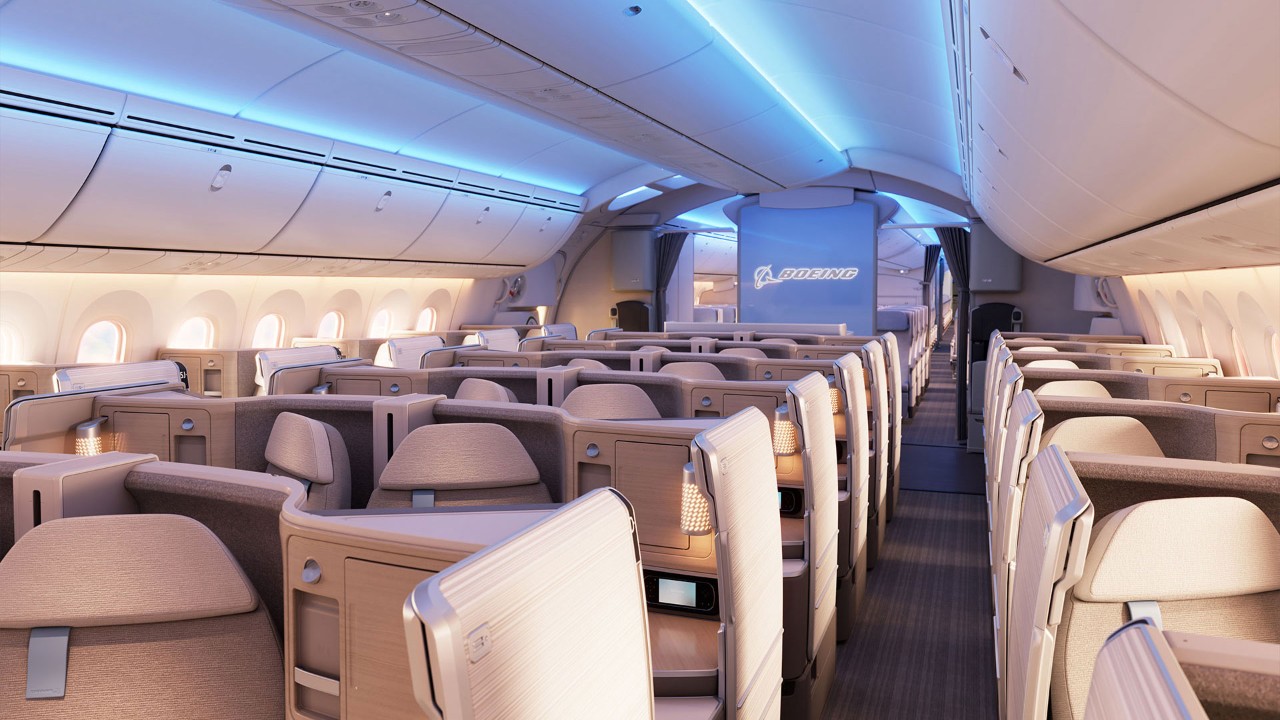
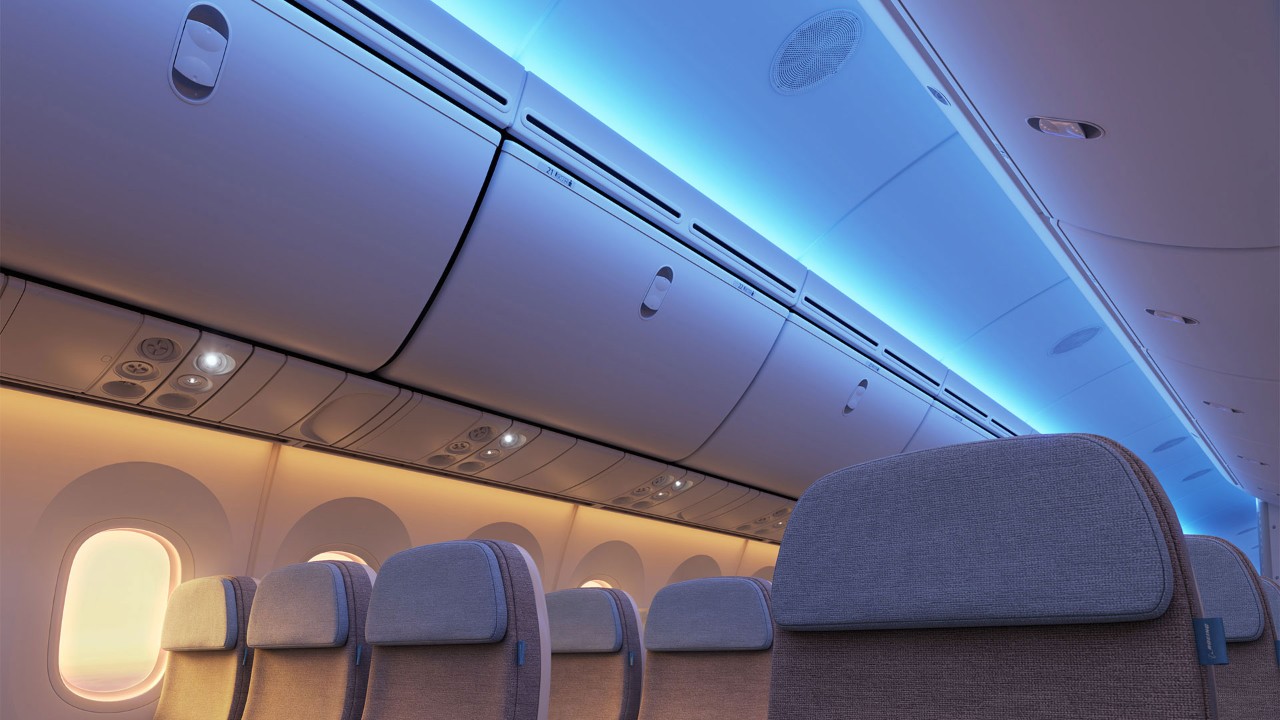
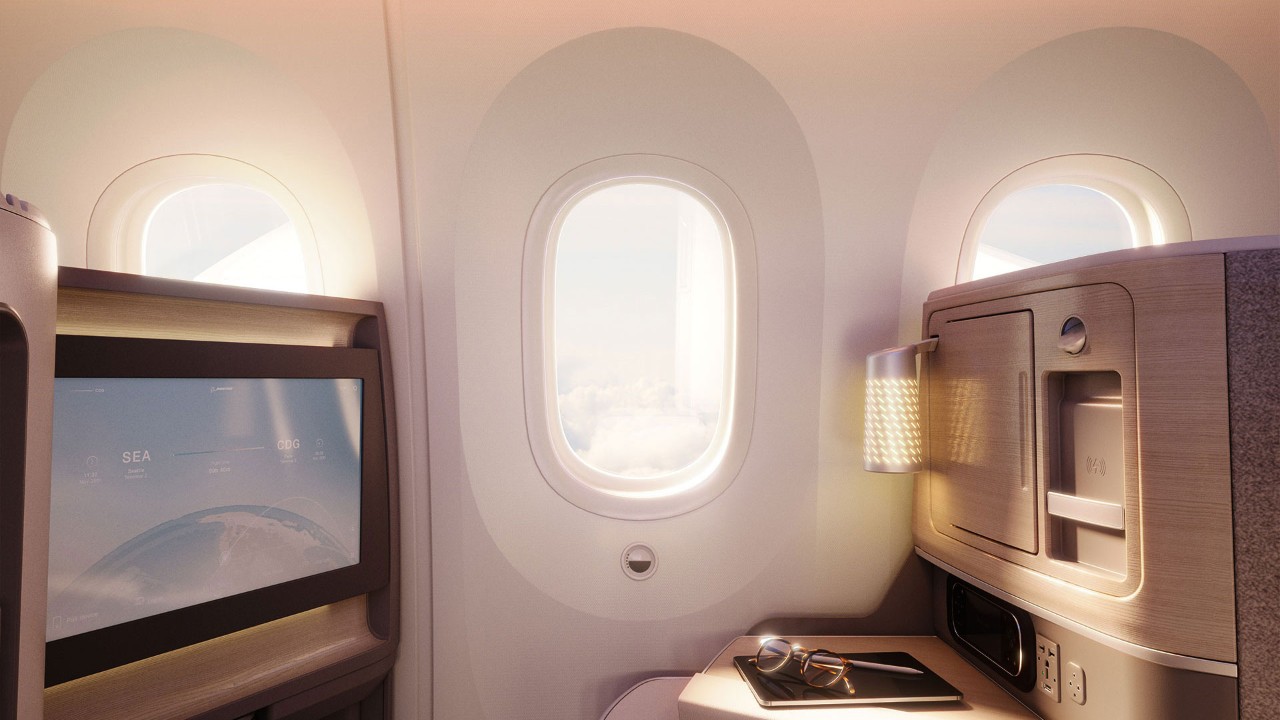
Boeing created a better flying experience with its 787 Dreamliner family by combining its unique understanding of how the human body reacts to flight conditions and how emerging technologies can improve those conditions


The widebody that changes what’s possible
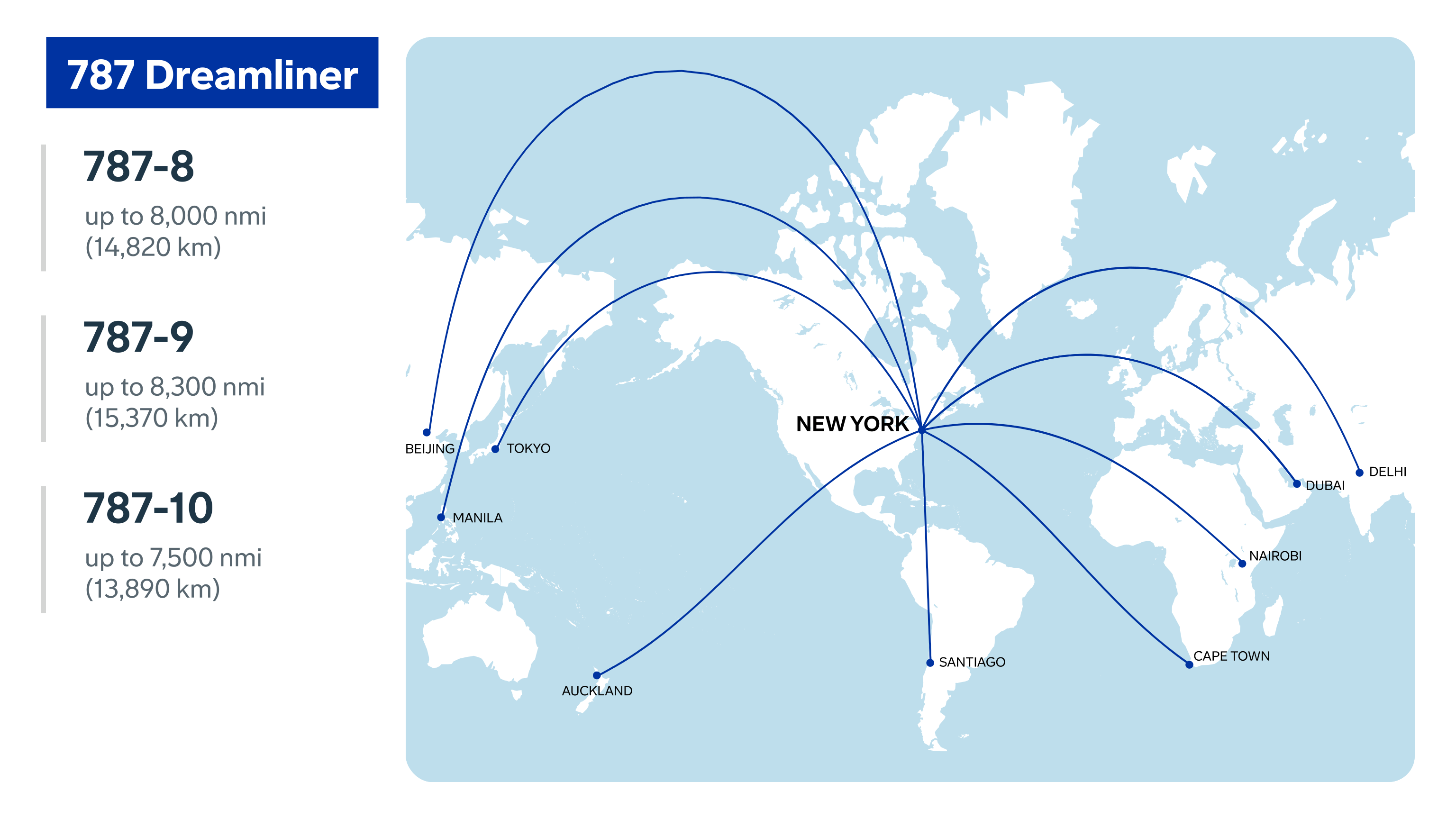
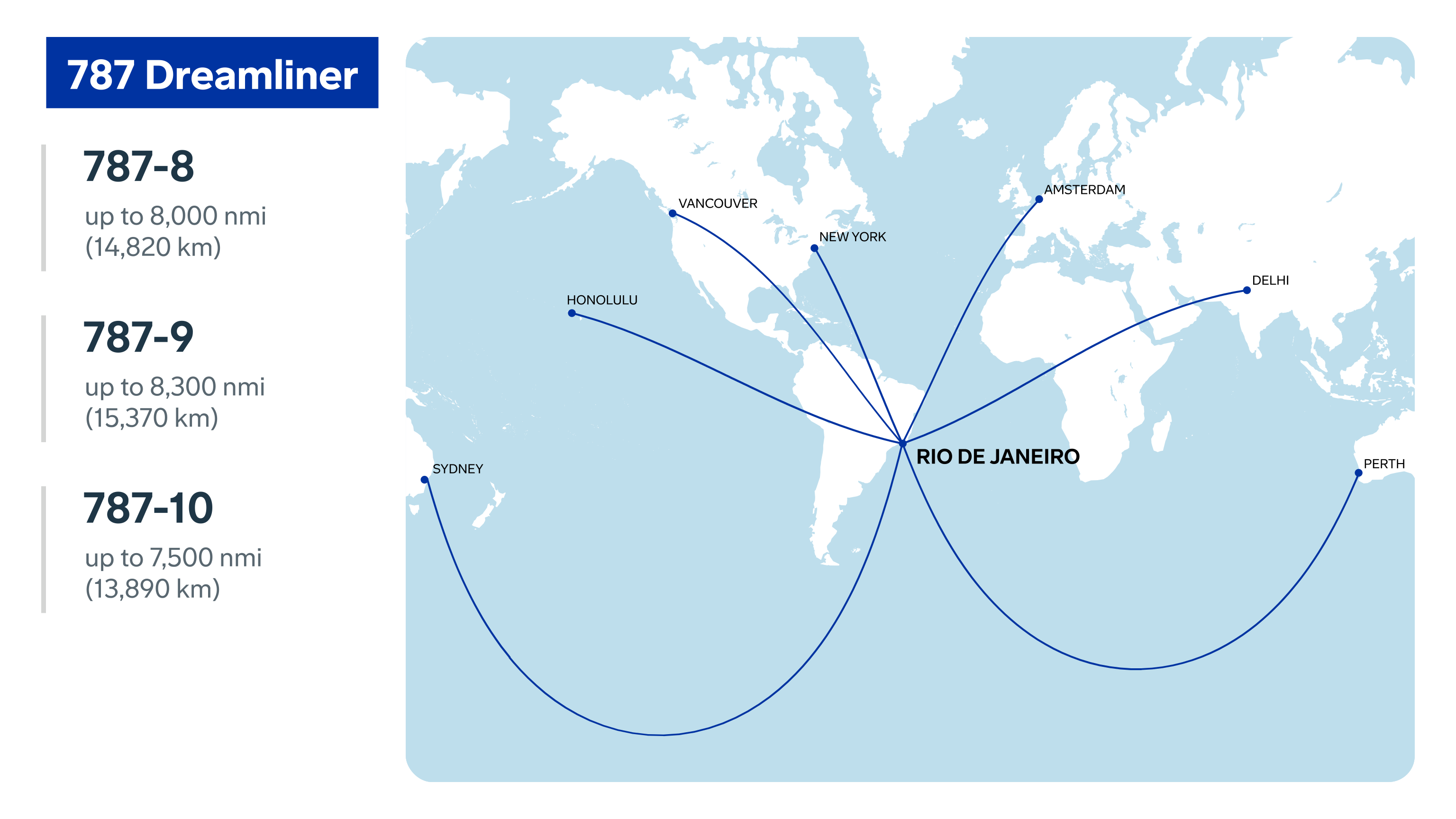
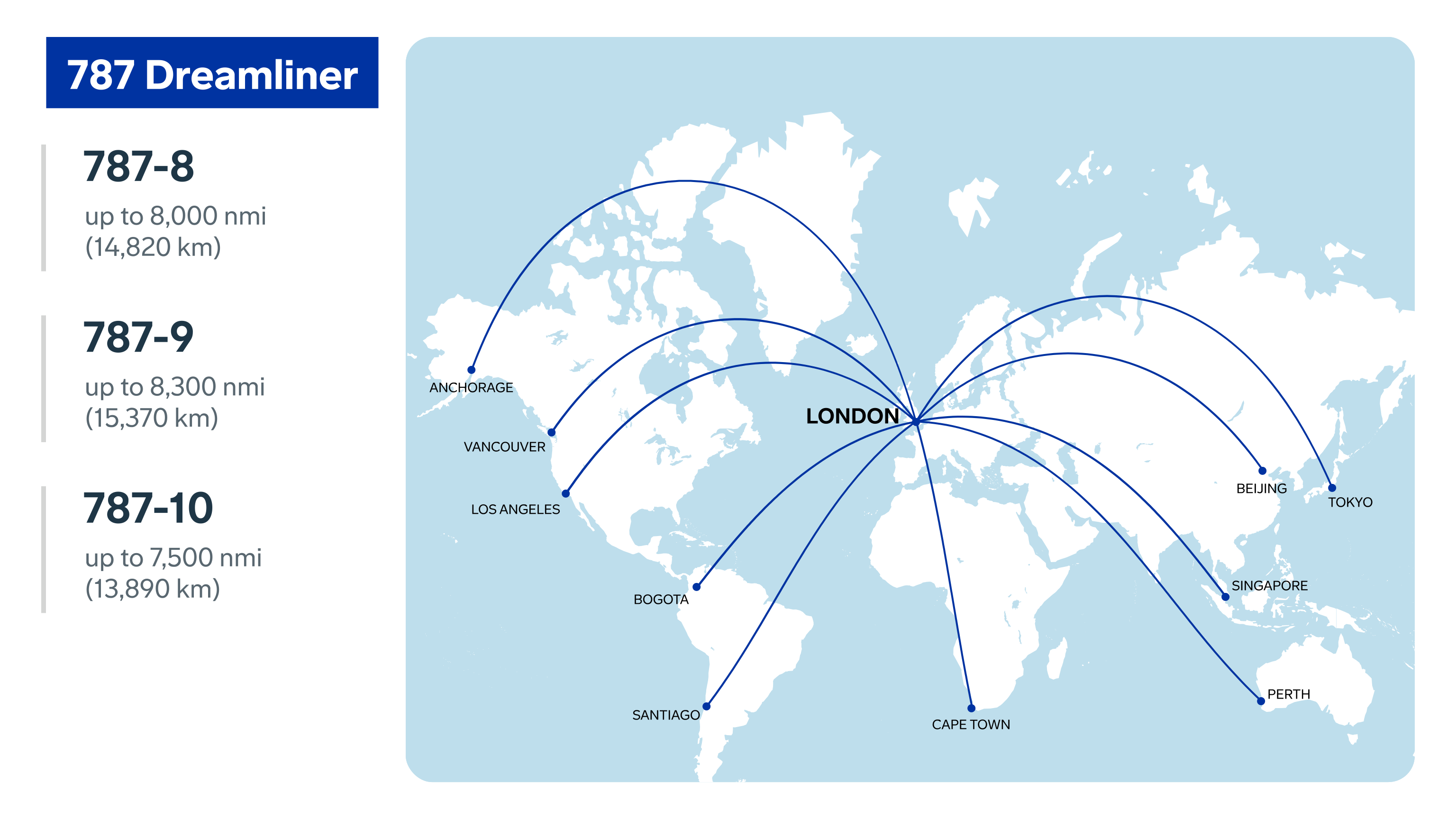
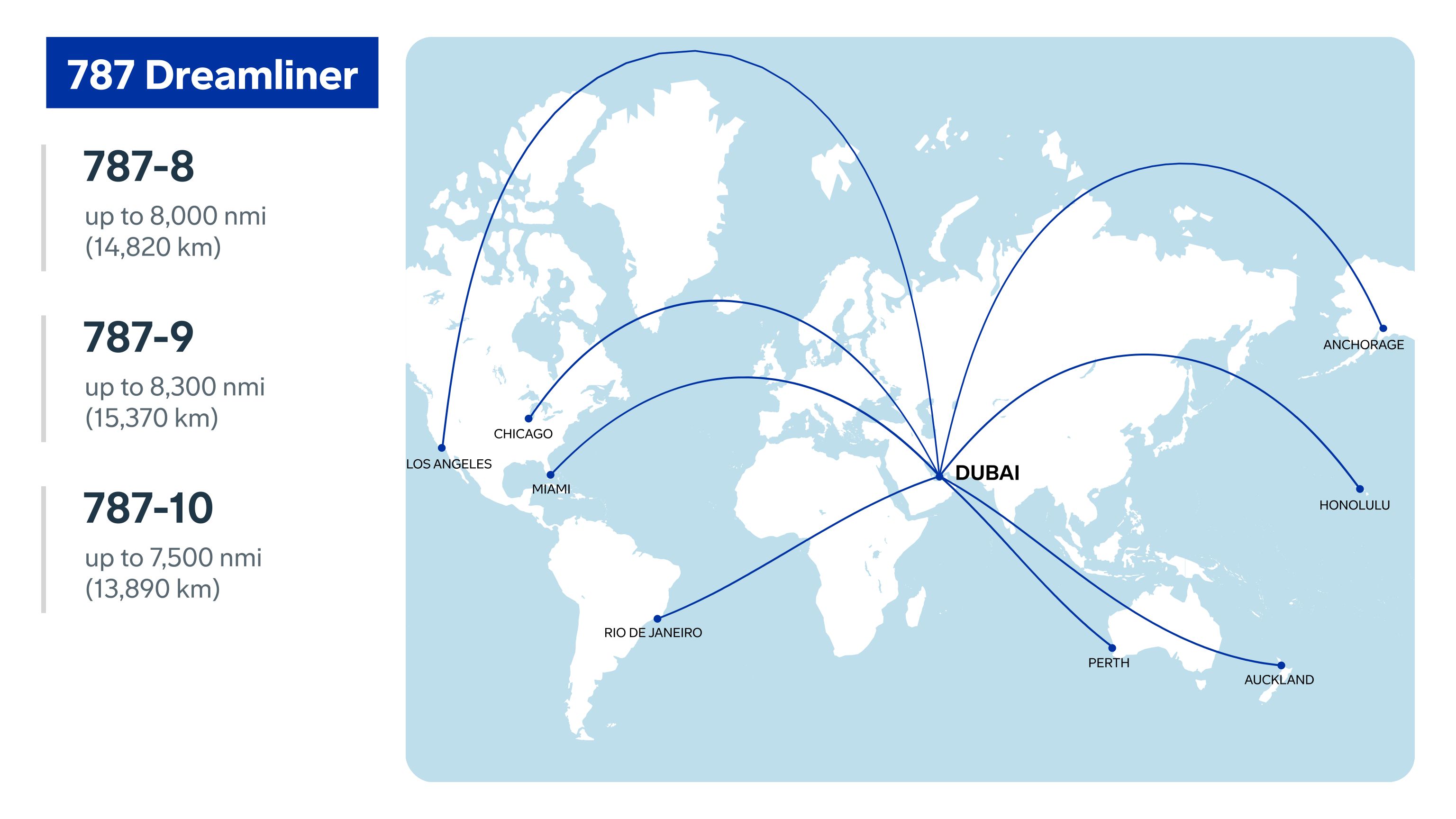
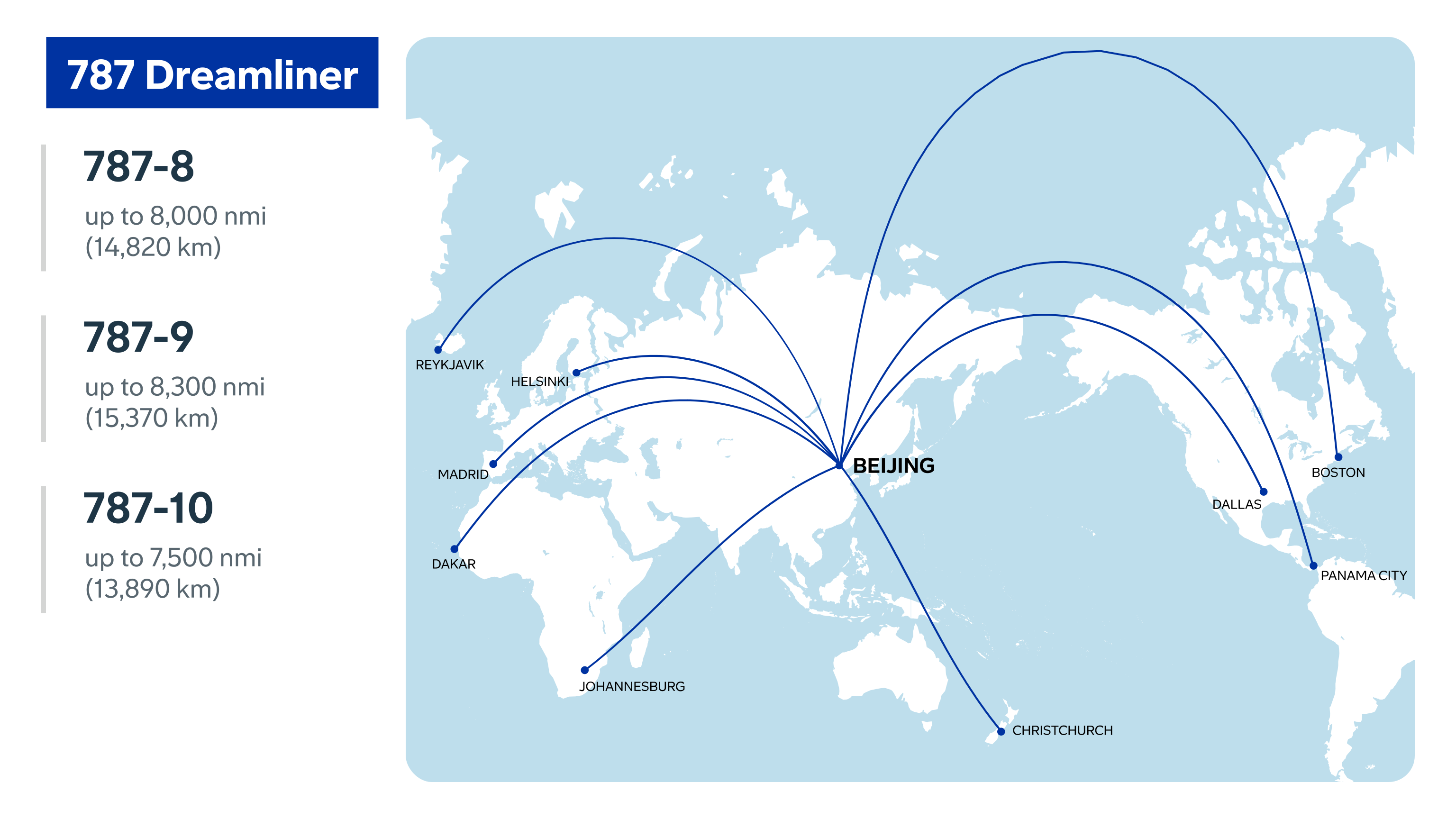
The 787 has redefined long-haul travel by unlocking hundreds of new nonstop routes and connecting more cities than ever before. Pairing widebody comfort with mid-size economics, the 787 gives airlines the flexibility to open new markets, optimize networks and bring people and places closer together.