The people behind the innovations
The work we do changes the world, and our engineers are at the forefront of driving innovation across our products and services.

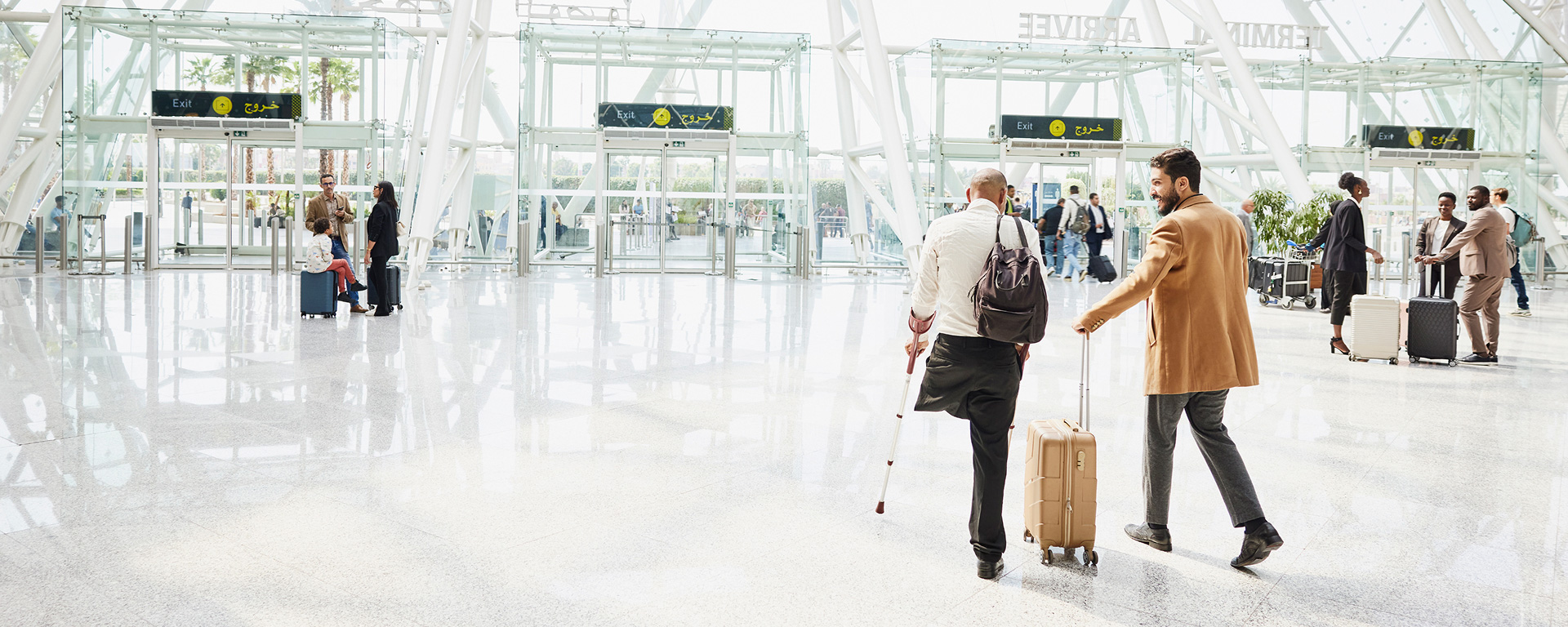
With its rich history of aviation innovation, Boeing is dedicated to meeting the needs of our employees, customers and their passengers. Our commitment to collaboration with industry partners and the community of passengers with disabilities is at the core of our accessibility development efforts. Together, we’re exploring interior concepts and design solutions that aim to enhance accessibility and inclusivity.
We design with people with disabilities, not just for them. Our inclusive systems engineering approach allows us to build systems that can provide a better travel experience.
Inclusive systems engineering means we:
This approach allows us to create products that are effective for people with diverse needs and abilities.
Boeing is conducting a multiyear research study to understand air travel from the perspective of passengers with disabilities. We’ve already worked with more than 100 people with a variety of disabilities through fly-along observations, personal interviews and co-creation workshops. These insights directly inform our design efforts.
We partner with organizations that champion accessibility and inclusion, including The Lighthouse for the Blind, a manufacturer that employs machinists who are blind and DeafBlind; the Invictus Games, supporting wounded, injured and sick servicemen and women around the world; and Special Olympics of Washington, providing sports training and athletic competition for people with intellectual and developmental disabilities.
Boeing is actively engaged in industry organizations and initiatives focused on improving aviation accessibility, such as:
Boeing sponsors and presents at events focused on improving aviation accessibility, including the Aircraft Interiors Expo & Passenger Experience Conference, Open Doors Organization Universal Access in Aviation, All Wheels Up Global Forum on Accessible Air Travel and RedCabin Aircraft Cabin Innovation Summit.
We are proud to be on the 2025 Best Places to Work for Disability Inclusion list and have received a score of 100 on Disability:IN’s Disability Equality Index for 10 consecutive years.
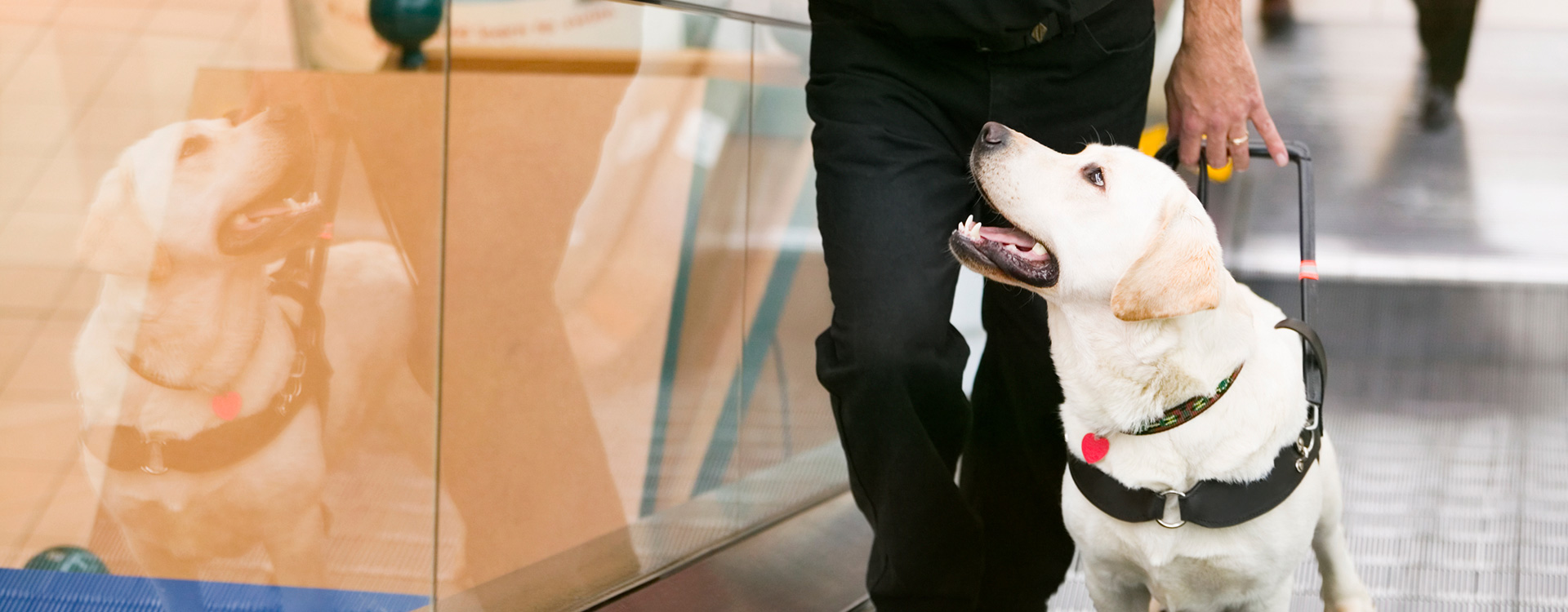
Boeing is developing solutions for people with disabilities. Our research started with understanding the experiences of five disability focus areas: wheelchair, low mobility, deaf and hard of hearing, blind and low vision, and neurodivergent.



Boeing is developing solutions for people with disabilities. Using inclusive systems engineering, we’ve rethought how accessibility has been approached in the past. Instead of asking people to adapt to existing systems, we’re developing solutions that fit their needs, recognizing that disabilities exist on a spectrum and often intersect, and creating unique experiences for each person. Here’s a look at just some of the concepts we are exploring.
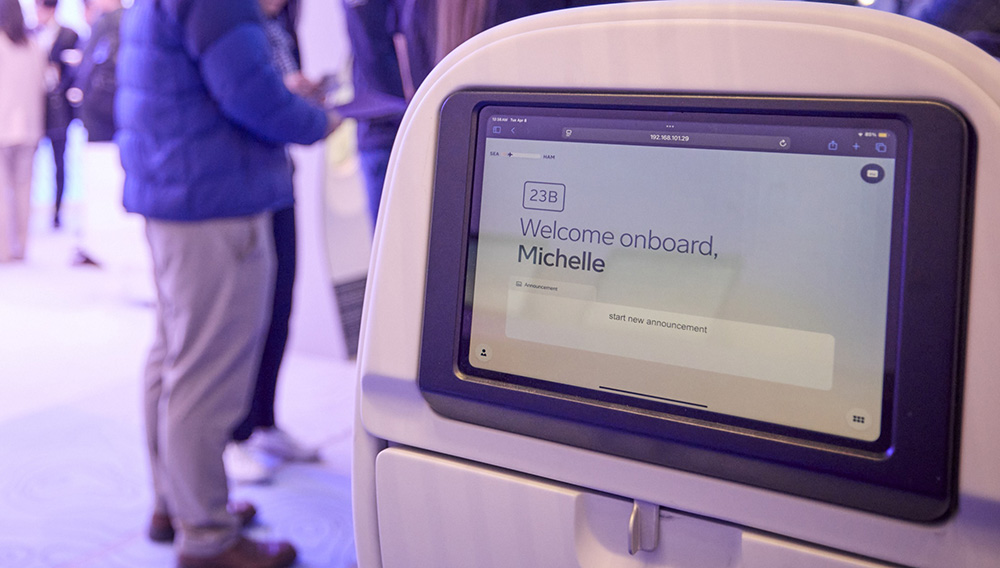
Onboard speech-to-text transcription is a concept in development designed for deaf and hard of hearing passengers. It uses artificial intelligence to display captions of cabin announcements in nearly real time, even without an internet connection.
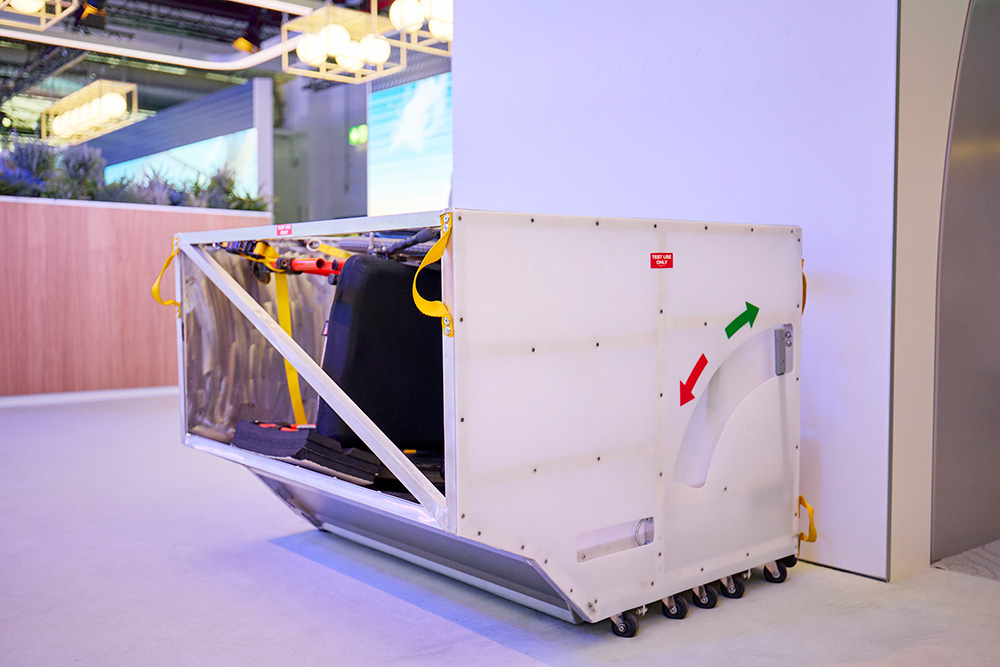
The high-value cargo container is in development to more safely transport wheelchairs and other assistive devices, protecting them during handling and flight to give passengers greater confidence that their equipment will arrive safely.
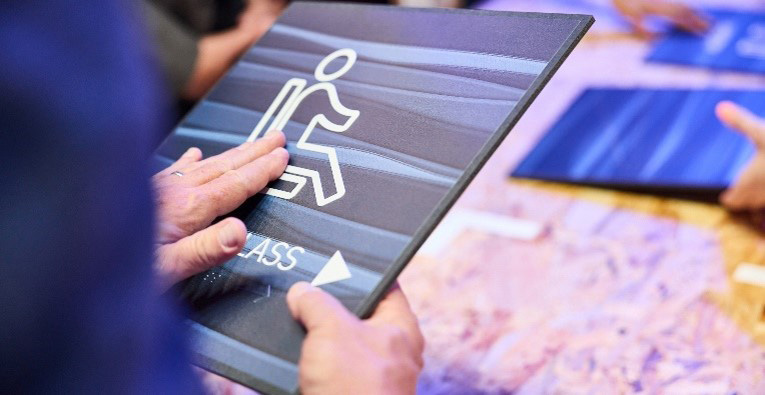
Tactile placards and high-contrast iconography are in development for blind and low vision passengers, with research focused on optimal cabin placement and universal icon comprehension.
We use our accessible design principles and heuristics developed through a multiyear research study. These resources drive our innovation and set our standards.

The work we do changes the world, and our engineers are at the forefront of driving innovation across our products and services.