
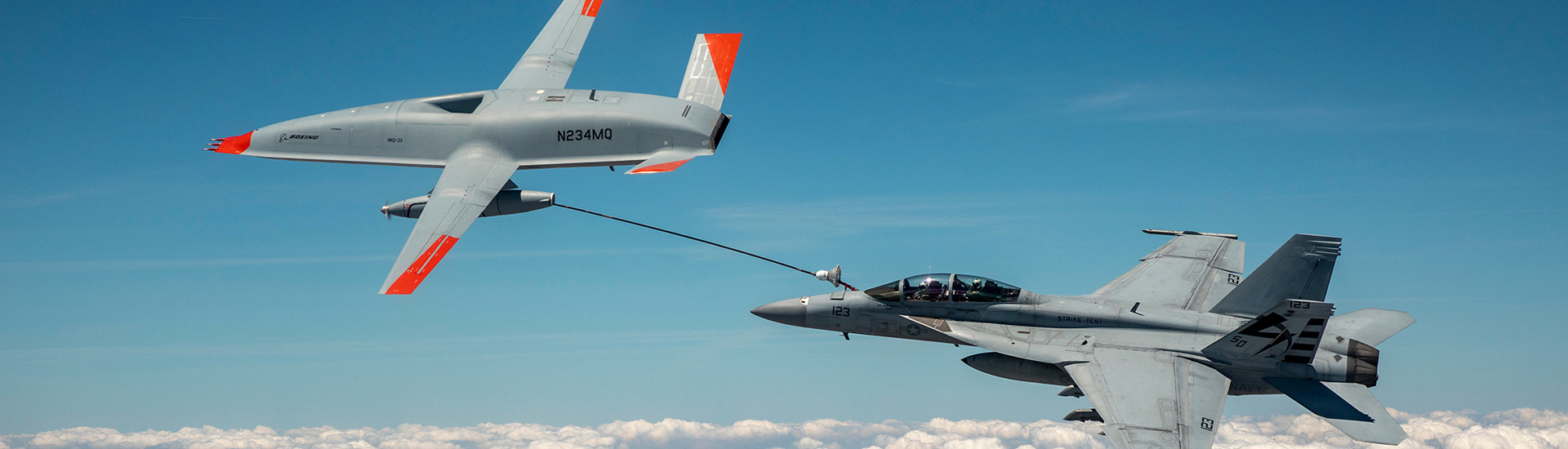
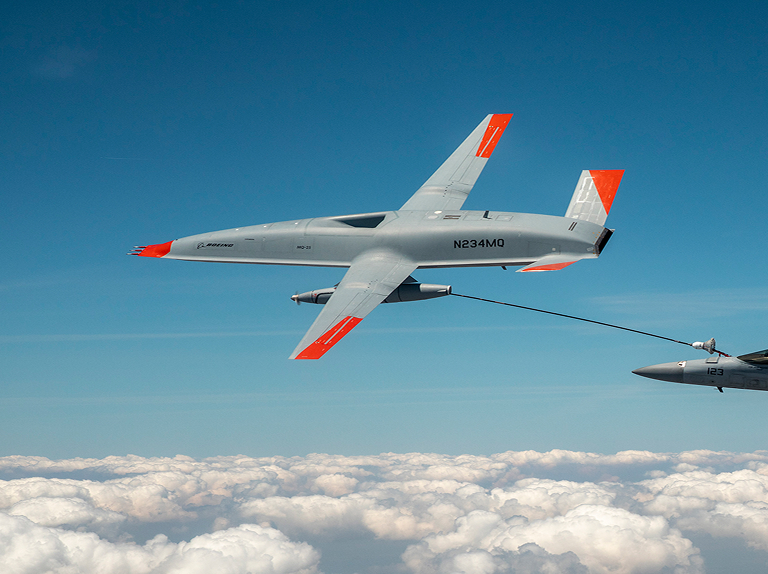
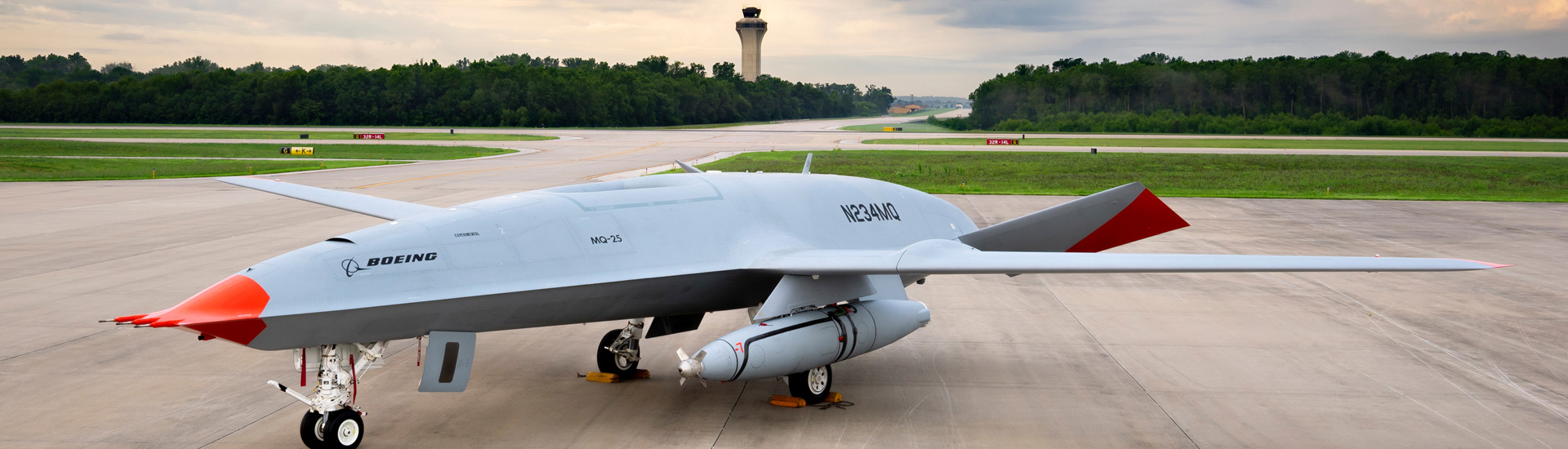
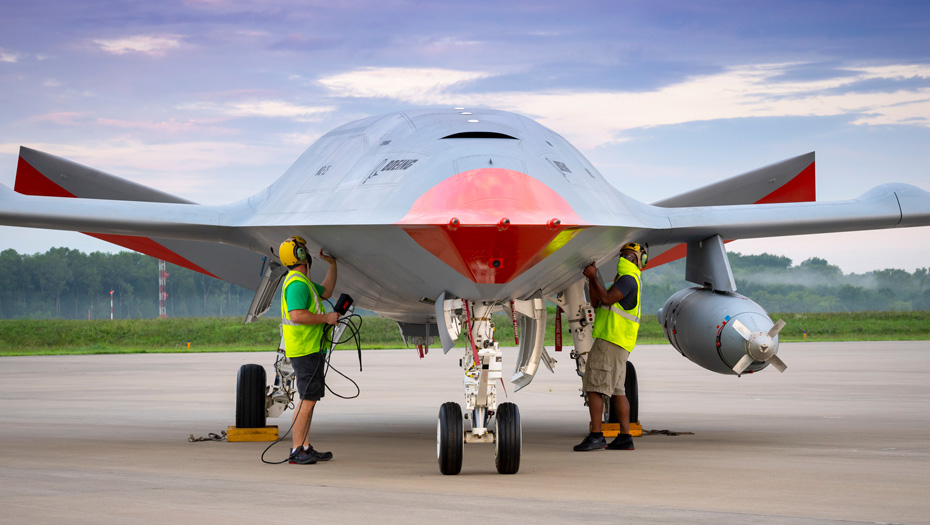
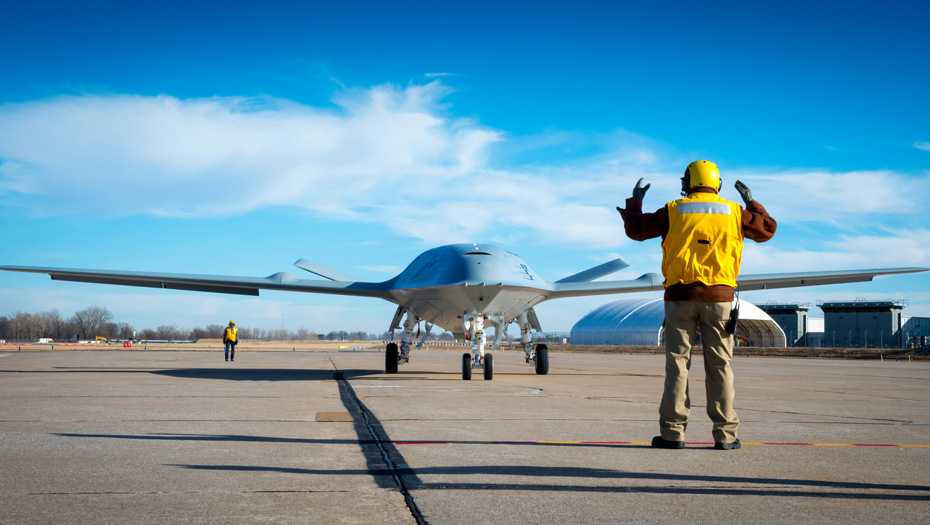
The MQ-25A Stingray is the U.S. Navy’s first operational, carrier-based unmanned aircraft. Built to operate from aircraft carriers, its primary mission is unmanned aerial refueling to extend the range, endurance, and flexibility of the carrier air wing. A clean-sheet design, informed by more than 90 years of Boeing and legacy-company experience building carrier aircraft, the MQ-25A combines time-tested design principles with advanced autonomous capabilities to meet today’s missions and adapt to tomorrow’s.
The first operational carrier-based unmanned aircraft
Capabilities and Features
Air Refueling
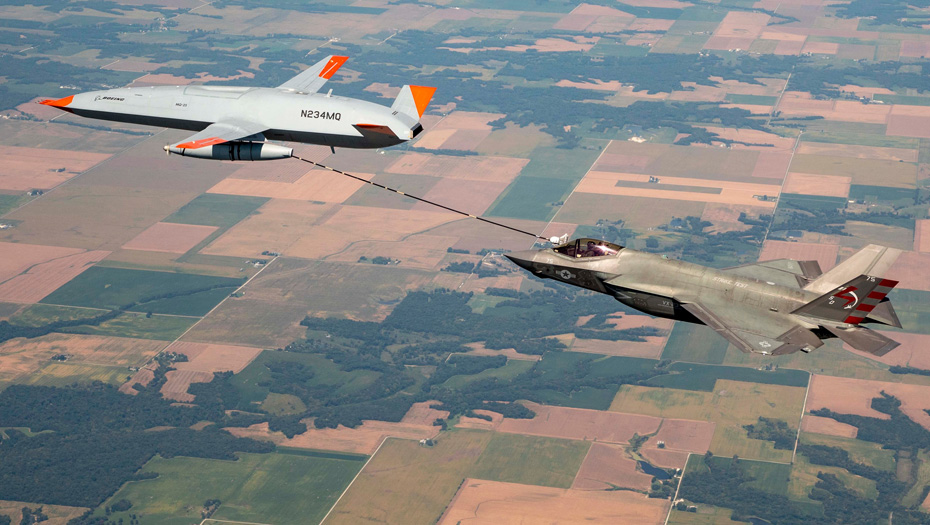
The first unmanned aircraft in history to refuel another aircraft.
Extending the range of the carrier air wing
The MQ-25A’s unmanned aerial refueling capability expands the reach of the carrier air wing and allows manned fighters currently performing the aerial refueling role to focus on their primary role of strike fighting.
Proven Concept
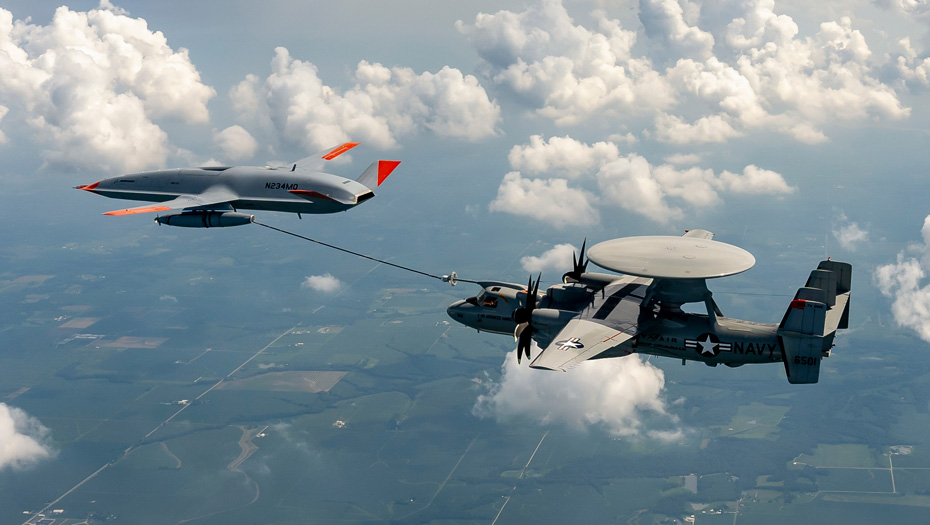
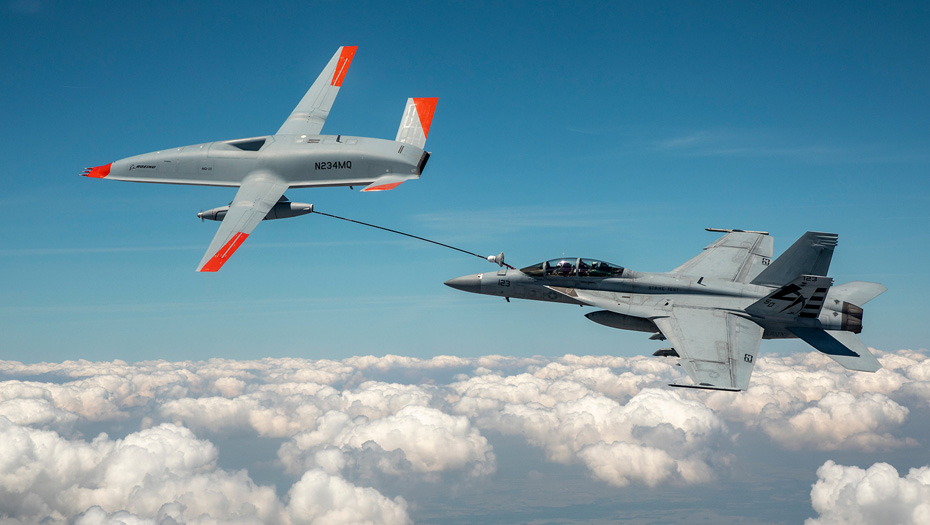
The Boeing MQ-25 T1 test asset refueled three carrier-based aircraft — an F/A-18 Super Hornet, E-2D Hawkeye and F-35C Lightning II.
Autonomous Operations
The future of unmanned aircraft carrier aviation.
Enhanced efficiency
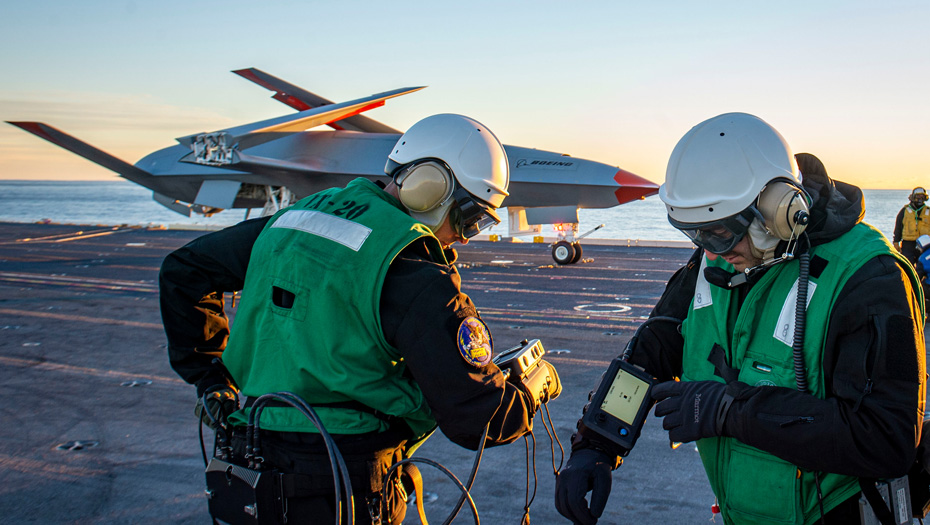
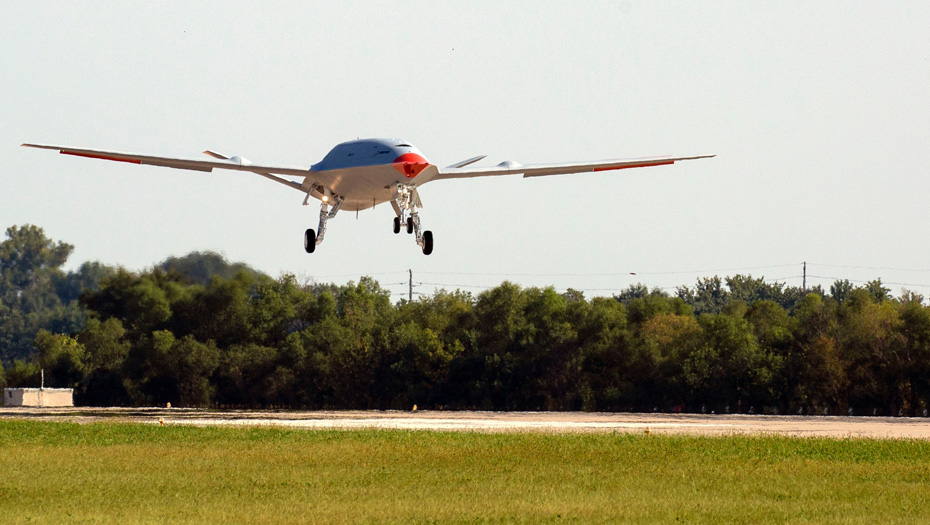
As an unmanned aircraft, the MQ-25A is designed to taxi, take off, fly and land autonomously at the push of a button. This autonomy allows for more efficient operations in high-stress environments.
Manned-unmanned teaming (MUM-T)
The MQ‑25A is designed to operate as an integrated partner with manned aircraft. With state‑of‑the‑art sensors and secure, interoperable communications, it can autonomously gather and relay critical information and be directed by manned aircraft to perform complementary tasks such as aerial refueling.
Adaptability
Ready for the mission of today and tomorrow.
Multimission capability
While its primary role is aerial refueling, the MQ-25A is also equipped for intelligence, surveillance and reconnaissance missions.
Designed for the future
MQ-25A was purposely designed to accept new and changing technologies as missions evolve — including machine learning and artificial intelligence.

Specifications
| Wingspan (wings spread) | 75 feet (22.9 meters) |
| Wingspan (wings folded) | 31.3 feet (9.5 meters) |
| Length | 51 feet (15.5 meters) |
| Engine | 1 Rolls-Royce AE 3007N engine |
Industry Team
The MQ-25A Industry Team is all-in on delivering this vital aerial refueling capability to help the U.S. Navy extend the range of the carrier air wing. The industry team includes:
Aitech Defense Systems
Astronics
BAE Systems
Collins Aerospace
Cox & Company
Crane Aerospace & Electronics
Cubic
Curtiss-Wright Defense Solutions
GE
Harris Corporation
Héroux-Devtek
Honeywell
Innovative Power Solutions
L3Harris Commercial Aviation
Moog Aircraft Group
Parker Hannifin
Raytheon
Rolls-Royce
Triumph Group
News
Program Highlights
Background
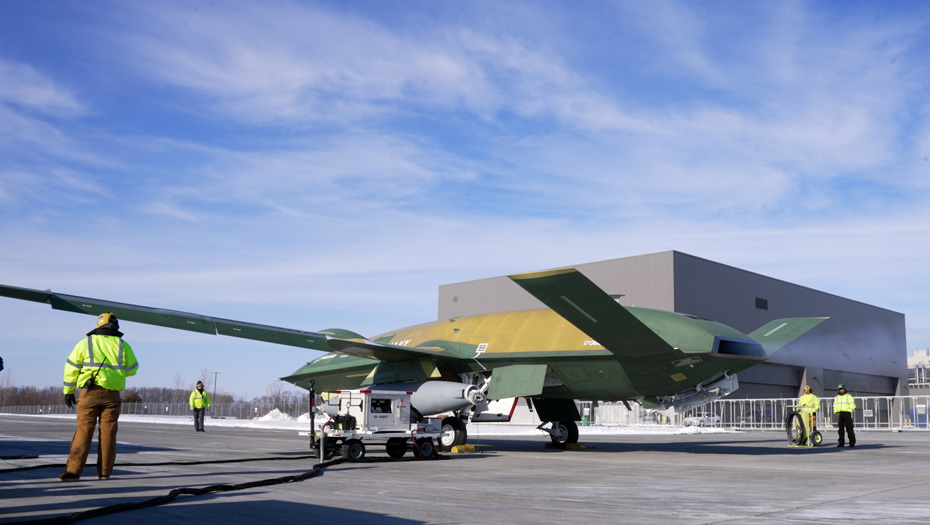
The Boeing-owned MQ-25 T1 test asset played a crucial role in early learning and discovery and laid the foundation for the U.S. Navy engineering development model (EDM) aircraft currently in production and testing today. Since its inaugural flight in 2019, T1 logged approximately 125 flight hours, helping to accelerate the team's understanding of the aircraft's aerodynamic performance and informing design decisions for both the air vehicle and its software.
Boeing has a rich history of delivering carrier aircraft to the U.S. Navy, spanning over 90 years, from the 1930s Douglas TBD Devastator to the latest-generation F/A-18E/F Super Hornet. Boeing has applied all of that experience to the MQ-25A Stingray, bringing the best Boeing has to offer to the U.S. Navy once again.