Ready for your next mission?
Learn More

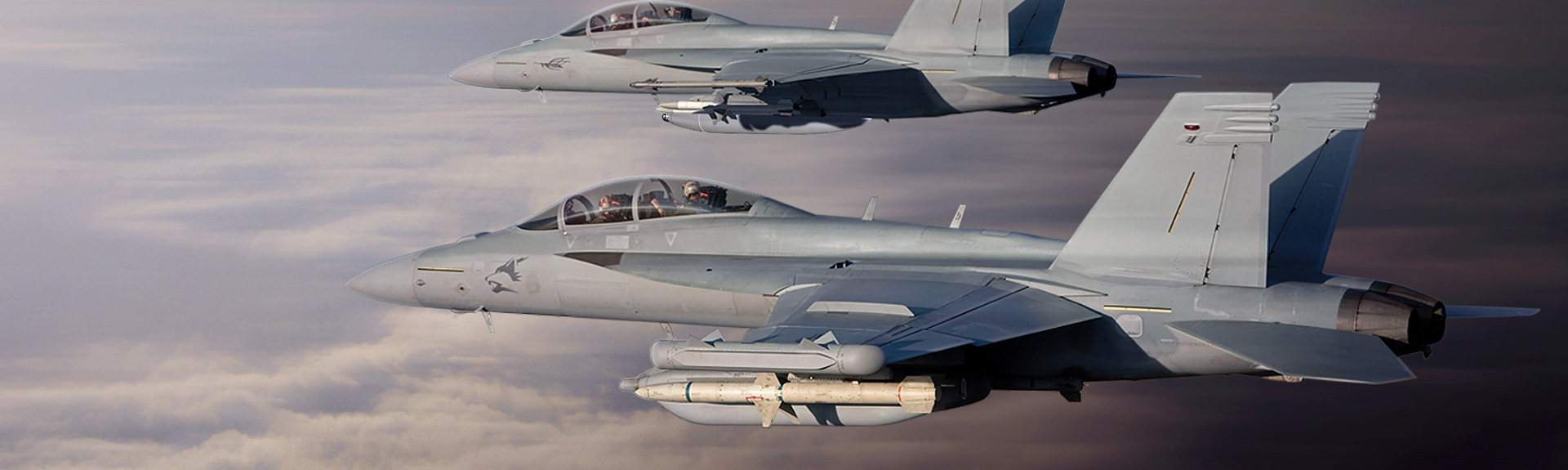
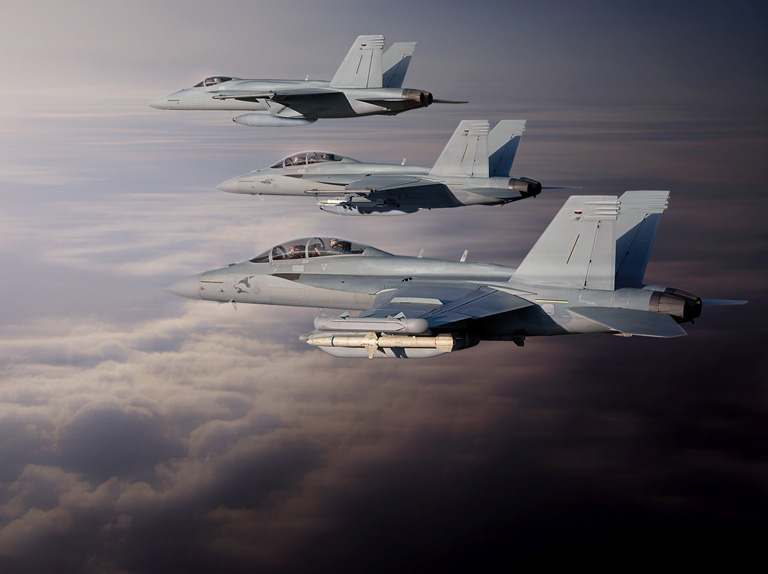
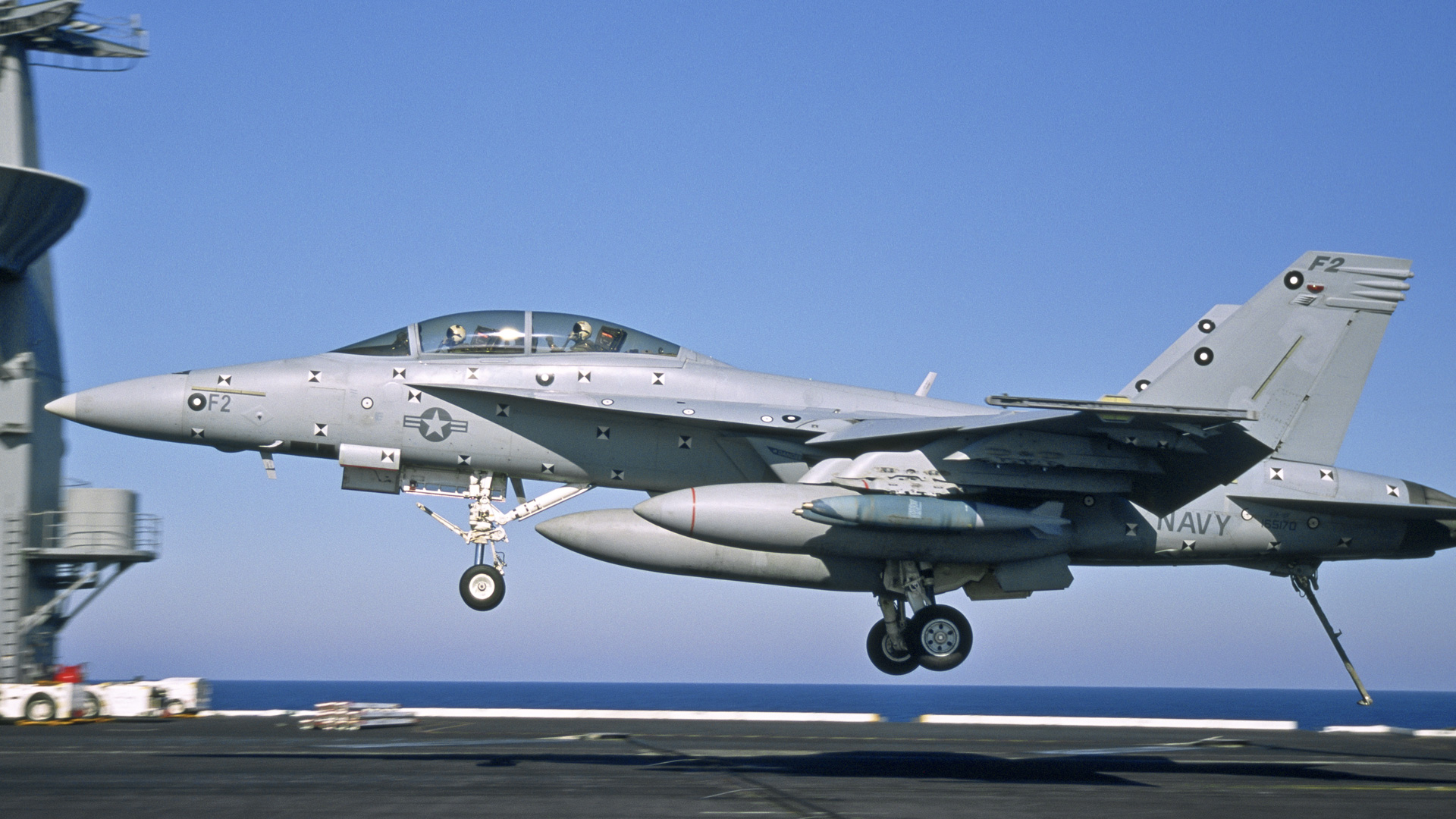
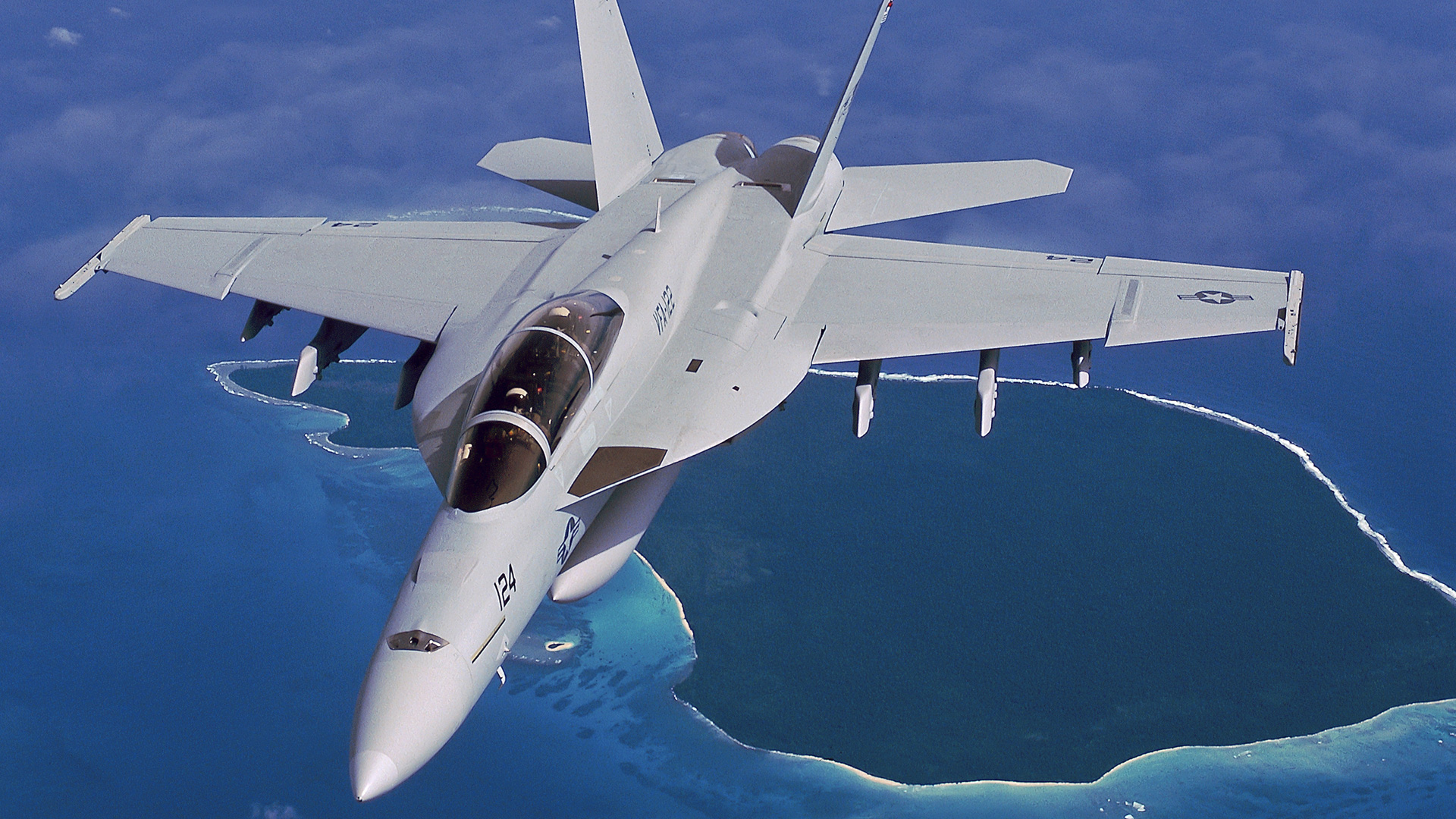
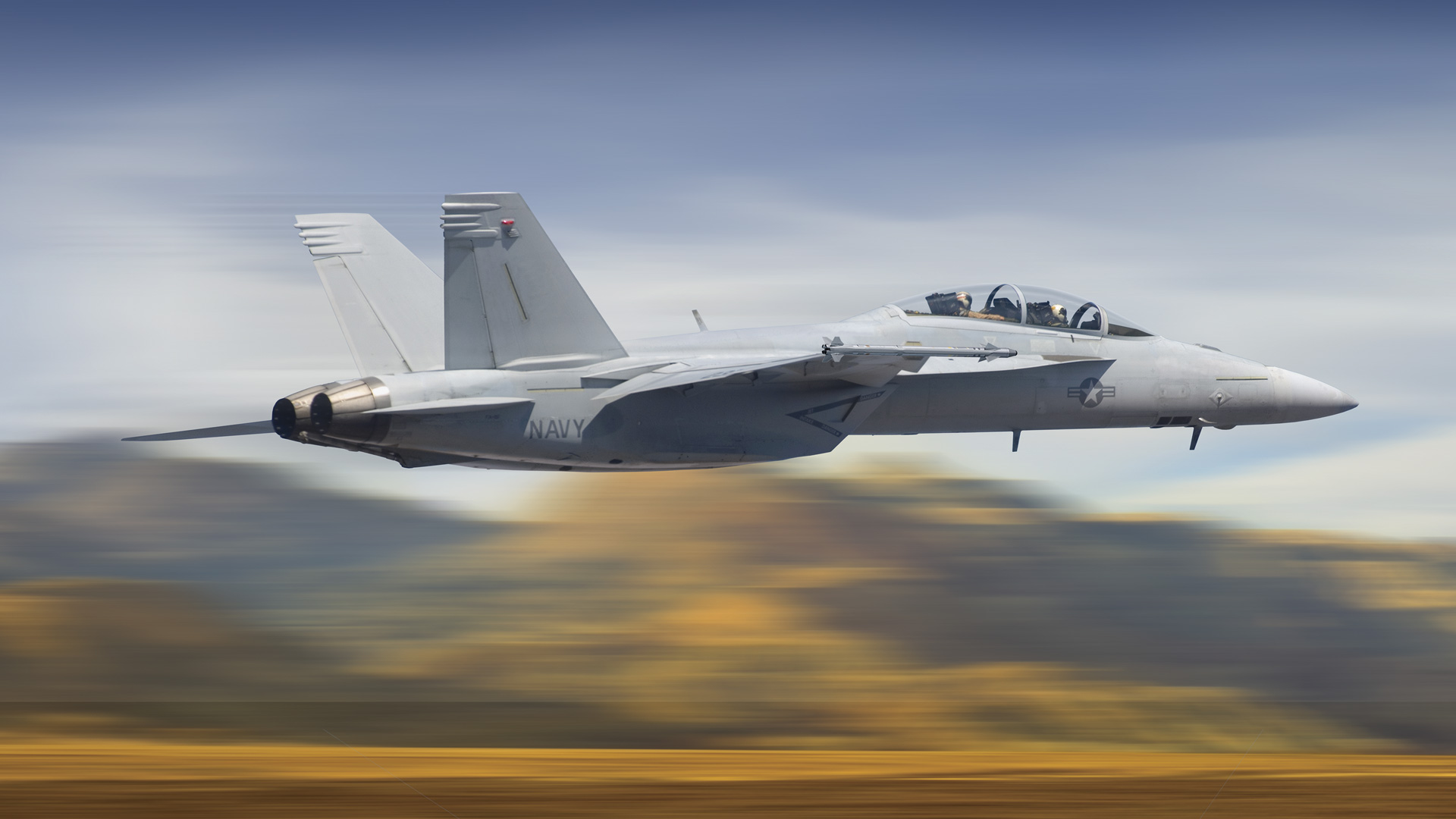
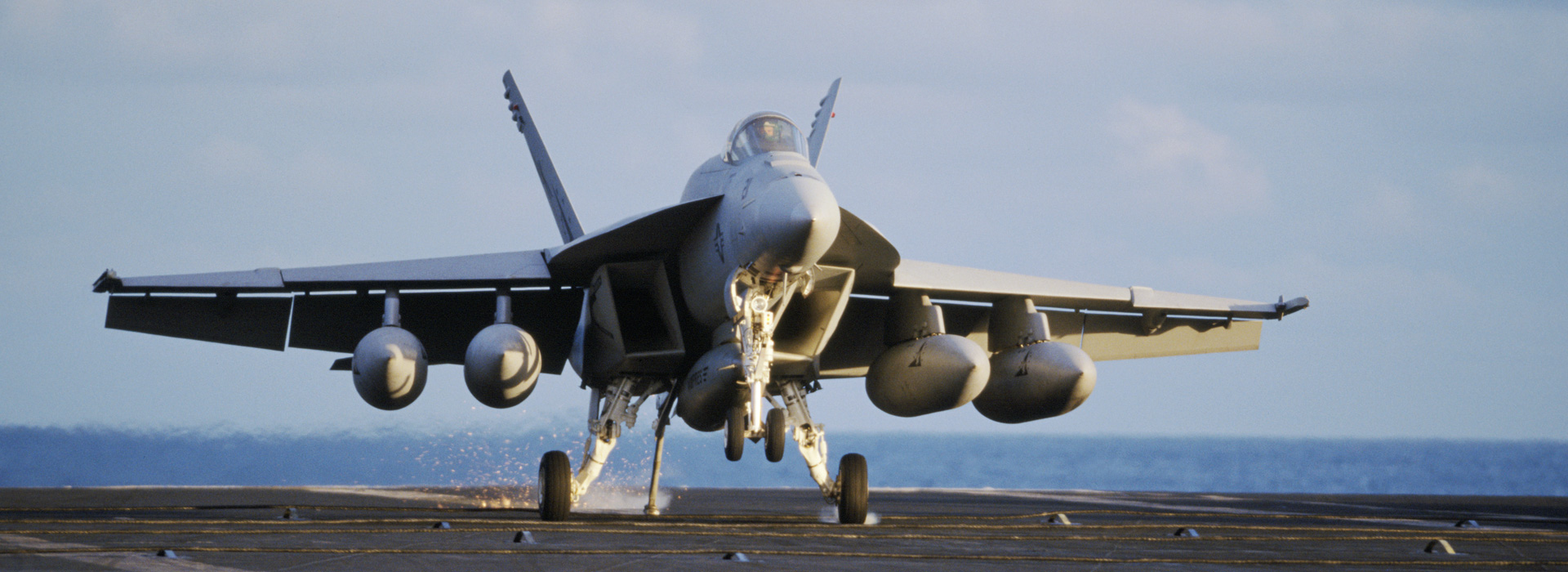
The F/A-18 Super Hornet is the backbone of carrier air wings — a combat-proven, multirole strike fighter delivering advanced avionics, AESA radar, IRST and Block III networked capabilities. To extend the life and capabilities of aircraft already in the fleet, the F/A-18 Service Life Modification (SLM) line is inducting U.S. Navy Block II Super Hornets into the program and returning them to the Navy with Block III capability and additional flight-hours. Built for lethality, survivability and growth, the Super Hornet supports global operations alongside the EA‑18 Growler’s electronic‑attack mission. Operated by the U.S. Navy and international partners, it combines mission flexibility, sustainment affordability and a road map for future upgrades.
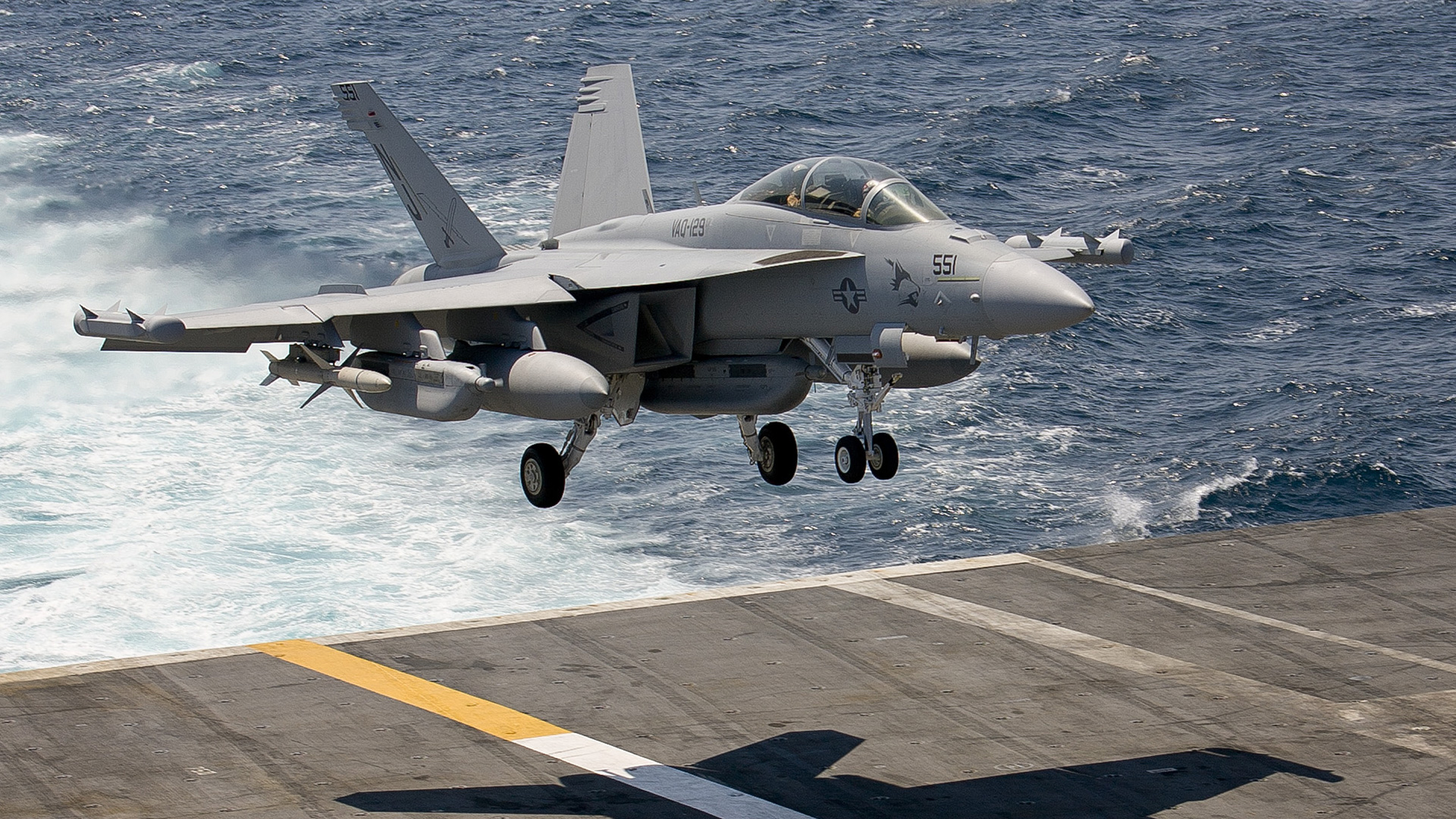
The Super Hornet’s 11 weapons stations and 400+ loadouts support air‑to‑air, air‑to‑ground, ISR, tanker and SEAD roles, while the Growler provides selective‑reactive and preemptive electronic attack to detect, target and deny adversary radars, communications and networks. Together, they enable everything from precision strikes and escort missions to distributed high‑tempo operations.
Block III Super Hornet avionics — advanced cockpit, AESA radar and IRST — plus open‑architecture mission systems allow multi‑ship sensor fusion and rapid weapons cueing. Growler AEA systems integrate with that network to shape the common tactical picture and extend reach across the kill chain.
Low‑observable signature improvements, resilient flight controls and twin F414 engines give the Super Hornet high performance and carrier suitability. The Growler’s non‑kinetic effects protect friendly forces and enable operations in contested environments. Both platforms are being modernized — Growlers with H16 and Next Generation Jammer integration, Super Hornets with Block III upgrades — ensuring rapid insertion of new capabilities and cost‑effective sustainment.
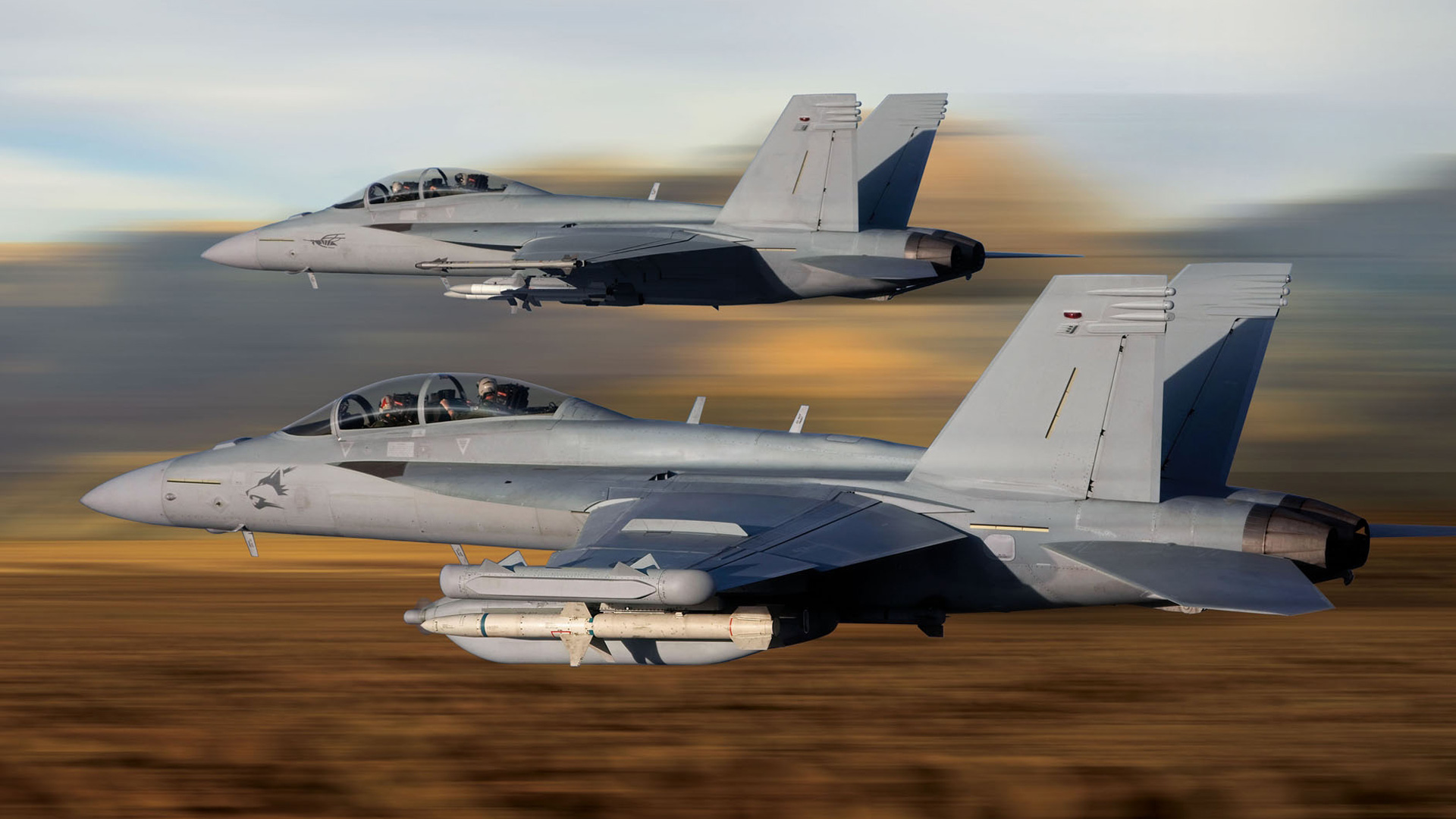
Paired with modern mission systems and legacy commonality, the Super Hornet and Growler deliver synchronized effects across the air and electromagnetic domains. The Super Hornet provides multirole strike, sensing and tanker capabilities while the Growler acts as the airborne electronic‑attack node, together enabling coordinated, multi‑platform operations and real‑time battle management.
Both aircraft use open‑architecture mission systems that support rapid insertion of new sensors, software and weapons. Block III Super Hornet avionics and Growler H16/Next Generation Jammer integrations let the force quickly adopt advancements in networking, targeting and electronic warfare to outpace evolving threats.
Common systems and shared sustainment approaches reduce training and logistics complexity, enabling fast turnarounds, high sortie generation and efficient life cycle support. Built for carrier operations and global deployments, this integrated force provides commanders a resilient, cost‑effective solution for sustained, mission‑tailored presence.
The Super Hornet and Growler deliver mission-ready capability at lower near‑term acquisition and transition costs than many fifth‑generation alternatives, providing commanders with proven payload, networked sensors and electronic‑attack effects without the premium of a wholly new airframe.
Extensive commonality across the Super Hornet family and shared sustainment practices with the Growler reduce parts, training and infrastructure burdens — lowering integration risk and life cycle sustainment costs compared with introducing an entirely new platform.
Designed for carrier operations and high availability, these aircraft offer efficient maintenance practices and parts commonality that help drive down cost‑per‑flight‑hour, enabling higher sortie generation, more training and sustained presence within constrained budgets.
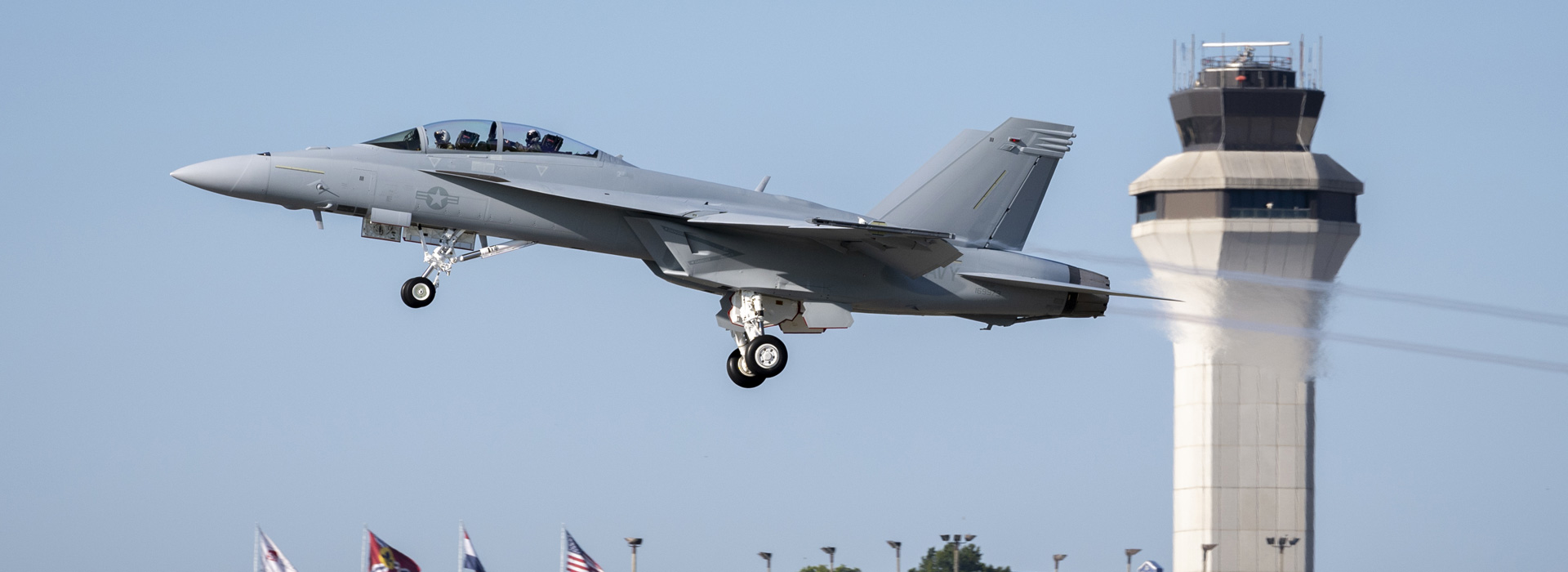
| Width | 44.9 feet (13.7 meters) |
| Length | 60.2 feet (18.3 meters) |
| Height | 16 feet (4.9 meters) |
| Maximum Takeoff Weight | 66,000 pounds (29,937 kilograms) |
| Maximum Speed | Mach 1.6 |
| Ceiling | 50,000+ feet (15,240+ meters) |
| Carrier Bringback Payload | F/A-18E: 9,900 pounds (4,491 kilograms) F/A-18F: 9,000 pounds (4,082 kilograms) |
| Thrust | Each engine up to 17,000 pounds (7,711 kilograms) |
| Width | 44.9 feet (13.7 meters) |
| Length | 60.2 feet (18.3 meters) |
| Height | 16 feet (4.9 meters) |
| Recovery Weight | 48,000 pounds (21,772.4 kilograms) |
| Maximum Speed | Mach 1.8 |
| Ceiling | 50,000+ feet (15,240+ meters) |
| Spot Factor | 1.23 |
| Thrust | 44,000 pounds (19,958 kilograms) |
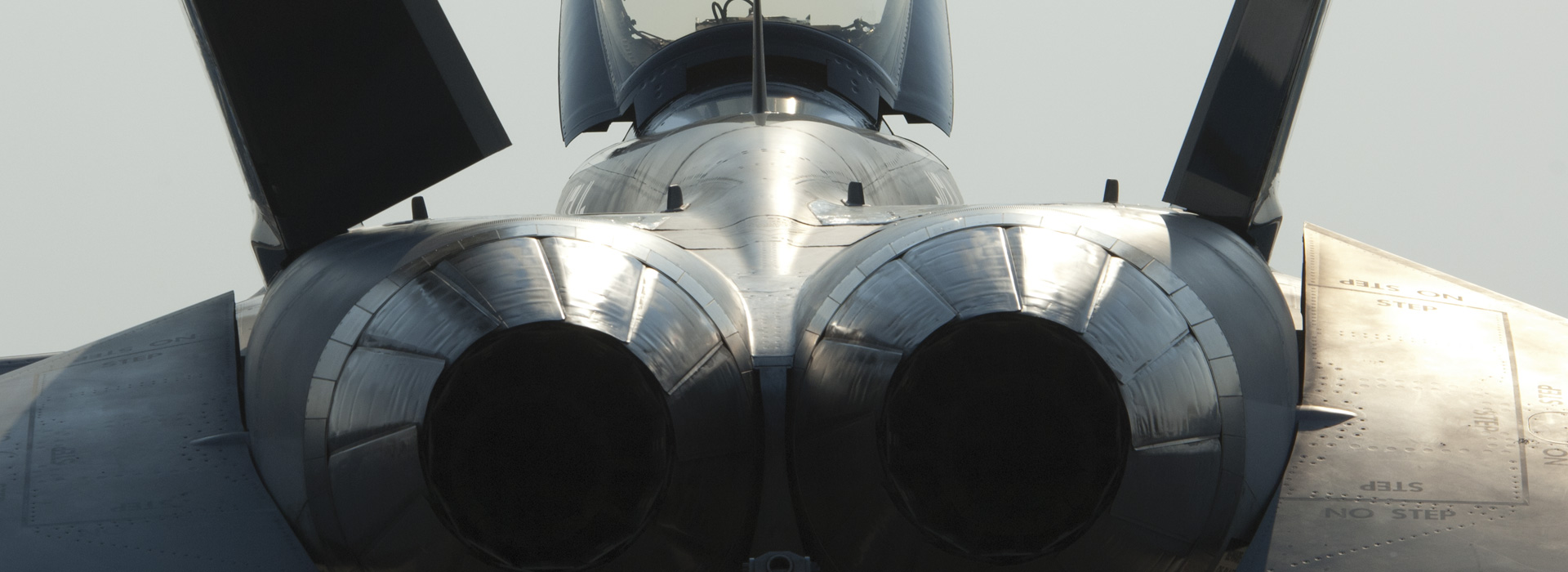
The Super Hornet is built for allied interoperability, delivering multirole strike, advanced sensing and networked connectivity across the full mission profile. Block II/Block III upgrades provide modern mission systems, open‑architecture growth paths and enhanced situational awareness, enabling combined operations and rapid insertion of new capabilities across partner fleets.
The Growler provides full‑spectrum airborne electronic attack to detect, deny and degrade adversary sensors, communications and networks. Its AEA suite and open mission systems enable integrated electronic‑attack effects that protect friendly forces, shape the battlespace and support interoperable tactics with allied platforms.
Learn More


A legacy built with pride.