T-7A Red Hawk merchandise
Training the next generation of fighter pilots — with pride.

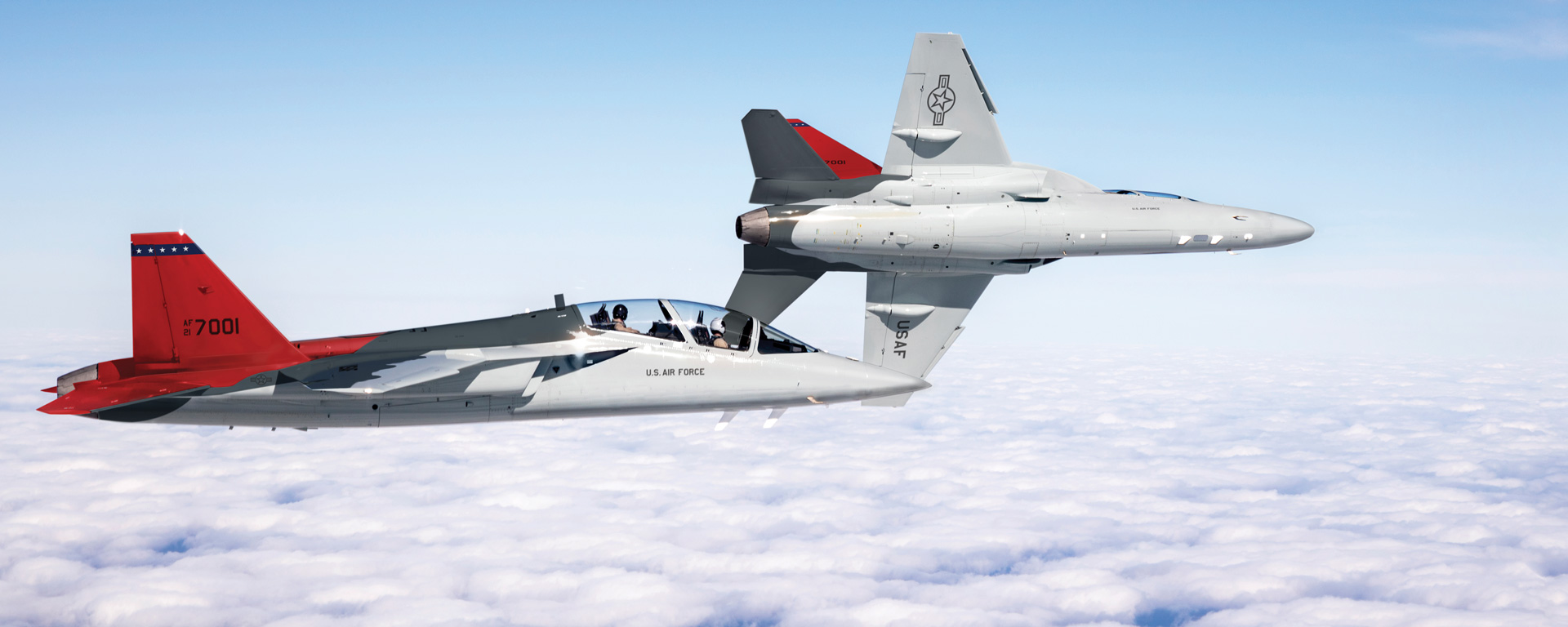
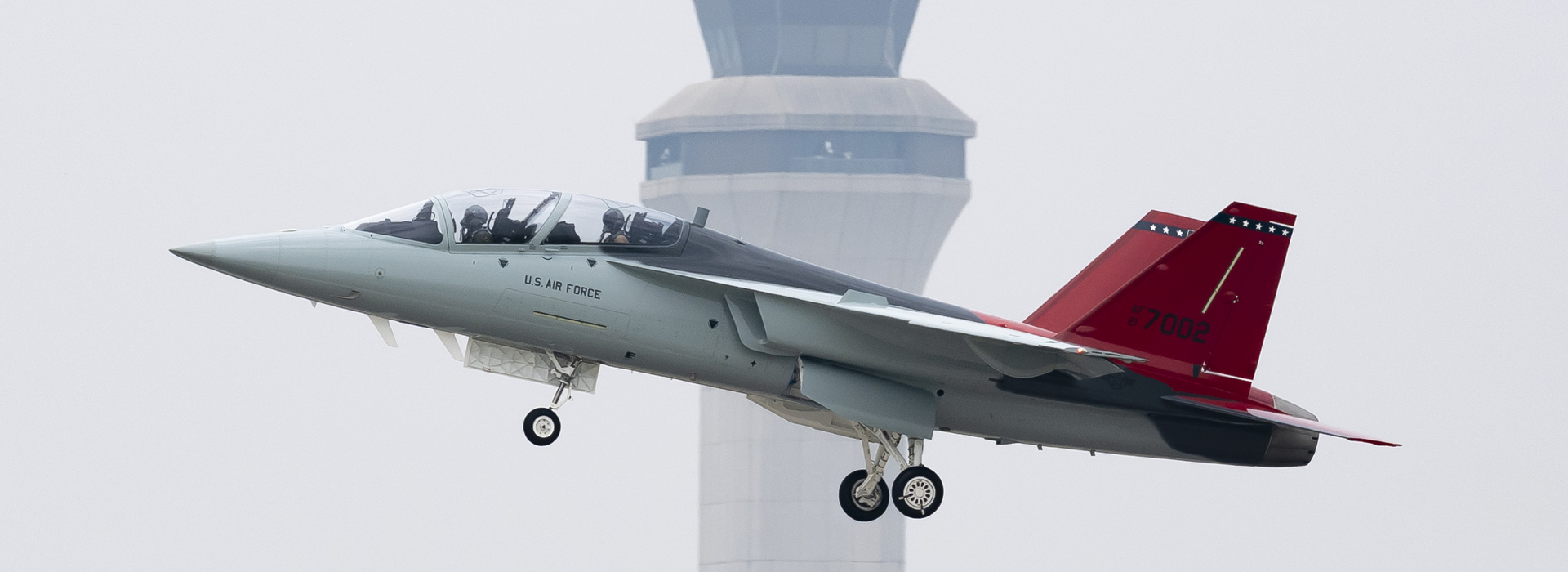
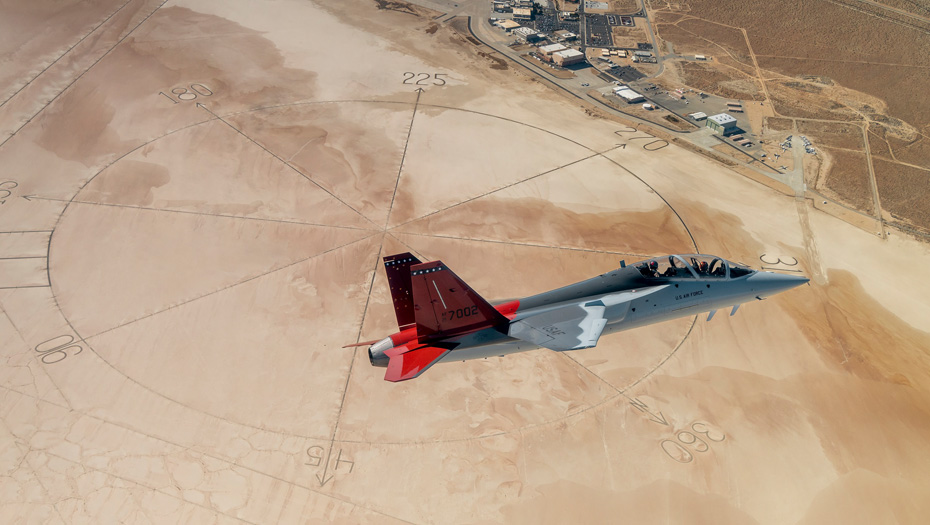
The T-7A Red Hawk is an all-new advanced pilot training system for the U.S. Air Force, with flexibility to evolve as technologies, missions and training needs change.
Digitally designed, built and tested along a digital thread of advanced collaboration, the T-7A is a low-risk, leading-edge, live, virtual and constructive fifth-generation aircrew training system that delivers a multigenerational leap in capability to revolutionize fighter pilot training.
The T-7A Red Hawk is the only digitally native, military‑certified next‑generation trainer and program of record, available and designed to meet modern training needs.
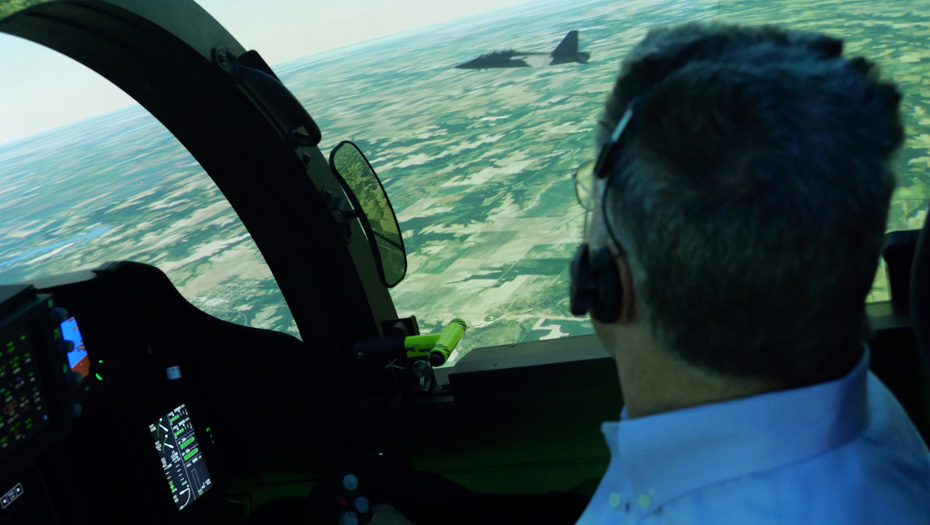
High‑fidelity ground‑based systems and simulators to deliver integrated-live, virtual and constructive (I‑LVC) training for realistic 8K projection high fidelity mission rehearsal.
Students benefit from superior crew station situational awareness with decision‑making practice and confidence through immersive, scenario‑driven training.
Integrated simulation and embedded training reduce exposure to high‑risk flight-hours while maintaining realism.
State‑of‑the‑art visual displays and simulator fidelity provide the most realistic trainer experience fielded.
Preprogrammed scenarios can be selected from the cockpit or coordinated from the ground to support adaptive training sequences.
Extensive model-based testing during design, build and ground and flight test validates systems and mitigates risk before first flight.
The T-7A’s cockpit egress system is arguably the safest of any trainer. Joint Boeng and U.S. Air Force teams continue to collect data in on-going analysis of the ejection seat and escape path for future aircrew.
Open architecture supports integration of evolving technologies, sensors, and training content as real-world threats change.
Modern digital flight controls replicate advanced fighter handling qualities and enable consistent, repeatable training profiles for aircrew.
Designed to train both fighter and bomber pilots, the T‑7A scales to diverse syllabus requirements and configurations across mission sets.
The system can operate with or without a ground station — enabling cooperative flights, man-versus-sim engagements and dynamic mission selection in high definition scenarios.
Easy access to maintenance panels and avionics compartments reduces downtime for planned and unscheduled maintenance. Side opening cockpit enables ease of access to crew station and ejection seats.
Shared trusted components with fourth- and fifth-generation aircraft enable use of existing infrastructure and streamline logistics.
Designed for reliability and sustainment efficiency to reduce total ownership cost while boosting pilot throughput and force readiness.
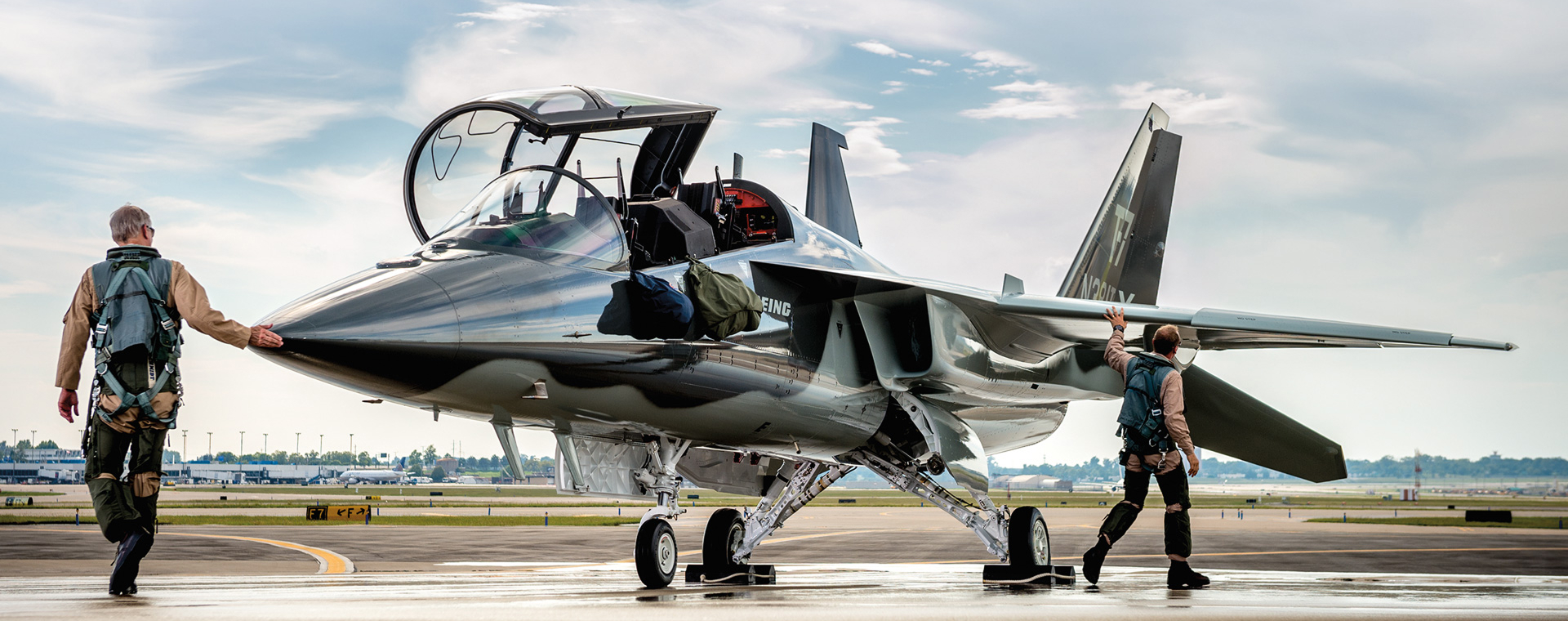
| Wingspan | 30.6 feet (9.3 meters) |
| Overall Length | 47.7 feet (14.5 meters) |
| Engine (As Drawn) | F404 Afterburning |
| Max Mach | Mach 0.975* |
| Max AoA | 30°* |
| Centerline Length | 46 feet (14 meters) |
| Max Cross Section (With ACAP) | 37.7 square feet (3.5 square meters) |
| Fuel: Fuselage | 4,500 pounds (2,041 kilograms) |
| Max Alt | 45,000 feet (13,716 meters)* |
| Max G | 8 G* |
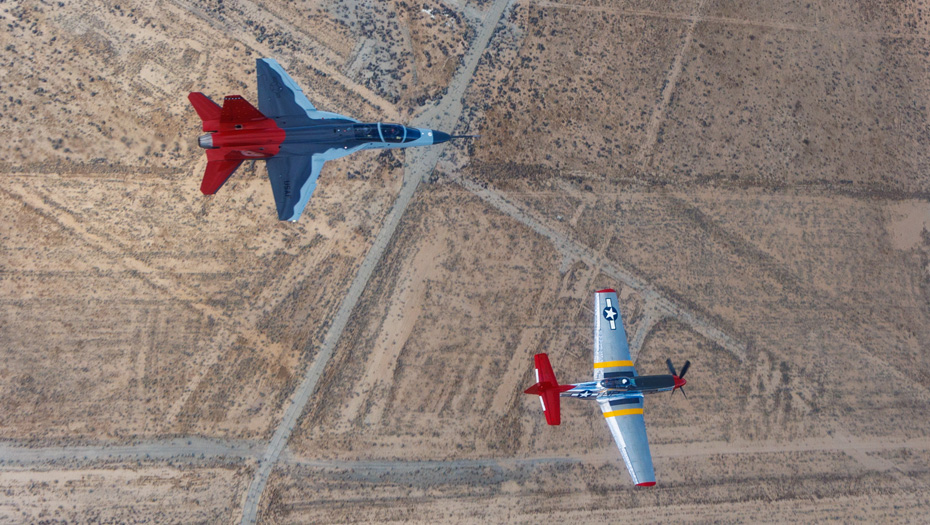
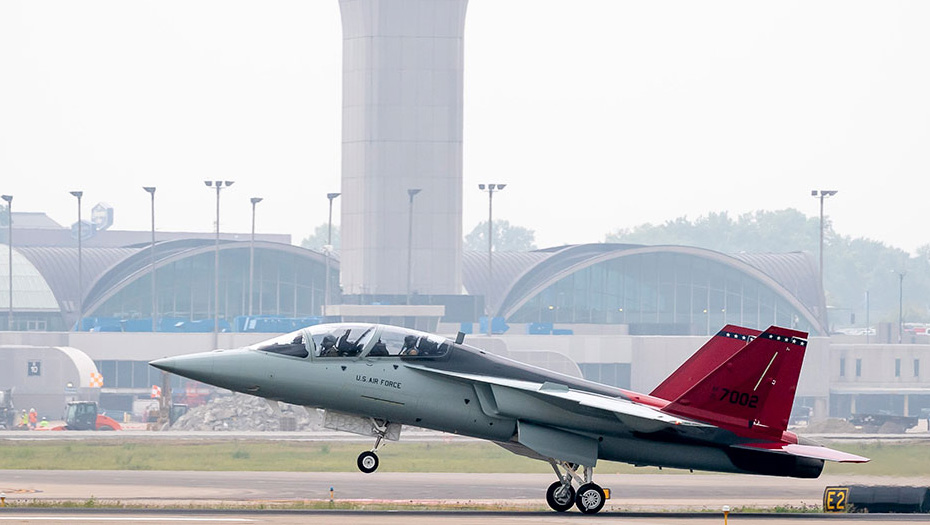
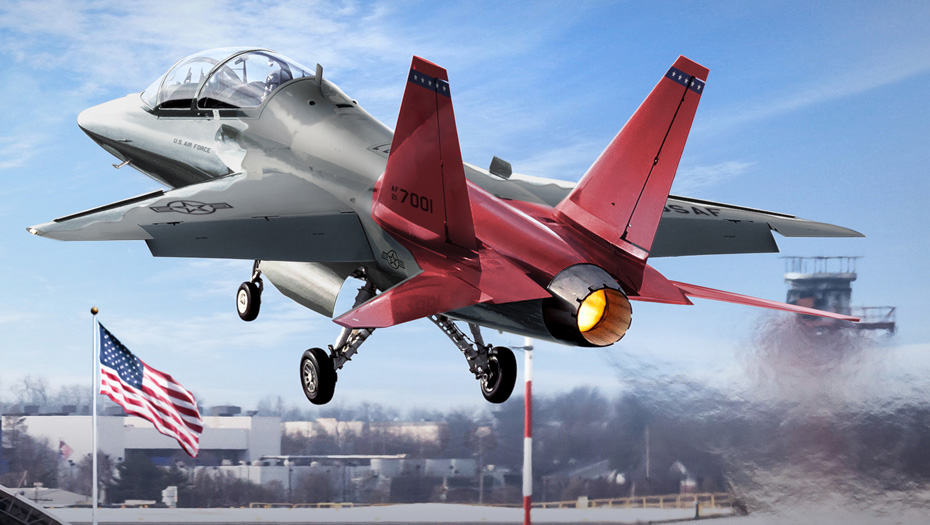
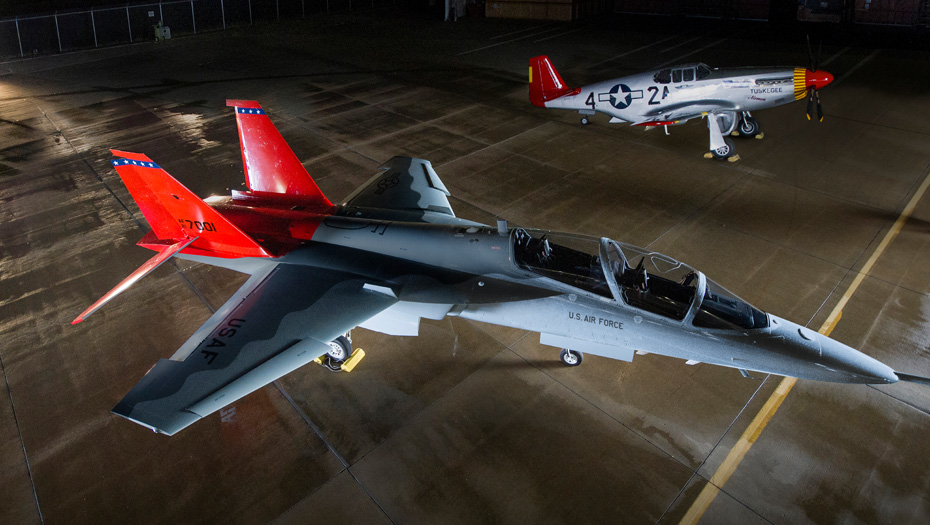


Training the next generation of fighter pilots — with pride.