For the global aerospace industry, the Asia-Pacific region is of strategic importance and one of the most critical and fastest growing regions in the world. With busy international sea lanes, critical port infrastructure, shared use of maritime waterways and resources and geopolitical challenges, there has always been a need for security of operations within the maritime domain as well as peace, stability, and prosperity for all nations.
Boeing has been that trusted partner to several military customers across the region, offering modern, advanced and upgraded capabilities required to deliver performance, readiness and affordability, as many of the region’s militaries undertake active modernization programs.
“The pandemic has impacted countries around the world in profound ways and Boeing is committed to doing all it can to help the world to weather the pandemic safely. We are taking the time to really listen to our global customers’ needs and are emphasizing the benefits of Boeing’s refreshed business strategy to them. By focusing on our ability to deliver the most digitally advanced, simply and efficiently produced and intelligently supported solutions to our global customers, we’re providing them with the speed, flexibility and predictability that they need to field faster, fight smarter and stay ahead of future threats. And we’re doing it with a focus on safety, quality and integrity.”
- Heidi Grant, President, Business Development
Boeing has also been steadily expanding its presence in the region and pointed to the opening of Boeing offices in Hanoi and Jakarta to support our growth aspirations across the commercial airplanes, defense, and services businesses.
DEFENSE AND SERVICES MARKET OUTLOOK
“On the defense and services side, we have Boeing teams on the ground supporting our customers' programs and to ensure that we are delivering on our commitments,” said Maria Laine, vice president, Business Development. “We have been in discussions with our armed forces customers in different countries about their existing and future capabilities, as well as the specific outcomes they are driving toward when it comes to fleet operations and readiness.”
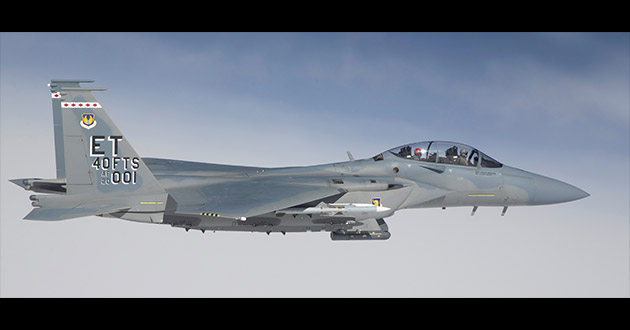
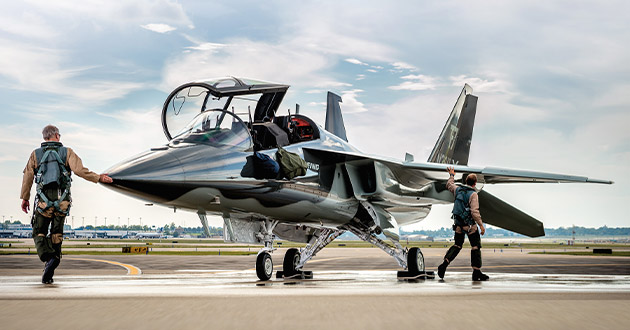
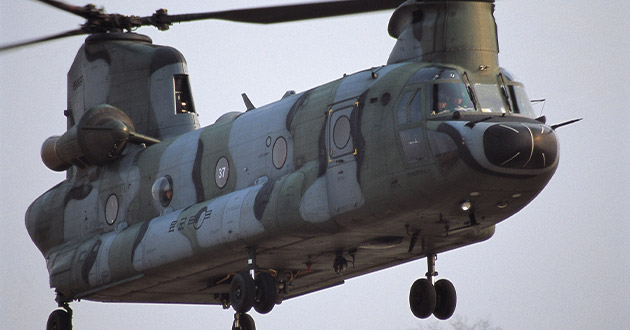
Boeing anticipates $70B in opportunities over the next five years in the Asia-Pacific region, driven by strong demand for intelligence, surveillance, and reconnaissance capabilities such as P-8 and autonomous systems, fighter and training aircraft, vertical lift and attack helicopters, and sustainment and training solutions.
“We see nations seeking to enhance and build indigenous capability to grow their aerospace industry and contribute to their national defense. This is why deepening industrial partnerships in the region remain core to our approach to maintaining industry leadership and serving our customers,” Laine added.
MARITIME AWARENESS AND SECURITY
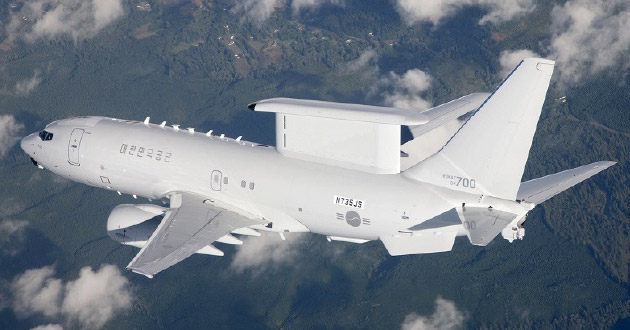
Driven by the need for intelligence, surveillance, reconnaissance capabilities, multiple customers in Asia-Pacific have selected and operate the P-8, including Korea, India, New Zealand and Australia. Deployed around the world, with over 142 aircraft in service, and over 400,000 collective mishap free flight-hours, the P-8A is vital for global anti-submarine warfare; anti-surface warfare; intelligence, surveillance and reconnaissance; and search and rescue missions. Boeing has delivered 110 full production P-8A Poseidon aircraft to the U.S. Navy.