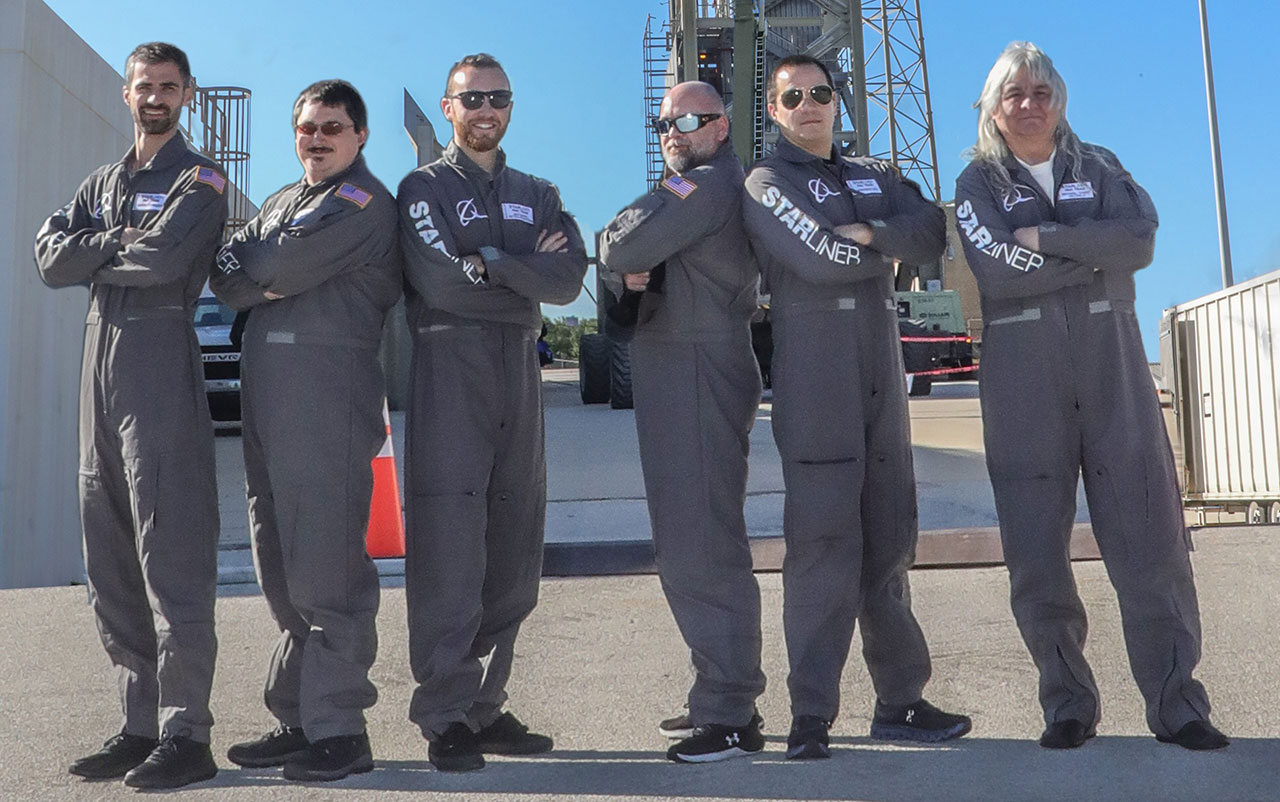
They open the Starliner’s hatch and enter the spacecraft.
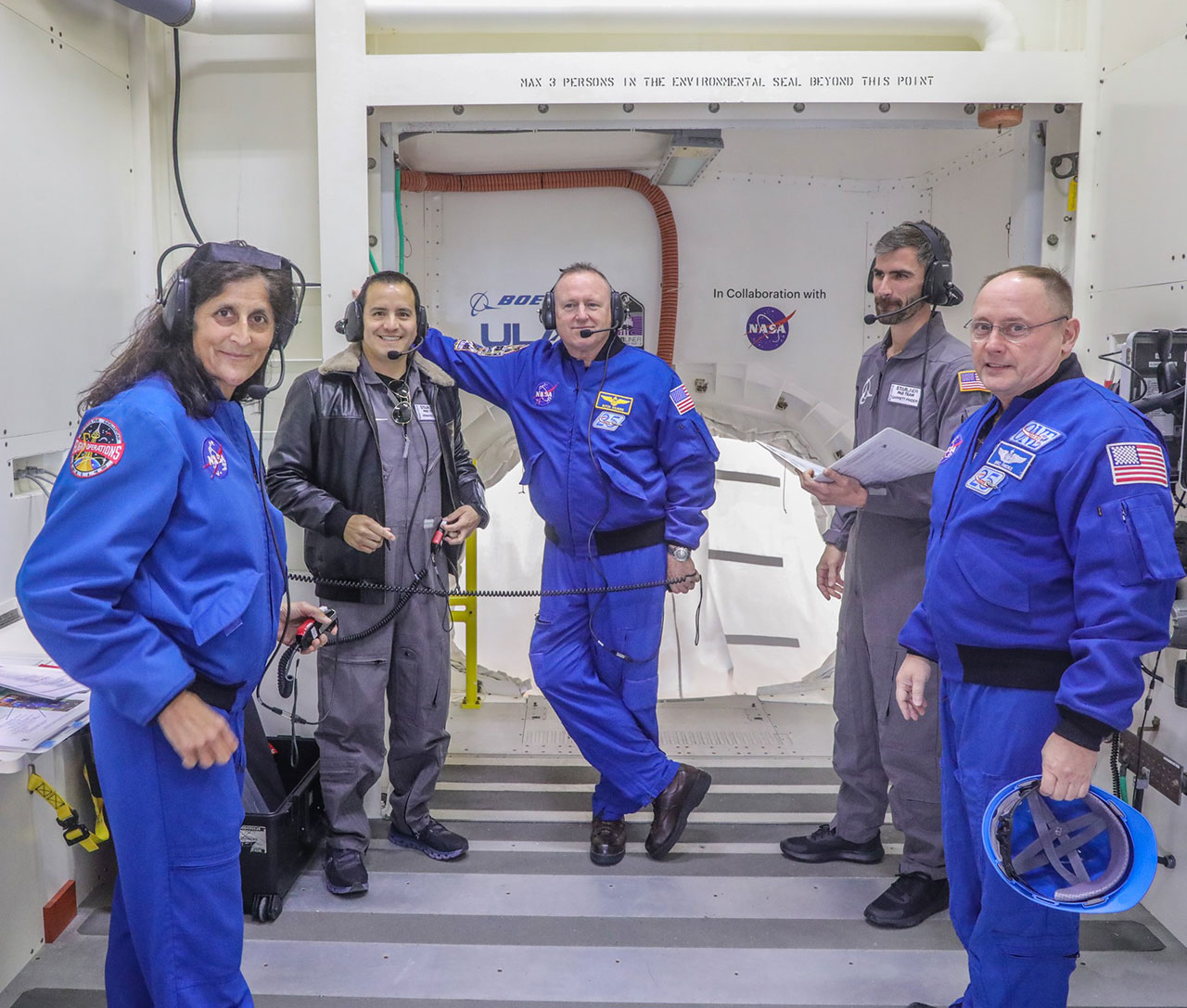
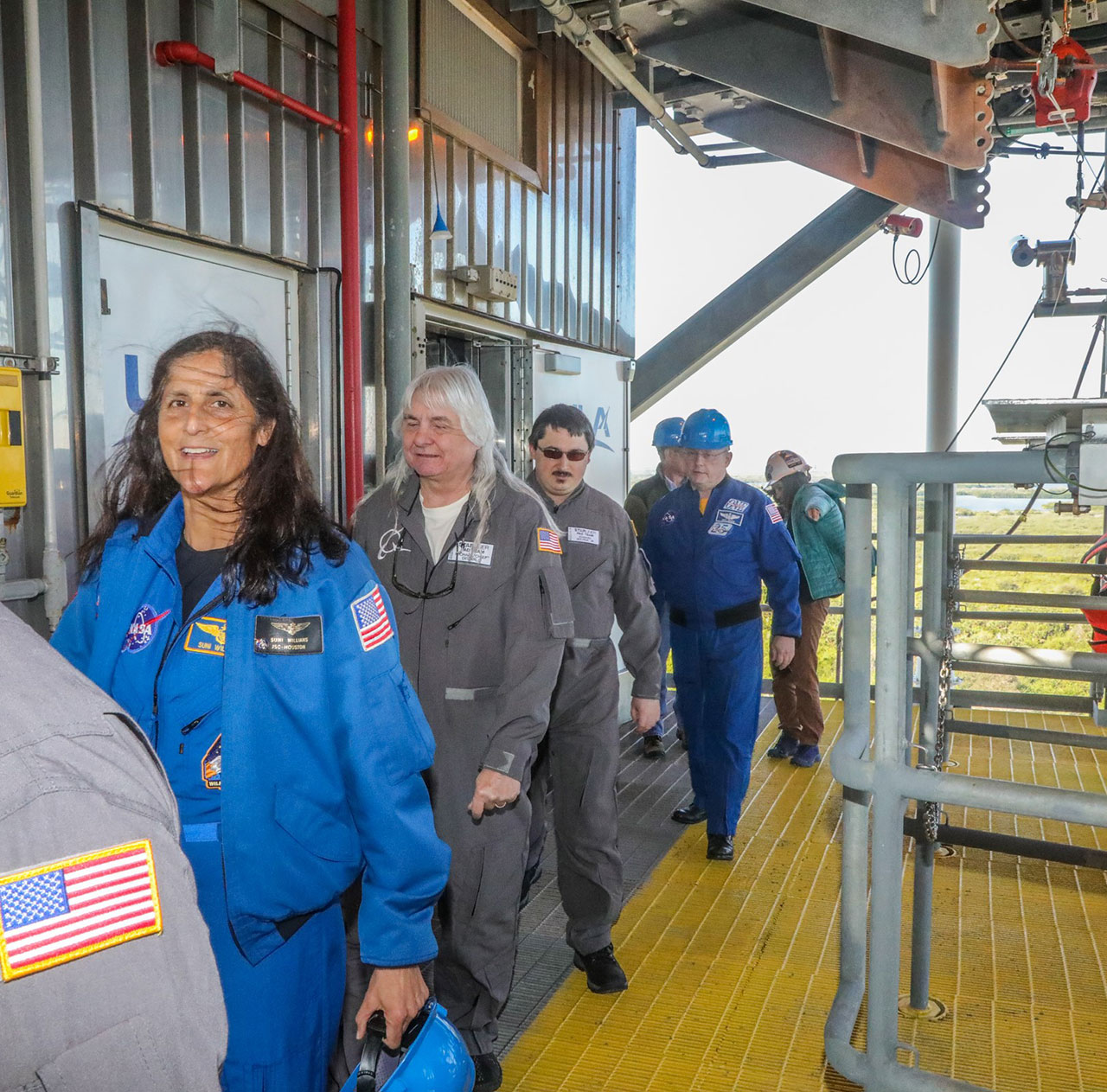
For the Pad Teams, this flight is special. On board the Starliner will be NASA astronauts Butch Wilmore and Suni Williams.
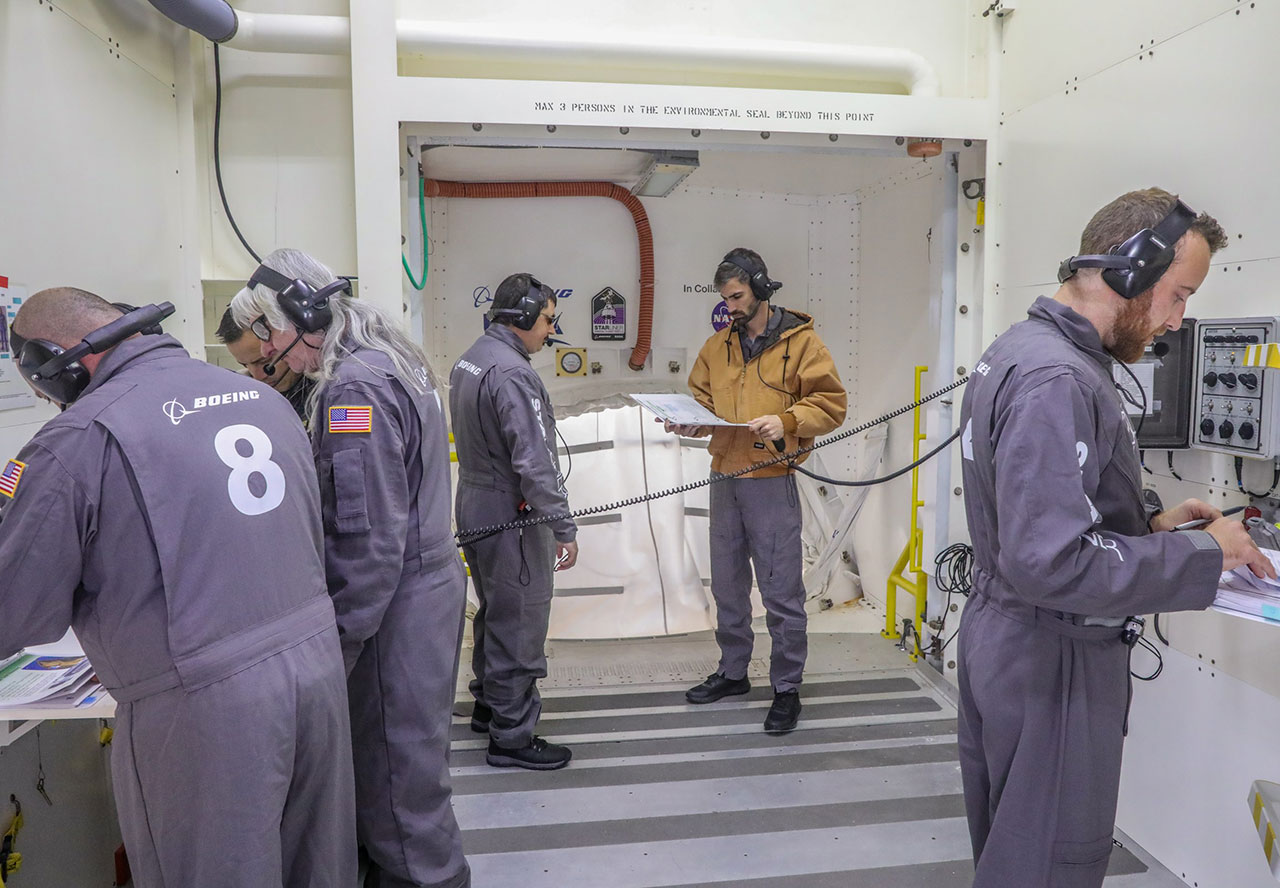
“Pad Team B is there to make sure all the switches on the control panel are in the right configuration and all the communications are up and running,” said Wayne Noke, Starliner manufacturing engineer and backup lead for Pad Team A. “We want everything to be exactly right for Suni and Butch.”
- Once inside the spacecraft, they ensure the astronauts can clearly communicate with Boeing, Mission Control in Houston and the International Space Station.
- Inside the cabin, they verify the position of over 50 switches.
- They close the hatch before cryogenic fueling of the Atlas V rocket begins.
“It can be easy to get nervous and caught up in the moment,” said Oborsouis “OB” Saint-Louis, manufacturing analyst and Pad Team B member. “That’s why we practice. I know on launch day, I’ll just be focused on the task at hand.”
An alarm sounds. It’s time to fuel the rocket.
12 to four hours before launch (L-12 hours to L-4 hours)
Pad Team B leaves the launch tower. Cryogenic propellants are loaded in Atlas V.
Four hours before launch (L-4 hours)
As liftoff nears, an SUV pulls up to the launchpad. The doors open, revealing the members of Pad Team A.
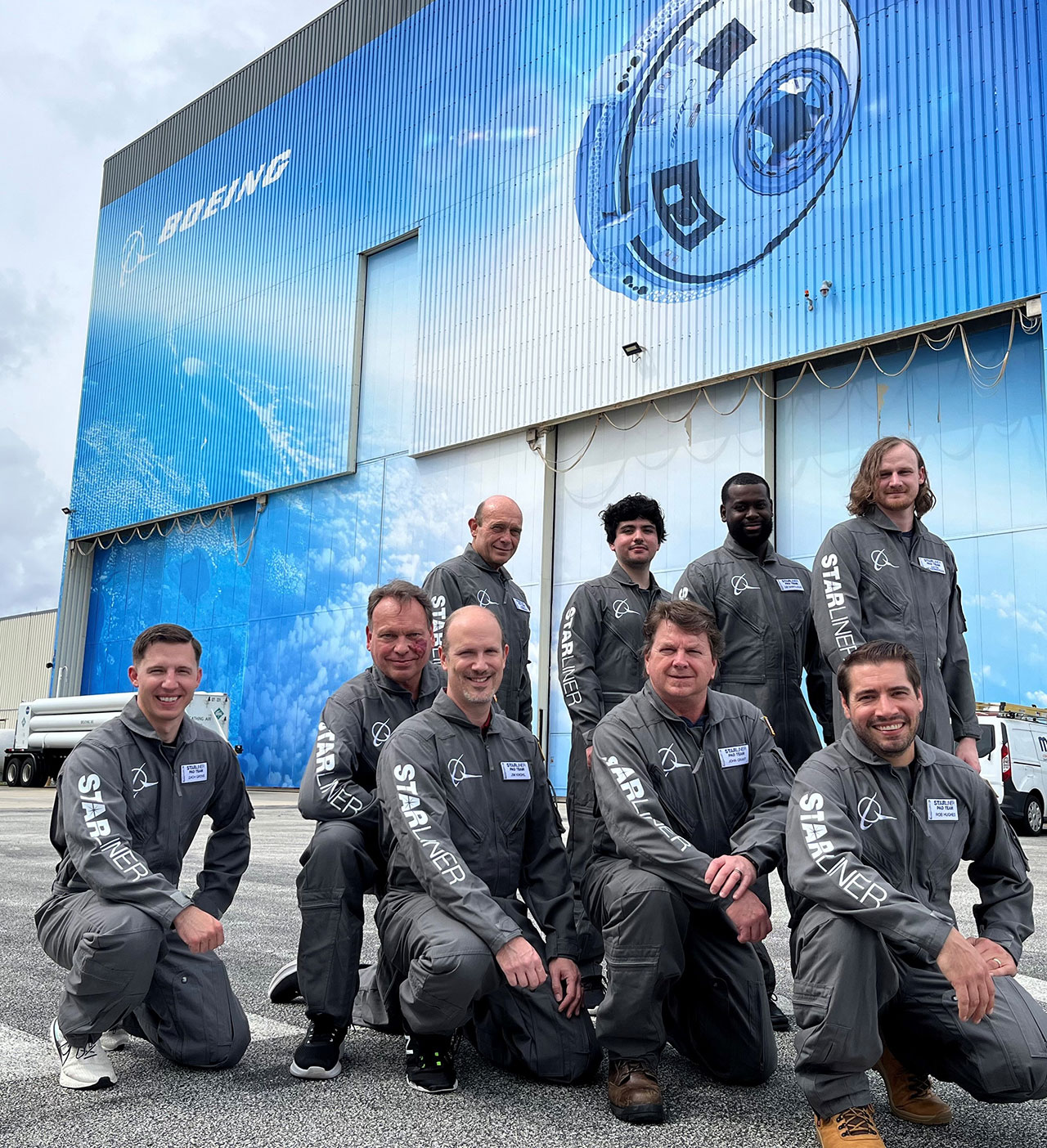
“This is really our time to shine,” said Nathaniel Keyek-Franssen, Starliner engineering manager and Pad Team A lead.
- They power up the armored ex-Army vehicles at the base of the launchpad in case a quick and safe exit is required. Then, they head up the launch tower.
- In the White Room, Keyek-Franssen plugs in his headset for real-time updates on the vehicle’s status.
- The team opens the hatch again.
- They perform final preparations to the life support system that prevents carbon dioxide and humidity buildup in the spacecraft.
In parallel, the astronauts begin their journey to the launchpad.