How WWI shaped American innovation, helped launch Boeing

On its first stop of a countrywide tour, the Freedom Plane carried historic U.S. documents to the World War I Museum in Kansas City, Missouri.

March 09, 2026 in History, Defense

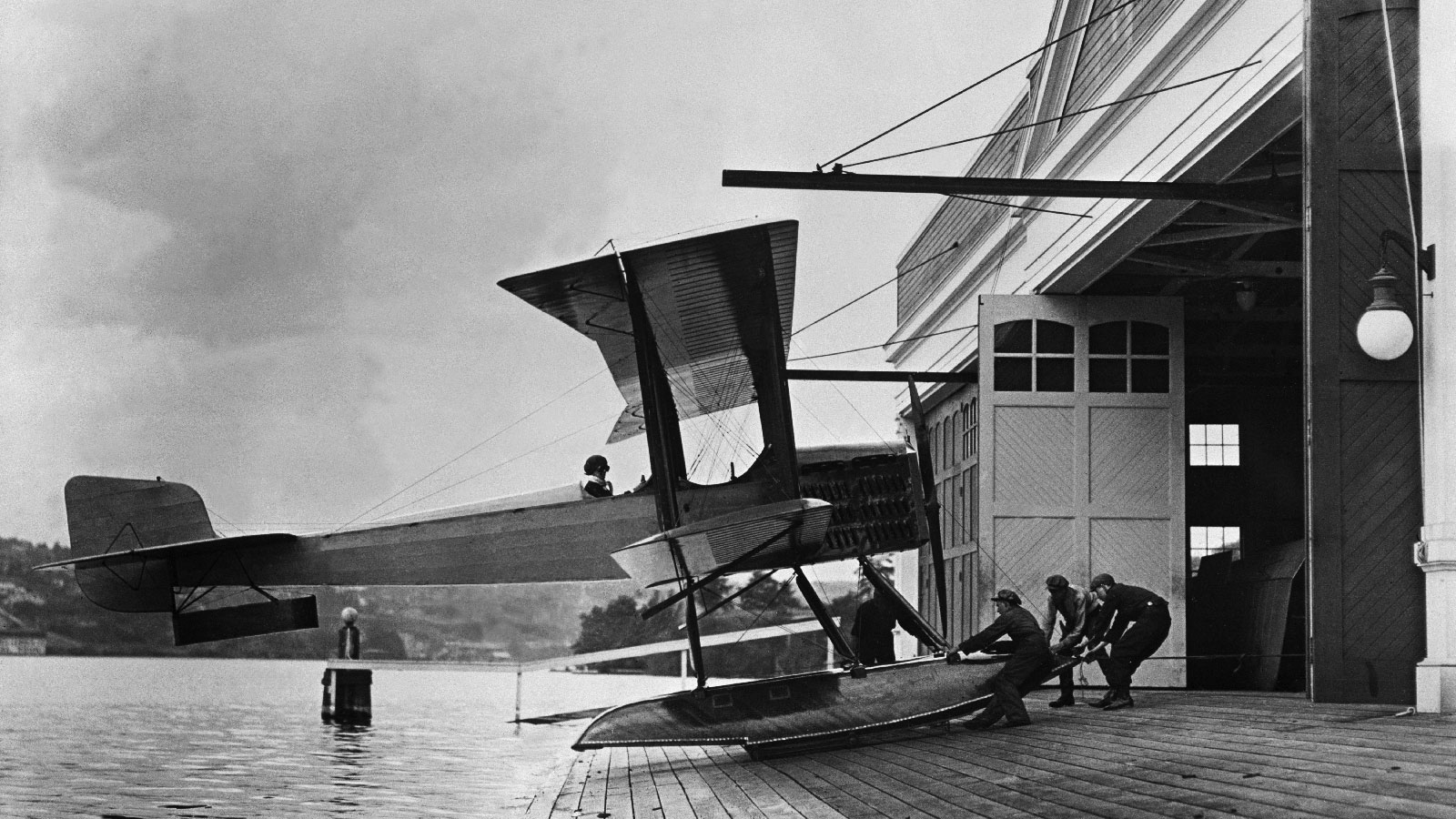
Black and white photo of B&W airplane being pulled onto ramp from water. Boeing's first airplane, the B&W, pulled up on ramp c. 1916.

The historic documents aboard the Freedom Plane are a testament to the resilience and forward-thinking determination that inspired the birth of America 250 years ago. Those foundational principles can be seen on display throughout history, as the Freedom Plane makes its way across the country. During World War I, those very principles were at the forefront when companies like Boeing rose to the challenge.

At the start of World War I in 1914, the main air capabilities of the United States military rested with the six aircraft of the 1st Aero Squadron of the U.S. Army. Curtiss Aeroplane Company, the largest airplane manufacturer in the country, was busy building aircraft for foreign allies and the Boeing Company did not exist. This changed as the war progressed and airplanes became a key asset. Innovations during World War I not only shaped the future for American air power but also laid the groundwork for a small start-up in the Pacific Northwest to become the biggest aerospace company in the world.
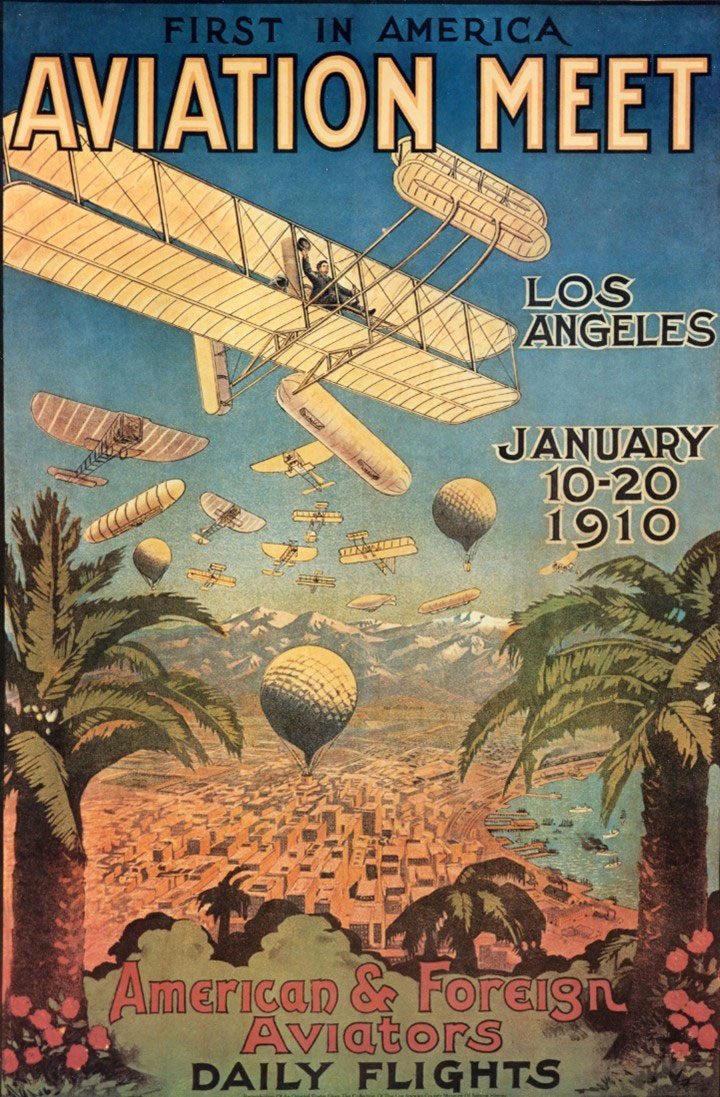
Vintage color Aviation Meet poster featuring aircraft, balloons and palm trees over city Poster for the first Aviation Meet, 1910. Public domain photo.

When Bill Boeing saw an airplane fly for the first time in 1910, airplanes in the United States were flown primarily for entertainment at airshows and exhibitions. Boeing’s first experience occurred at America’s first International Air Meet at Dominquez Field in California, where he asked French aviator Louis Paulhan for a ride. He was denied and wouldn’t get a chance to fly in an airplane until five years later.

black and white or sepia photo of Bill Boeing flying vintage aircraft on water Bill Boeing flying a Martin Seaplane on Lake Washington, Oct. 1915. Public domain photo.

The U.S. military was also exploring the use of flying machines during this time but on a small scale. The Wright Military Flyer was purchased by the U.S. Army Signal Corps in 1909, making it the first branch of the military to purchase an aircraft. In 1910, a Curtiss pilot was the first to take off from the deck of a ship and made the first ship landing the following year. Planes were considered useful for reconnaissance or observation until World War I, the first time they were used for large-scale combat. But it wasn’t until 1916 that America recognized their importance in this capacity.

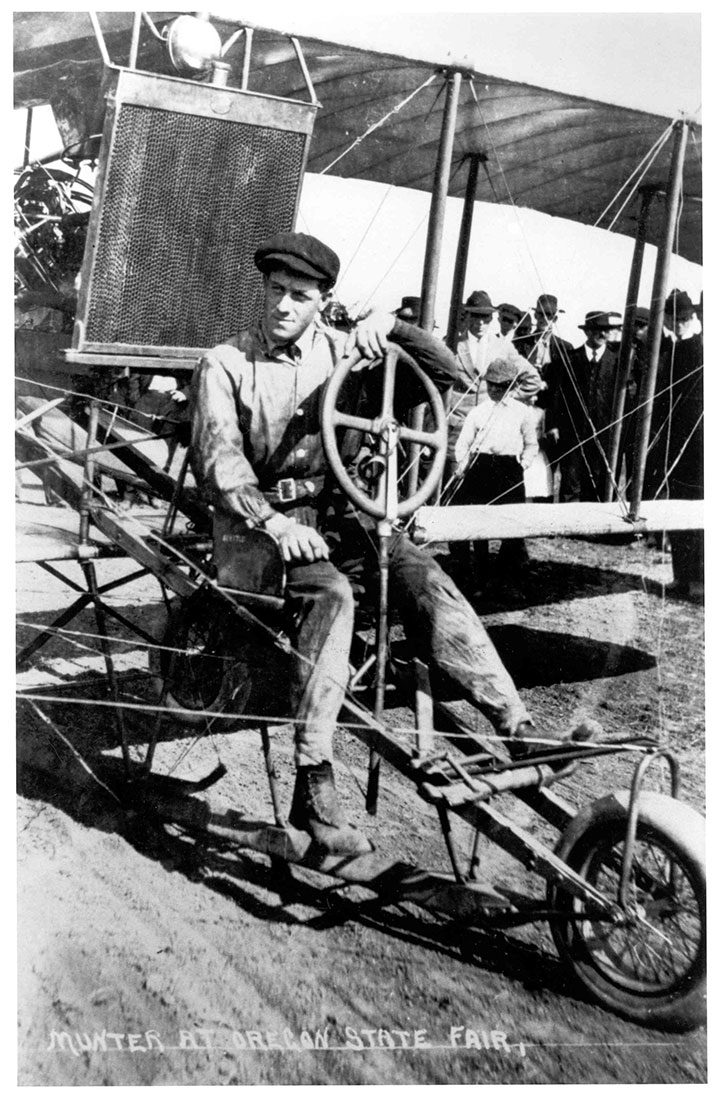
black and white image of man in vintage aircraft Herb Munter, first Boeing test pilot. In 1915, Bill Boeing and Herb Munter dropped pamphlets over a California-Washington football game at the University of Washington advertising the importance of airplanes as defense. Public domain photo.

Bill Boeing finally had his first airplane ride in 1915 and immediately began his mission to “build a better one.” With only a handful of people on his payroll, he incorporated Pacific Aero Products in 1916 (renamed Boeing Airplane Company in 1917) and hoped that the company would be able to produce the company’s first aircraft – the B&W – for the U.S. Navy. Although the aircraft was rejected, Bill Boeing was convinced that the government would need more airplanes, leading him to begin operations in Washington D.C. where the company could easily negotiate for contracts.

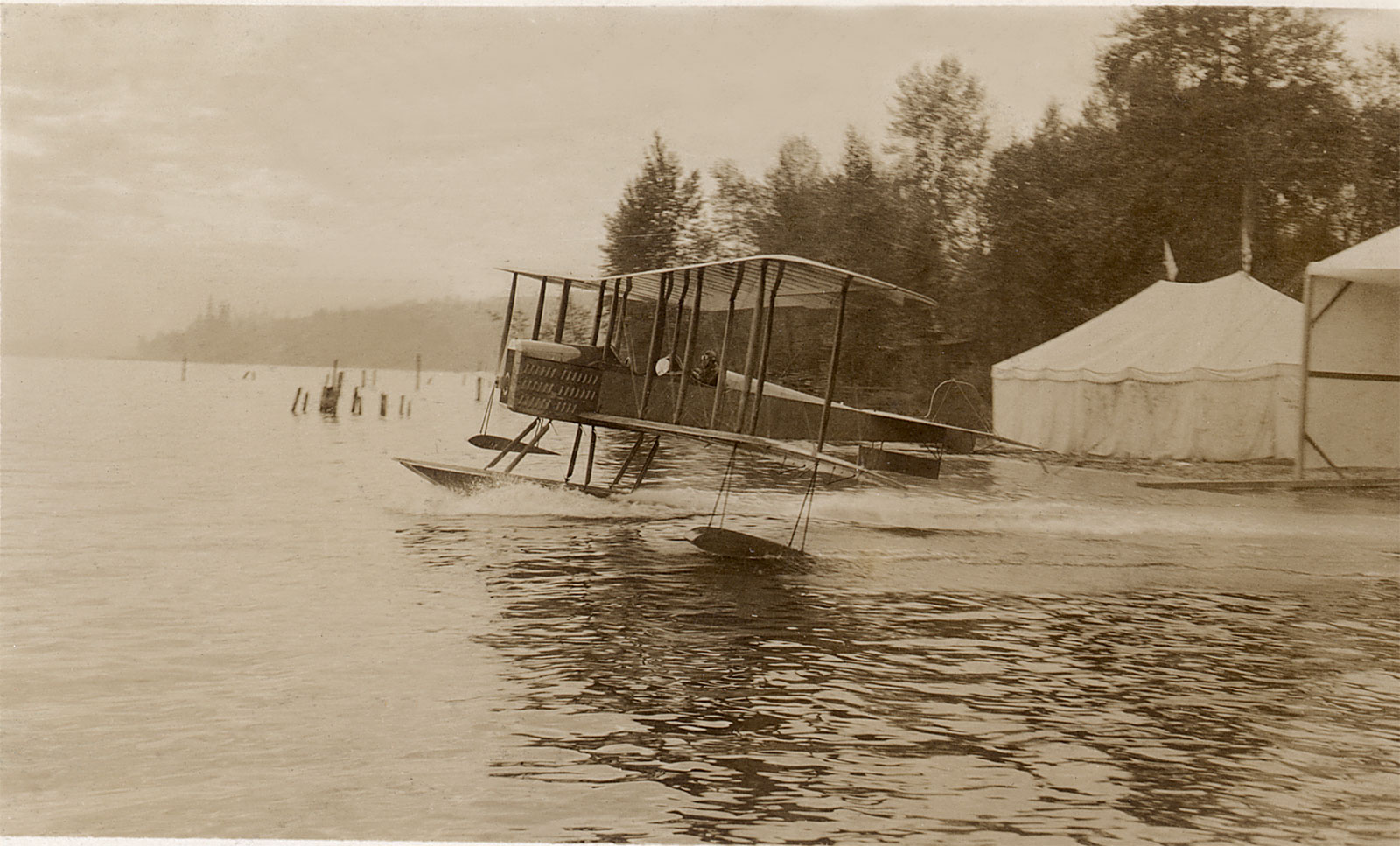
black and white image of B&W aircraft taxiing on Lake Washington Boeing's first plane, the B&W, taxiing on Lake Washington, 1916.

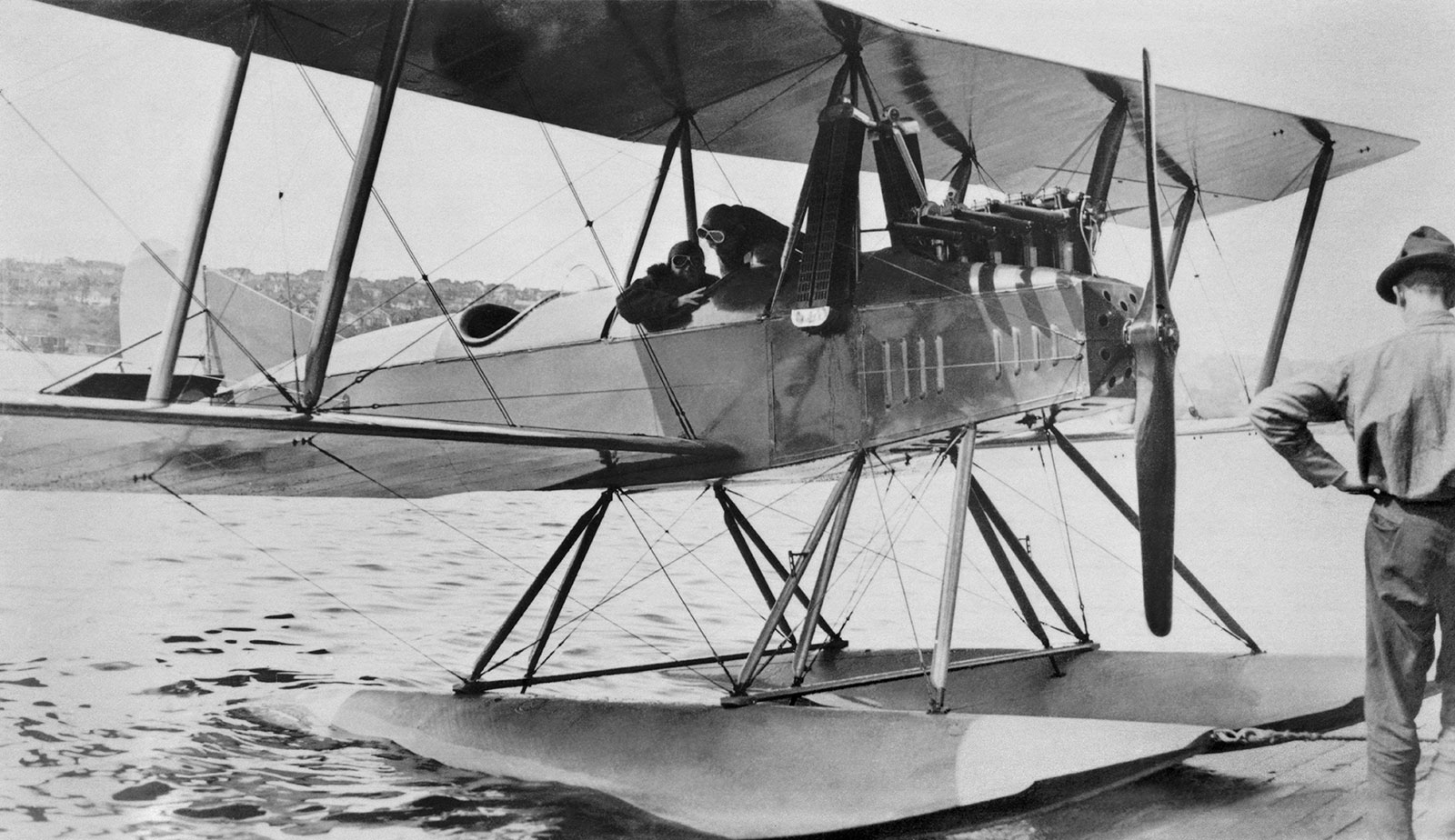
And he was right. After President Woodrow Wilson declared war on Germany the following year, the U.S. Navy commissioned 50 Model C planes, the first all-Boeing design. The two-seat training seaplane built with twin pontoons was the first financial success for the Boeing Co.

Company correspondence during that time highlights the significance this contract had on the business. “We have already received a substantial bit of work which will keep us busy for one year’s time…” Boeing’s cousin, Ed Gott wrote in July of 1918 when discussing the need to obtain a new building, “…this is all Government work and for War purposes only.” Not only did this success allow Boeing to expand its facilities, but the company also began to build its foundation for how to navigate and win government contracts, exploring a relatively new process.

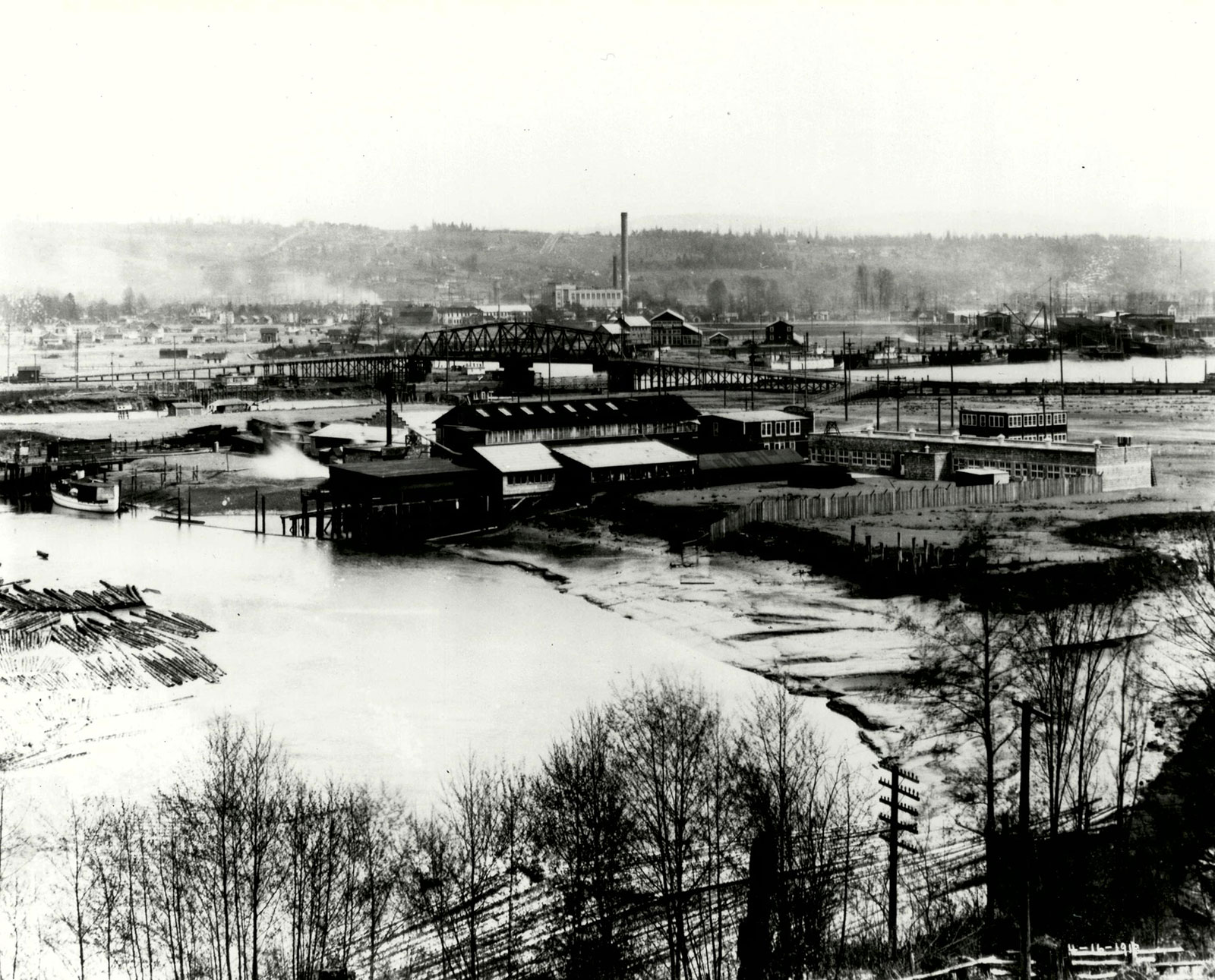
vintage black and white image of Boeing plant I Boeing Plant I, April 1918.

When the war ended in November of 1918, approximately 12,000 aircraft had been built by the United States with less than 200 making it to the front lines. Because America had waited too long to actively invest in airplanes, it was unable to meet the war-time demand for the new technology. Even with the efforts of the manufacturers, the timing was too late and industry too far behind. Other than trainers, most aircraft flown overseas were French, British and German designs. American pilots still contributed, joining the foreign services overseas to fly combat missions with the allies.

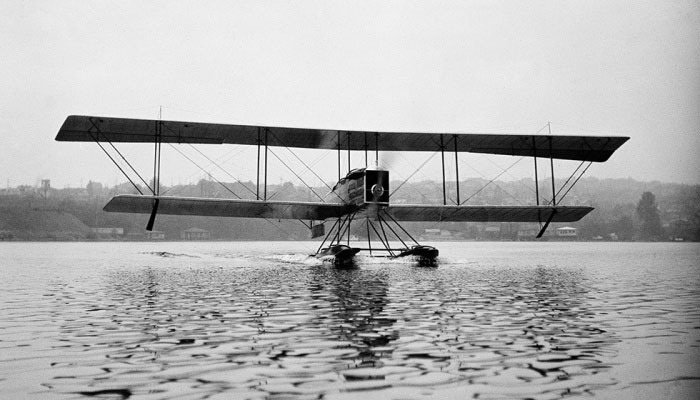
Black and white image of Model C plane docked on Lake Washington Model C docked on Lake Union in Washington state, c. 1917.

Unfortunately for many aircraft companies, the lack of post-war contracts forced them to close their doors and never reopen. What was once a robust pool of competitors dwindled drastically when 90% of production capacity was eliminated. Boeing was one of the few that survived.

The lessons learned during WWI were not lost as the remaining companies continued to improve upon the advancements of airplane technology. What started off as a relatively niche market began to grow as the use for aircraft expanded into defense and beyond. No longer irrelevant, the airplane was seen as the way of the future, not just for the military, but also for other industries like the U.S. Air Mail Service which built upon the success of the war-time innovations.

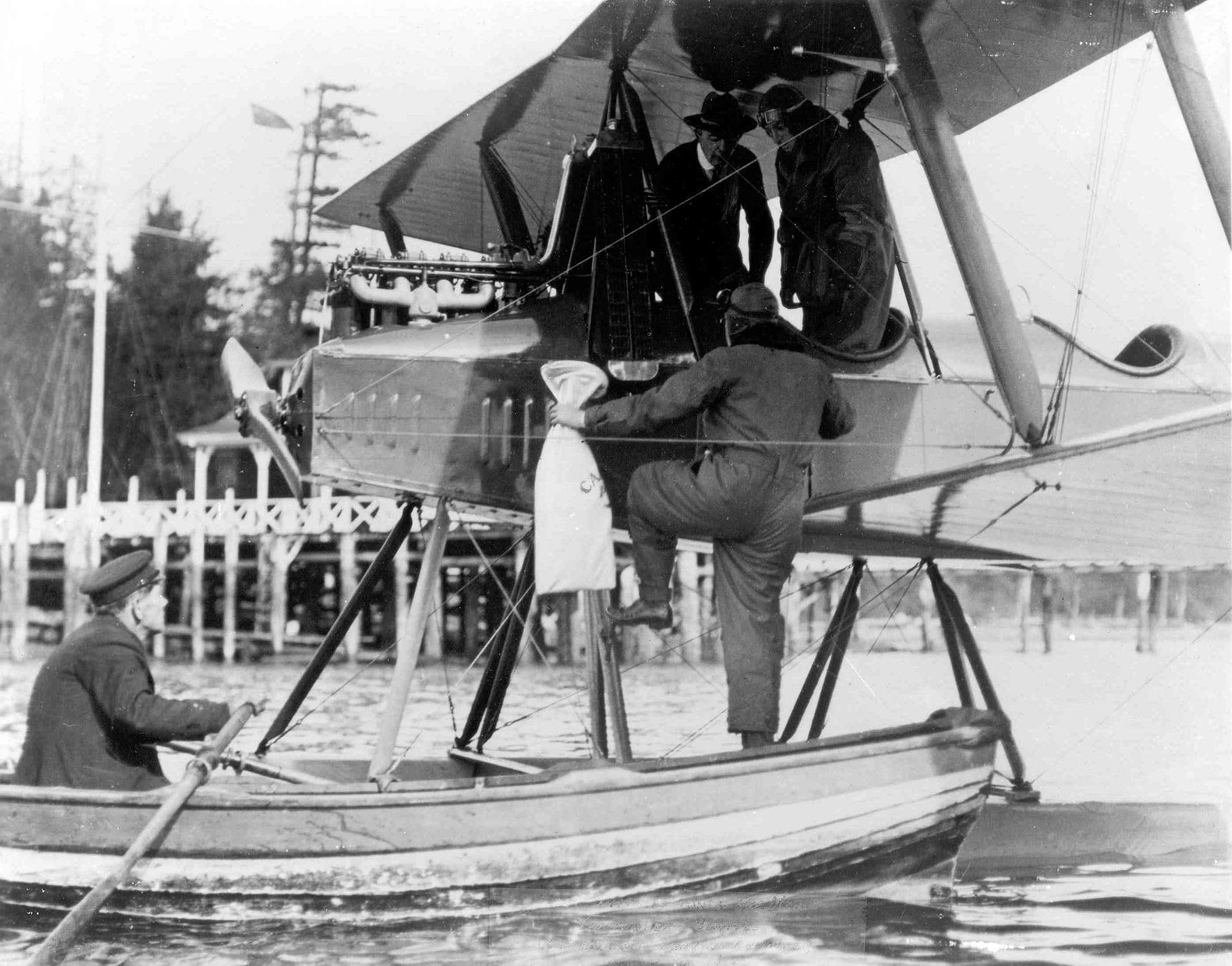
black and white image of two men getting into Model C aircraft with air mail bags Bill Boeing and pilot Eddie Hubbard make the first international mail delivery to Vancouver, Canada, 1919.

While Congress began funding Air Mail service in 1916, supporting the war effort largely took precedent over the civil aviation industry. But only a few years later, military pilots were assigned to fly the mail for training when the air mail service was officially established with a route from New York to Washington D.C. on May 15, 1918. By 1920, radio stations for relaying messages to pilots had been installed at key airfields along the New York to San Francisco route. Within a decade, Boeing Air Transport was the primary air mail carrier in the United States.

black, red and blue Boeing Air Transport logo Boeing Air Transport was established in 1927 and operated the mail route from Chicago to San Francisco.

Aviation during World War I was the catalyst for the United States to commit to a technology that had previously been cast in a shadow of doubt. Now an undeniable asset, the airplane became a symbol of American innovation, growth and connection. While it would take time before the United States established itself as a lead in the field, by the end of World War II, the influence of American-built aircraft was undeniable.

Since World War I, Boeing’s success story has been an American one. It was Bill Boeing’s forward-thinking strategy that secured the first military contract, and his determination kept the company going when so many others failed, just as it was the determination of America to invest in the future. As we celebrate the first stop of the Freedom Plane exhibit at the World War I Museum in Kansas City, we honor the strides that Boeing and other aviation pioneers took to continuously propel the country forward.