Artemis II crew back on Earth after historic lunar flyby

The spacecraft’s ocean splashdown caps a 10-day crewed test flight validating deep space systems for future moon missions.

April 10, 2026 in Space Launch System, Space

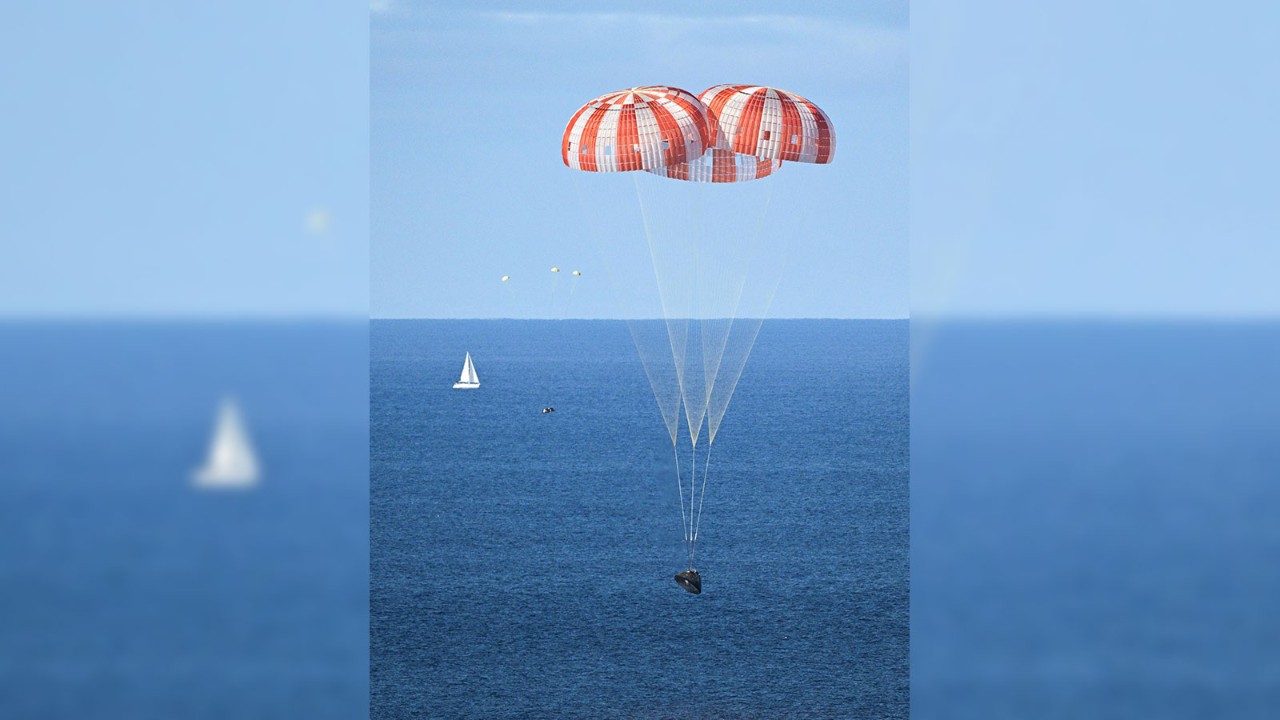
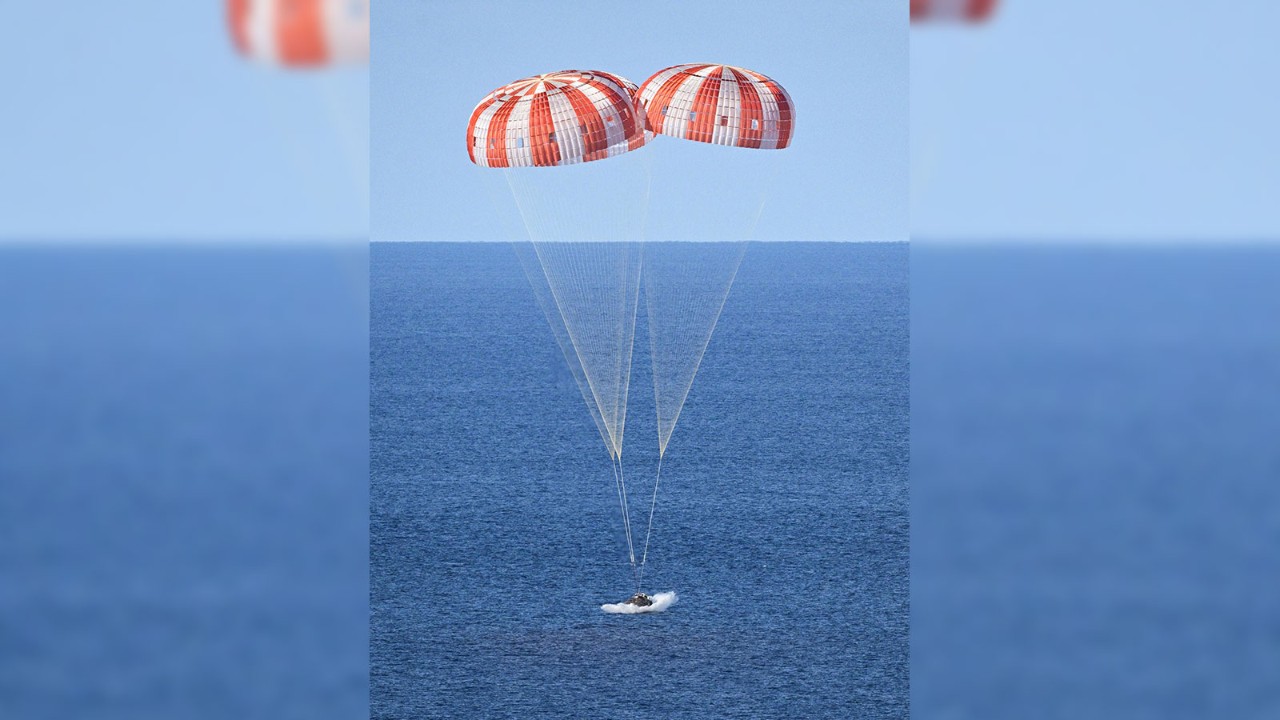
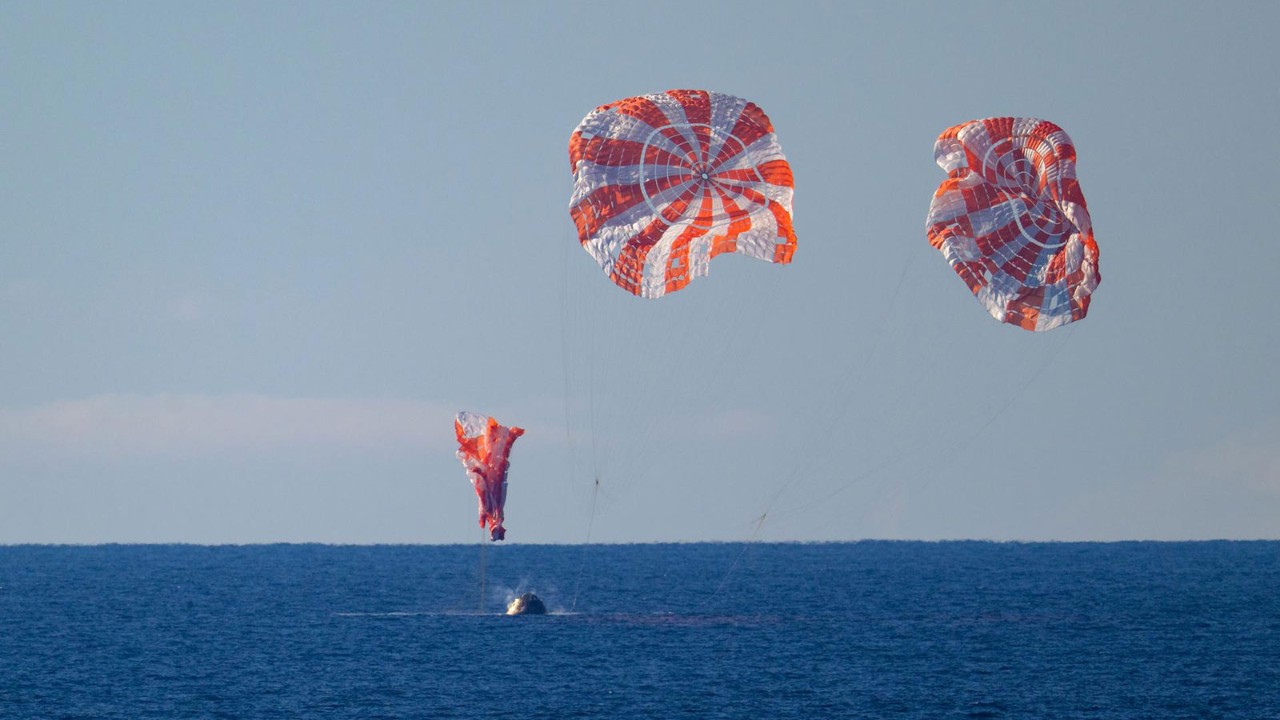
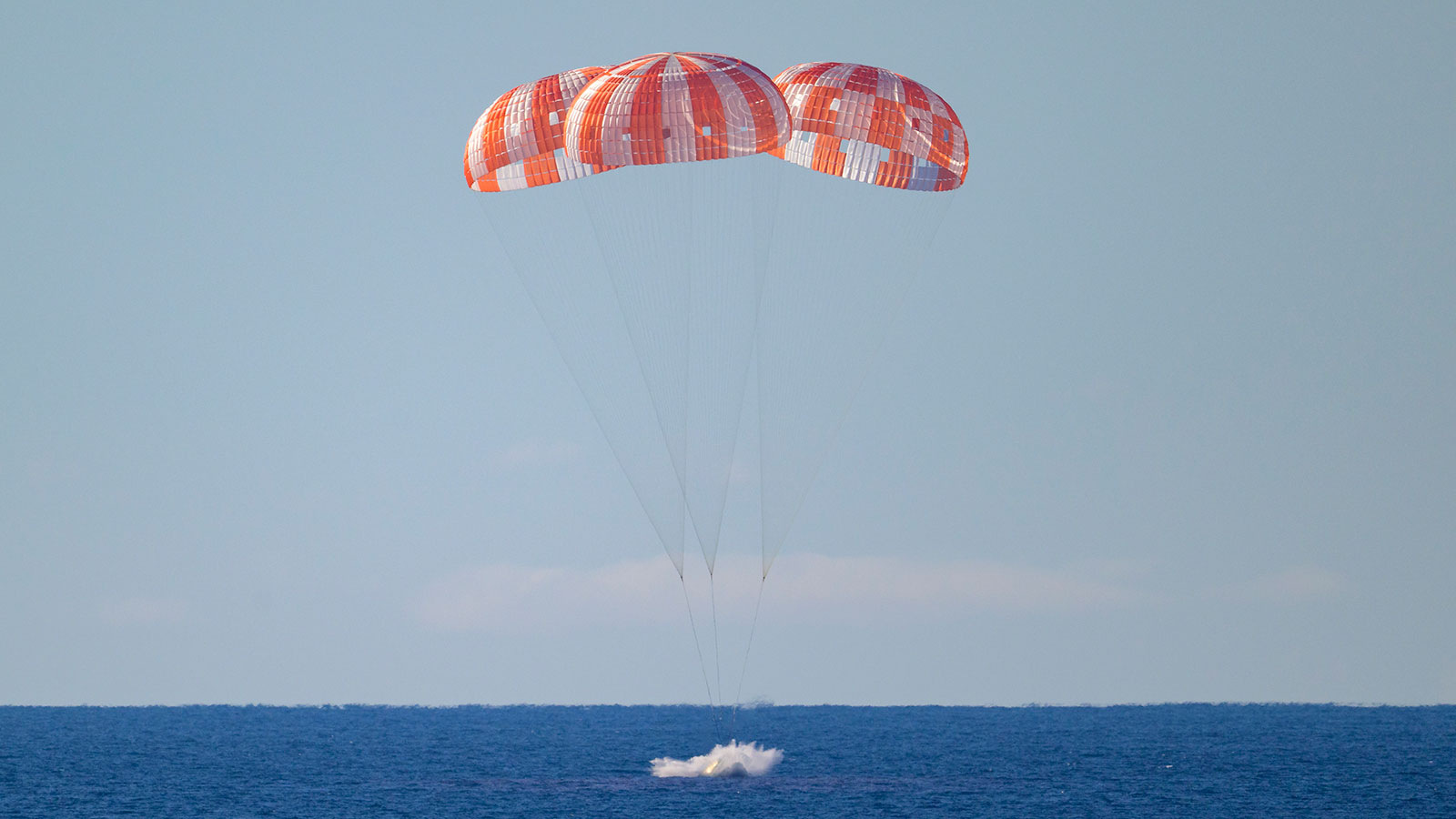
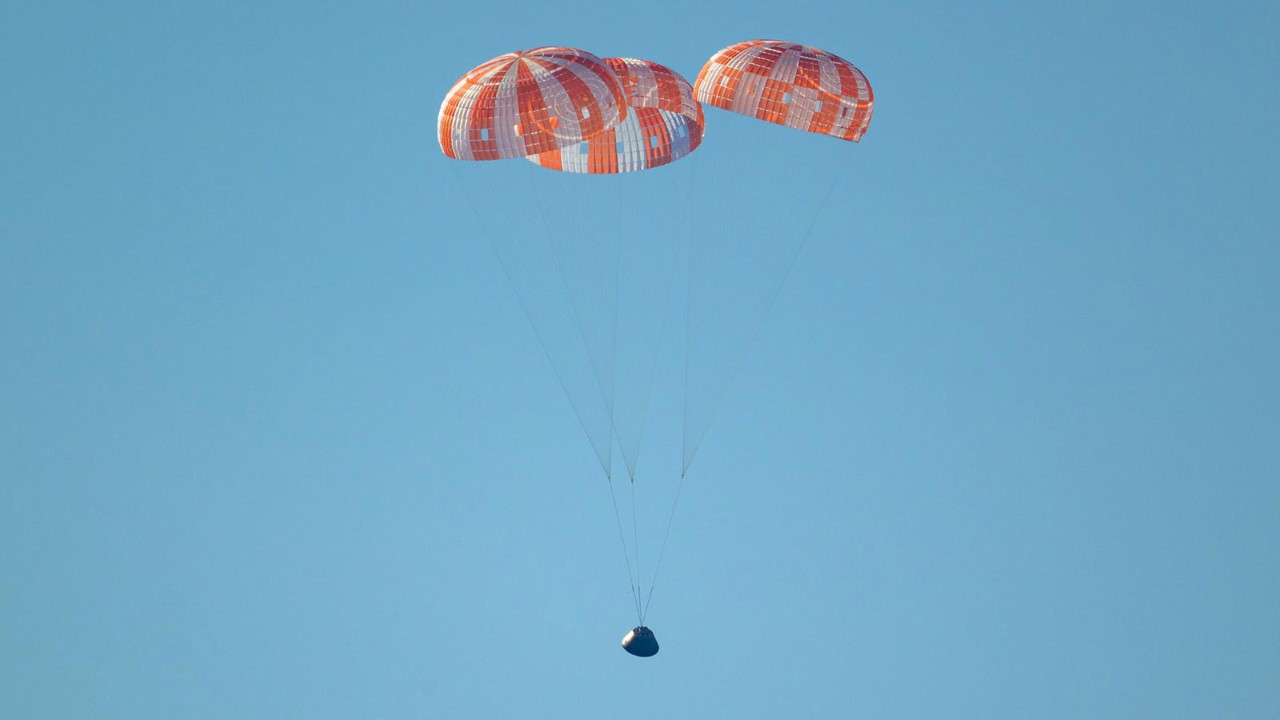
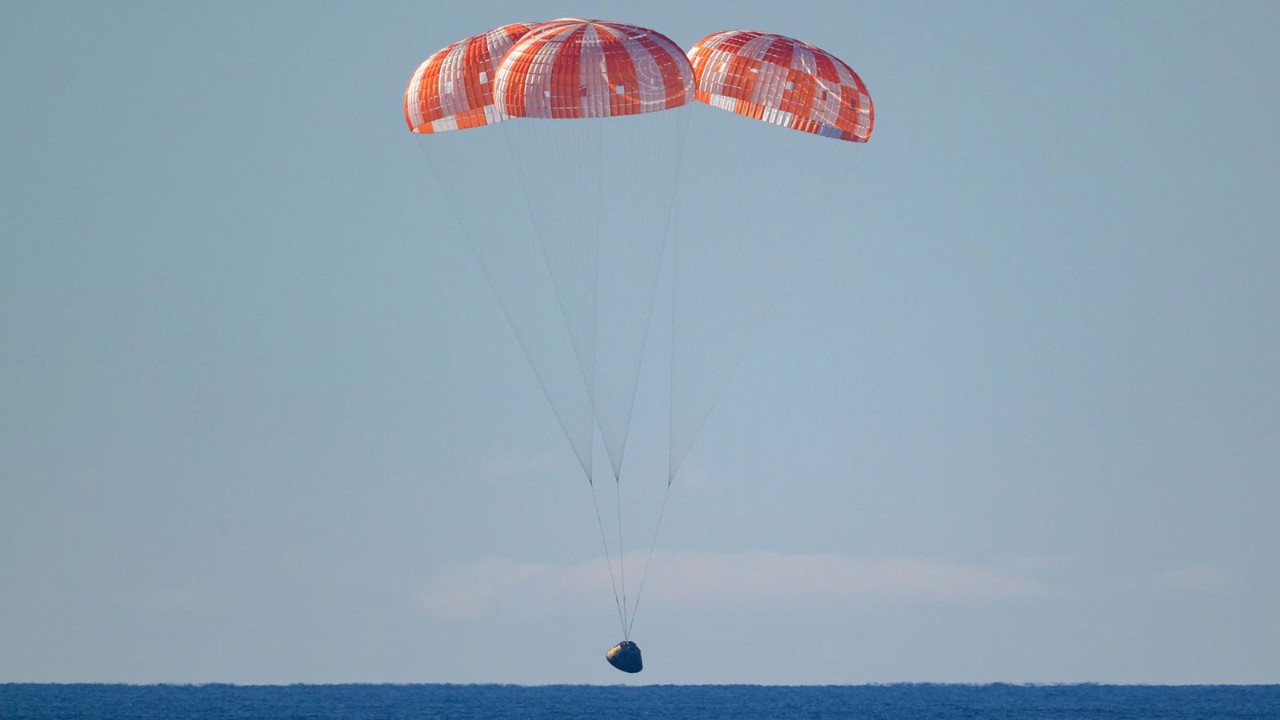
NASA’s Orion spacecraft splashes down in the Pacific Ocean after a successful 10-day mission with the Artemis II crew ― Commander Reid Wiseman, Pilot Victor Glover, Mission Specialist Christina Koch and Canadian Space Agency mission specialist Jeremy Hansen ― on board on April 10, 2026. NASA’s Orion spacecraft splashes down in the Pacific Ocean after a successful 10-day mission with the Artemis II crew ― Commander Reid Wiseman, Pilot Victor Glover, Mission Specialist Christina Koch and Canadian Space Agency mission specialist Jeremy Hansen ― on board on April 10, 2026. (NASA/Bill Ingalls photo)

Artemis II mission complete: NASA astronauts Reid Wiseman, Victor Glover, Christina Koch and Canadian Space Agency astronaut Jeremy Hansen splashed down in the Pacific Ocean off San Diego at 8:07 p.m. Eastern time Friday after completing a 694,481-mile (1.1 million-kilometer) test flight around the moon and returning safely to Earth.

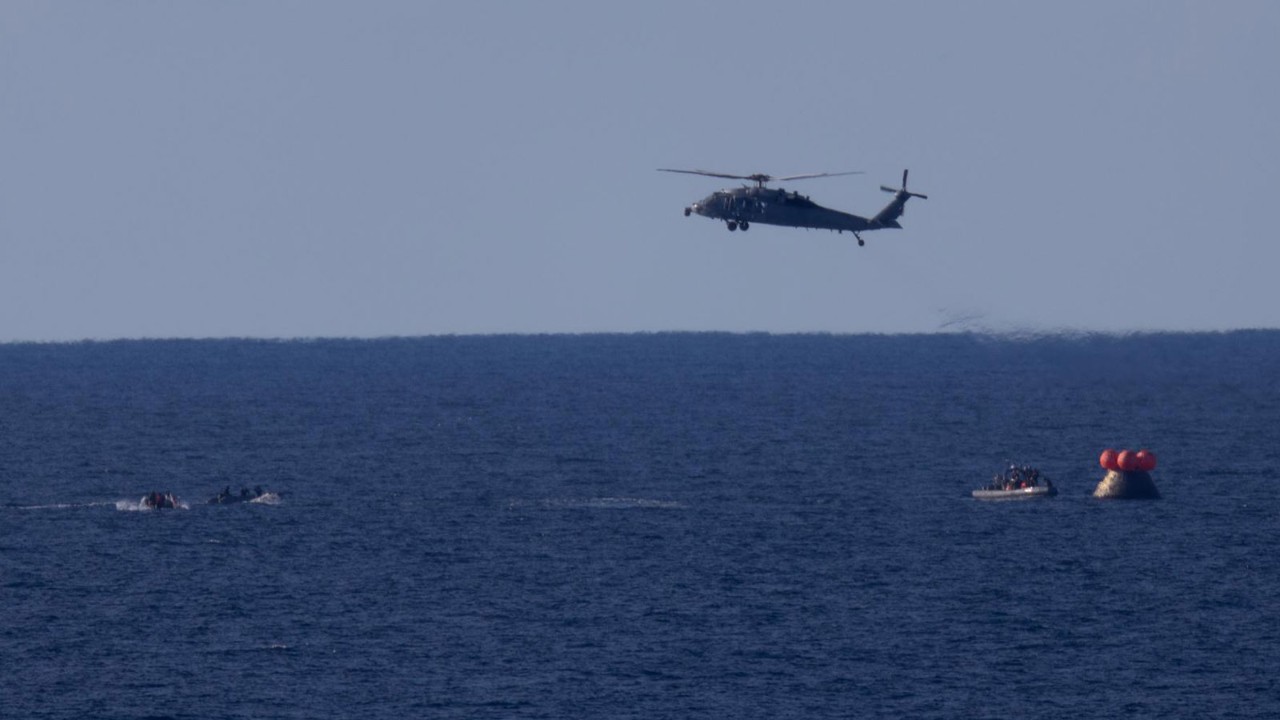
  • Recovery teams retrieved the crew, assisted them into an inflatable raft and flew them by helicopter to the USS John P. Murtha for post-mission medical checks.

Why it matters: This mission marks humanity’s return to the vicinity of the moon for the first time since 1972 and validated the Orion spacecraft’s systems during a crewed deep space flight, a necessary step for future lunar exploration.
Driving the news: Artemis II launched April 1 at 6:35 p.m. Eastern from Launch Pad 39B at Kennedy Space Center, Florida, aboard NASA’s Space Launch System.

  • Boeing is the prime contractor for the core stage, upper stage and avionics suite for NASA’s Space Launch System rocket, which played a critical role in the mission’s launch and early ascent phase.
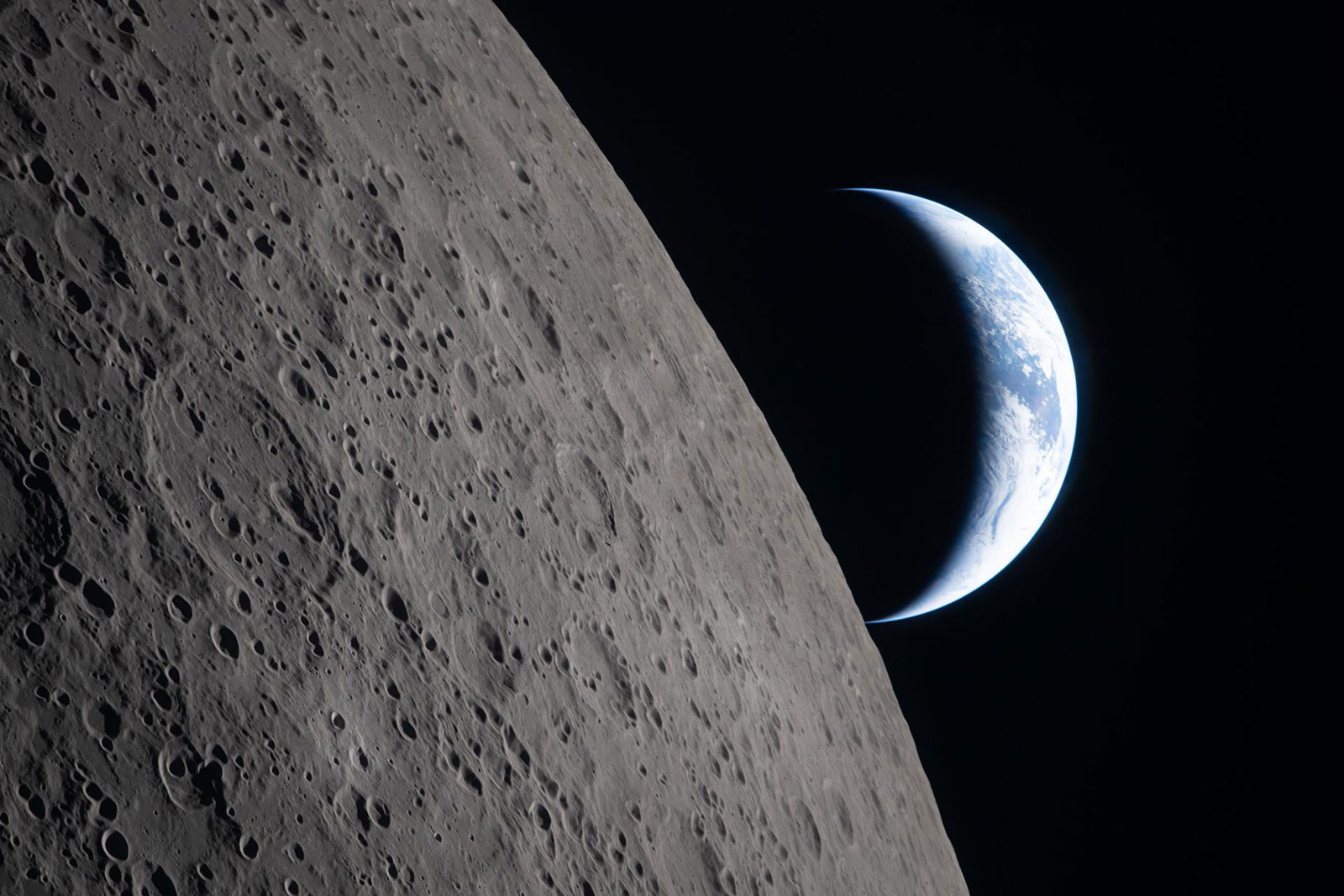
  • The crew’s lunar flyby took them farther into space than any humans before, allowing them to observe areas of the far side of the moon never seen by human eyes.
The Artemis II crew captured this image of a crescent Earth setting on the edge of the visible surface of the moon, called the “lunar limb.” The Artemis II crew captured this image of a crescent Earth setting on the edge of the visible surface of the moon, called the “lunar limb.” (NASA photo)

The big picture: Artemis II demonstrates key capabilities needed for sustained lunar exploration and for future crewed missions beyond low Earth orbit.

  • It tested life-support and control systems under real mission conditions.
  • The flight helps clear the way for later Artemis missions that will go farther and carry more complex objectives.

Megan Gessner