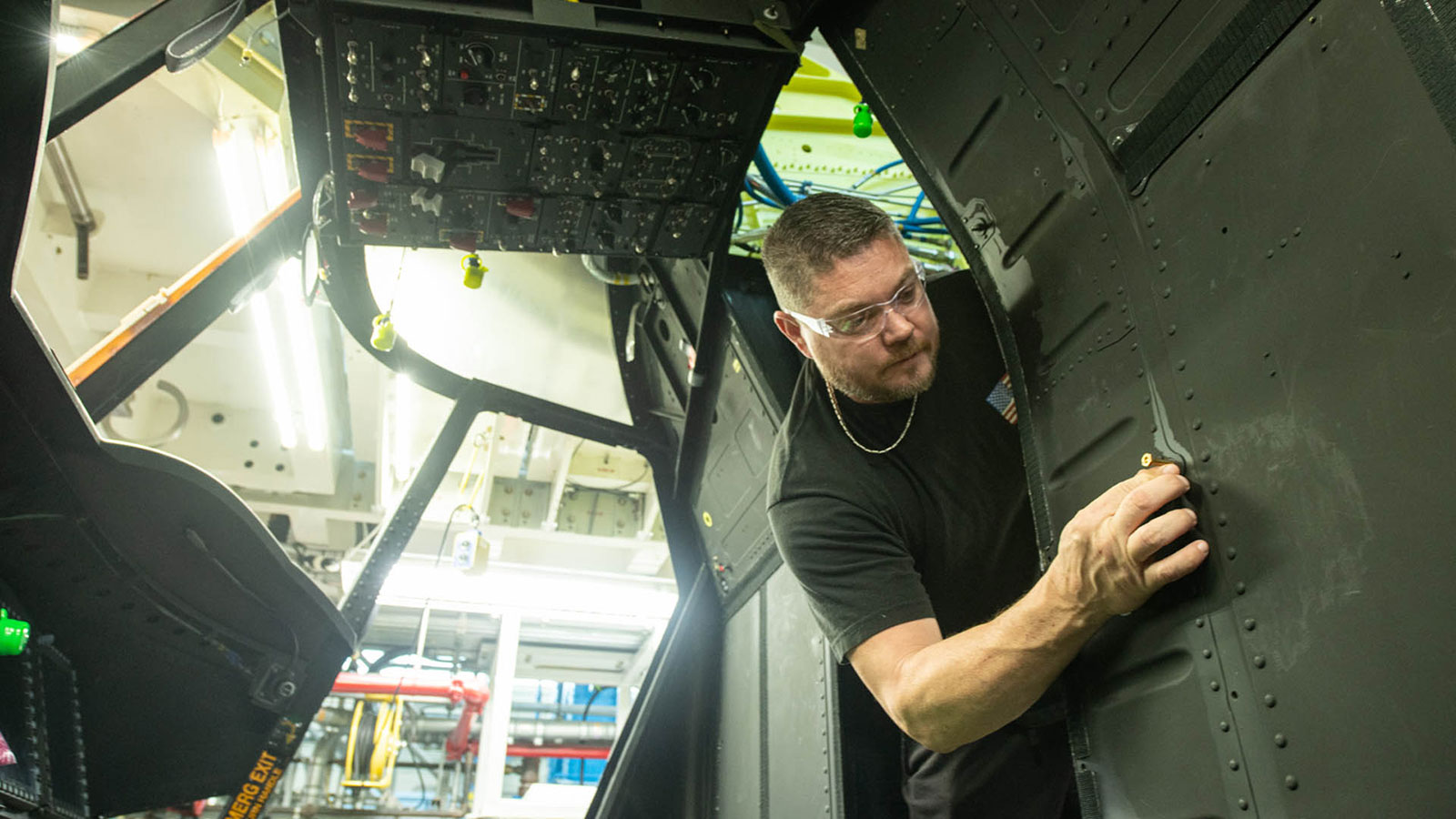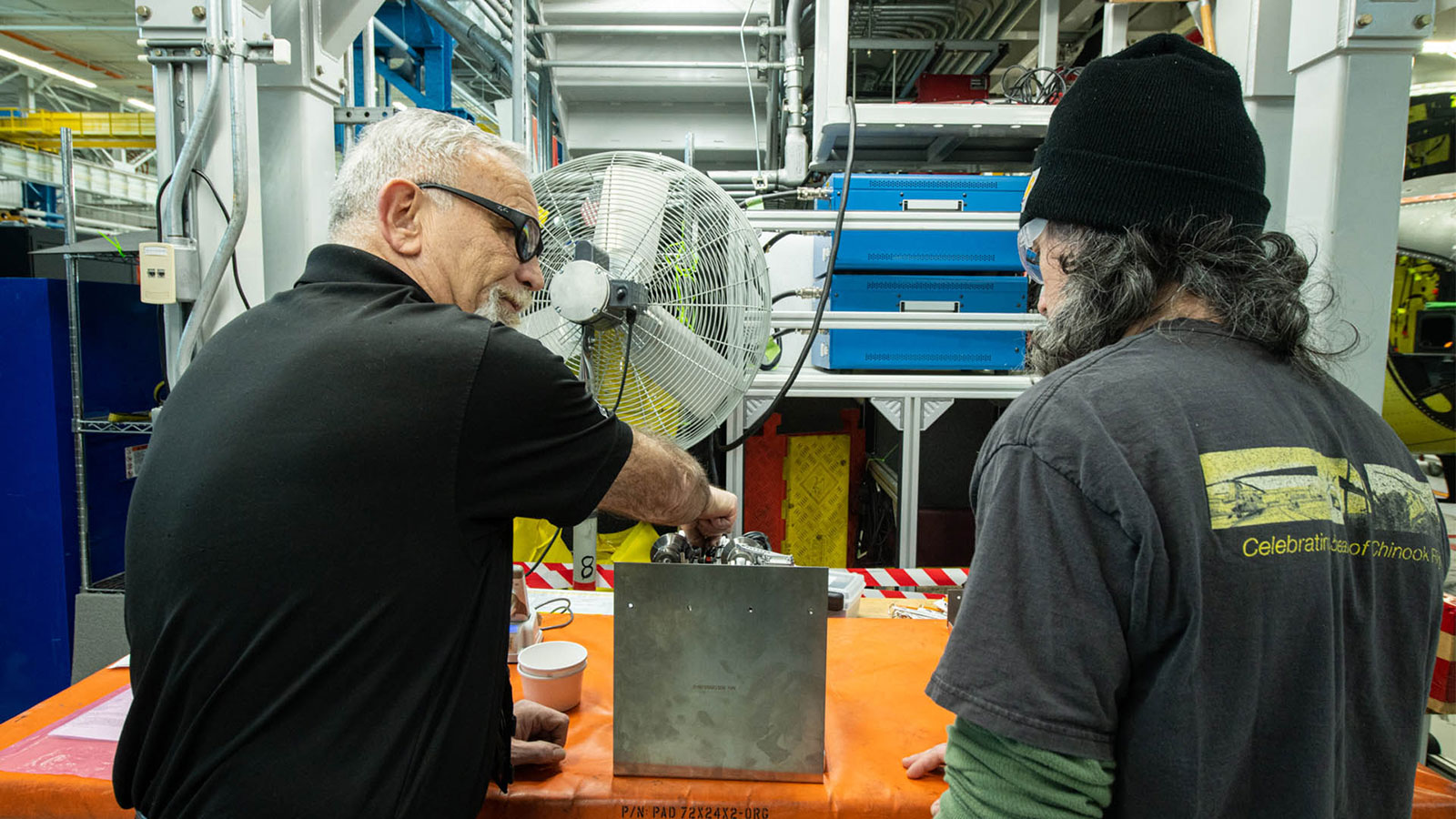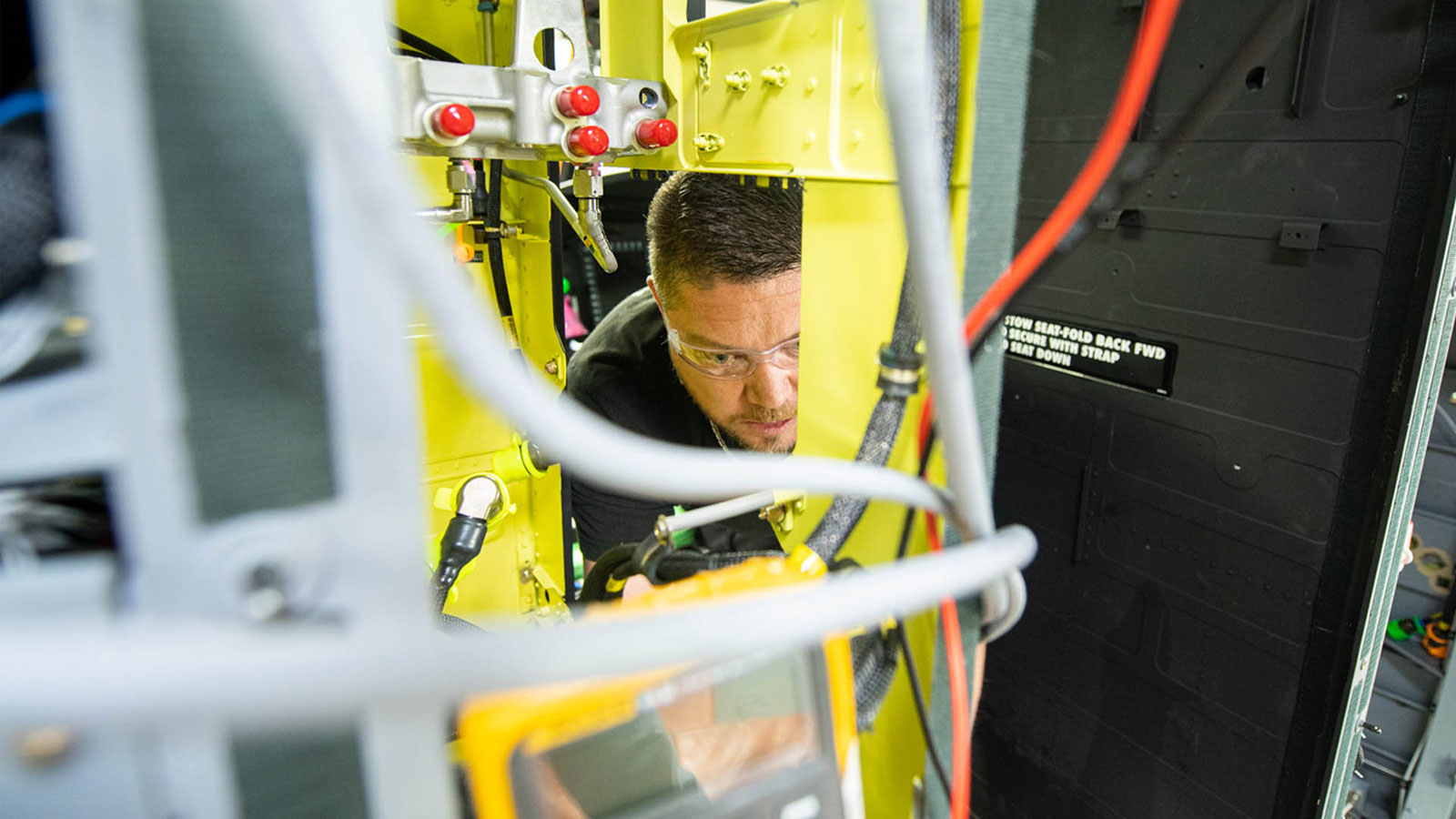
After years of development and post‑production modifications, Boeing has added the Active Parallel Actuator System (APAS) to the Chinook production line — turning a prototype that reduces pilot workload, boosts situational awareness and enables safer maneuvering at the aircraft’s limits into a production‑ready capability.
- In February, the production team installed the first APAS in an Extended Range aircraft for the United Kingdom.
Why it matters: Customers buying or evaluating APAS will get the capability straight off the production line.
- “Special Operations Aviation performs some of the most challenging missions imaginable,” said Jason Hickman, MH-47G project manager and former U.S. Army 160th Special Operations Chinook pilot. “Technology like APAS fits perfectly in that portfolio and can work fantastically in other mission profiles, whether it’s a tactically high-risk urban mission with the best pilots in the world at the controls or a tactically low-risk mission with an inexperienced crew.”
Driving the news: Engineering teams redesigned the flight control closet to accommodate APAS hardware that looks different from previous capabilities.
- New APAS software adds advanced control laws, flight‑envelope protection, tactile (stick‑force) cueing and back‑drive while retaining the Chinook’s hydromechanical primary flight controls.
- Per Hickman: “Speaking as a retired Special Operations aviator and having seen the work of the technical team and the combined test team, I know APAS isn’t just another piece of technology; it’s a game-changer that helps pilots and crews get the job done safely and effectively, no matter the mission.”