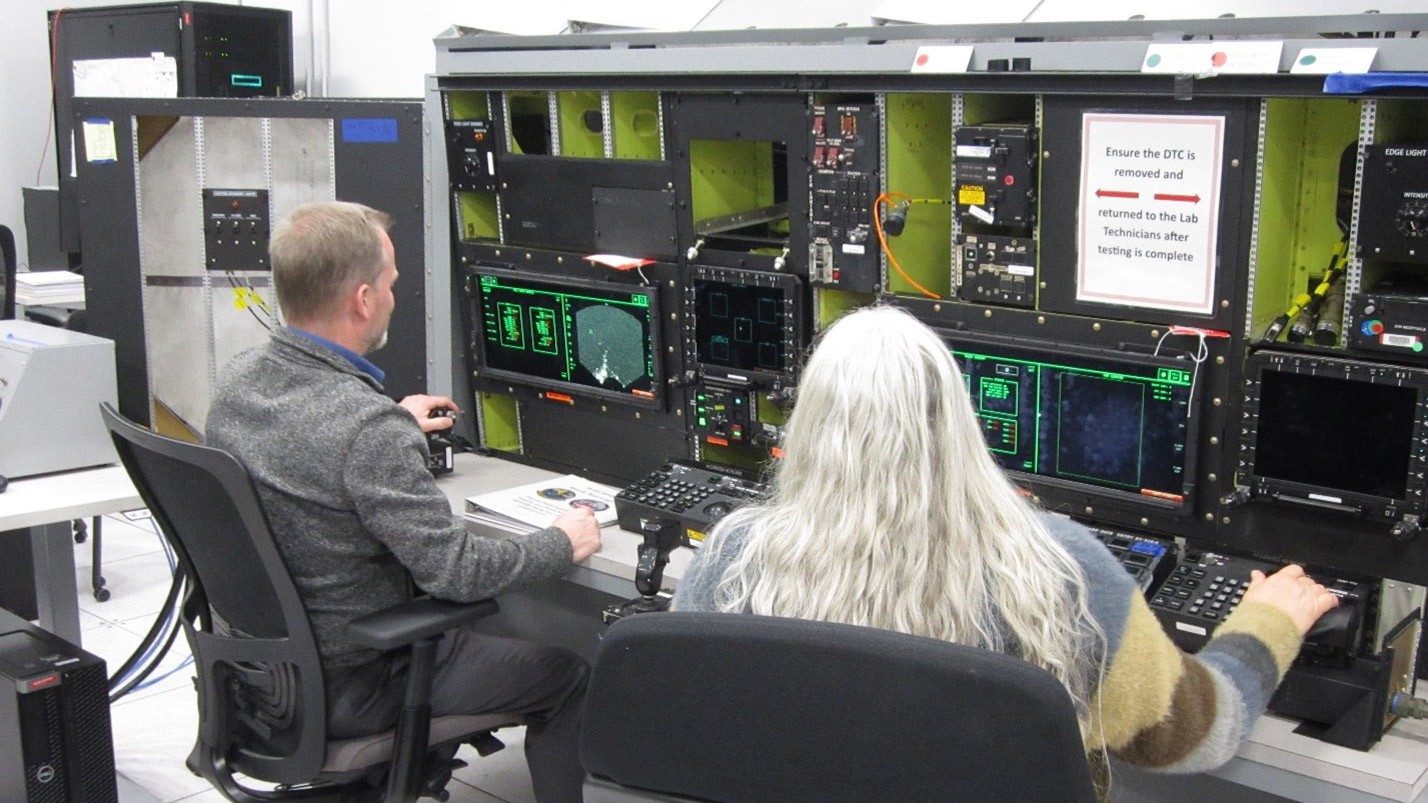
Lessons learned: Doing testing now helps the team accelerate the program schedule by building engineering hardware early, allowing software developers to test against real systems instead of waiting for a final integrated build. This parallel approach produced faster feedback loops, revealed issues sooner and let software be refined iteratively while hardware development continued.
- “This is a win-win for everyone,” Anderson said. “Finding problems sooner lets us fix them earlier in the development process, keeps work moving and gets aircraft available sooner for operations.”
The big picture: RMP aims to enable new capabilities to the established design of the B-52, such as improved navigation accuracy, high-resolution mapping, and enhanced target detection and tracking. The new radar, APQ-188, is a variant of the F/A-18 fighter’s APG-79 radar modified for B-52 missions.
- “This radar is a game-changer,” said Todd Scherm, B-52 Advanced Programs manager and former B-52 radar navigator. “The radar images and new modes of operation greatly enhance mission effectiveness and boost flight safety at the same time.”
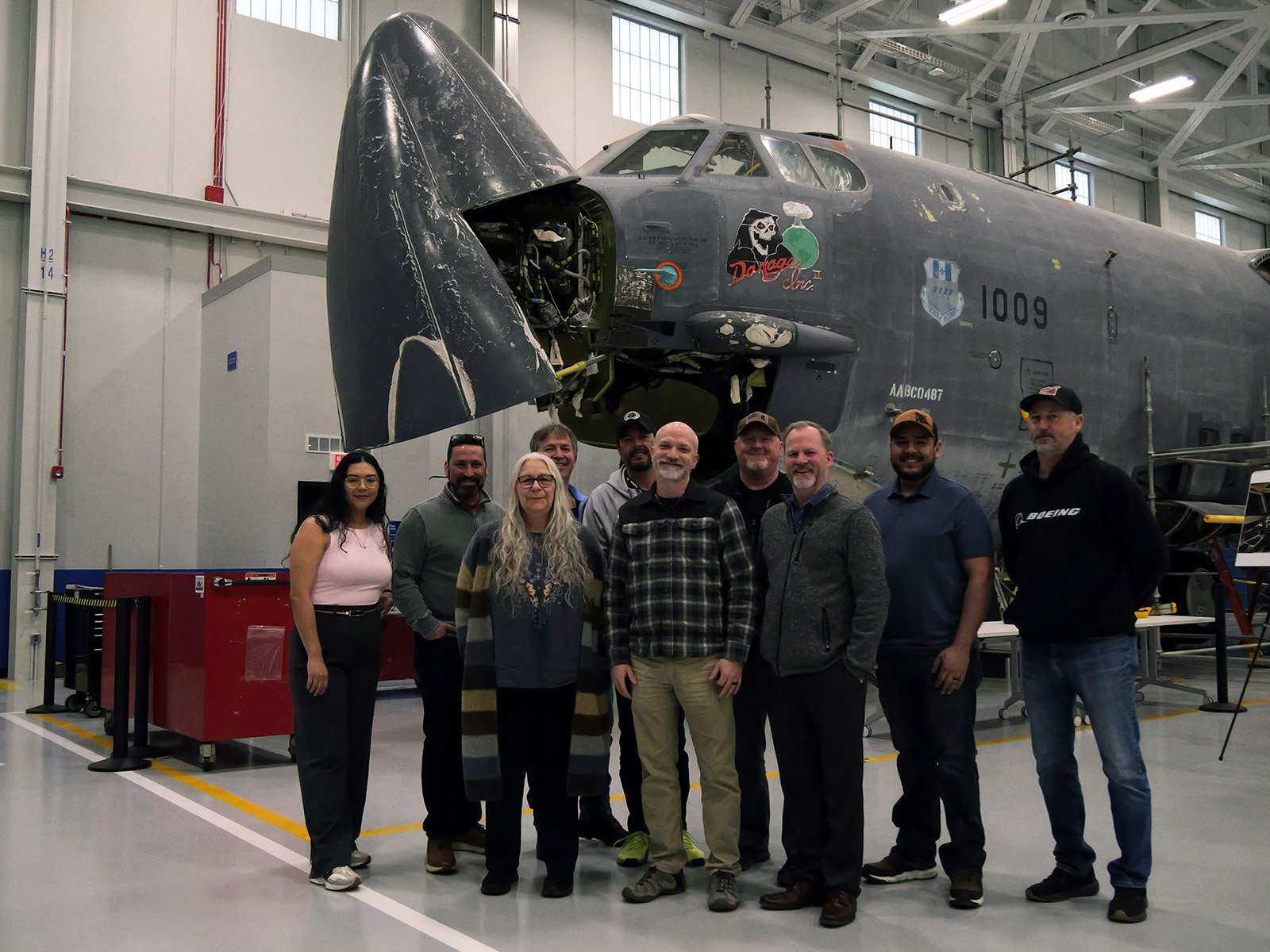
- The first test B-52 aircraft was delivered to Edwards Air Force Base, California, in December of last year to conduct further test and evaluation, while the second test aircraft is at Boeing San Antonio receiving its new modifications having new radar installed.
The bottom line: “Our teammates have constantly shown up to help each other and our customer to receive this crucial capability, regardless of rain or snow,” Matlock said. “I am thankful for everyone who puts in the countless hours to help put one of the most advanced radars in the world on an aircraft with this importance and history.”
By Peter Agnitsch