First US Navy MQ-25A Stingray completes test flight

The two-hour flight validated the unmanned aerial refueler’s flight controls, a key step toward aircraft carrier operations.

April 27, 2026 in Innovation, Defense, MQ-25 Stingray

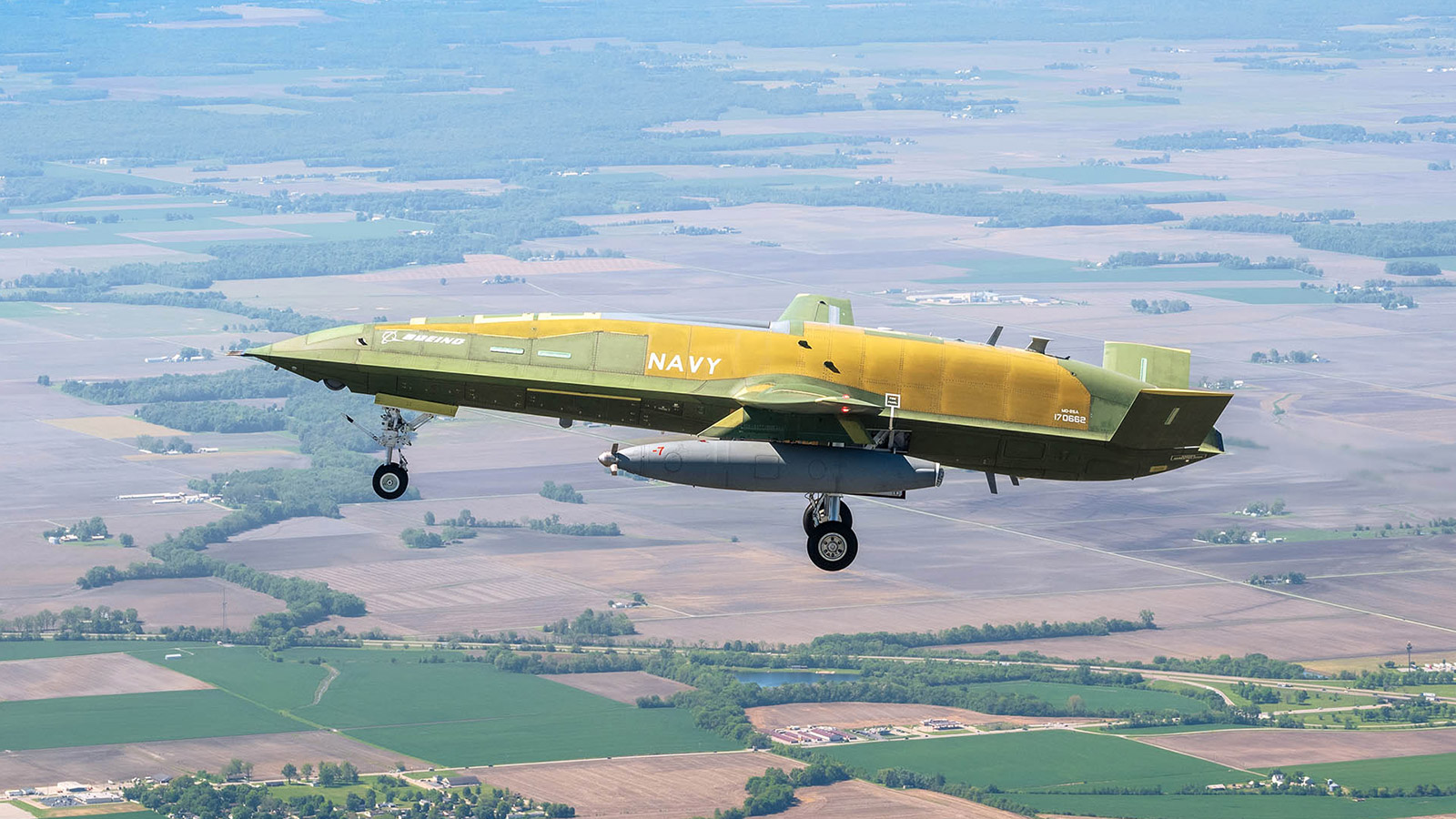
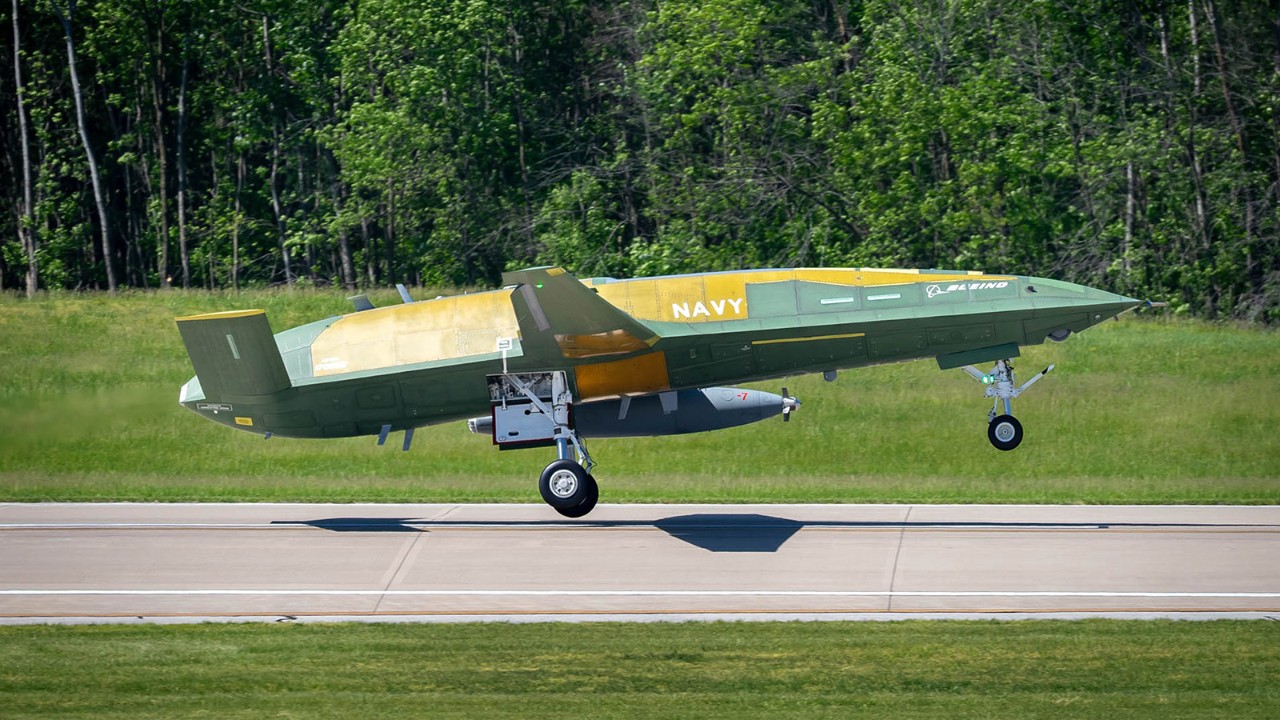
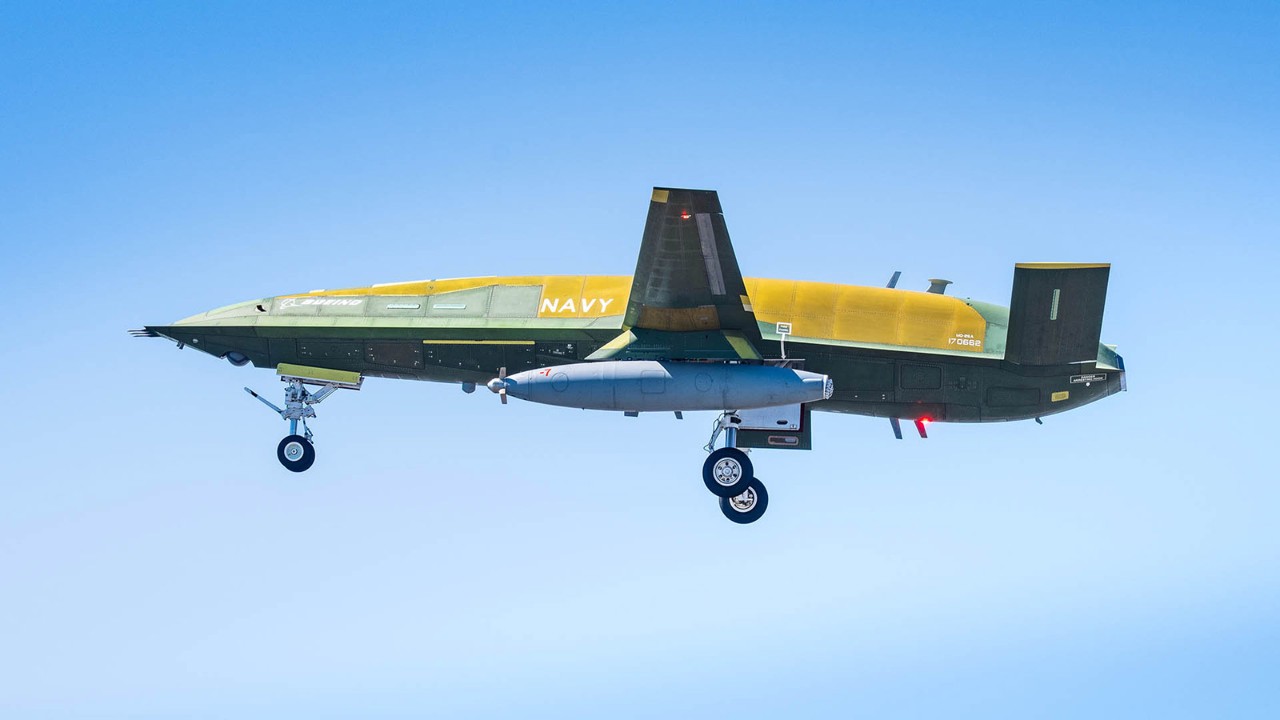
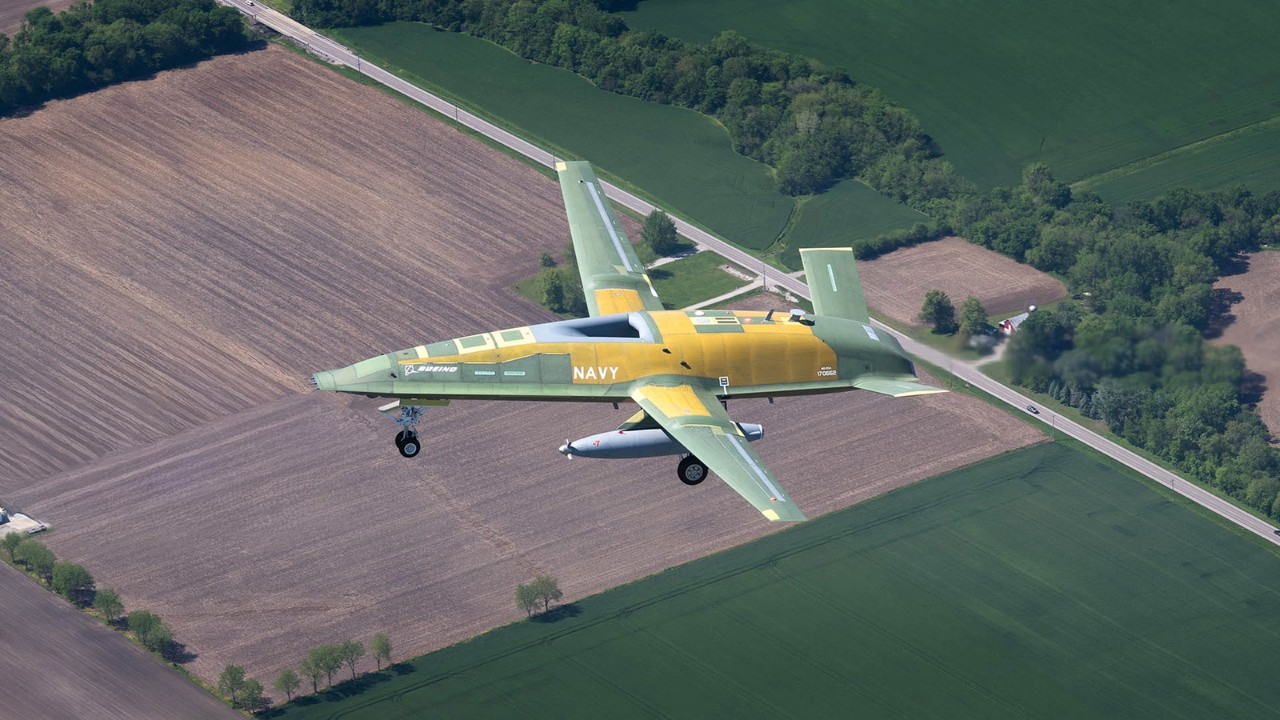
The first operational U.S. Navy MQ-25A Stingray soars over southern Illinois during a successful two-hour first flight on April 25.

Boeing and the U.S. Navy have successfully completed the first test flight of an operational MQ-25A Stingray™.

Why it matters: The milestone marks the first time a U.S. Navy MQ-25A Stingray has taken flight, advancing the Stingray closer to aircraft carrier operations.

The first operational U.S. Navy MQ-25A Stingray soars over southern Illinois during a successful two-hour first flight on April 25. This video features music and natural sound only, no narration. (© Boeing photo and video)

Driving the news: During the two-hour flight the unmanned aircraft executed a series of tests and maneuvers to validate its basic flight controls and operations with the Unmanned Carrier Aviation Mission Control System (UMCS) MD-5 Ground Control Station (GCS).

How it works: The MQ-25A is an autonomous aircraft with a human on the decision-making loop.

  • Air Vehicle Pilots (AVPs) create flight routes and establish the waypoints for the aircraft’s flight. Once the AVP gives the command, the Stingray’s onboard autonomy manages all onboard systems including propulsion, subsystems, guidance, and flight control. During the flight, AVPs continue to monitor the aircraft’s health and performance from the UMCS and have the ability to abort or change the mission profile as needed to achieve success.
  • During first flight the Stingray executed a predetermined mission plan, which had the aircraft autonomously taxi, take off, fly and land with the push of a few buttons from AVPs.

Meaningful milestone: The MQ-25A is the Navy’s gateway to integrating unmanned aircraft on the carrier deck and enabling manned-unmanned teaming. The aircraft’s much-needed autonomous aerial refueling capability will extend the operational range of the carrier air wing and allow the F/A-18 Super Hornets currently performing the aerial refueling role to focus on their primary role as a multi-role strike fighter.

“Today’s successful flight builds on years of learning from our MQ-25A T1 prototype and represents a major maturation of the program,” said Dan Gillian, vice president and general manager, Boeing Air Dominance. “The MQ-25A is the most complex autonomous system ever developed for the carrier environment, and this historic achievement advances us closer to safely integrating the Stingray into the carrier air wing.”

“Watching our first Navy aircraft complete an autonomous flight underscores what disciplined teamwork and rigorous testing deliver,” said Troy Rutherford, vice president, Boeing MQ-25 program. “Today would not have been possible without the hard work and dedication of our Boeing, Navy, and industry team. Together, we are redefining the future of naval aviation and pushing the boundaries of what’s possible with autonomy.”

What’s next: Boeing and the Navy will conduct additional test flights out of MidAmerica St. Louis Airport to further validate the aircraft’s flight controls and capabilities.

  • Following those tests, the aircraft will transition to Naval Air Station Patuxent River, Maryland, to prepare for aircraft carrier qualifications.

Catch up quick: The Boeing-owned MQ-25A T1 test asset first flew in 2019 and accumulated approximately 125 hours in the air over the course of its lifetime. The prototype T1 laid the groundwork for the first U.S. Navy MQ-25A that successfully completed its April 25 test flight.

By Jarrett Heckert