
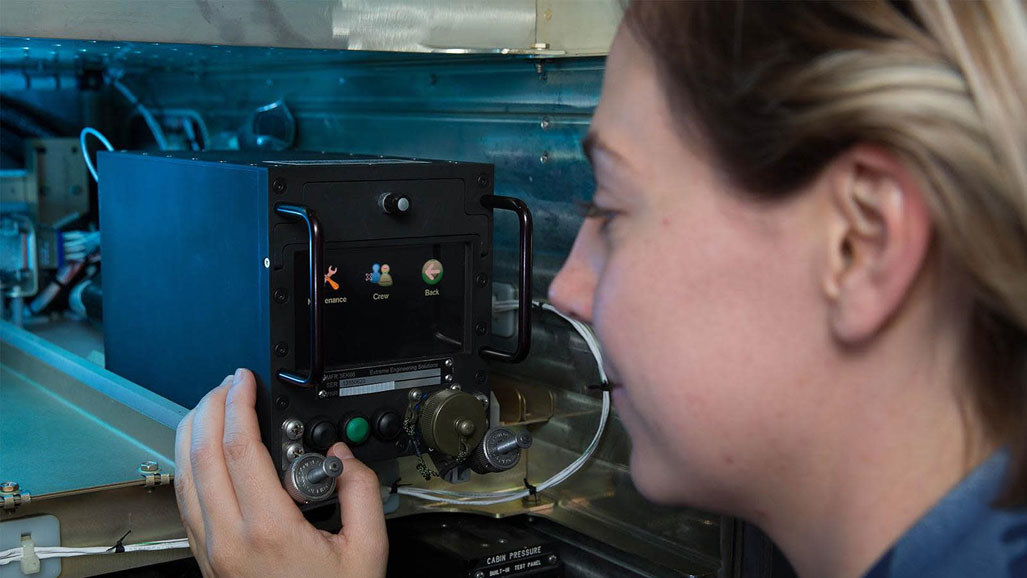
Boeing has developed an Aircraft Data Reasoner (ADR) for the C-17A Globemaster III aircraft that pulls onboard aircraft data to improve maintenance decision-making across the global fleet.
Why it matters: The ADR delivers better visibility into system and component health to target and prevent potential issues, keeping planes mission-ready and reducing risk of aircraft failure during off-station missions.
Driving the news: The system expands datasets beyond the platform’s legacy feeds. When the ADR is combined with the program’s supply‑chain systems, the analysis team can predict potential failures and position parts where they’re needed.
How it helps C-17A’s now:
- Predictive maintenance: The analysis team can leverage ADR data to identify components that begin to exhibit failure signatures and need replacement — for example, fuel probes — before they fail.
- Faster repairs: Teams can replace aircraft parts during routine maintenance versus waiting for a hard break, which drives up unscheduled maintenance hours.
- Improved aircraft availability: Ten years of historical service data shows a proven 2%–3% increase in aircraft availability when ADR data is applied.
The insights generated from the ADR data are being linked to Boeing’s aircraft health scorecard and supply‑chain forecasting, turning sensor readings into demand signals for asset management and stocking decisions. That connection helps planners match spare parts to where they’ll be needed next.
How they did it: Boeing engineers used emerging technology to develop a data recorder and comprehensive data reasoner and analytics capabilities. As the ADR captures parametric data recording, the analytics team then utilizes a comprehensive analysis engine to provide aircraft health diagnostics that enable proactive, preventive maintenance.
What they’re saying:
"With the Aircraft Data Reasoner, operators gain near‑real‑time insight into component health so we can act before failures occur. That predictive visibility not only improves C-17 mission readiness and reduces unscheduled downtime, it also drives smarter parts positioning and sustainment decisions across the fleet,” said Travis Williams, vice president, Mobility and Surveillance Aircraft Services.
Zoom in: Individual aircraft health matters. The C-17A has been the backbone of the U.S. Air Force and eight international partner nations, with over 4.5 million flight-hours logged. Boeing is taking a data-driven, individual-aircraft approach to health management with the new ADRs — ensuring each tail is kept mission-ready for decades to come.
The big picture: By combining onboard data with comprehensive analytical tools and supply‑chain workflows, the ADR aims to raise readiness, reduce unexpected downtime and extend the operational life of mobility aircraft.