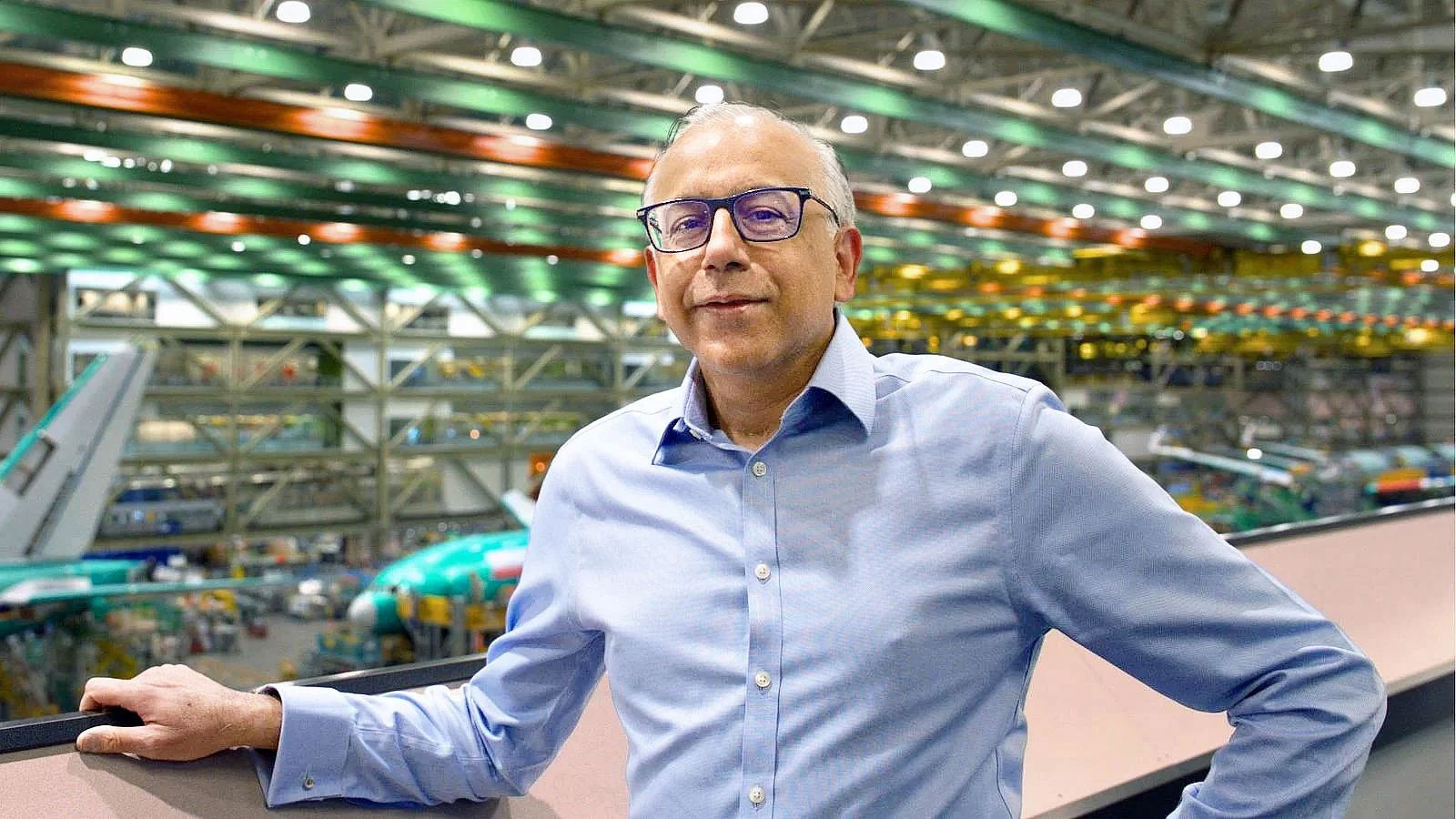
“It grounds me and reminds me why I’m here.” — Ratan Khatwa, Boeing Senior Technical Fellow
Khatwa, a Senior Technical Fellow in Human Factors Engineering, has a history of developing innovative, safety-enhancing flight deck technologies. He previously led a team that redesigned weather radar with pilots’ needs as the priority. The redesign was the first clean-slate weather radar approach in nearly 30 years and helps pilots spot hazards such as turbulence, hail and lightning sooner and with less workload.
At Boeing, Khatwa helped work on a human factors evaluation of the 777-9 flight deck with pilots from around the world.
“It’s a great example of how we, as a team, can work together to put the needs of our customers first,” he said. “It also has helped us build trust with our regulators and customers. They have come along with us on this journey.”
Why it matters: Culture — not just tools — helps teams build trust; design safer systems; and work more effectively with pilots, airlines and regulators.
- “You have to earn respect. You have to earn trust,” Khatwa said, framing how the Boeing Values and Behaviors are driving real engineering outcomes.
Khatwa prioritizes three truths: Engineers succeed when designs prioritize the needs of humans, when teams collaborate respectfully and when people act with integrity.
- He describes culture as the force that turns simple ideas into lasting safety improvements and what guides interactions with regulators, airlines and front-line crews.
- The Values and Behaviors aren’t abstract to him — they are how work gets done, how trust is rebuilt and how technical capability grows.
How they did it:
Engaging with customers, regulators and safety organizations early and often, as well as clearly conveying how ideas lead to improvements, helped earn trust with stakeholders.
- “Simple ideas, combined with teamwork, can improve safety,” Khatwa said. “Engineers learn by working across systems and from each other.”
Award winner: Khatwa recently received the Flight Safety Foundation’s David Morrison Innovation Award for his work in advancing flight deck technologies and aviation safety. He believes human-centered design and early engagement with pilots, airlines and regulators shape better solutions.
“It’s not just technology for the sake of technology but technology to serve the unmet needs of our customers,” he said.
By Maddie Crisalli, Boeing Writer