An Eagle says goodbye: Remembering Irv Burrows, first F-15 pilot

Honored with an F-15 flyover at his memorial, former chief test pilot and executive leaves enduring legacy of safety and service.

May 10, 2026 in Defense

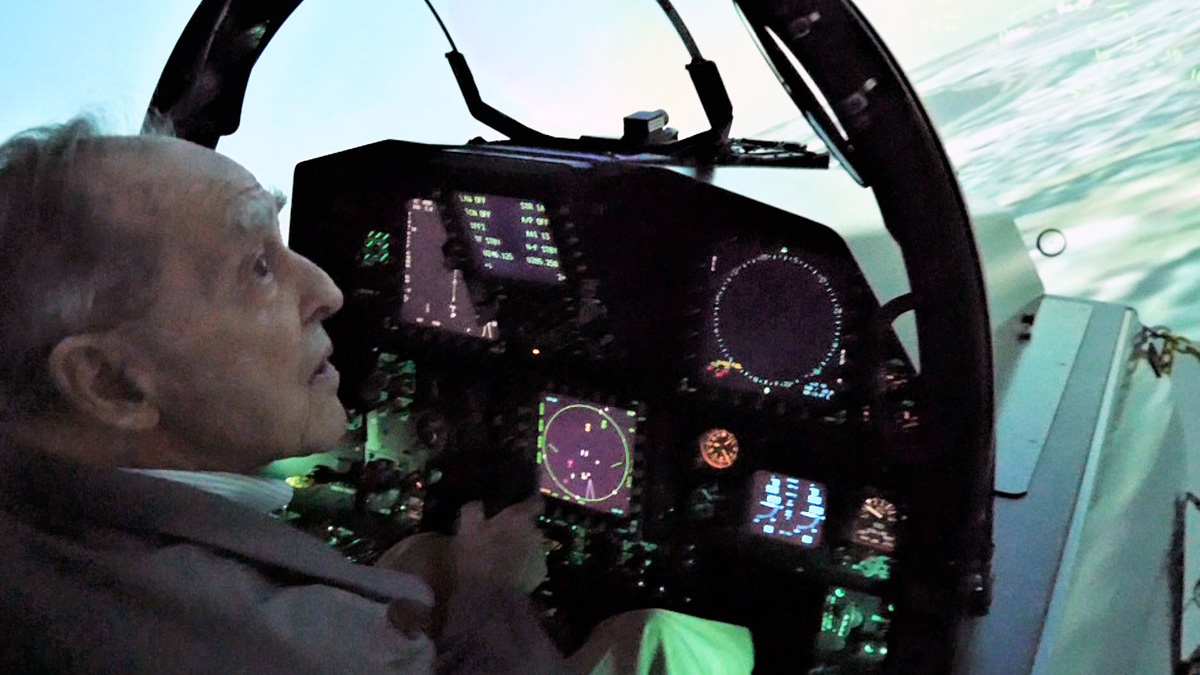
Irv Burrows in an Advanced F-15 simulator at the Boeing St. Louis site in 2018. (© Boeing) Irv Burrows in an Advanced F-15 simulator at the Boeing St. Louis site in 2018. (© Boeing)

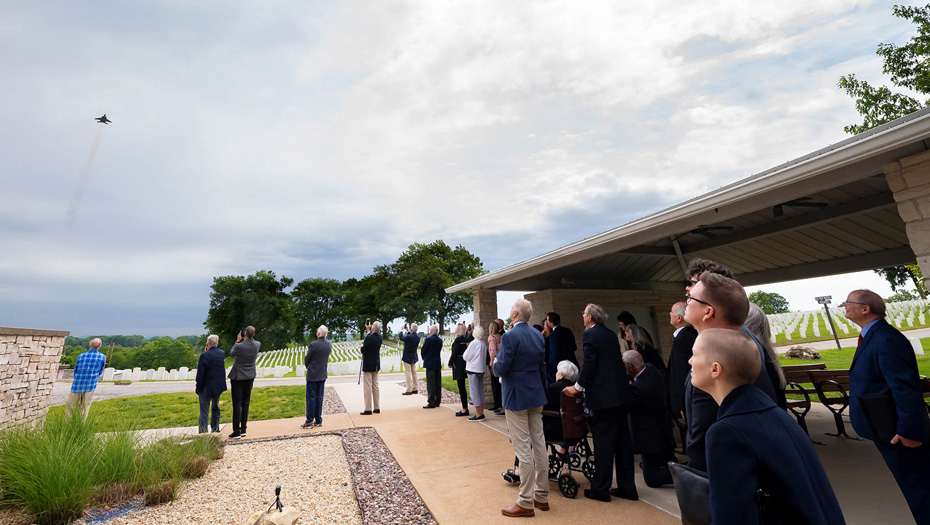
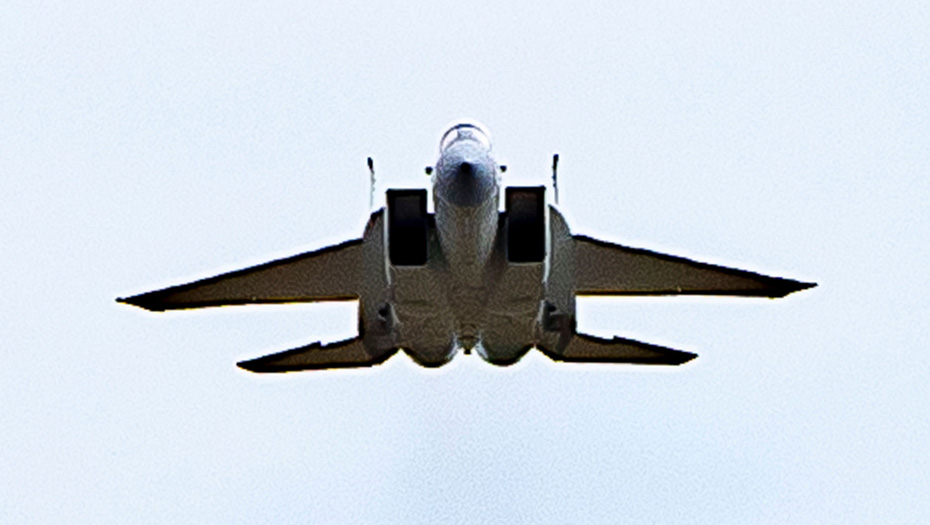
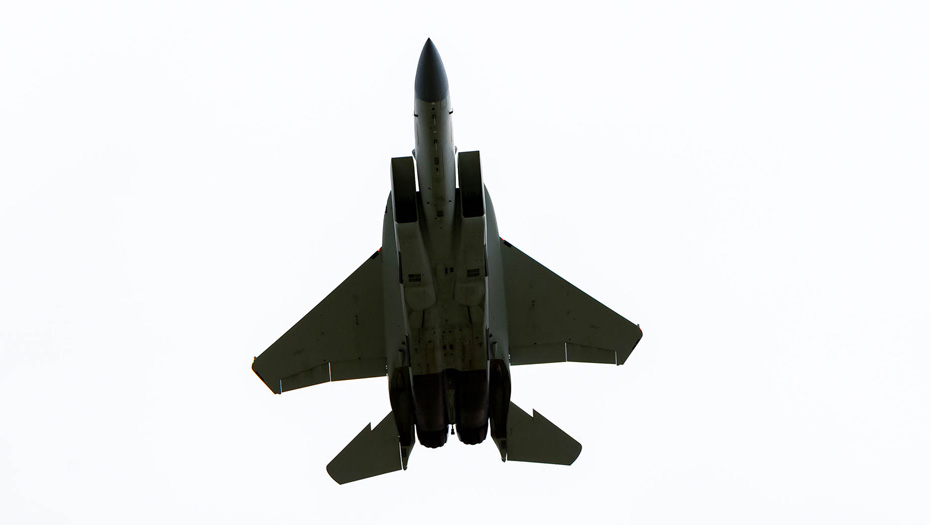
For a moment, the solace of Jefferson Barracks National Cemetery was broken by the roar of a Boeing F-15 fighter jet — flying in homage to the man who first bridled the iconic F-15’s power in the air, July 27, 1972.

Irving Louis Burrows Jr. died April 10, 2026, at 98 years, leaving a storied life of aviation and service to his family, friends and country.

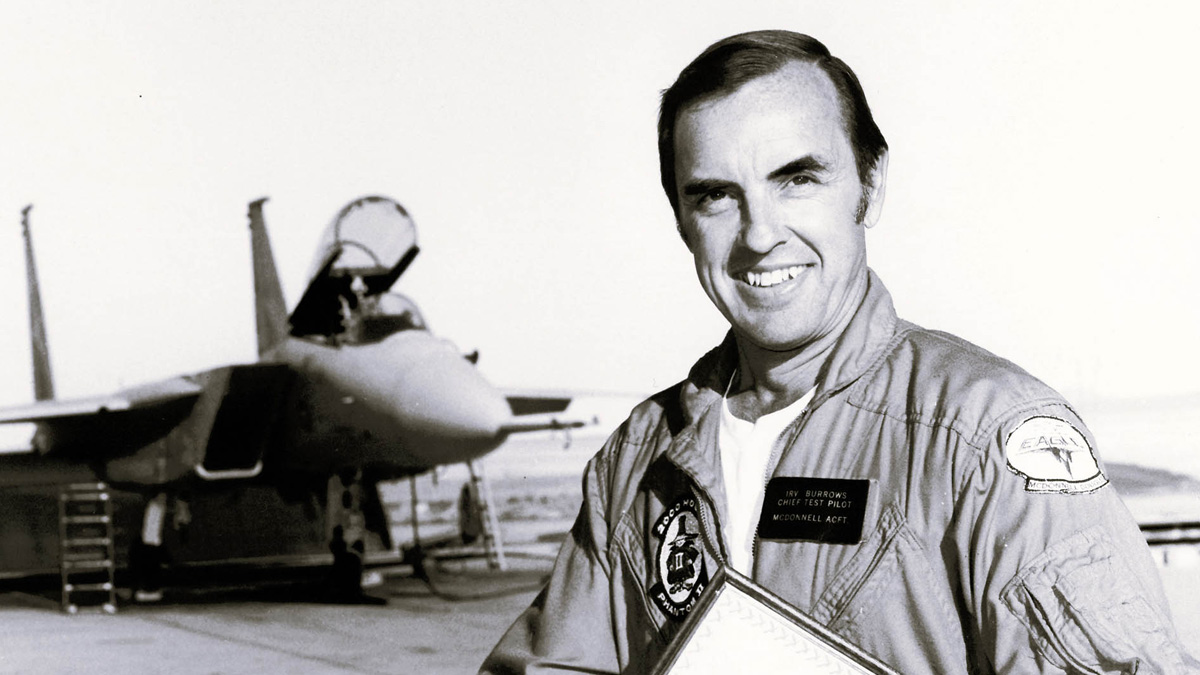
Irv Burrows in front of an F-15 in 1973. (© Boeing Archives) Irv Burrows in front of an F-15 in 1973. (© Boeing Archives)
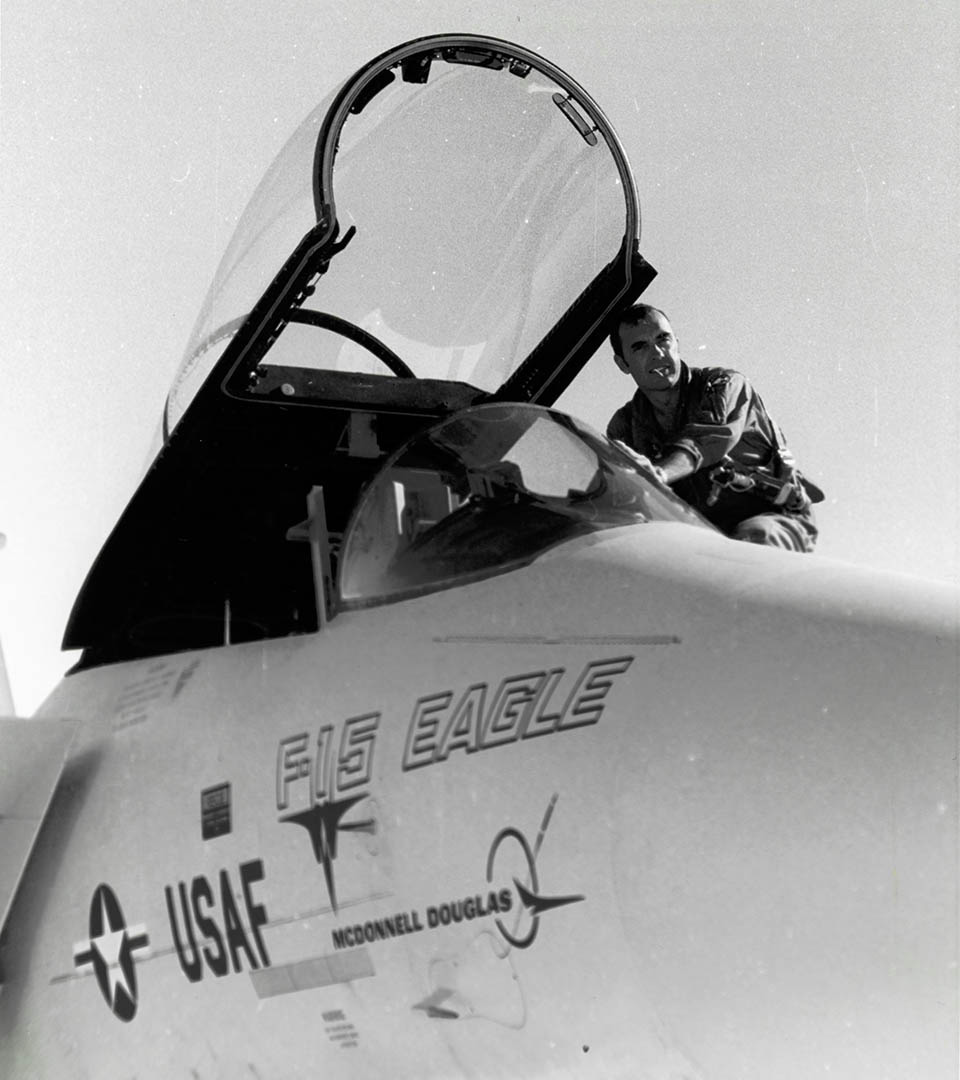
Irv Burrows, first test pilot of the F-15 Eagle, in 1972. (© Boeing Archives) Irv Burrows, first test pilot of the F-15 Eagle, in 1972. (© Boeing Archives)

Graduating first in his class from United States Air Force pilot training, Burrows flew 100 missions over Korea during that conflict, earning the Distinguished Flying Cross and two Air Medals, before leaving the service. He immediately began his career with Boeing heritage company McDonnell Aircraft, in 1956, as a data engineer and later as a production test pilot.

Burrows was promoted to chief test pilot in 1974 and served until 1976 when he took on various management positions, retiring as executive vice president of McDonnell Aircraft Company, a division of McDonnell Douglas, in 1991.

Matt Giese, Boeing Test & Evaluation (BT&E) proprietary program chief pilot, and former F-15 chief pilot, said Burrows’ focused confidence, pilot skills, and attention to safety and detail were legendary.

(© Boeing)

“During a training class of U.S. Air Force pilots in the flight simulator building here in St. Louis, Irv was visiting and taking a ‘fighter’ through its paces in the domed simulator,” Giese said. “Everyone broke from the class and ran upstairs to meet him, shake his hand, and hear about what that first F-15 Eagle flight was like. It was mesmerizing.”

Upon hearing about the passing of Burrows, members of the BT&E team wanted to commemorate their fellow test pilot.

An official request to perform a “flyover” during Burrows’ service at the national cemetery was submitted to the U.S. Air Force, Defense Contract Management Agency and Federal Aviation Administration. All approved.

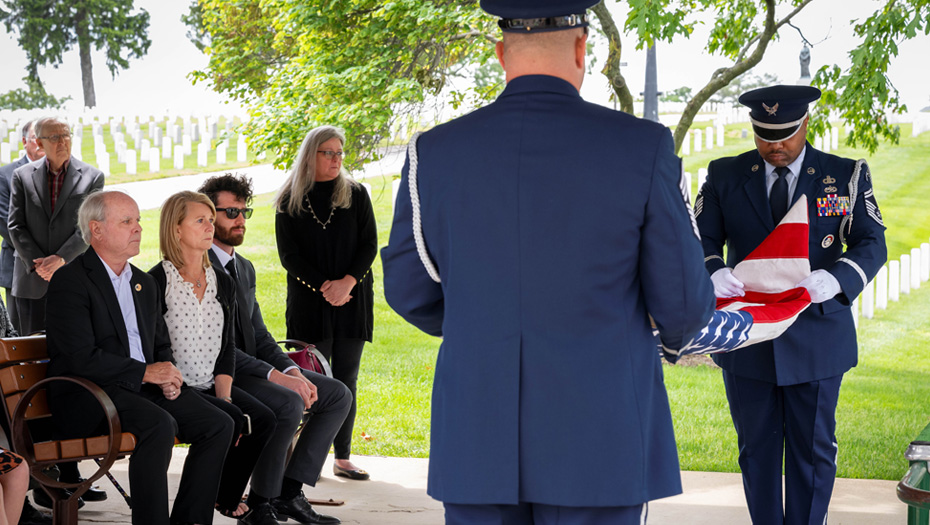
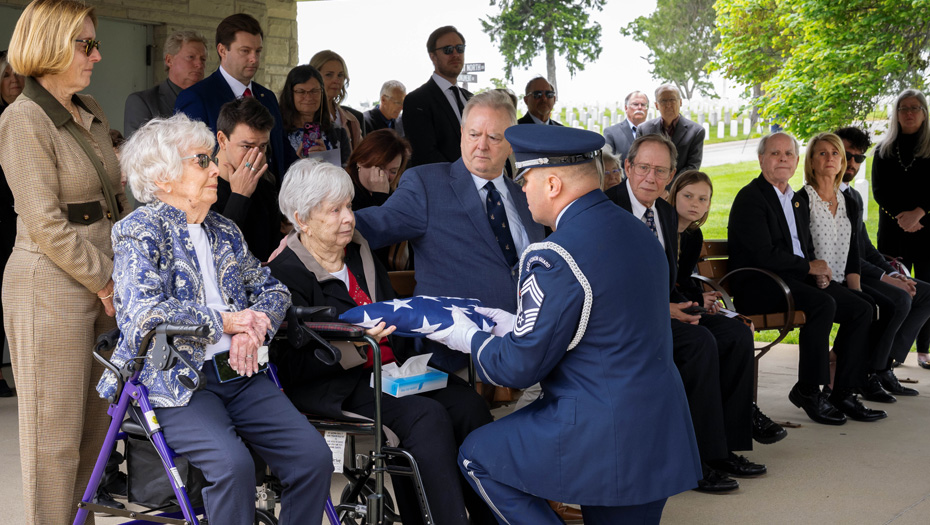
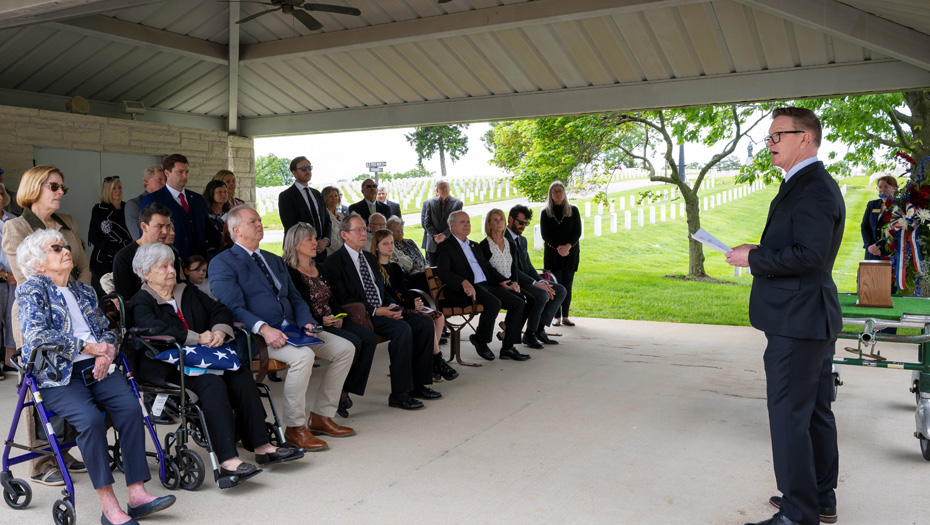
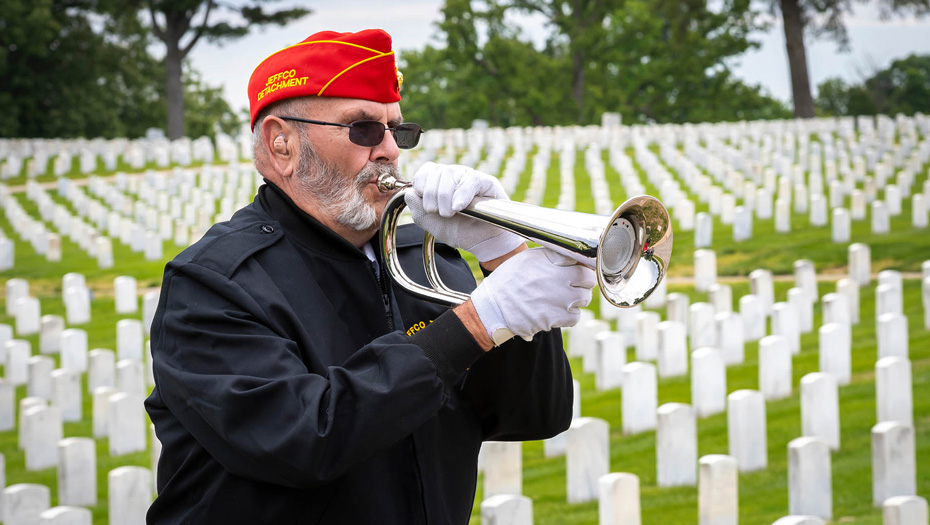
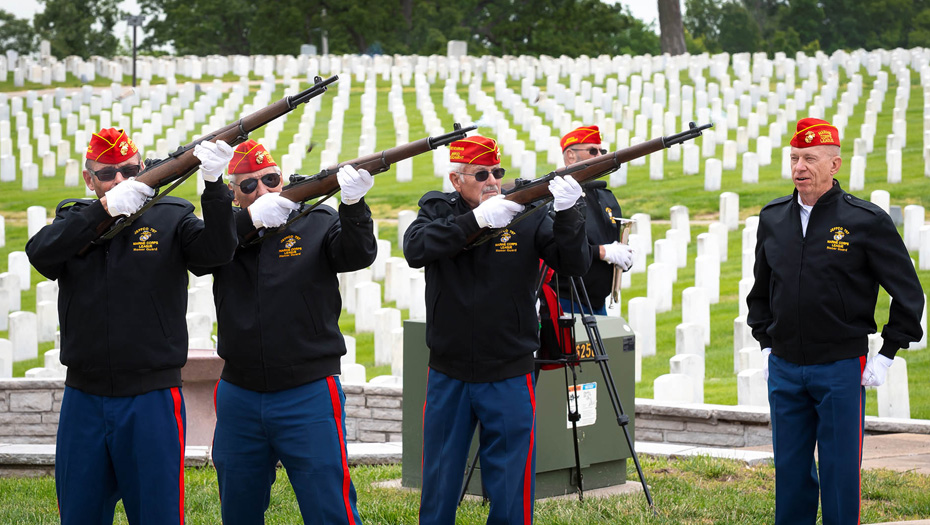
Surrounded by rows and rows of marble gravestones in Jefferson Barracks National Cemetery, family, friends and former co-workers of Burrows paid their respects while a bugler played Taps and an honor guard performed a rifle salute. An American flag was carefully folded and presented to the late pilot’s family.

“Thousands of trained pilots around the world have flown the F-15 fighter to protect nations and provide security in a troubled world,” Giese said. “But on this day, one lone Eagle above us honored the man who flew it first.”

By Randy Jackson and Allison Balderrama