
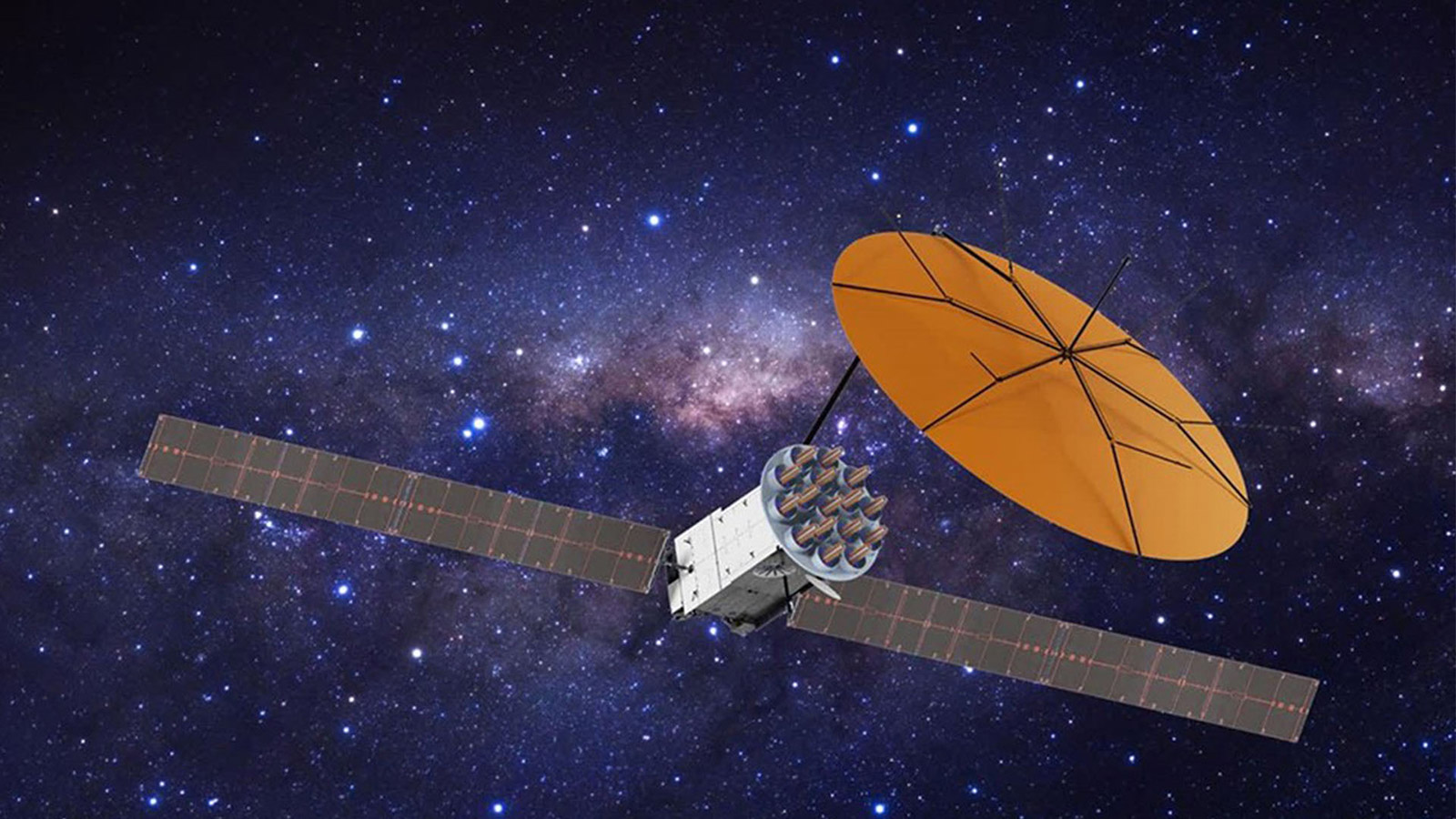
The U.S. Space Force has selected Boeing for the next phase of a program that will help extend secure military communications for users around the world. The contract, valued at up to $2B, includes two narrowband communications satellites, with the first delivery in 2031.
- The effort, known as the Mobile User Objective System Service Life Extension, or MUOS SLE, is designed to sustain and improve a critical communications capability used by military users operating on the ground, at sea and in the air, especially in places where reliable connections are harder to maintain.
Why it matters: Reliable communication can make the difference between mission success and mission failure. MUOS supports users who operate in demanding conditions and need secure, dependable connectivity when and where they need it most.
Driving the news: Boeing brings decades of experience in secure ultra-high-frequency, or UHF, communications to the program and played a key role in the current MUOS constellation by developing and delivering its payloads.
- UHF signals are especially useful because they can maintain connections in conditions where other communications links may struggle, including difficult terrain, dense urban areas and severe weather.
“We’re grateful for the trust the U.S. Space Force has placed in our team for a capability that matters to military users around the world,” said Sam Greaves, vice president of Boeing Space Mission Systems. “For the people who depend on this connectivity, the need is clear: secure communication that works in demanding conditions. Our team knows this mission and is ready to help the customer extend and improve a system they count on every day.”
The big picture: Boeing’s approach is designed to increase communications capacity, reduce interference and improve connectivity, helping support global operations well into the next decade.
- The current program includes two narrowband communications satellites, which are designed to prioritize reliable voice and essential data for users who need secure communications in the field.
The bottom line: “This award reflects both our deep UHF heritage and the trust we’ve built supporting this critical national security mission,” said Ryan Reid, senior director of Space Communications Programs at Boeing. “When military users are operating in the most demanding conditions, this narrowband capability is their lifeline. By building on our active 702MP spacecraft production line, we bring immediate execution momentum, proven reliability, and schedule predictability to the U.S. Space Force.”
By Zeyad Maasarani