AWACS shows it will be ready to fight and connect in 2035-era battles

A Boeing team and NATO crew’s simulated mission validates upgraded mission systems for the E-3A early warning fleet.

July 06, 2026 in Defense

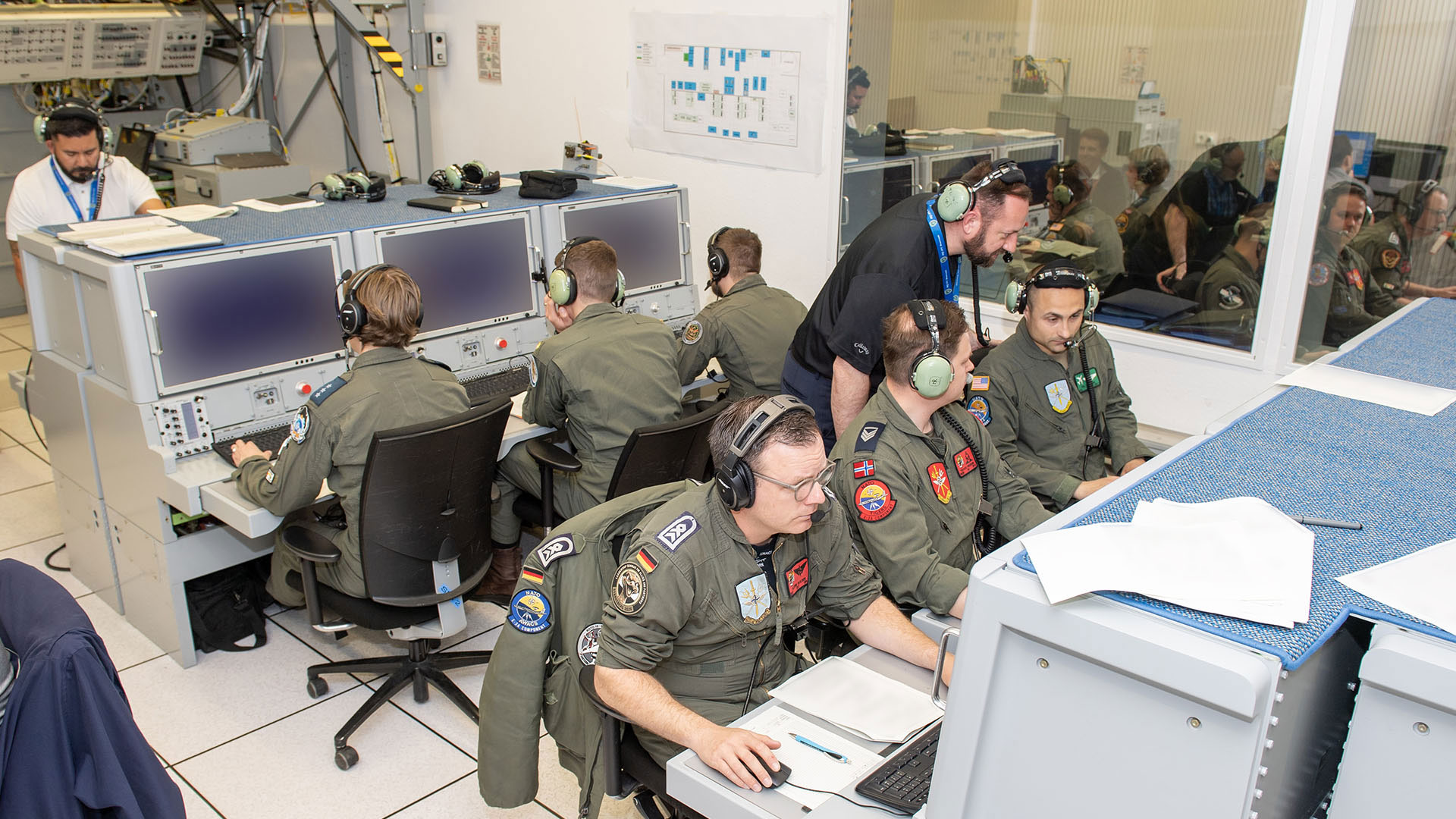
Boeing teammates with NATO force operators during the capability demonstration at NATO Air Base Geilenkirchen in Germany Boeing teammates Christian Casciola (top left, white shirt) and Travis (TJ) Wickenhauser (right, black shirt) with NATO force operators during the capability demonstration at NATO Air Base Geilenkirchen in Germany. (U.S. Air Force photo)

Upgraded mission systems recently proved the E-3A ― NATO’s Airborne Warning and Control System (AWACS) aircraft ― is on course to be ready for modern threats.

  • A NATO Airborne Early Warning and Control Force crew completed a three-hour simulated mission that demonstrated the technical maturity of mission systems hardware and software upgrades under the Final Lifetime Extension Program (FLEP).
  • Boeing met all 19 capability demonstration criteria during the exercise, held in a lab at NATO Air Base Geilenkirchen on May 5.

Why it matters: The demonstration validates mission computing, radio connectivity, tactical data links and ground support improvements that will help ensure the E-3A fleet can operate reliably in modern warfare environments through 2035.

  • “The success of this demonstration is a direct result of the seamless collaboration between the Boeing team and our NATO partners,” said TJ Wickenhauser, test conductor. “By working side by side to validate these complex mission systems, we have established a proven foundation that ensures the E-3A remains a dominant force in a rapidly evolving threat environment.”
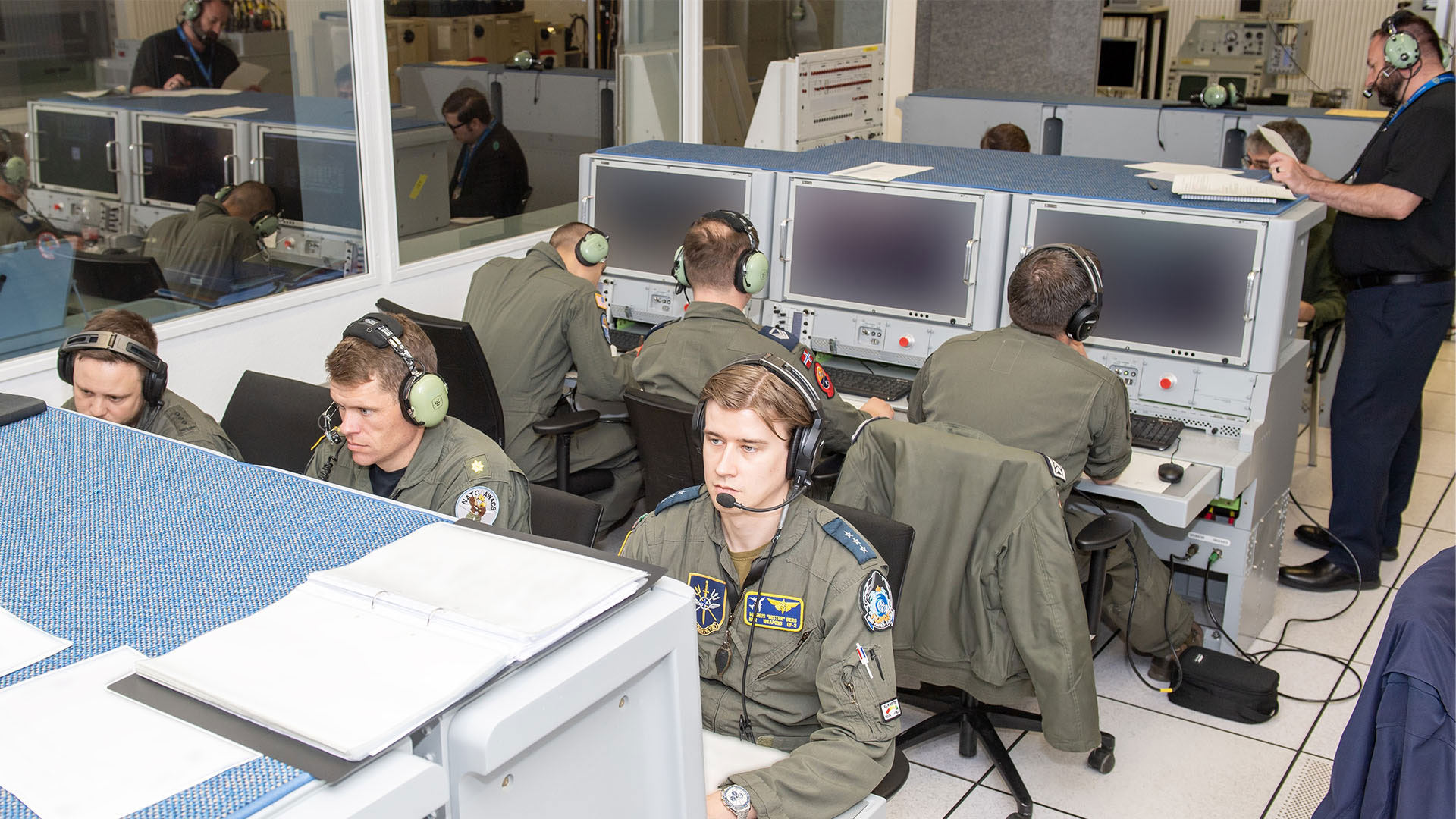
NATO force operators during the capability demonstration at NATO Air Base Geilenkirchen in Germany NATO force operators during the capability demonstration at NATO Air Base Geilenkirchen in Germany. (U.S. Air Force photo)

Driving the news: The test used a mix of new and legacy capabilities to show seamless operations between upgraded and existing systems.

Zoom in: Following extensive modifications to the Systems Integration Lab, a crew of six exercised sensor operation, data link, secure communications and chat over Internet Protocol.

  • The event included simultaneous clear and secure transmissions across FLEP mission radios and secure chat over SATCOM, live or simulated per Boeing engineering discretion.
  • The demonstration accepted graceful failovers when systems recovered without operator intervention.
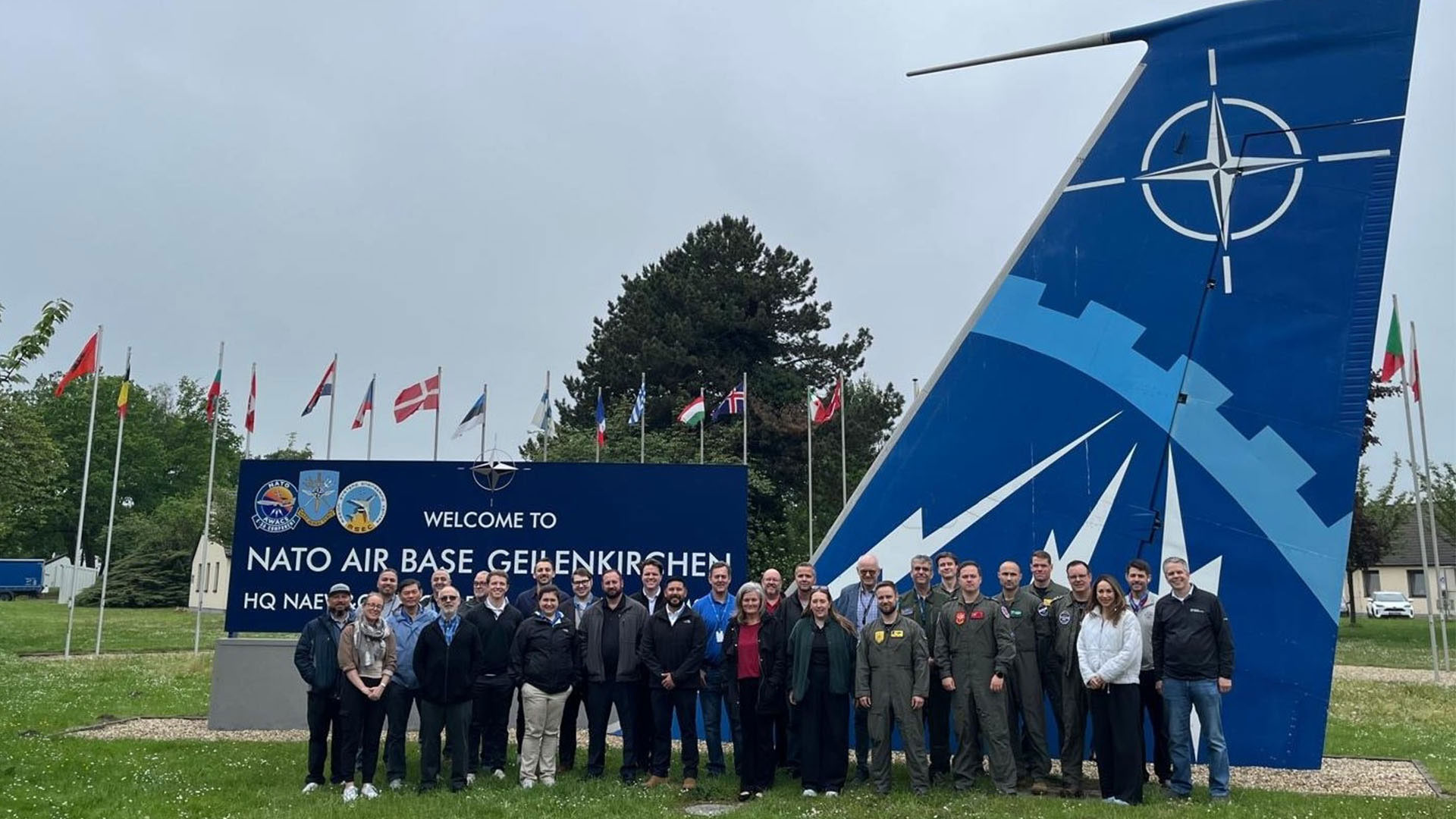
Boeing teammates join their NATO teammates in front of the base after the demo. (U.S. Air Force photo) Boeing teammates join their NATO teammates in front of the base after the demo. (U.S. Air Force photo)

What’s next: The Systems Integration Lab will be used alongside the first modified aircraft (N-1) for development, test and evaluation later this year.

  • “The momentum and confidence built by this demonstration of the systems capability, as well as the Boeing teams skill and focus, will inspire excellence as we enter the next phase of this program,” said Matthew Cox, test director. “We will strive to bring the Boeing spirit of teamwork, which resulted in the success of this demonstration, to the upcoming developmental test and evaluation campaign.”

The bottom line: The capability demonstration is a key milestone toward fielding upgraded mission systems that sustain E-3A operations into 2035.

By Lauren Brennecke