Birthplace of America, cradle of American aviation

Philadelphia drives Boeing’s success with over 4,000 team members and historic aviation roots.

July 02, 2026 in Innovation, History, Defense

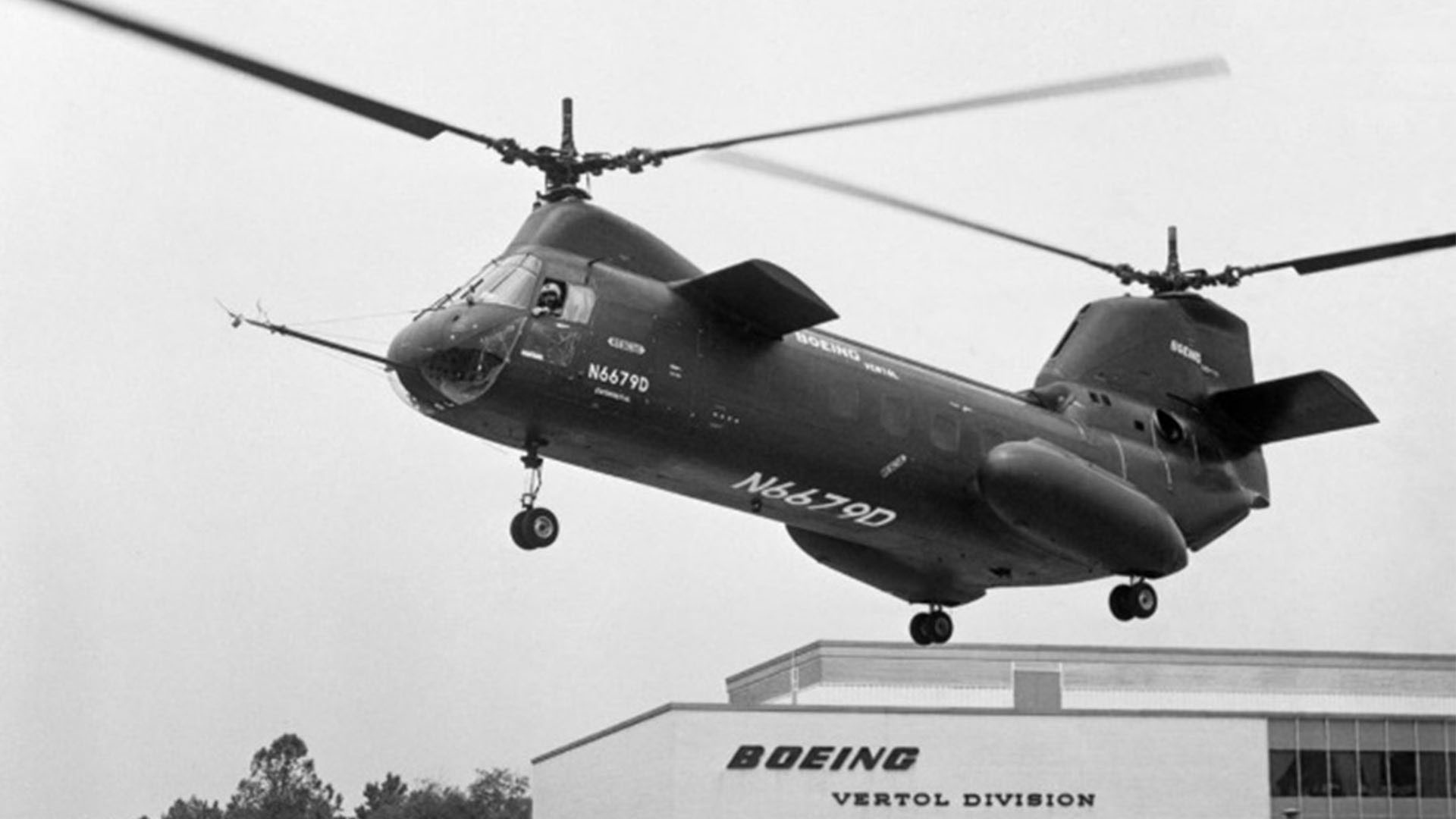
The Model 107 Test Bed Vehicle Hovering over Vertol Division, c. 1950s. The Model 107 Test Bed Vehicle Hovering over Vertol Division, c. 1950s. All photos courtesy of Boeing Archives unless otherwise noted.

On July 4, 1776, the Continental Congress formally adopted the resolution for independence, signifying the birth of the United States of America. A month later, on August 2, the Declaration of Independence was officially signed at the Pennsylvania State House in Philadelphia. As America celebrates its 250th anniversary, Boeing looks at the legacy of aviation within that very city.

The “Birthplace of America” is also the birthplace of the country's first balloon flight when Dr. John Foulke released a paper balloon from his residence on May 10, 1784. In January of 1793 in the same city, French aeronaut Jean-Pierre Blanchard piloted the first manned balloon flight in America, an event observed by President George Washington and future U.S. presidents John Adams, Thomas Jefferson, James Madison, and James Monroe. Those moments of vertical lift inspired a greater curiosity, and today Boeing operates a 350-acre (140-hectare) facility and employs more than 4,000 teammates in Ridley Park, southwest of Philadelphia.
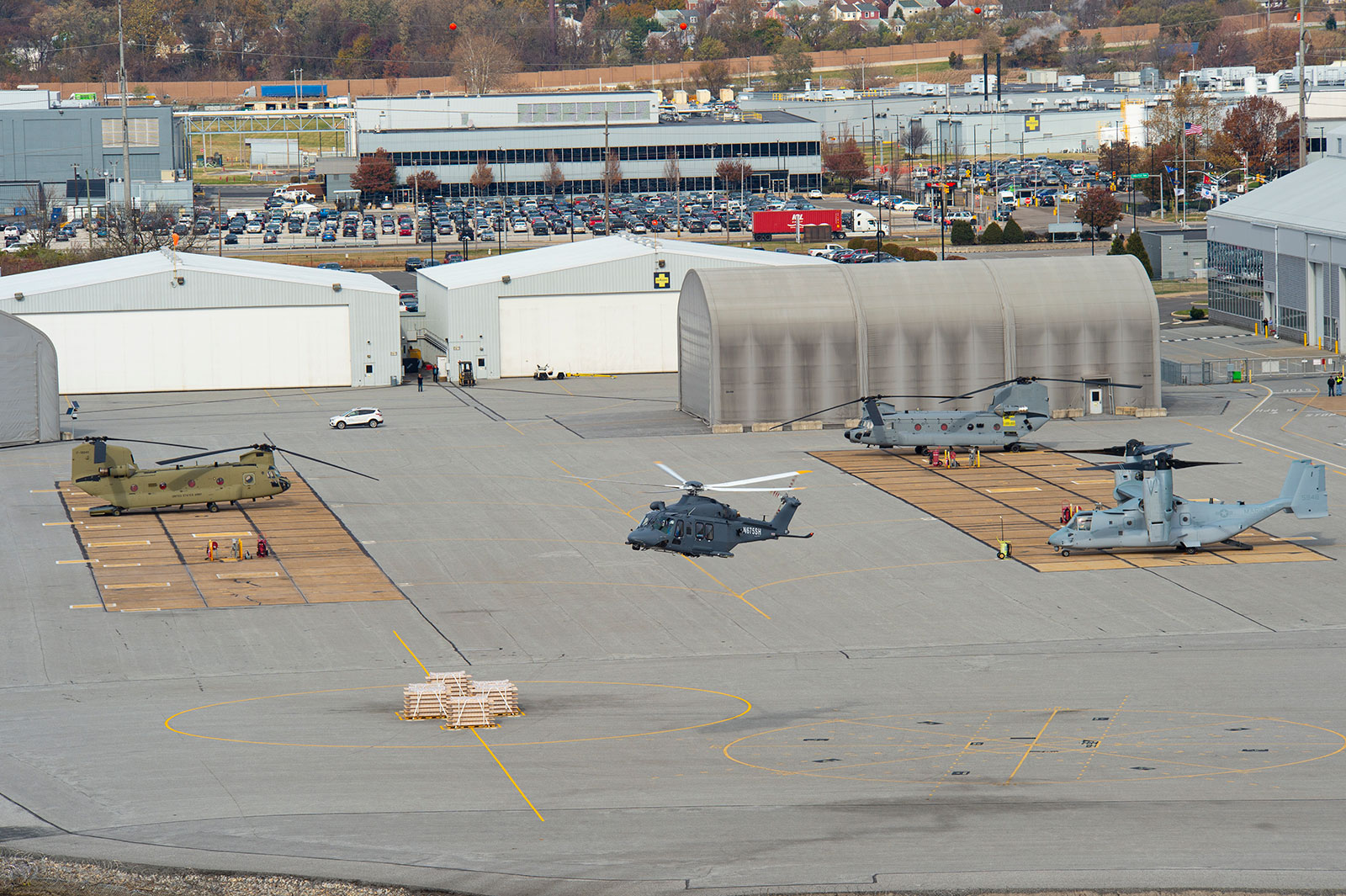
Boeing Philadelphia teams provide aircraft for the United States and 20 countries. Boeing Philadelphia teams provide aircraft for the United States and 20 countries.

Boeing’s Vertical Lift division headquarters is home to the H-47 Chinook assembly line, the V-22 Osprey CC-RAM fuselage upgrade program, the missionizing and delivery of the MH-139A Grey Wolf, the largest low-speed wind tunnel east of the Mississippi River, a modeling simulation and analysis center, and sustainment and training for Boeing Global Services. The campus also hosts the Philadelphia Design Center, which carries out advanced development, analysis and engineering for various company programs.

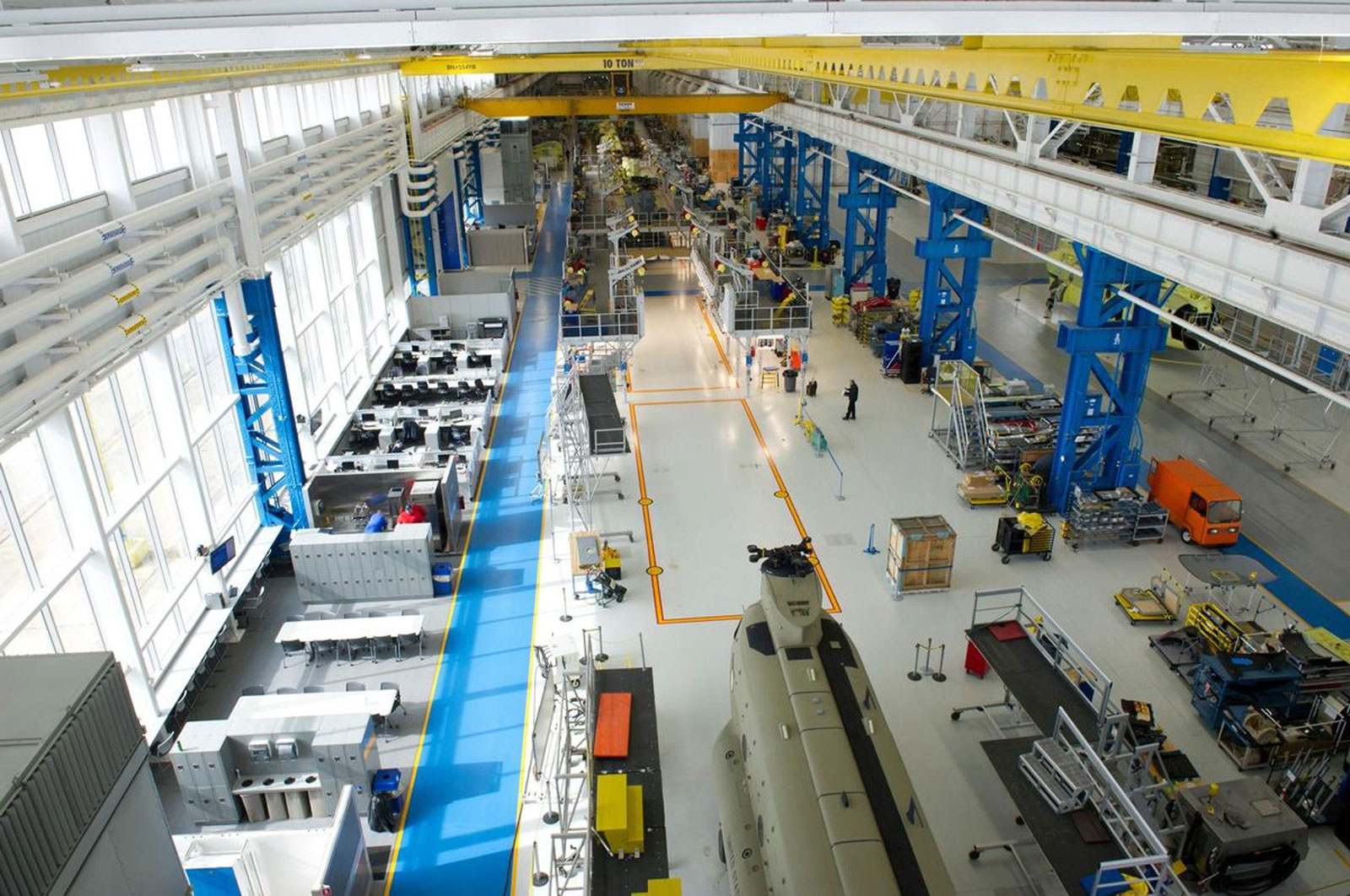
The H-47 Chinook assembly line. The H-47 Chinook assembly line.

Built in the 1920s, the Chinook assembly building traces its roots to another era of transportation innovation, when the facility was the Baldwin Locomotive steel foundry and manufacturing complex. In 2014, Boeing upgraded the facility to a climate-controlled, state-of-the-art, LEED-certified plant, without stopping operations. The project earned recognition from Engineering News-Record as a Best of the Best in Manufacturing for its design and execution excellence.

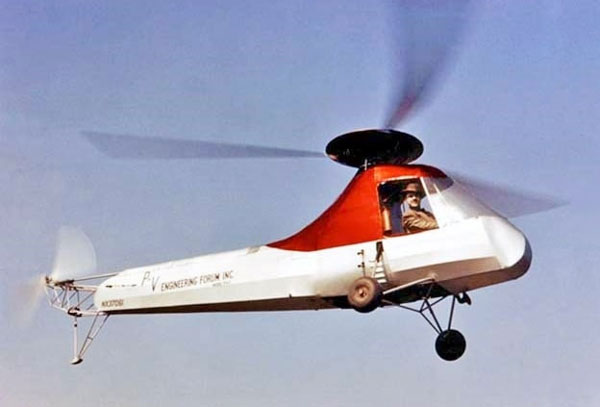
Frank Piasecki flies the PV-2. Photo courtesy of the National Museum of the Air Force. Frank Piasecki flies the PV-2. (Photo courtesy of the National Museum of the Air Force.)

The story of Boeing rotorcraft begins with Philadelphia native Frank Piasecki. While still in college, he founded the P-V Engineering Forum with a classmate, Harold Venzie. In 1943, Piasecki’s group designed the PV-2, a single seat, single-rotor helicopter that became the second helicopter to fly in the United States.

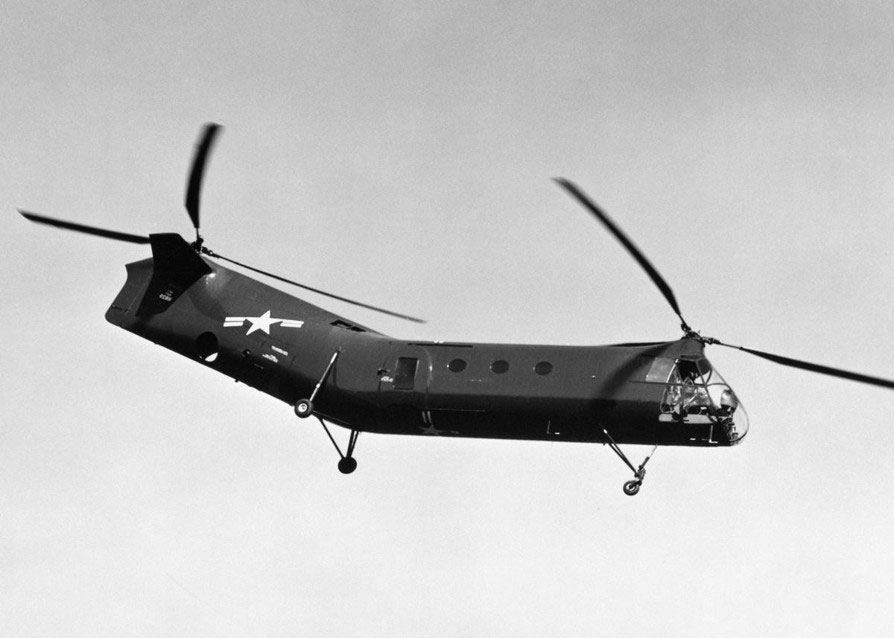
The Flying Banana, Piasecki PV-17 (HRP-2) Rescuer Helicopter began flying in the 1940s. he Flying Banana, Piasecki PV-17 (HRP-2) Rescuer Helicopter began flying in the 1940s.

In 1945, the HRP-1, the first tandem-rotor helicopter and the first helicopter designed for the U.S. Navy, emerged. Known as the “Flying Banana,” Piasecki’s tandem-rotor design laid the groundwork for many of today’s successful helicopters, including the CH-47 Chinook.

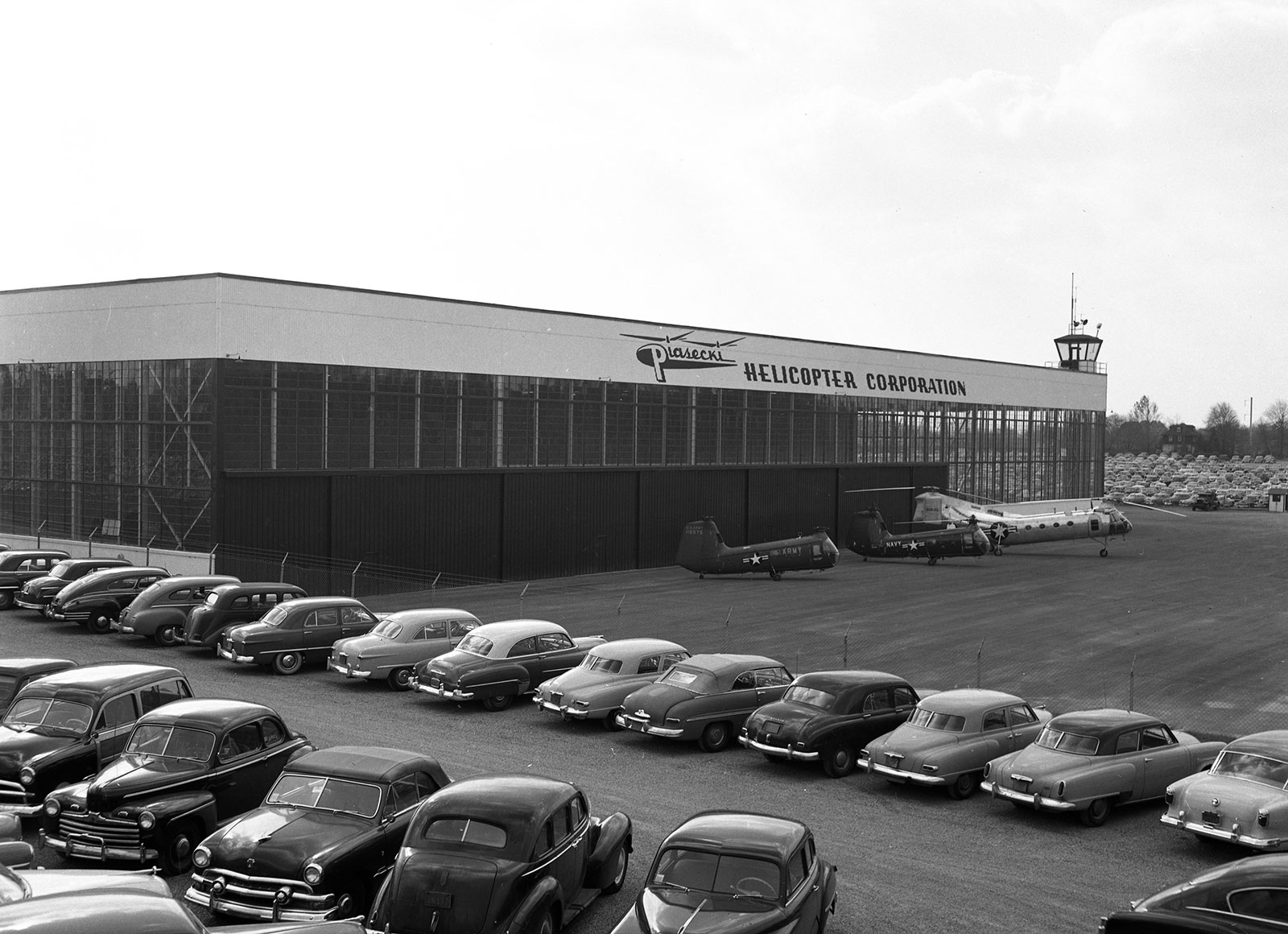
Piasecki’s company grew into the Piasecki Helicopter Corporation and changed its name in 1953 to Vertol Aircraft Corporation. In 1955, Piasecki left Piasecki Helicopter and formed Piasecki Aircraft Corporation to concentrate on the development of advanced vertical takeoff and landing systems.

Piasecki Helicopter Corporation in Philadelphia, c. 1950s. Piasecki Helicopter Corporation in Philadelphia, c. 1950s.

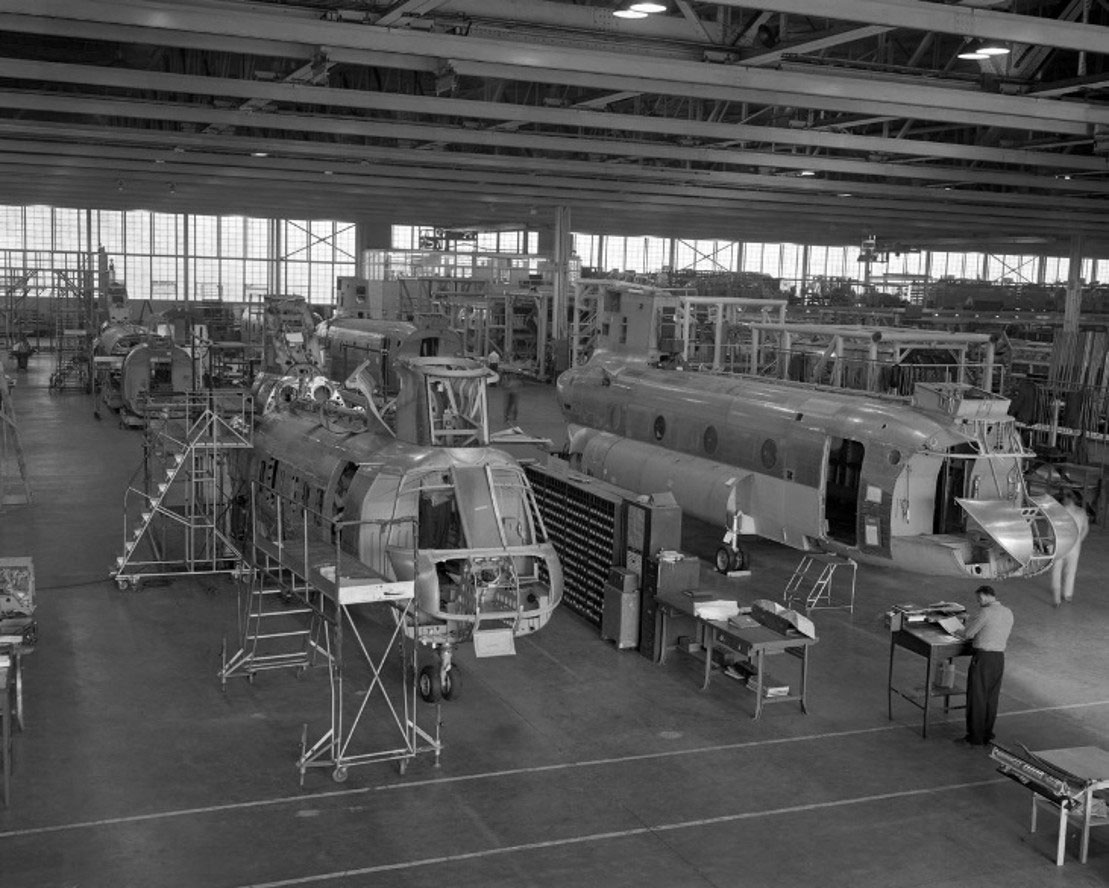
Boeing acquired Vertol in 1960 as its Helicopter Division and built a new factory that repurposed much of the original Baldwin Locomotive facility. It opened Sept. 27, 1966, and employed 12,000 people, who built a peak of 30 helicopters per month in 1967 and 1968.

The Boeing Vertol CH-47 manufacturing line reached peak production of 30 helicopters per month in 1967 and 1968. The Boeing Vertol CH-47 manufacturing line reached peak production of 30 helicopters per month in 1967 and 1968.

Over six decades, these teams have delivered the iconic Chinook and Sea Knight rotorcraft to the United States and 20 customers around the world. Chinook production is expected to continue into the 2030s with a service life beyond 2060 ― a century since its first flight.

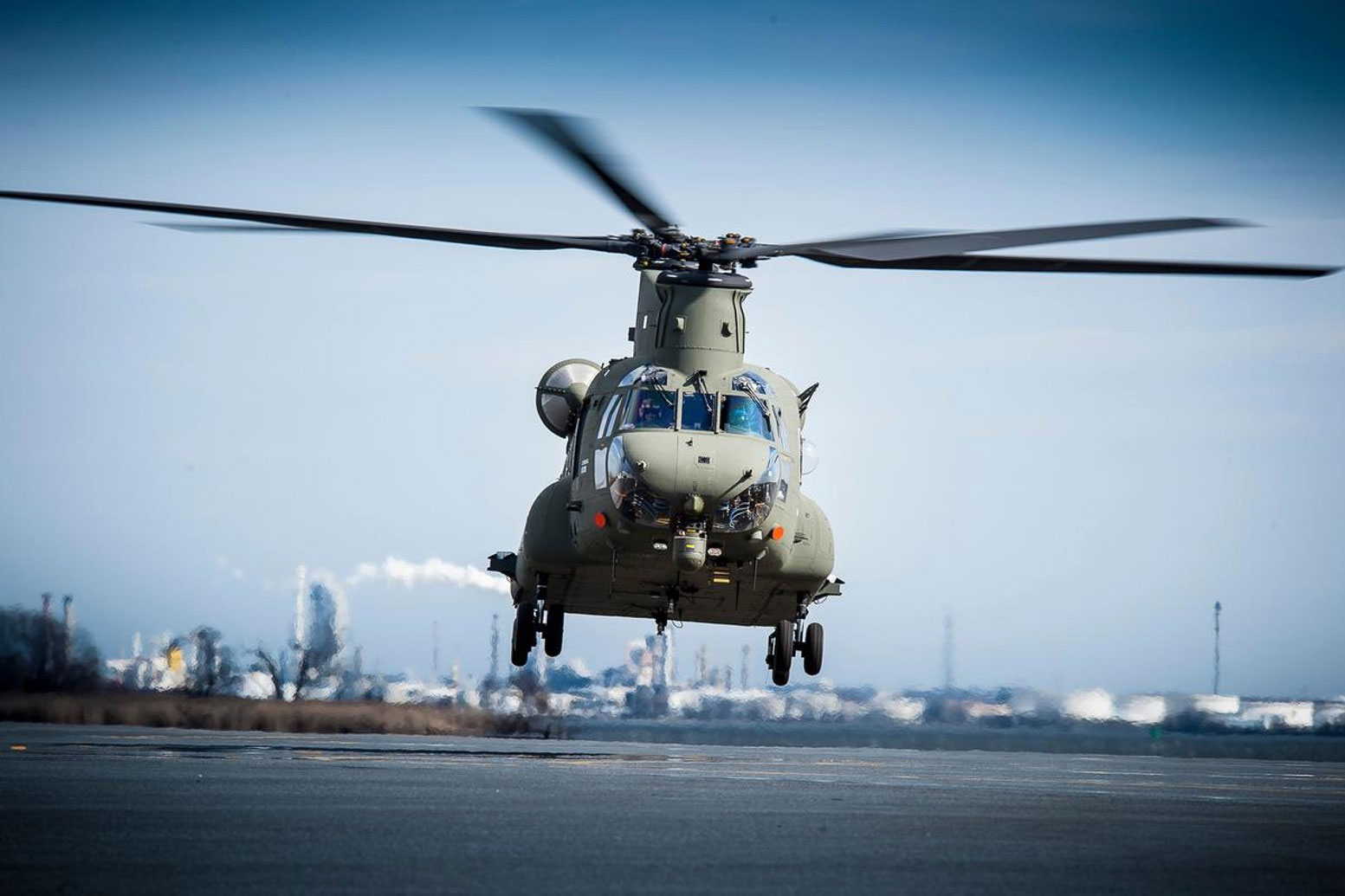
A Boeing Mk6 Royal Air Force Chinook takes off from the Ridley Park facility. A Boeing Mk6 Royal Air Force Chinook takes off from the Ridley Park facility.

After completion of the merger with McDonnell Douglas, all rotorcraft operations became known as The Boeing Company in Philadelphia and in Mesa, Arizona. Philadelphia became the Vertical Lift Divisional Headquarters with oversight for all Boeing helicopter and tiltrotor programs.

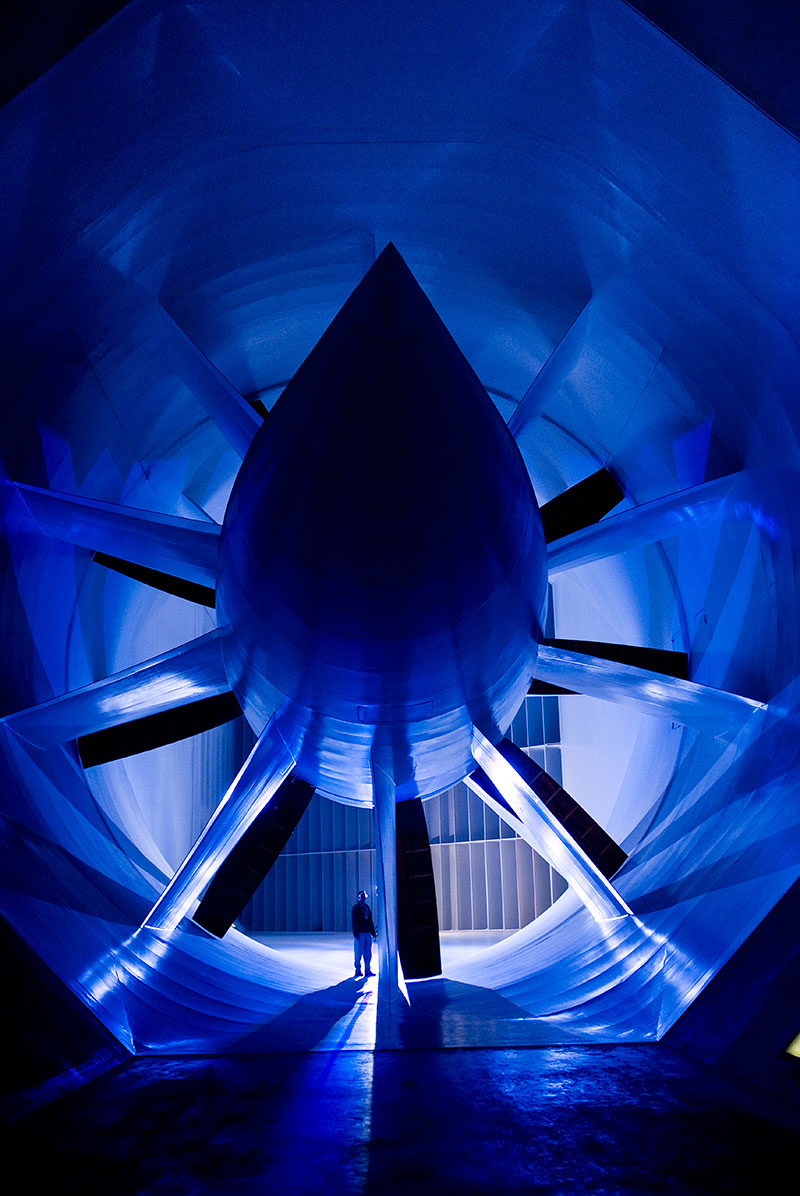
Boeing’s Philadelphia Wind Tunnel, 2008. The Boeing V/STOL (vertical and/or short takeoff and landing) test facility has been in continuous use since April 1968. Boeing’s Philadelphia Wind Tunnel, 2008. The Boeing V/STOL (vertical and/or short takeoff and landing) test facility has been in continuous use since April 1968.

The subsonic wind tunnel facility is the largest privately owned wind tunnel in the United States and can subject models to wind speeds up to 215 knots (250 miles per hour, or 400 kilometers per hour). It has been in continuous use since April 1968 and has completed over 80,000 hours of testing. The tunnel has a 20-by-20-foot (6-by-6-meter) test section for fixed and rotary wing aircraft and non-aeronautical vehicles and structures. 

Growth at the Boeing Philadelphia site reflects the advances in aerospace technology and the contributions of a talented workforce dedicated to maintaining America’s leadership in vertical lift capability. Ongoing research and development efforts will clear the way for Boeing’s contributions to U.S. aviation innovation to be celebrated for many years to come.

By Kevin Kelly