This story has been adapted from a Boeing-authored editorial featured in U.S. Veterans Magazine’s July 2026 issue, in which Boeing was listed as a Top Veteran Employer.
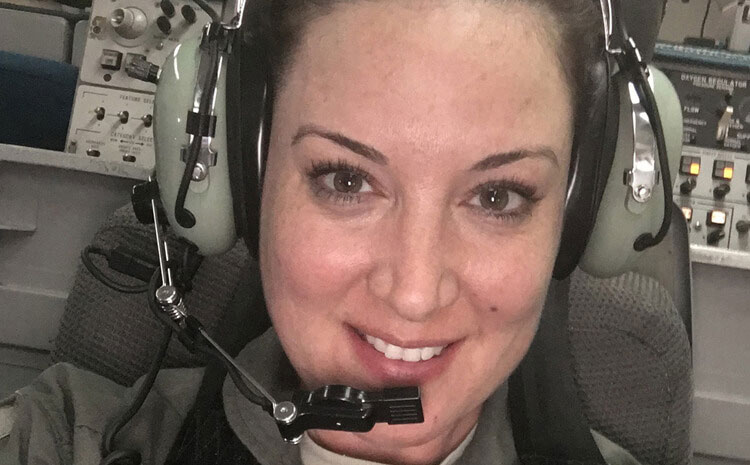
Stephanie Rose is no stranger to a flight deck. After logging more than 2,500 hours in the Airborne Warning and Control System (AWACS) aircraft during her 22-year career in the Air Force, she now serves as a manager for Boeing’s AWACS program in Oklahoma City.
Rose is one of more than 18,000 veterans across Boeing’s U.S. workforce supporting commercial aviation, defense platforms and aerospace innovation.
How Boeing Supports Veterans
Transitioning from military to civilian life can be challenging, especially when translating military experience into a corporate environment. Research from the Syracuse University D’Aniello Institute for Veterans and Military Families shows that many veterans leave their first civilian job within the first two years after separation.
Boeing works to ease that transition for veterans, reservists, National Guard members and military families by offering career development resources, onboarding support and opportunities for long-term growth—all while fostering a strong sense of community.
Programs such as the U.S. Department of War SkillBridge initiative help connect transitioning service members with civilian career opportunities before they leave active duty. Through the program, participants can complete internships during their final 180 days of service, often leading to full-time employment.
“Partnering with the Department of Labor and Department of Defense has been critical to helping us meet veterans where they are and provide the right transitional training, support and services,” said Robin Johnson, director of Boeing’s Military-Connected and Veteran Program (MVP) and a veteran herself.
For Rose, the SkillBridge program helped build early relationships that became instrumental during her transition into civilian life.
“I feel like I belong when I’m trusted,” Rose said. “I felt that at Boeing when our team consistently leaned on each other—everyone’s voice was respected and made a difference.”