Artemis II moon rocket completes rollout

Teams will now begin final checks leading up to launch.

January 19, 2026 in Space Launch System, Space

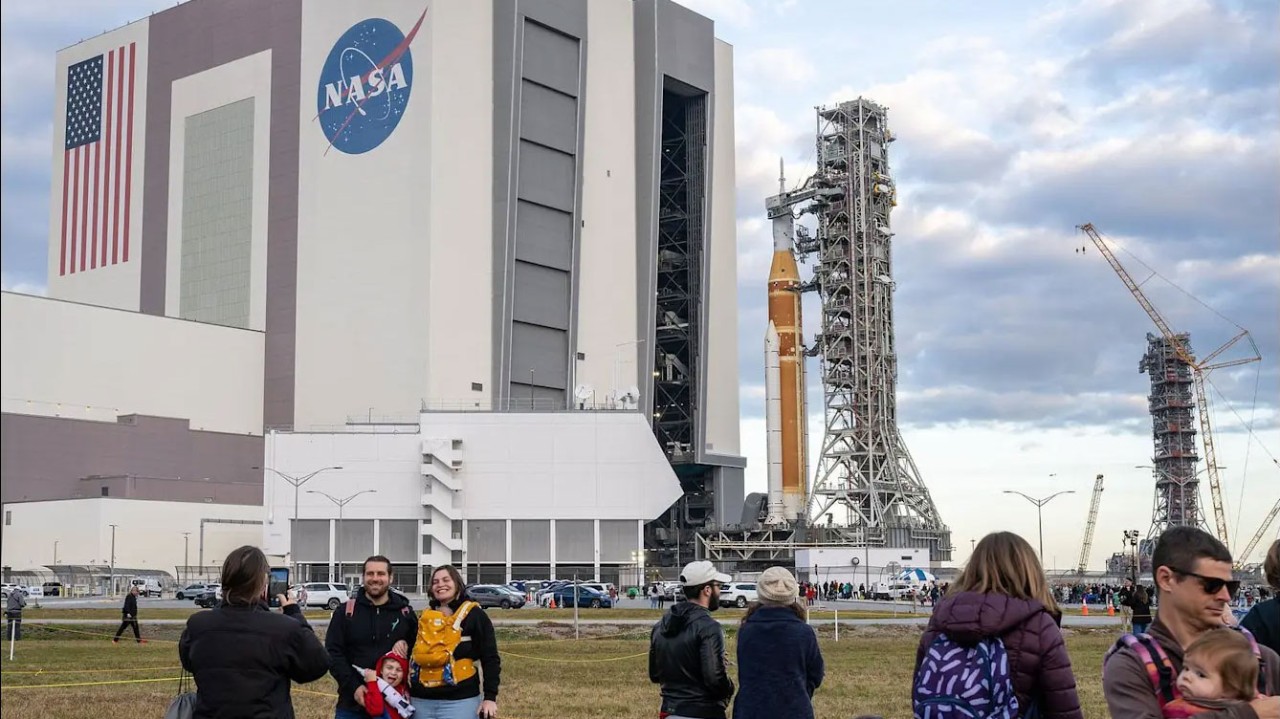
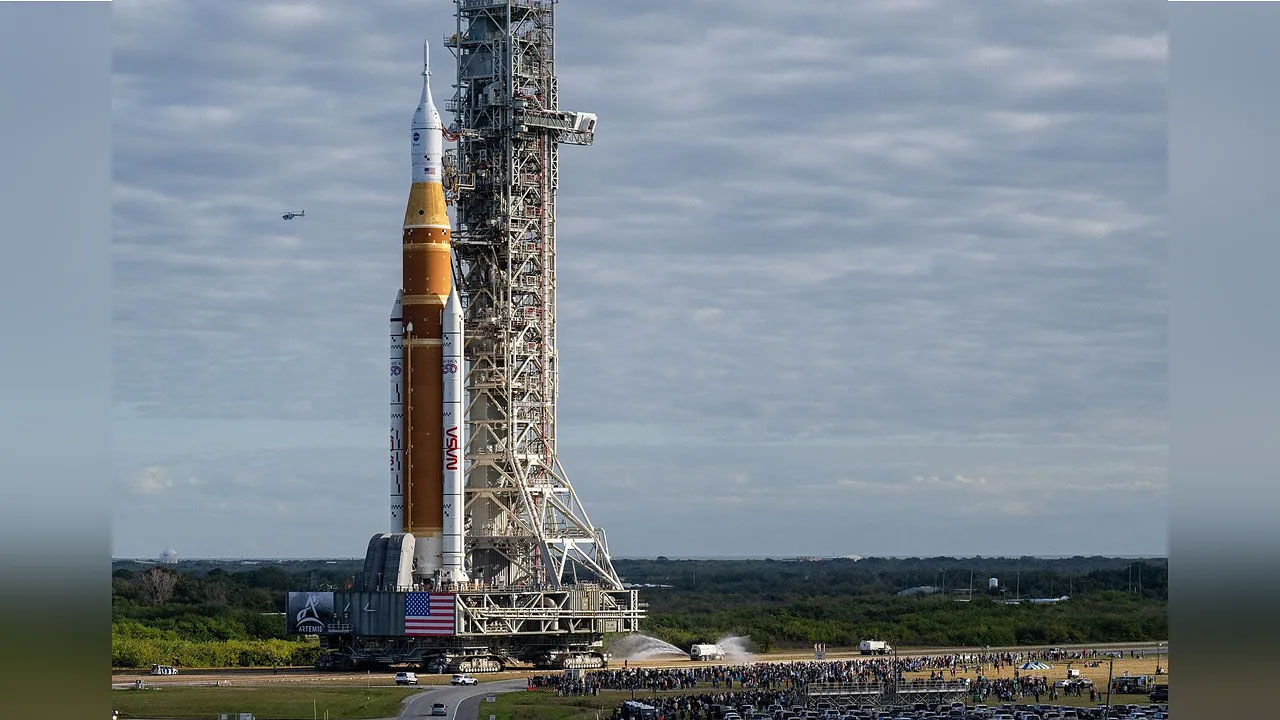
The Artemis II rocket crawls from NASA's Vehicle Assembly Building to the launch pad. The Artemis II rocket crawls from NASA's Vehicle Assembly Building to the launch pad. (NASA photo)

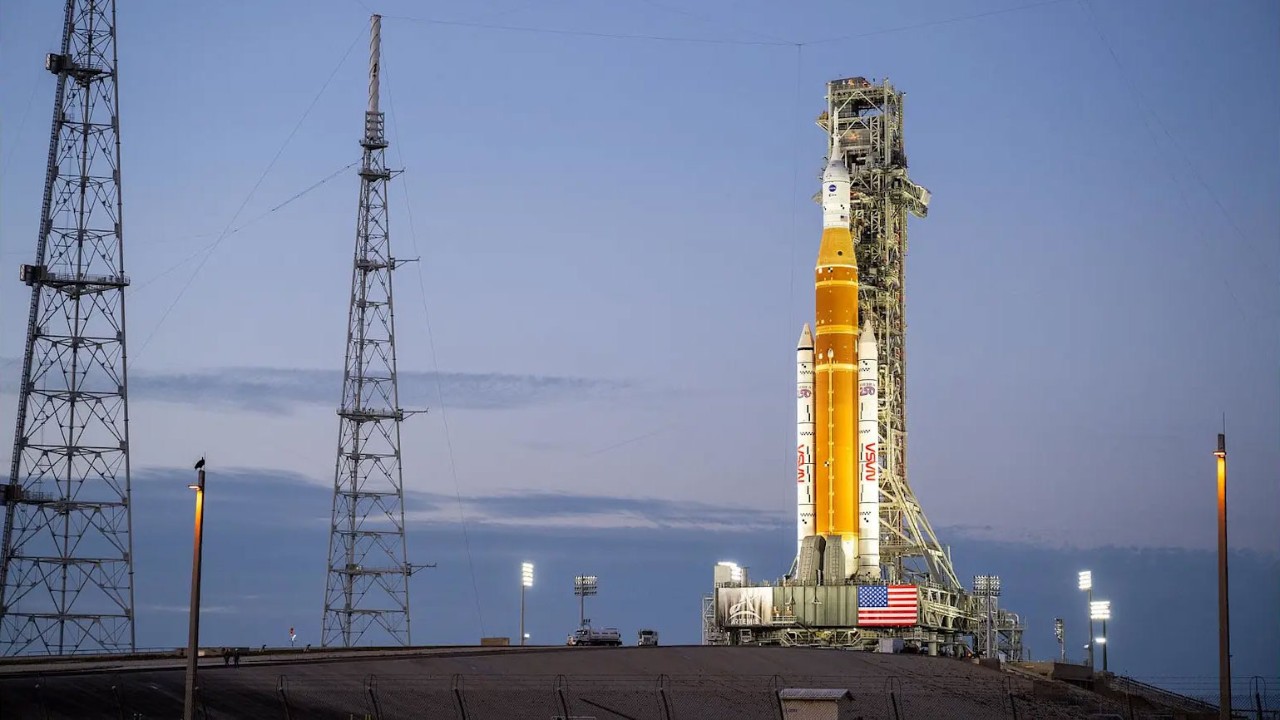
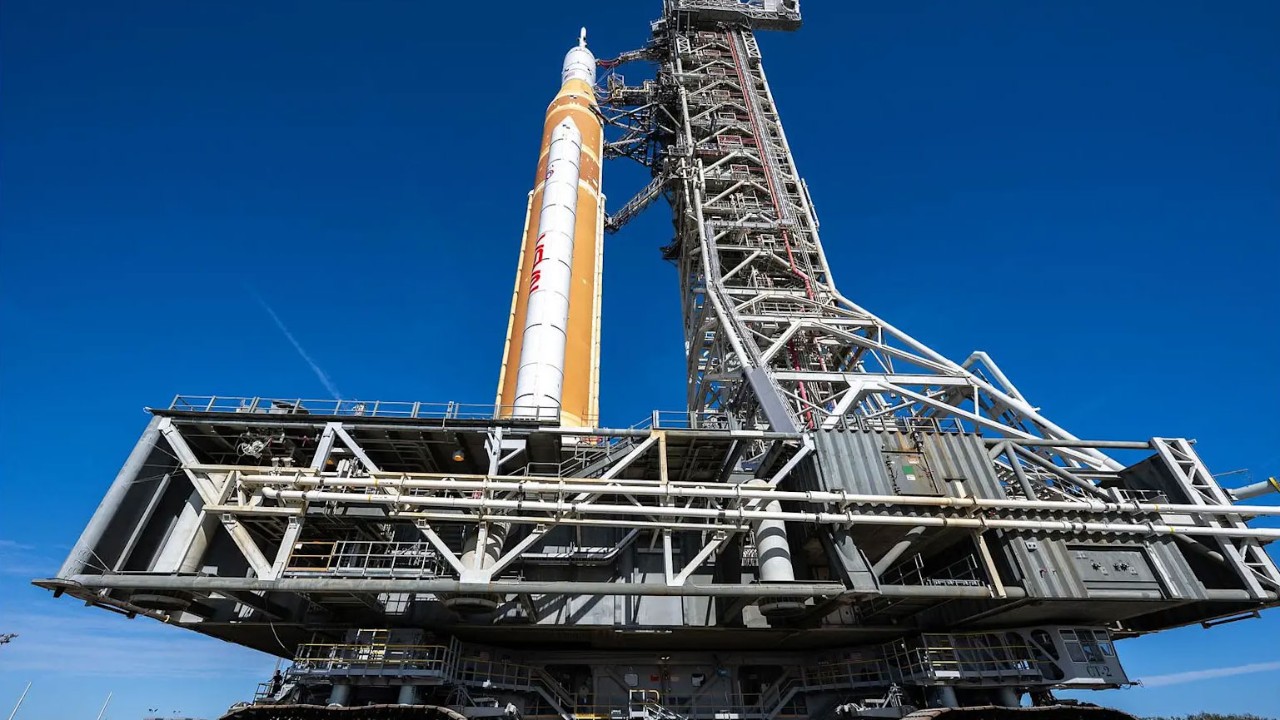
Taking about 12 hours and averaging just under 1 mile per hour, the “stack” of Artemis II Space Launch System (SLS) and Orion crew capsule completed its journey Saturday from Kennedy Space Center’s Vehicle Assembly Building to Launch Pad 39B. 

  • It’s a key step in the mission to send four astronauts around the moon, with the earliest launch window opening Feb. 6.
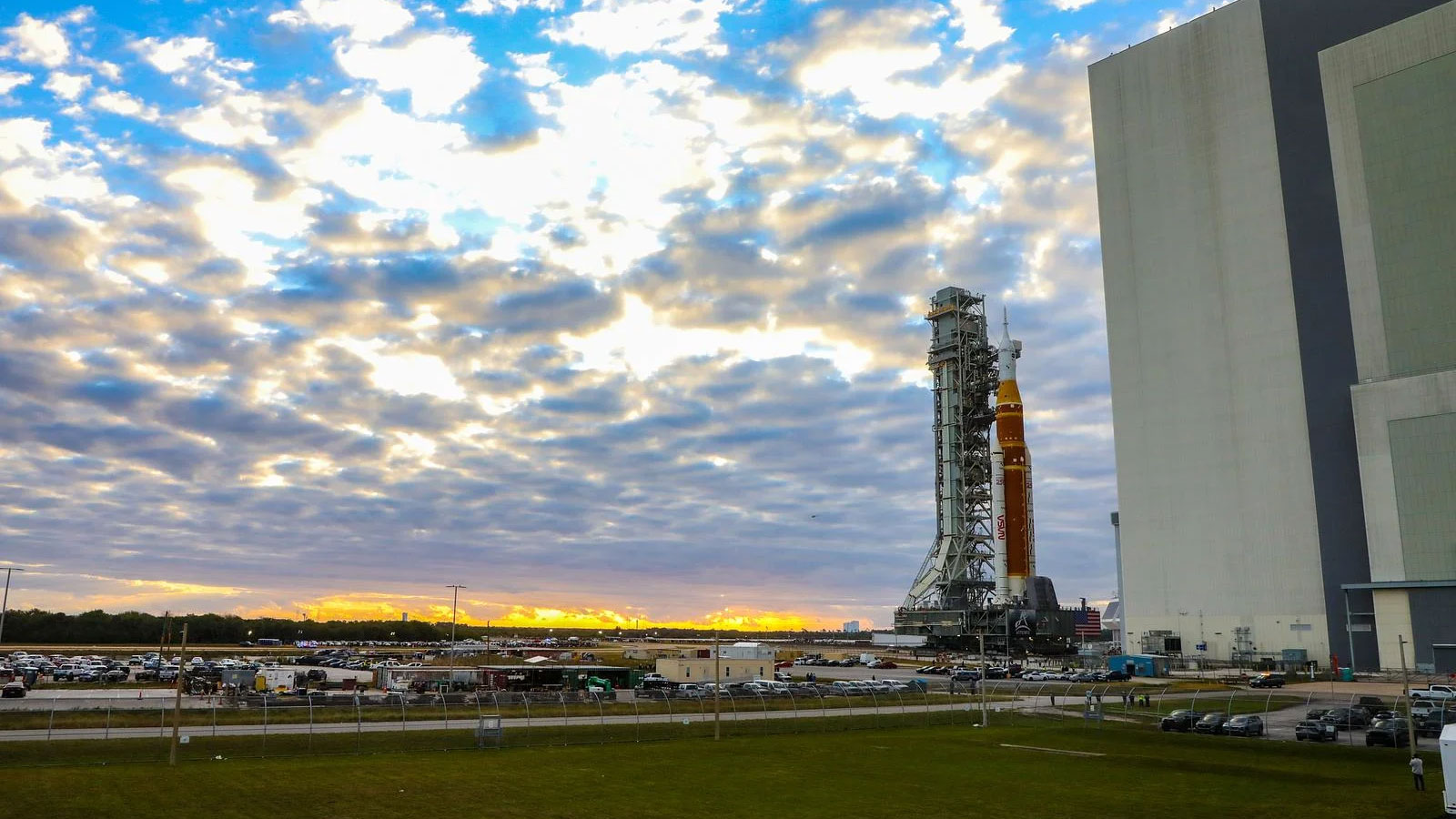
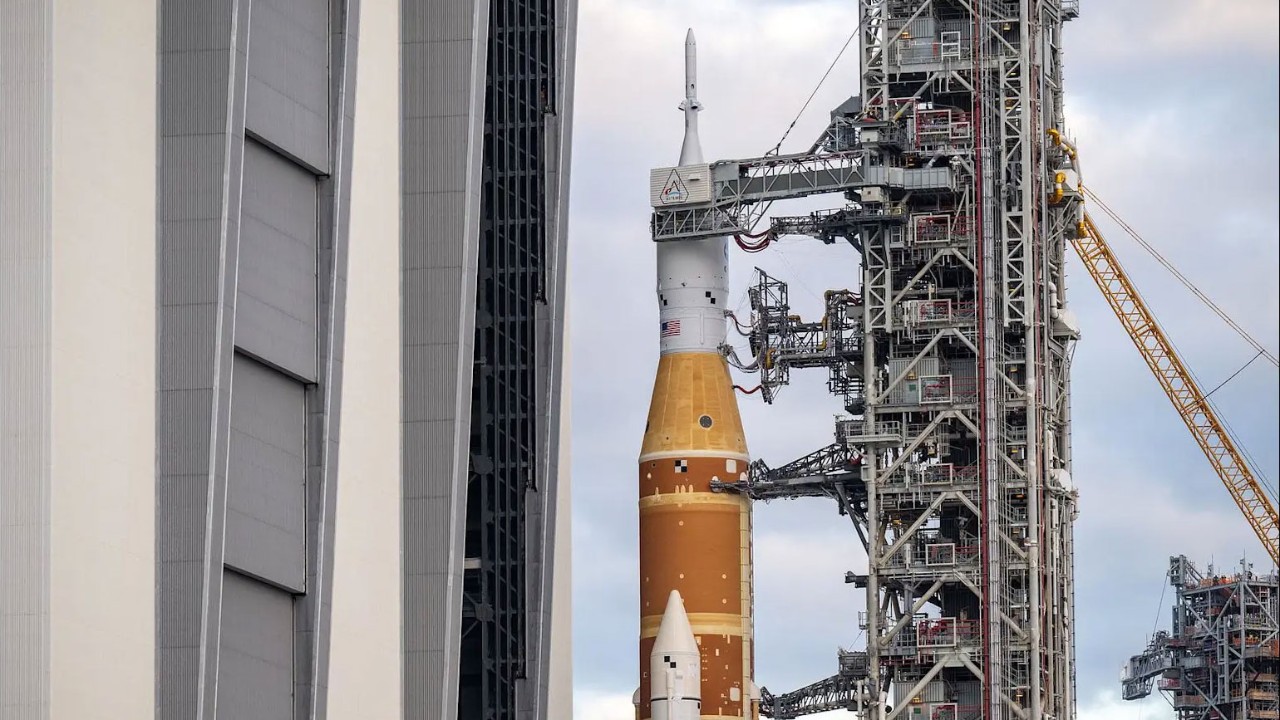
Just after sunrise Saturday, the Artemis II rocket emerges from the Vehicle Assembly Building, beginning an almost 12 hour trip to the launch pad. Just after sunrise Saturday, the Artemis II rocket emerges from the Vehicle Assembly Building, beginning an almost 12 hour trip to the launch pad. (© Boeing/John Grant)

Why it matters: SLS is the only rocket capable of carrying crew and cargo to the moon – the first time in more than 50 years – and is built to enable sustained human missions beyond low-Earth orbit. 

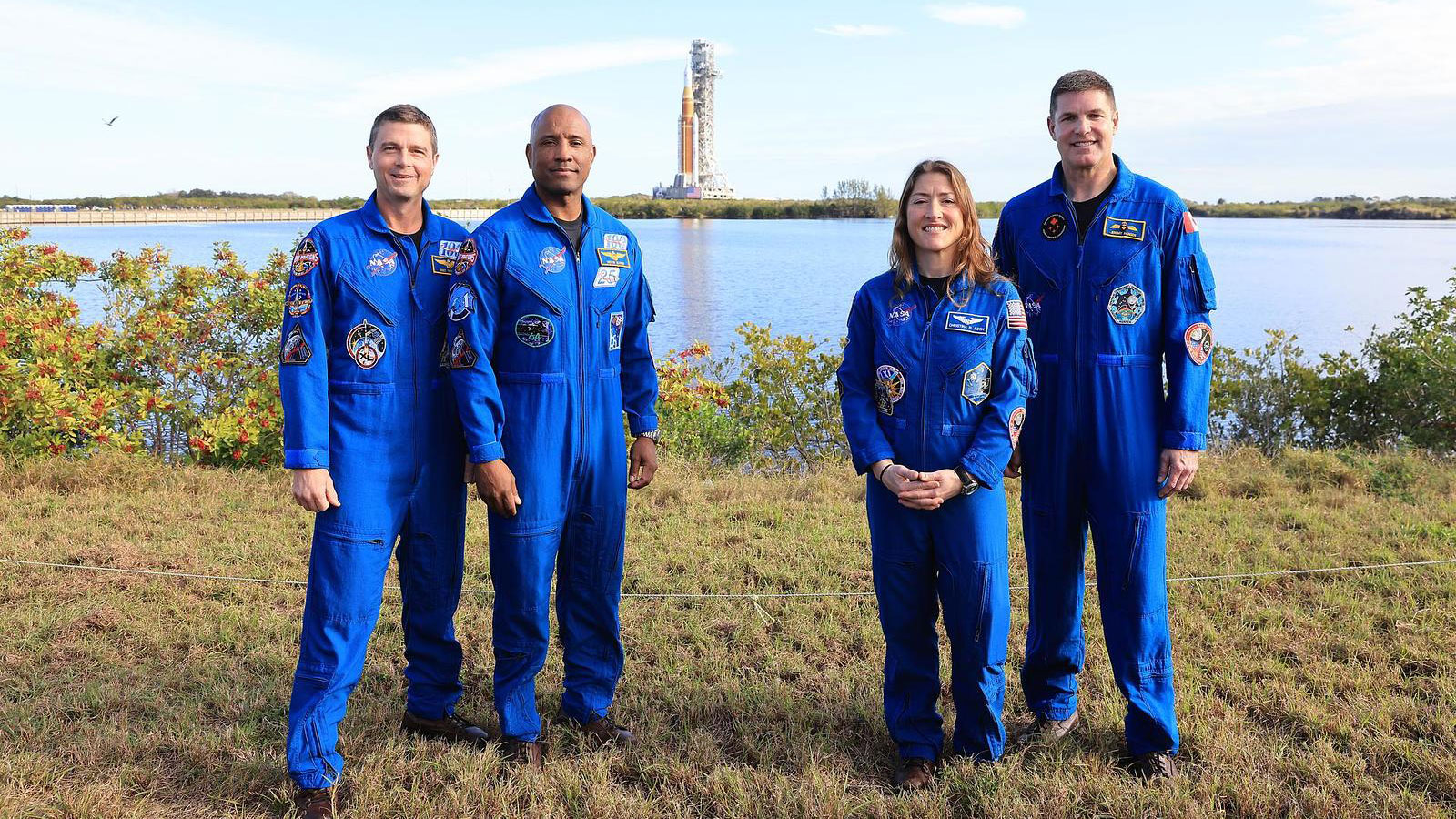
The Artemis II crew will be the first humans to orbit the moon since the 1970s. From left, Reid Wiseman, Victor Glover, Christina Koch and Jeremy Hansen. The Artemis II crew will be the first humans to orbit the moon since the 1970s. From left, Reid Wiseman, Victor Glover, Christina Koch and Jeremy Hansen. (NASA photo)

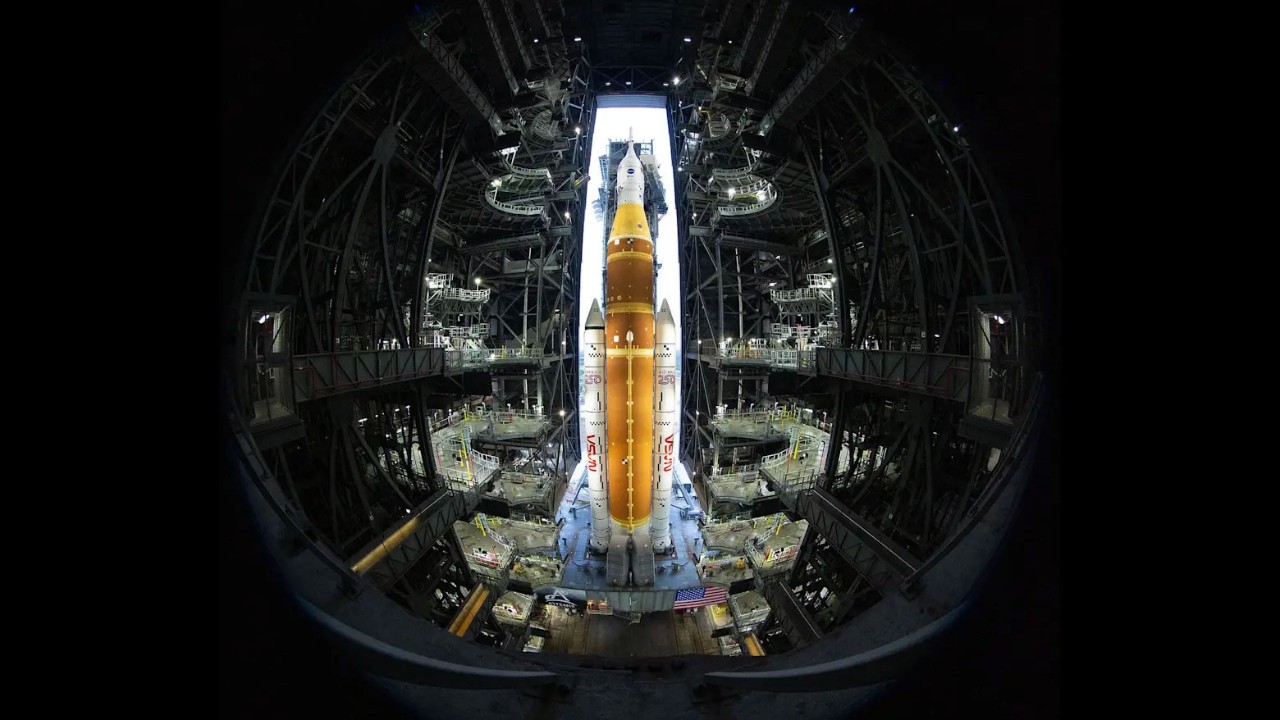
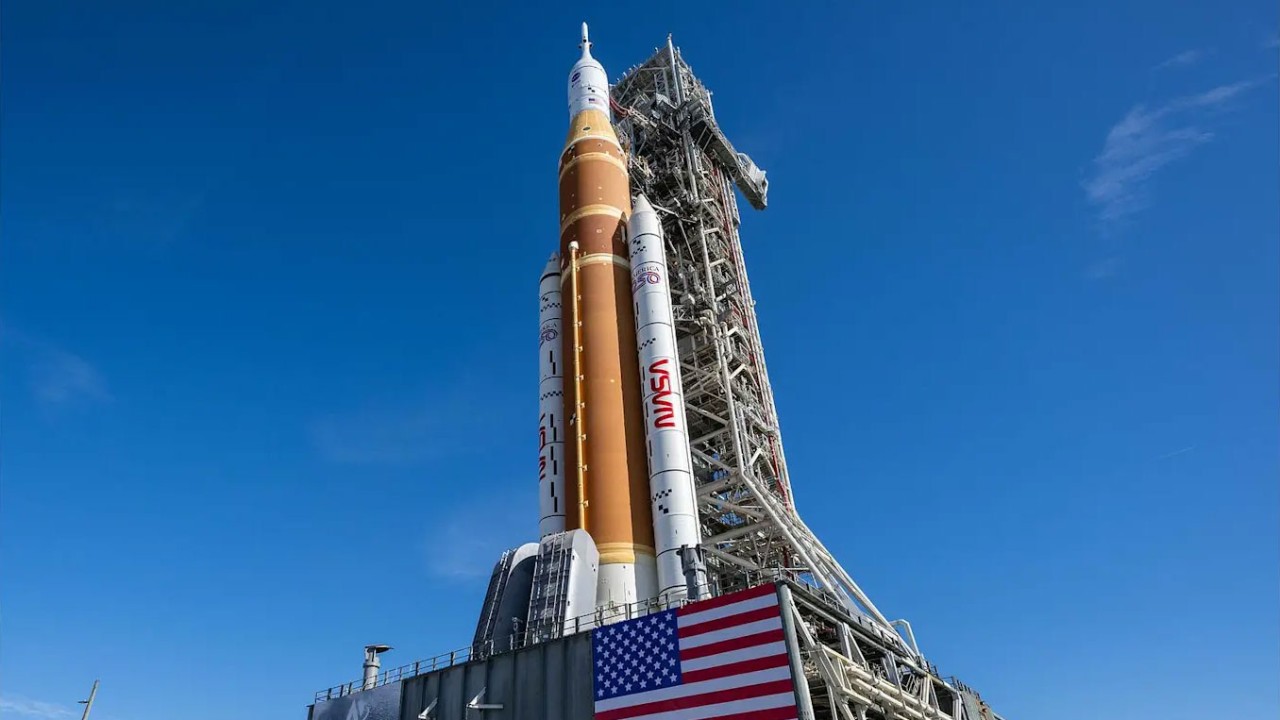
The 212-foot (64.61 meters) Boeing-built core stage holds more than 730,000 gallons (2.7m liters) of cryogenic propellant and, working with four main engines and twin solid rocket boosters, will carry Orion through the roughly eight-minute ascent that places the stack on a moon-bound trajectory.

What’s next: Following rollout, the rocket will undergo what’s called Wet Dress Rehearsal, that is – a full launch pad test that validates propellant systems, communications and countdown procedures with the vehicle in its launch configuration. 

  • This rehearsal is critical for the crewed mission as teams will verify that the integrated stack of rocket and crew capsule, ground teams and procedures can support a safe, reliable countdown and liftoff. 
  • Teams will load and stabilize cryogenic propellants – this is why it’s a “wet” rehearsal – then run multiple simulated countdowns, exercise launch sequencers and communications, and then safely drain the fuel from the vehicle.

By Megan Gessner