In the spirit of history

Nearly a century of innovation brings Boeing’s newest acquisition full circle.

January 02, 2026 in History

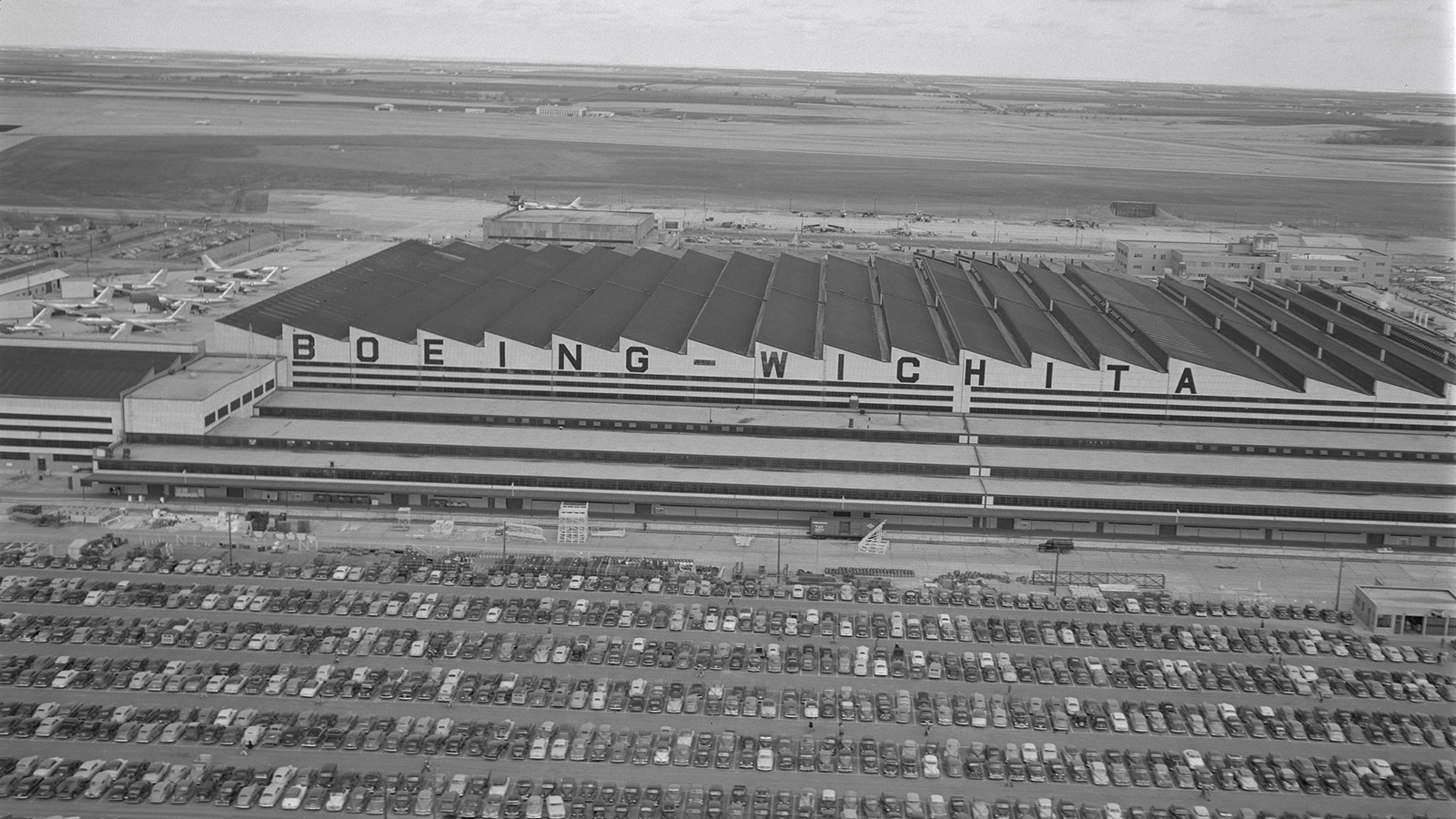
Black and white aerial photo of Boeing Wichita plant in the 1950s Boeing Wichita, 1951

The resilience of Boeing Wichita has been there since the early days of Stearman Aircraft Corporation (SAC), which officially became Wichita Division: Boeing Aircraft Company in 1941.

The SAC was a small aircraft company started by Lloyd Stearman that manufactured commercial biplanes and mail planes from 1927 to 1929 in Wichita, Kansas. At the time, Wichita already had a growing aviation industry with pioneers like Walter Beech and Clyde Cessna who helped the city become a hub for aviation manufacturing.
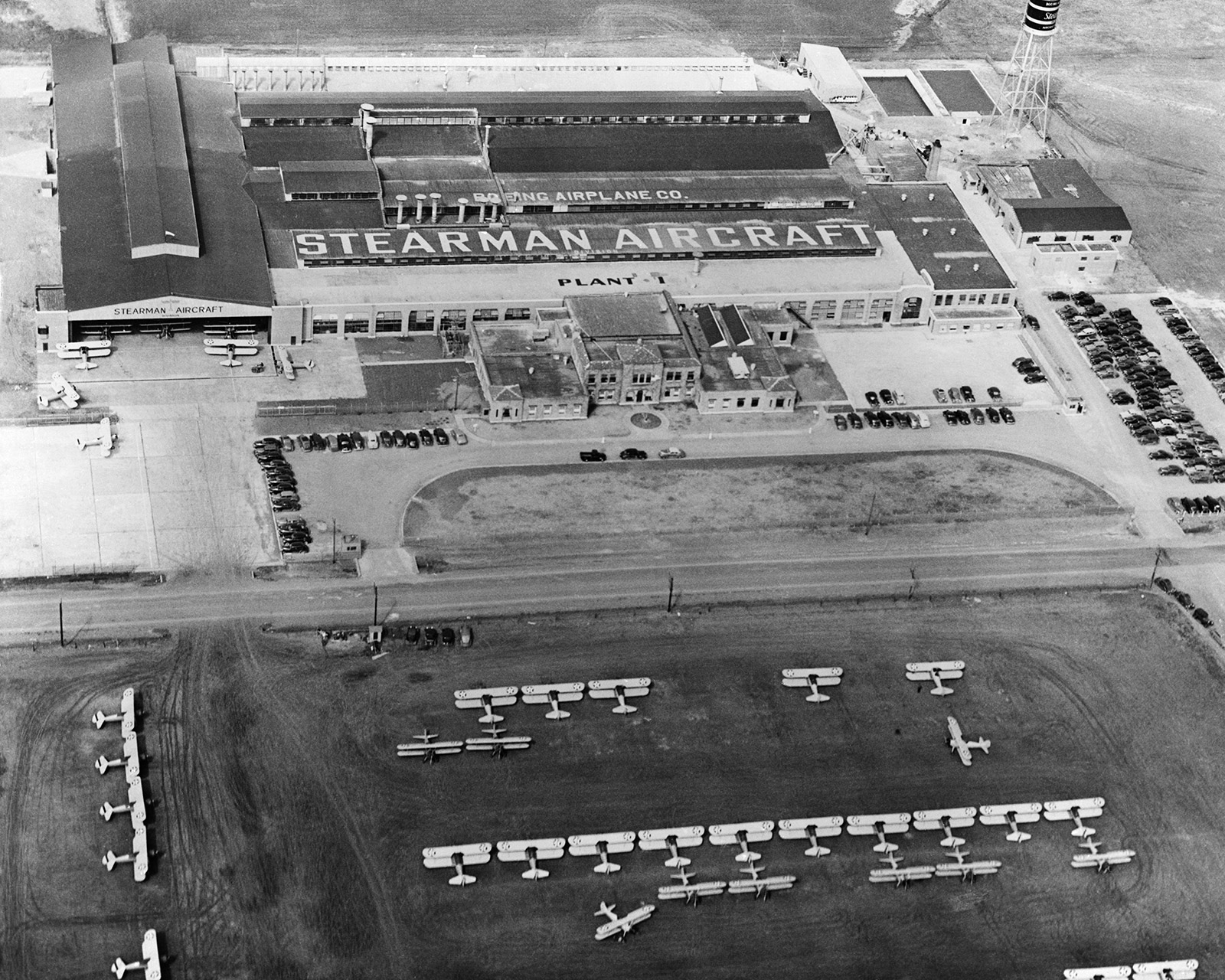
Black and white aerial view of old Stearman aircraft plant in the 1930s. Stearman Plant, c. 1930

When the Great Depression forced many aircraft companies to close, Stearman was able to stay afloat with the help of Bill Boeing’s holding company, United Aircraft and Transport Corporation (UATC). Stearman operated within UATC as a subsidiary, developing and building its own designs until becoming a division of Boeing in 1934.

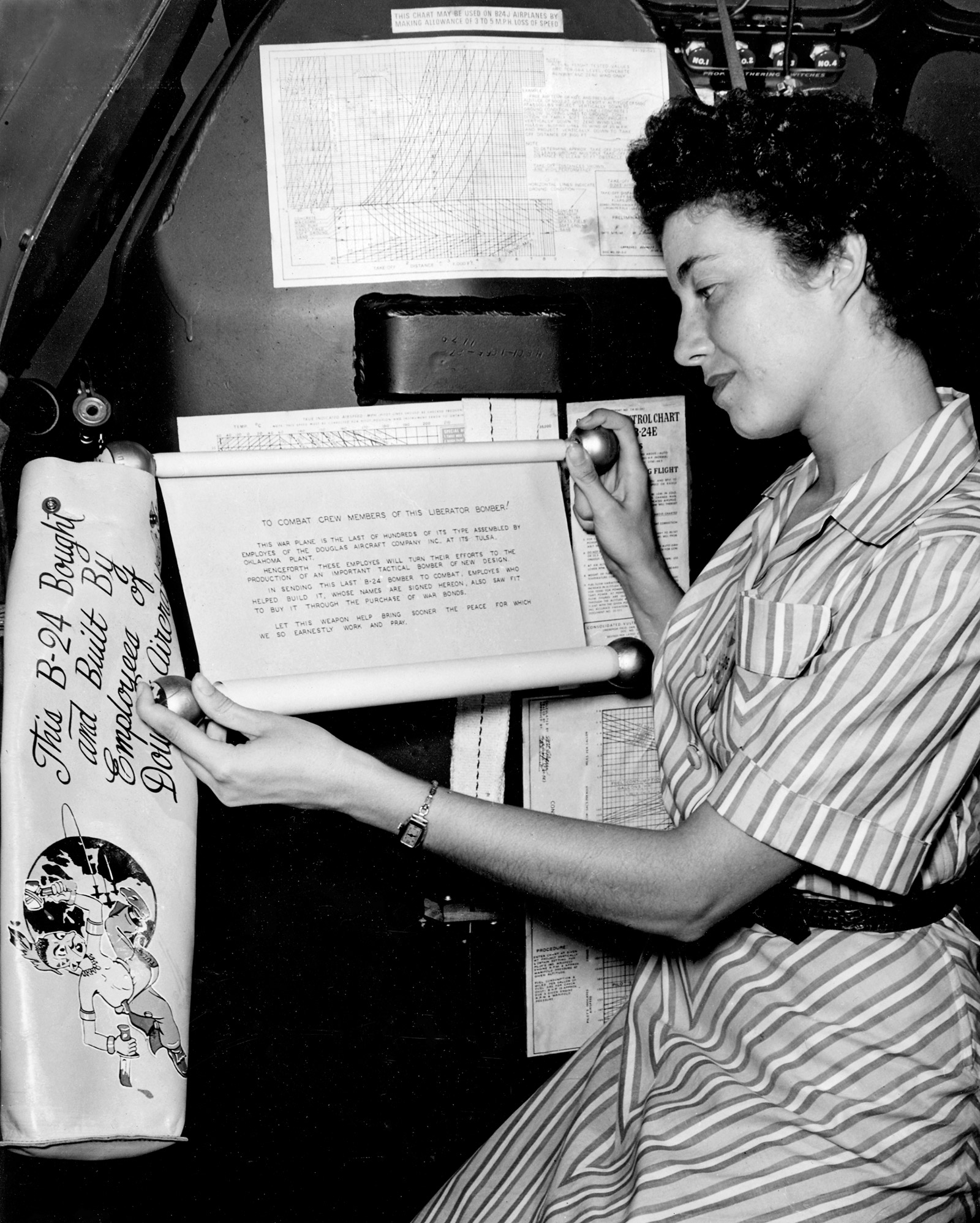
A black and white photo of a woman holding up a sign. Douglas employee holds up message to combat crews in part stating: “THIS WAR PLANE IS THE LAST OF HUNDREDS OF ITS TYPE ASSEMBLED BY EMPLOYES OF THE DOUGLAS AIRCRAFT COMPANY INC. AT ITS TULSA, OKLAHOMA PLANT.”

By the time the United States entered World War II, the Stearman Kaydet was on the market as the most popular trainer of its time. The Boeing Wichita Division then expanded operations to include producing the B-29 Superfortress, joining other manufacturers across the U.S. in supporting the war effort, like the Douglas Aircraft Company (DAC), which built a plant in Tulsa, Oklahoma, to produce B-24 Liberators, A-26 Banshees and A-26 Intruders.

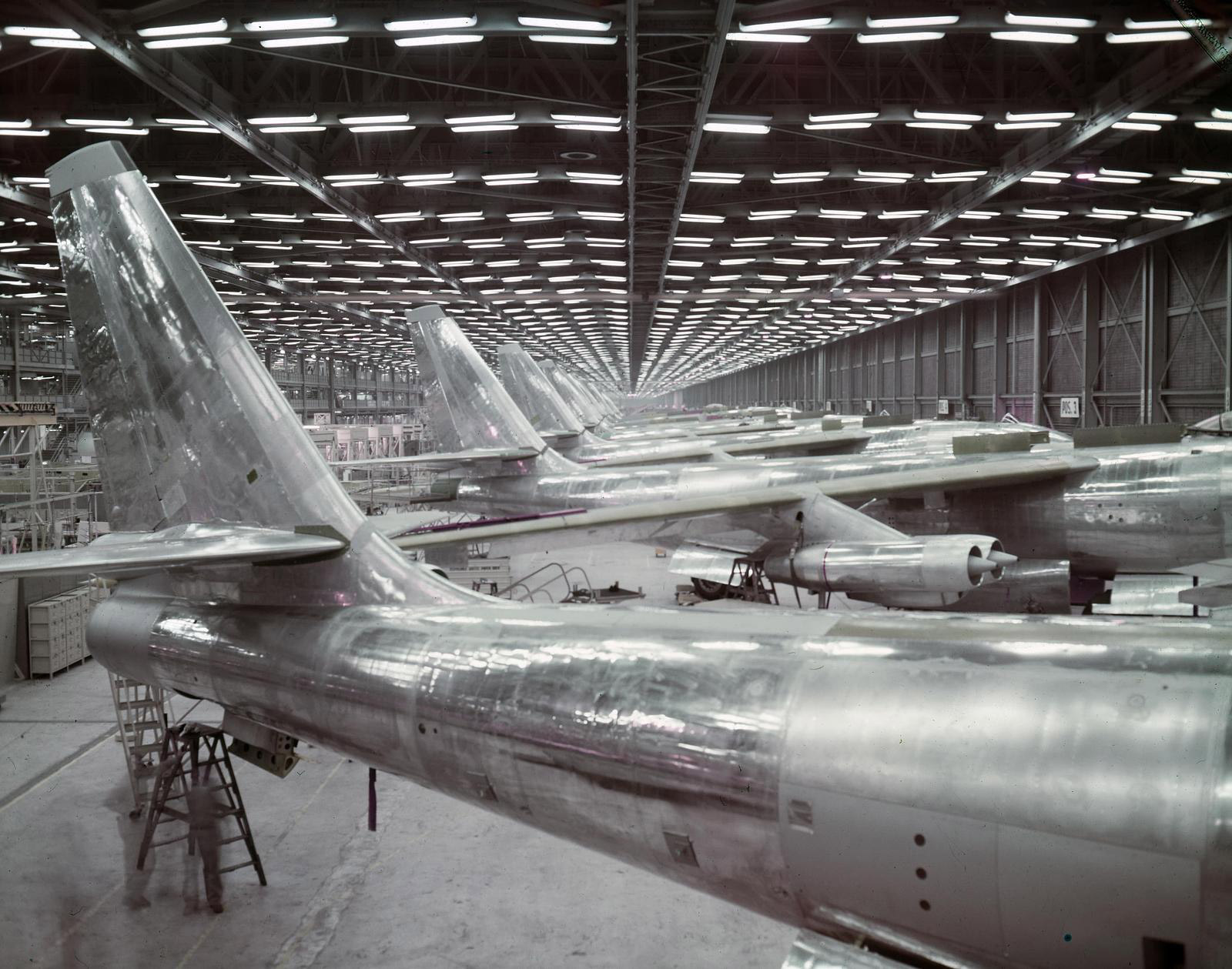
Black and white image of several planes in production. After briefly closing following the war, the Tulsa plant was reactivated in 1950 to build B-47s and B-66 Destroyers.

World War II became the foundation for many of these company plants, as mass production was the ultimate goal of President Franklin D. Roosevelt’s Arsenal of Democracy. This “arsenal” was the immense cache of weapons for the Allied nations to support the fight against the anti-democratic Axis powers. If the Allies could out-produce the enemy, they would be able to win the war. Boeing Wichita was a prominent part of this effort, and the U.S. government sponsored the construction of Plant II for building B-29s.

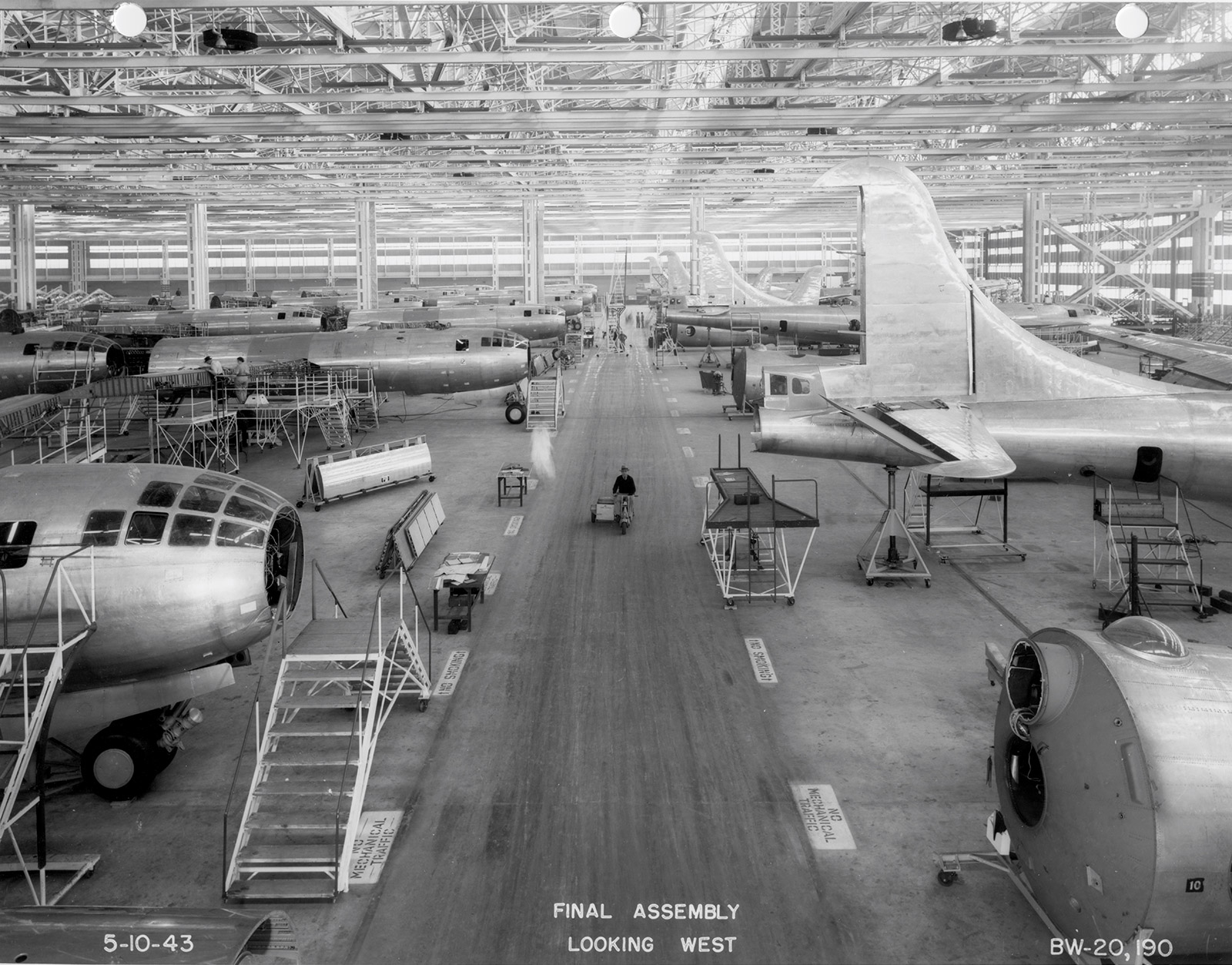
Black and white image of B-29 bombers being built inside a manufacturing facility. B-29 final assembly at Boeing Wichita, May 10, 1943

Although the contract for B-29s was issued in 1941, Plant II construction was not completed until 1943, and workers were desperately needed. By January 1944, only 97 B-29s had been built, with only 16 actually serviceable. While more employee training was required, the B-29 was not a simple aircraft. That, combined with deficiencies in the process due to the rapid aircraft production rate, created a challenging environment.

Resilient and determined, Boeing Wichita rallied under the direct orders of Gen. Hap Arnold, who wanted 175 serviceable planes by mid-April. Twelve hundred technicians from the U.S. Air Force and Boeing convened in below-freezing temperatures, working around the clock. And they succeeded. On April 15, 1944, the 175th B-29 was delivered.

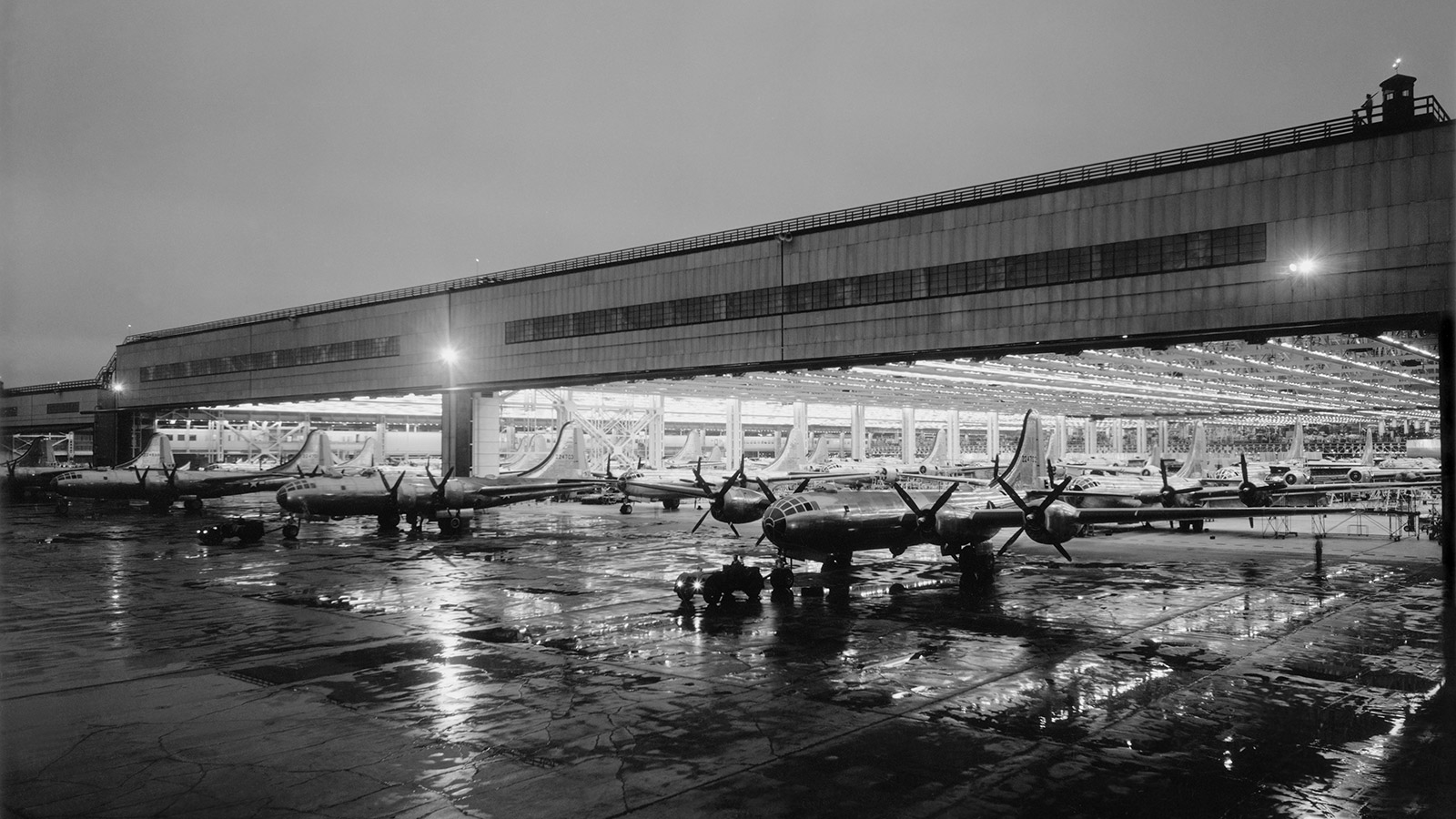
Black and white photo of fully built B-29 bombers coming out of the factory. By the end of the war, 1,644 of the 3,888 total Superfortresses that were built were made in Wichita.

The event became known as the Battle of Kansas and helped solidify the name of Boeing Wichita as a key component to the success of the American war effort. Overall, American manufacturers produced over 300,000 planes by war’s end. However, once the war ended, so did the need for mass production. As such, many manufacturing plants that had opened during the war shut down. Thanks to a man named James Earl (J.E.) Schaeffer, Boeing Wichita persevered.

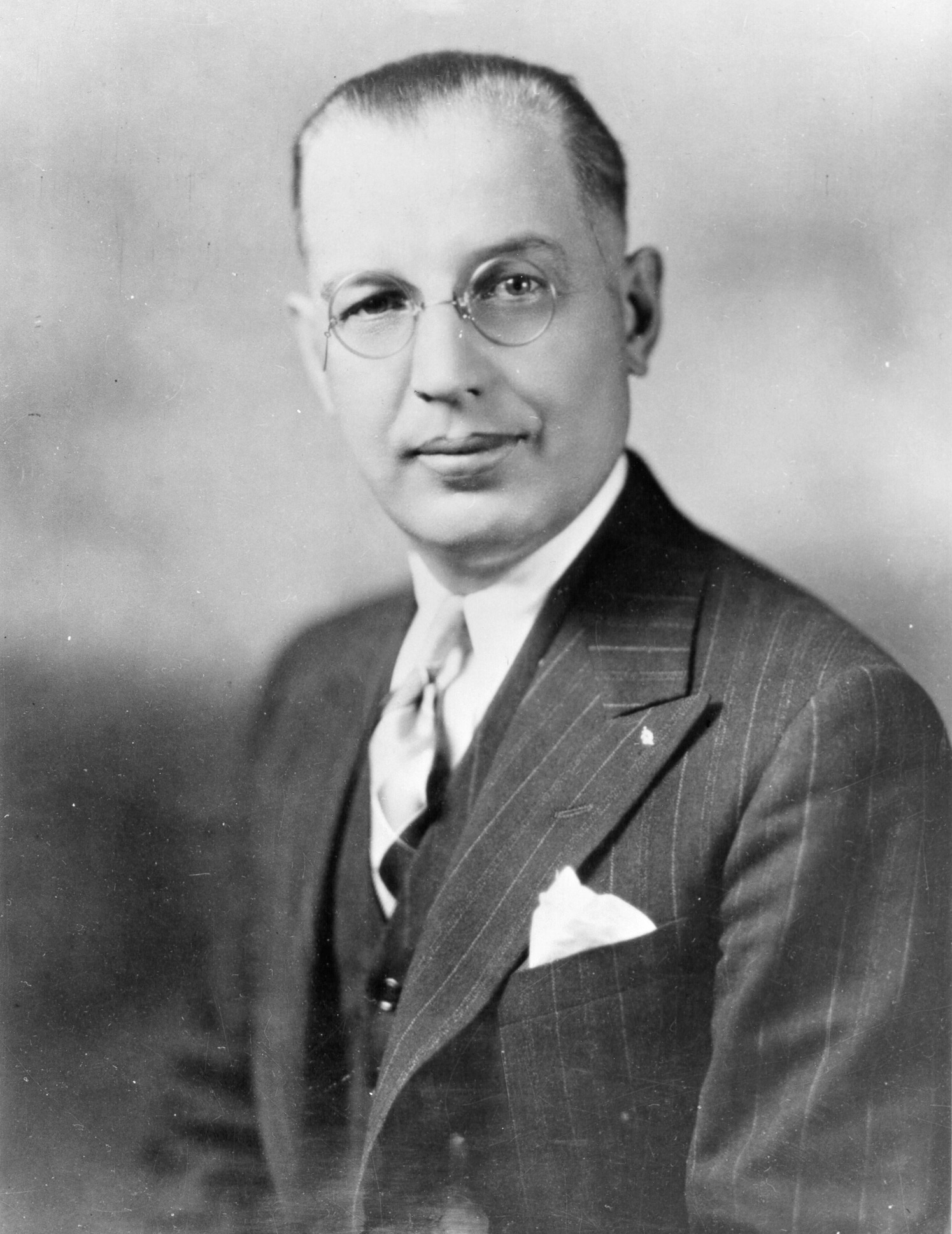
A black and white portrait of a man James Earl Schaeffer

Schaeffer started with Stearman as a sales manager in 1927. He led operations from the monumental 1934 military contract for Kaydet Trainers to the production of B-29s. When the government shifted its focus, Schaeffer pivoted as well and expanded Boeing’s Wichita operations to build the revolutionary B-47 Stratojet.

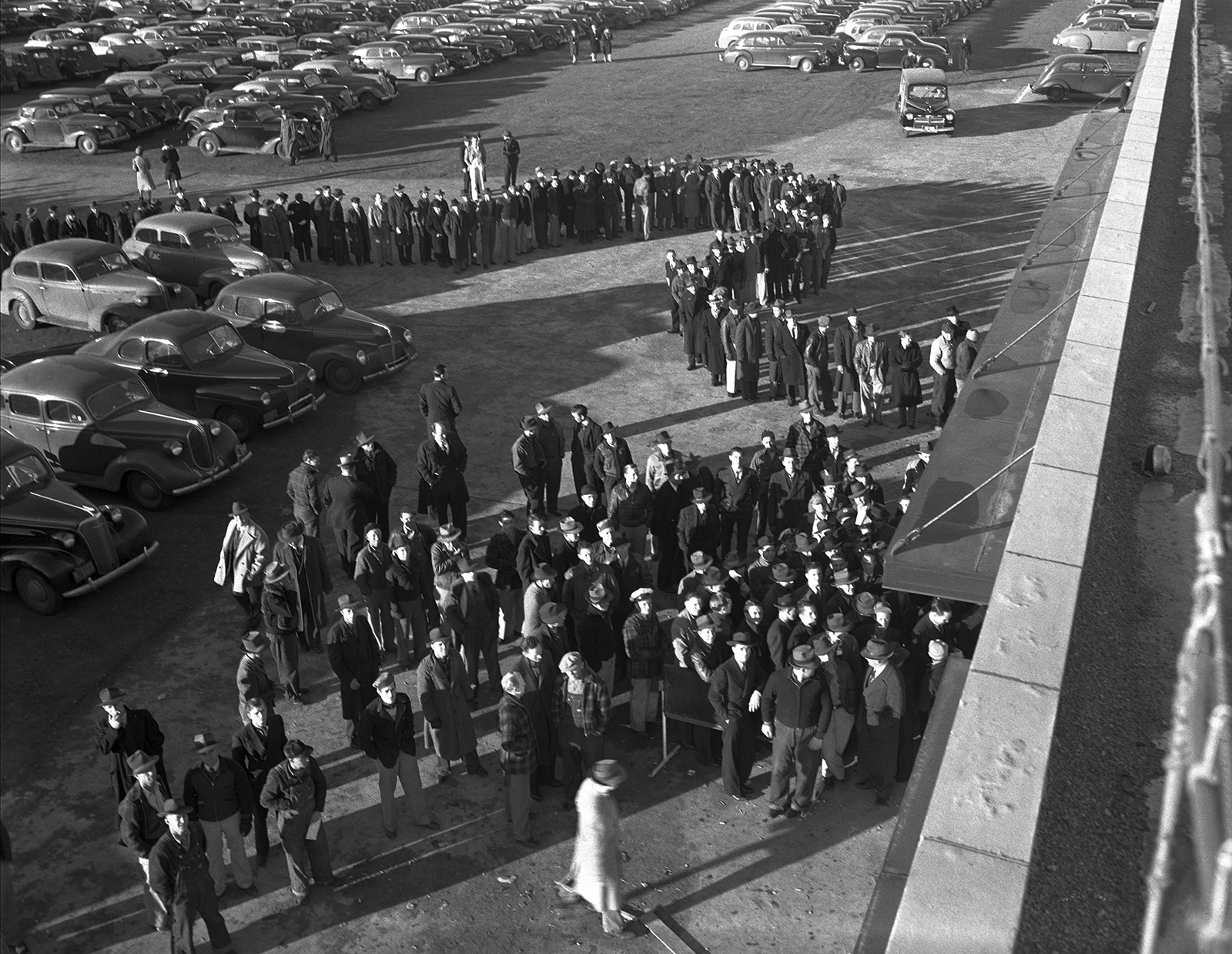
A black and white photo of a group of employees standing outside an airplane factory waiting to get inside. Employees lined up outside Stearman Aircraft, c. 1930-1940

In 1956, the company reached record payroll numbers with approximately 34,000 employees, a far cry from the 50 employees employed by Stearman to build biplanes in earlier years.  By the time Schaeffer retired from Boeing in 1959 as vice chairman, Boeing Wichita had established the second B-52 production line.

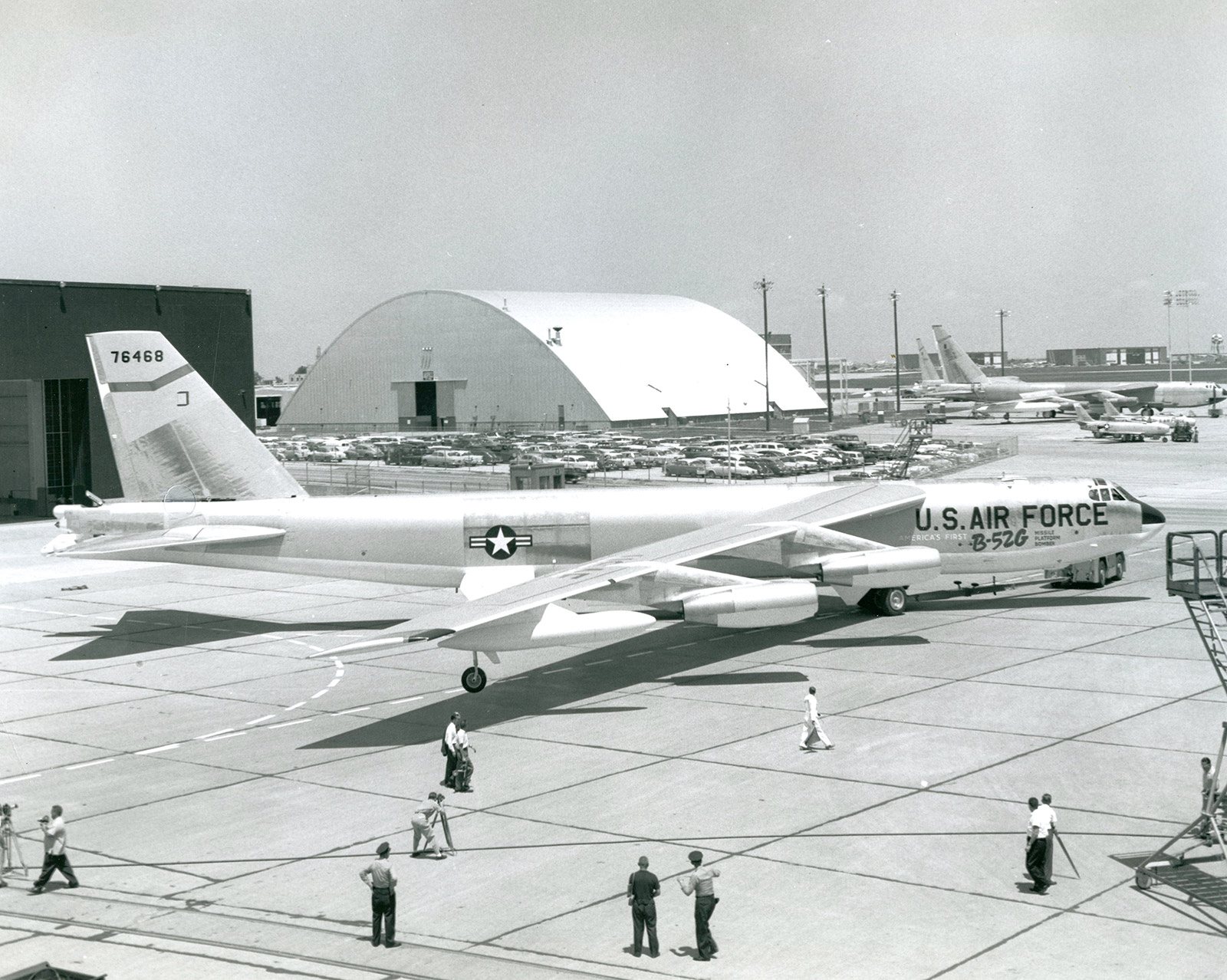
A black and white photo of a B-52 bomber sitting on the tarmac outside of the plant. B-52G at Wichita

Boeing Wichita evolved over the decades as a nationwide operation, building military aircraft and parts for commercial airplanes. Along the way, it became a staple in the community, thriving in a city known for aviation. Working at Boeing was a family affair filled with pride, not just because of the deep history embedded within but the positive impact the company made as a large employer of the city’s residents.

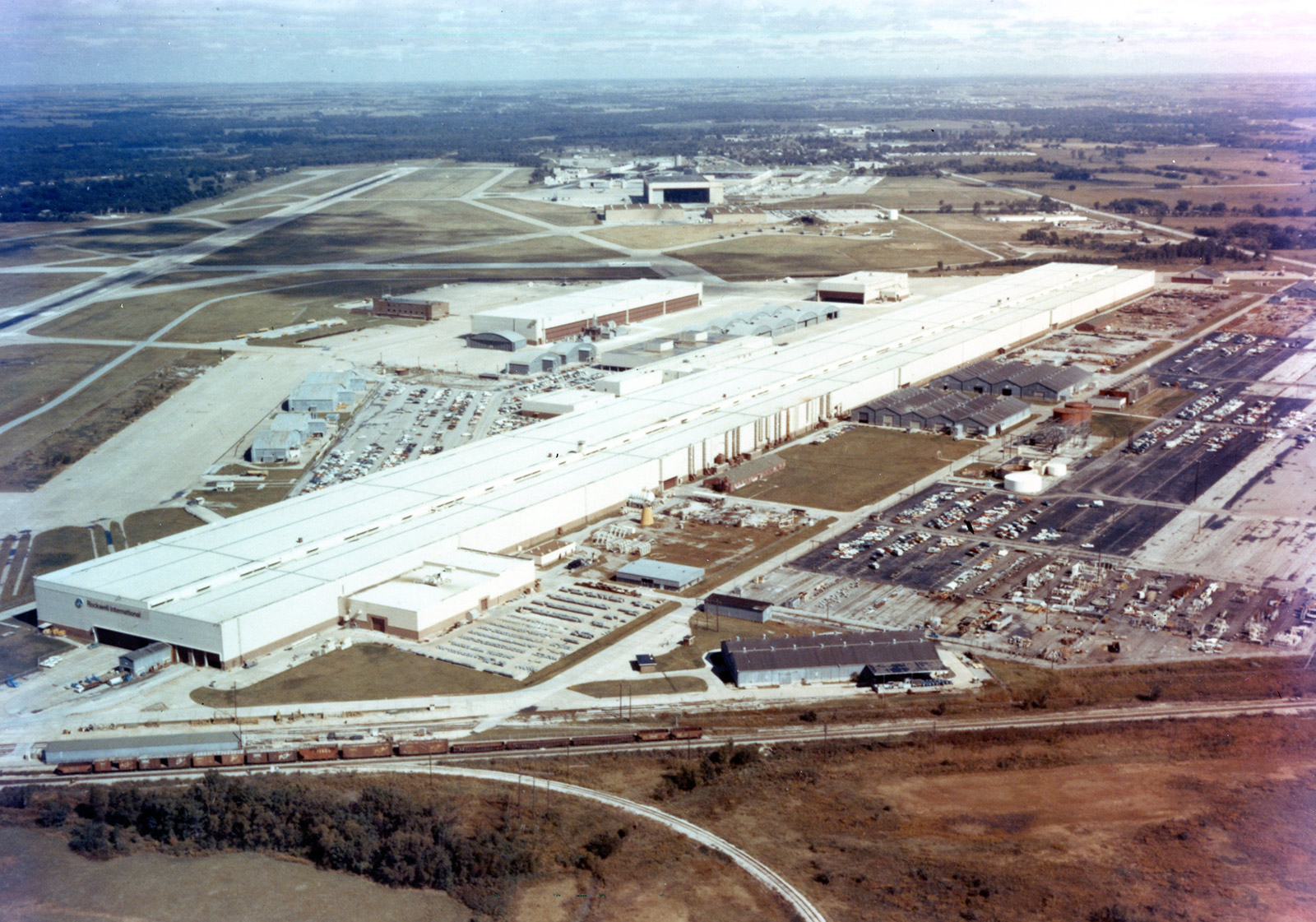
A color aerial image of a white building - the Rockwell facility - in the 1990s. Rockwell Tulsa Division

In 1996, Boeing’s acquisition of Rockwell International (formerly NAA) included the plant in Tulsa, Oklahoma, which helped develop the B-1 Lancer, components of the Space Shuttle and other military projects. Rockwell also made assemblies for commercial airplanes.

Spirit Aerosystems took over Wichita’s commercial and Tulsa operations in 2005, while Boeing Defense (Wichita) remained for a bit longer, eventually closing its doors in 2012. But while change is inevitable, one thing remained constant: Wichita’s impact on the aviation industry for over a century. Today, the resilience of Boeing Wichita has proven to be unbreakable as it returns once again to continue building upon the foundation laid long ago.

By Anna Italiano