Key takeaways
- For 70 years Spectrolab has turned sunlight into power for space missions.
- The Boeing subsidiary has delivered over 7 million solar cells.
- Teammates meet growing demand with innovation, quality and delivery.

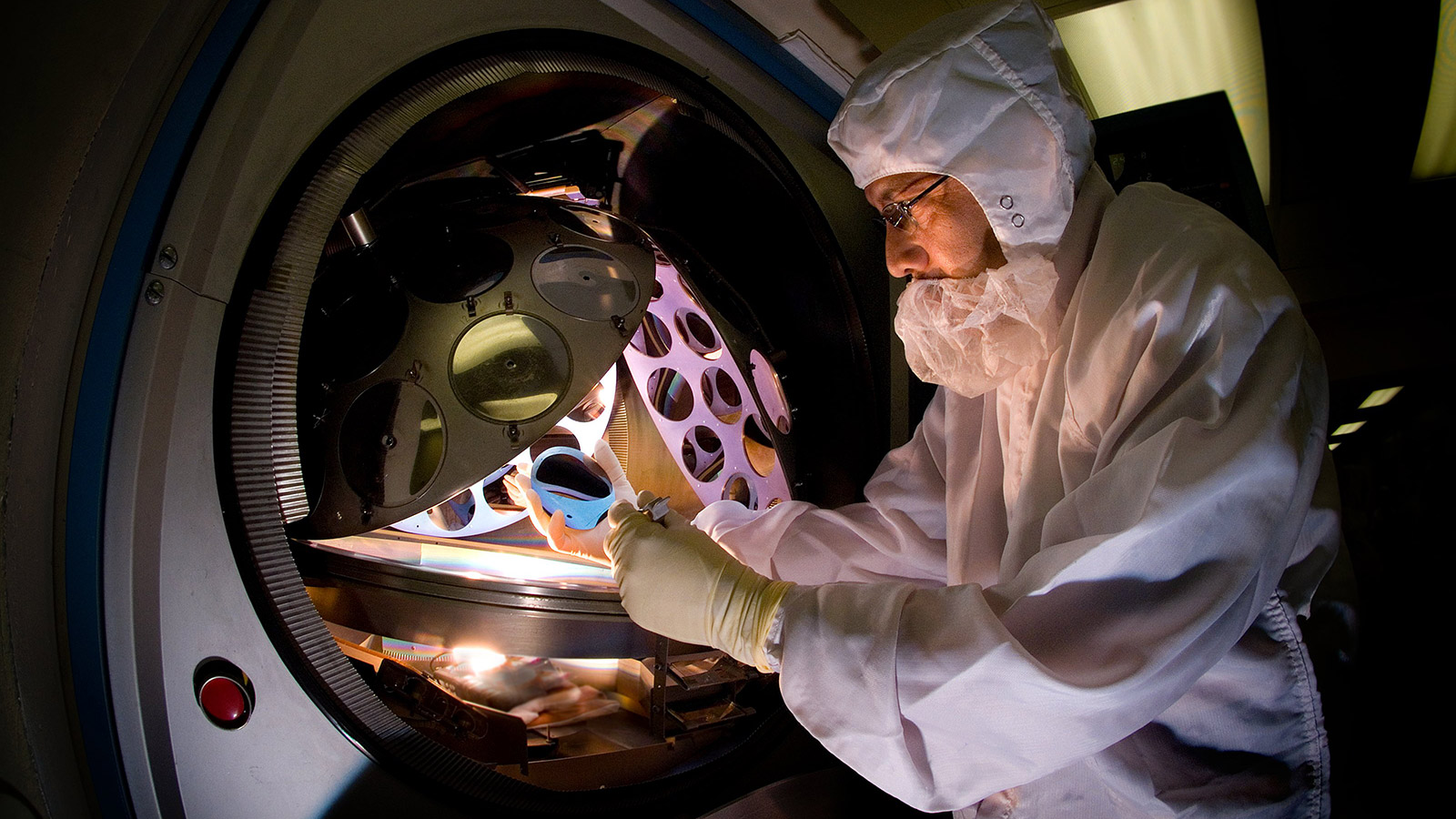 A Spectrolab technician works with semiconductor material used to produce high-efficiency space solar cells. As demand grows across commercial, civil and national security missions, Spectrolab is scaling production to power the next generation of spacecraft. (Boeing photo)
Key takeaways
This month, Spectrolab, a Boeing Company, marked its 70th anniversary of turning sunlight into spacecraft survival. Founded in 1956, the subsidiary has powered some of humanity’s farthest-reaching missions and is now scaling its manufacturing baseline to meet a massive spike in commercial and defense demand.
Why it matters: Spectrolab drives the modern space economy. The Sylmar, California-based manufacturer has delivered over 7 million multijunction space solar cells, equating to more than 10 megawatts of space-grade power currently operating in orbit.
“Space is an unforgiving environment,” said Spectrolab CEO Mark Hatch. “Solar arrays must endure violent acoustic vibrations during launch, extreme thermal shock as spacecraft pass in and out of eclipse, and constant bombardment by ionizing radiation. Our team’s focus on innovation and quality has helped our customers complete their missions outside of Earth’s gravitational pull.”
Driving the news: Spacefaring companies and nations are moving away from legacy single-layer silicon cells to meet these challenges, demanding advanced multijunction architectures.
Catch up quick: Spectrolab’s flight heritage tracks directly with the history of the Space Age itself.
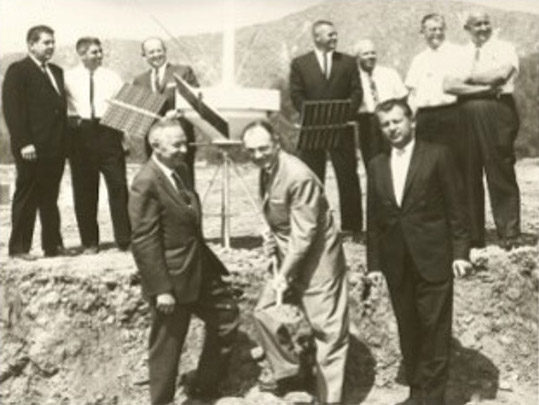
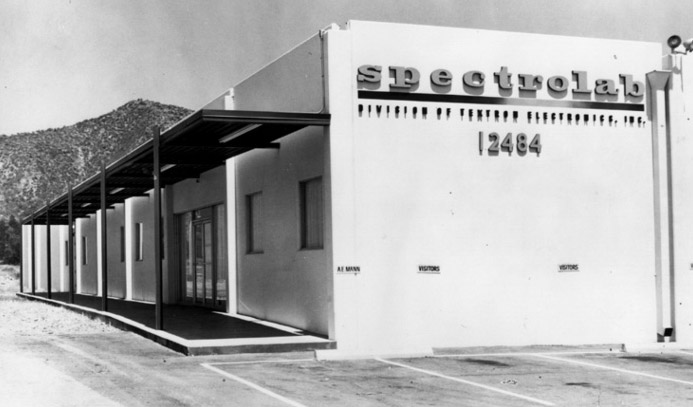
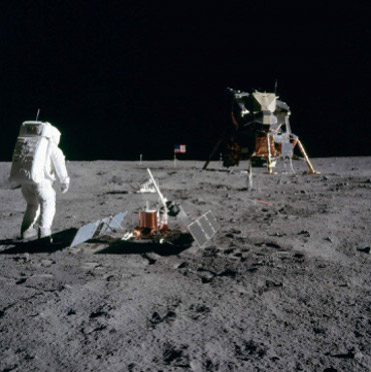
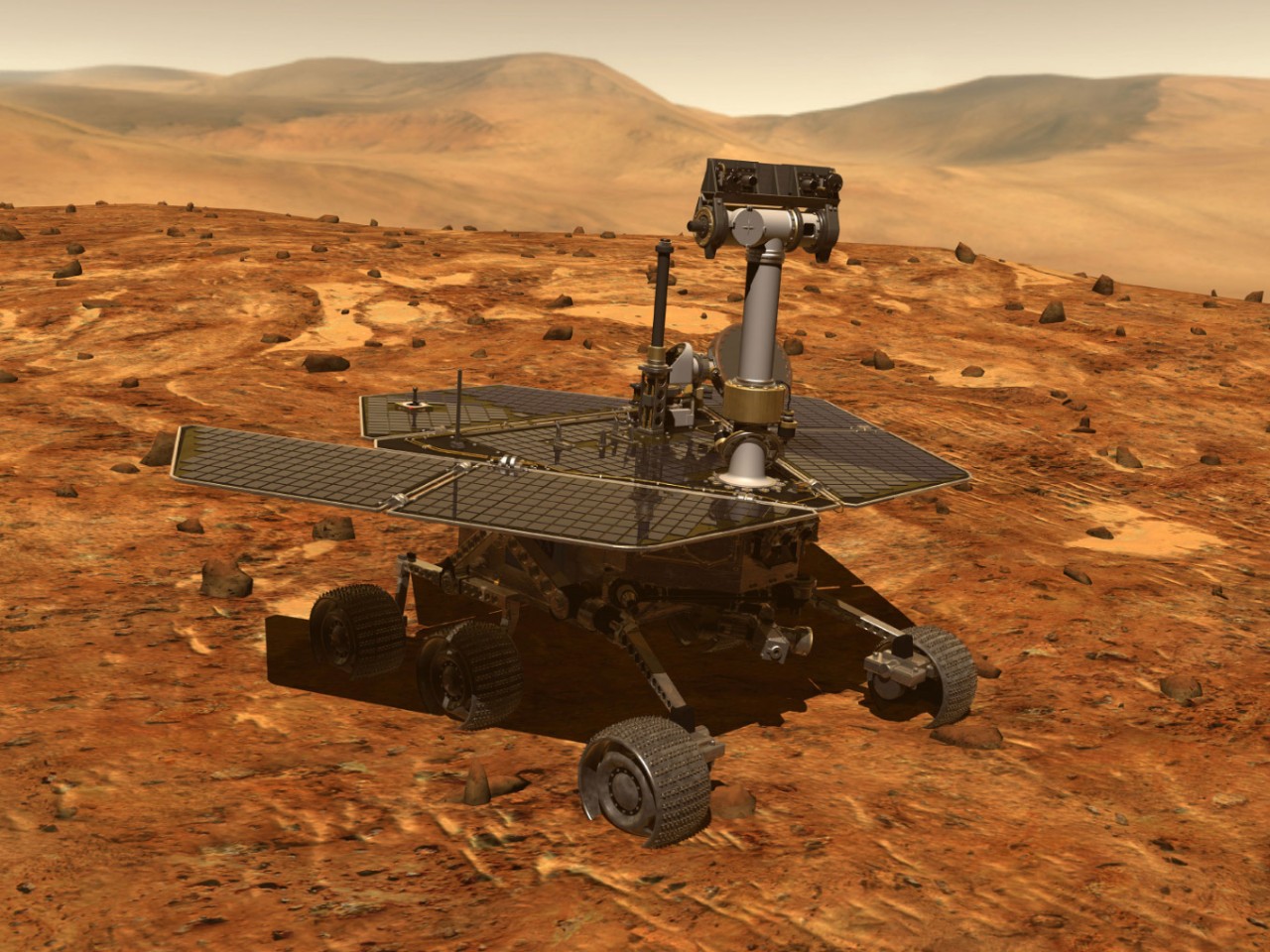
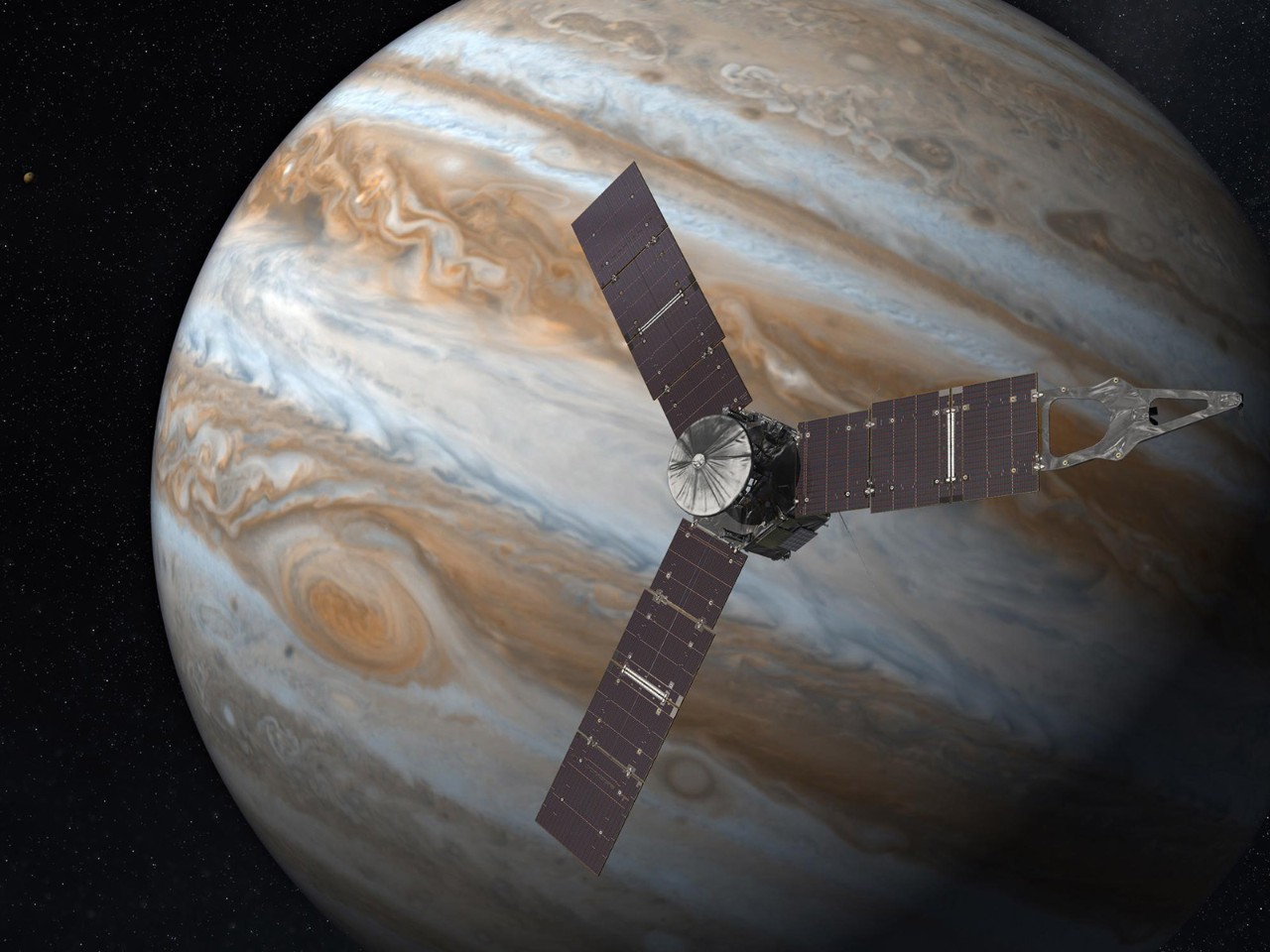
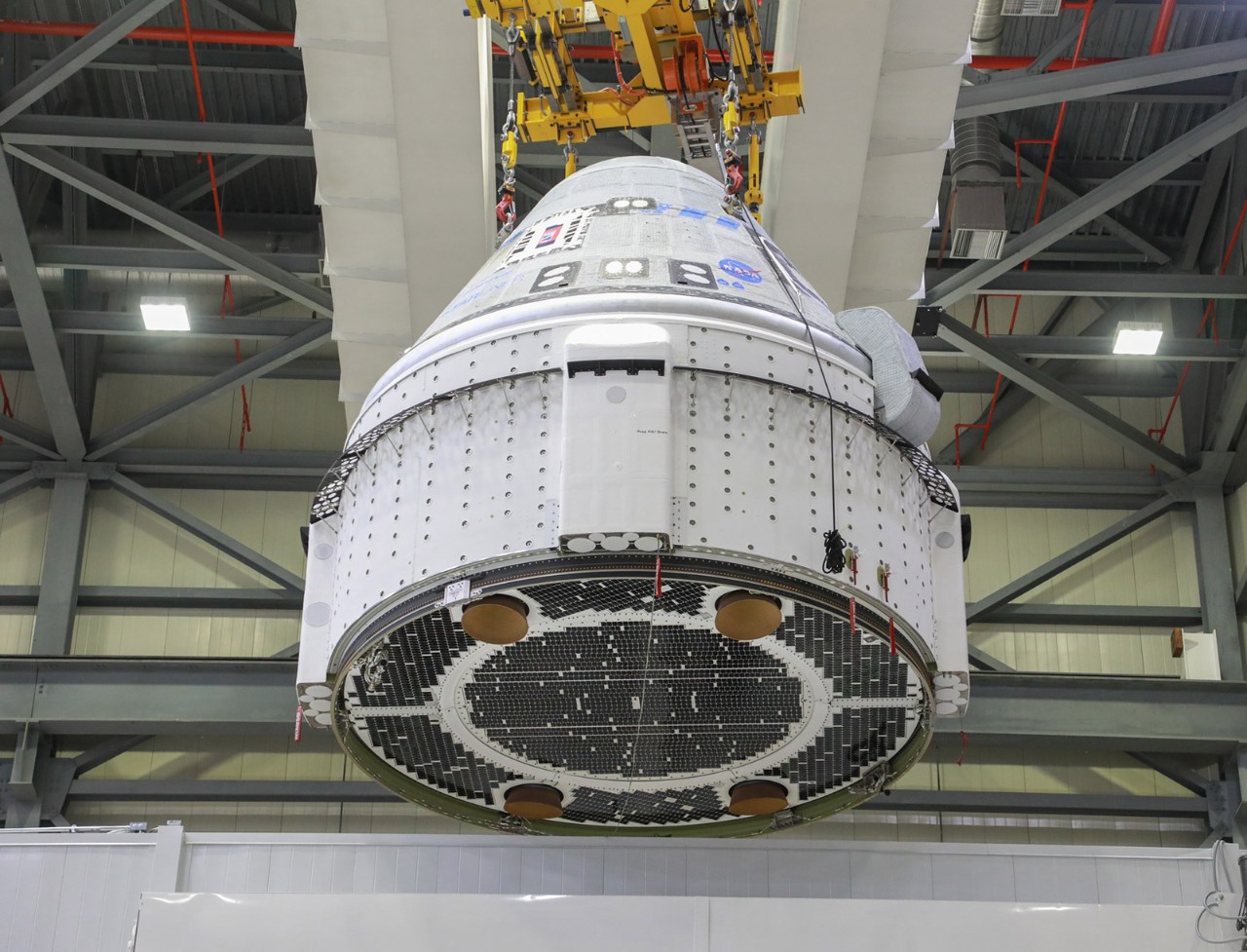
The big picture: Today, that legacy is translating into next-generation commercial, civil and defense architectures.
“Our newest cell lines continue to set the bar for performance and price,” said Chris Fetzer, Spectrolab chief engineer and Associate Technical Fellow. “The growing demand from both the commercial and defense sectors are a testament to best in class products. Our decades of manufacturing experience give our customers confidence that their mission power requirements will be met and will be delivered on time.”
What they’re saying: Behind the hardware is a specialized workforce defined by a direct, daily connection to the mission, many of whom have dedicated decades of service.
By Zeyad Maasarani