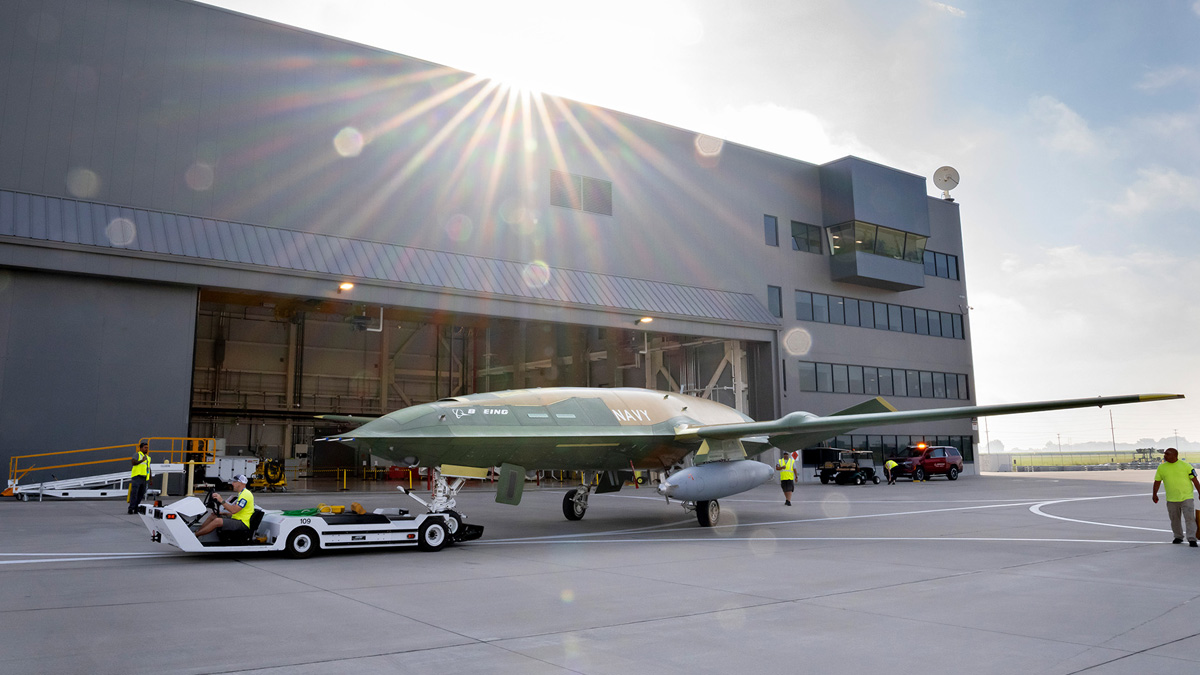
Why it matters: The software’s open architecture command-and-control messaging supports MUM-T across Link 16 — a capability that will enable the unmanned MQ‑25A StingrayTM to operate seamlessly with manned strike and tanker aircraft.
- “Integrating this software into the MQ‑25A will give manned platforms control of aircraft, turning the tanker into a force-multiplier that streamlines refueling operations and expands mission reach,” said Kayla Stice, MQ-25 Advanced Design program manager.
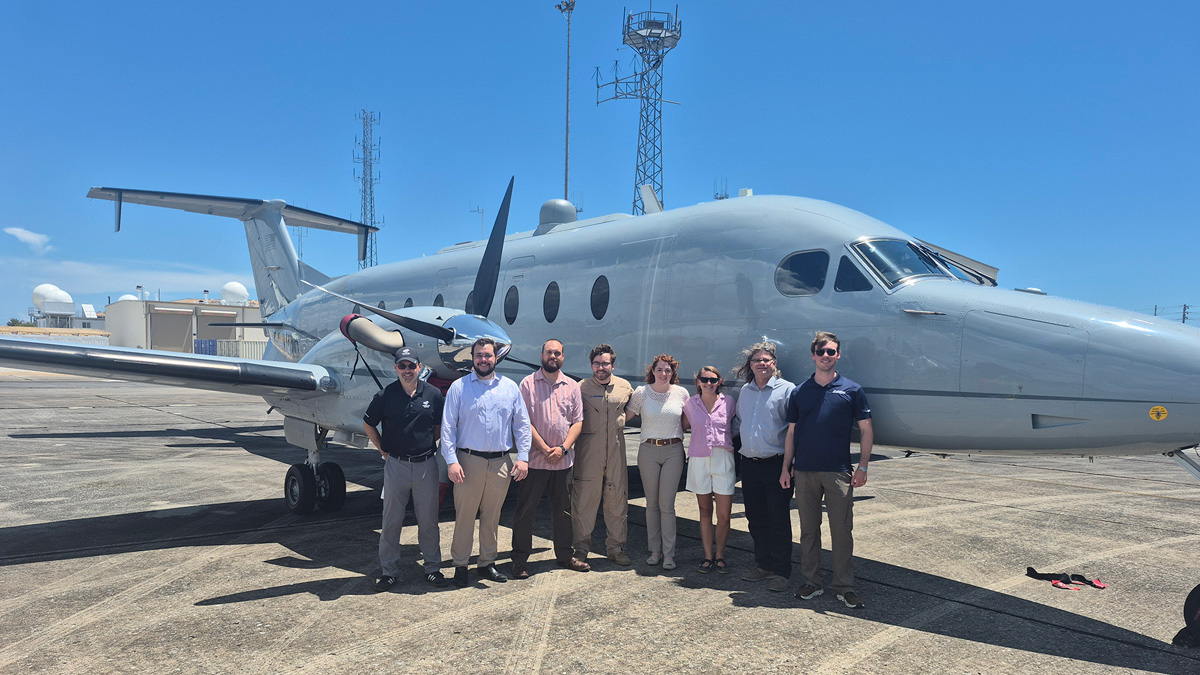
Driving the news: Through collaboration with the U.S. Navy, Boeing teammates across Phantom Works, MQ-25, F/A-18 and F-22 have worked together to develop a platform-agnostic software that could serve numerous platforms across the U.S. Navy and Air Force, with the goal of deploying the capability first on the MQ-25A Stingray and F/A-18 Super Hornet once it is fully tested and evaluated.
- “Having this software embedded into the MQ-25A, we enable autonomous coordination with manned platforms — improving tanker responsiveness, reducing logistical friction, and multiplying the carrier strike group’s operational tempo,” said Mark Dunn, MQ-25 Avionics Integrated Product Team lead.
What’s next: Once validated through ongoing additional test flights, this capability will be integrated into the operational MQ-25A’s software in the future, enabling seamless teaming communications for carrier‑based refueling and coordinated strike support.
By Kelsey Chadwick