Virtual reality makes aerospace painting safer

A new program helps experienced painters learn aerospace methods while practicing in a safe training environment.

October 14, 2026 in Safety

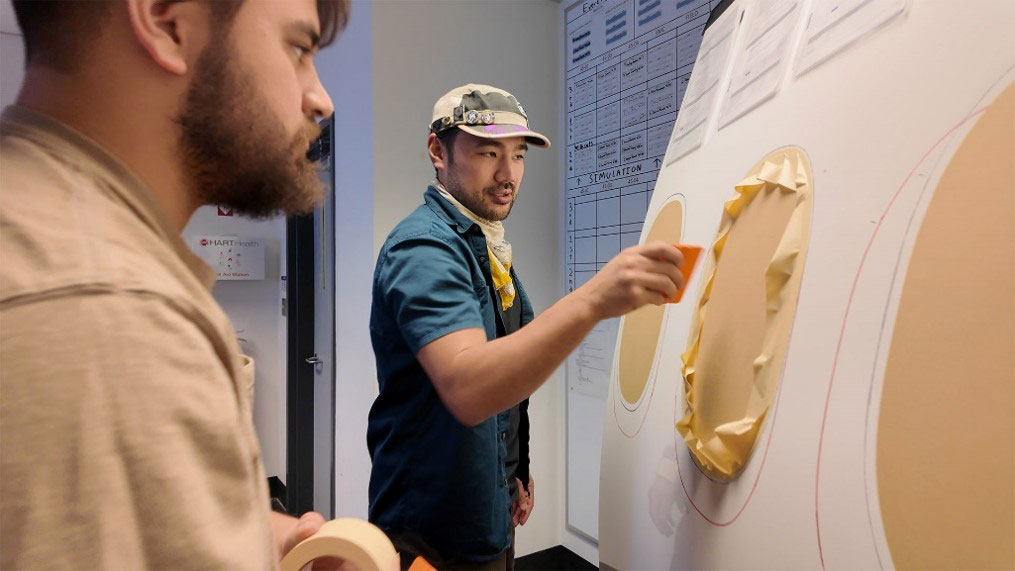
Instructor demonstrating how to mask an aircraft panel during a hands‑on lesson

Boeing’s Everet paint shop has expanded a training program that combines classroom instruction, virtual reality and hands-on practice to help painters from other trades develop aerospace-specific skills. The program builds confidence and competence while reducing risk before trainees work with aircraft materials.

John Phillpotts, BCA Everett Delivery Paint Training, said aerospace painting requires skills that may differ from other industries. “Aerospace painting is kind of niche. A lot of the times we have people coming from automotive, house or ship painting,” said Phillpotts
“Aerospace painting is a niche skill – this program builds confidence while reducing risk,” said John Phillpotts BCA Everett Delivery Paint Training
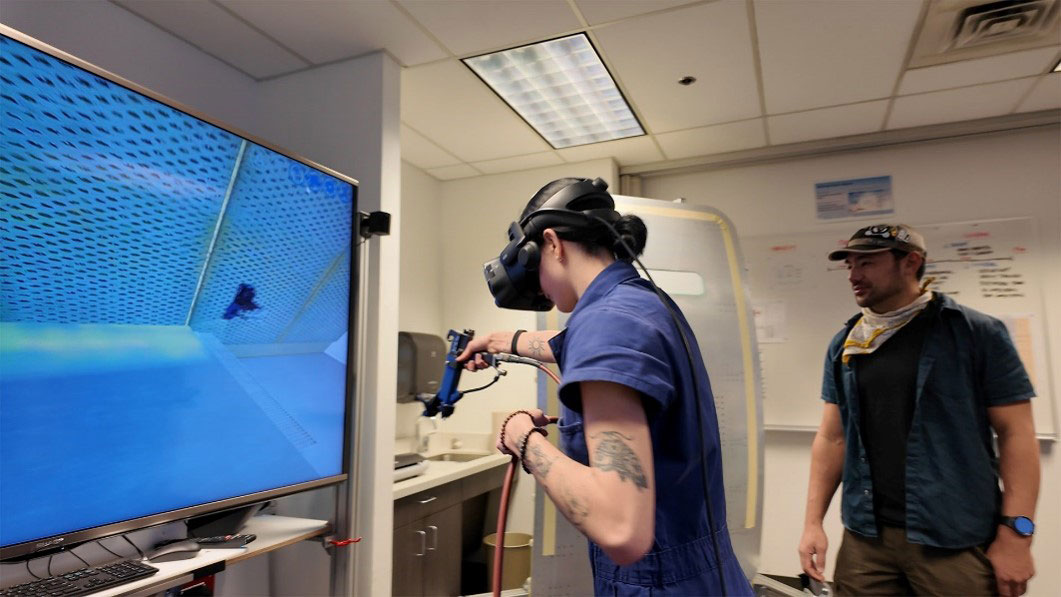
Person using a VR headset to practice spray‑painting while an instructor observes.

The updated program begins in a classroom, where employees learn about materials, organizational expectations and painting requirements. Trainees then practice in a virtual reality environment that replicates spray technique and booth conditions. Virtual training lets instructors observe how employees spray, correct bad habits and provide feedback without the risk of using aircraft materials. After VR practice, employees move to supervised hands-on sessions in an actual paint booth and spray the materials they will use on the job, learning how coatings behave on real surfaces.

This approach reduces risk and accelerates learning. The VR scenarios can be reset so trainees can repeat techniques and focus coaching on specific behaviors. Trainers can correct and reinforce safe, repeatable methods before trainees handle real materials, improving competency and protecting quality.

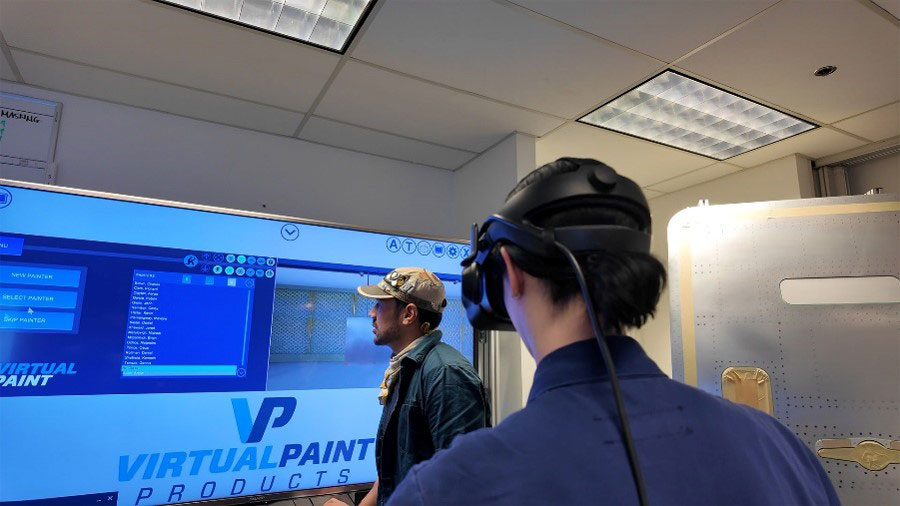
Instructor and trainee reviewing painting options on a large VR training screen

The training supports Boeing’s Safety Management System (SMS) by helping teammates know their work, identify product hazards and speak up about concerns. When employees recognize hazards early, report them confidently and share lessons learned, the company can contain issues faster and reduce recurrence.

Combining classroom instruction, virtual reality and hands-on practice strengthens workforce readiness, reinforces safer work practices and helps ensure the high-quality finishes Boeing customers expect.

By Mychaela Kekeris