Key takeaways
- Boeing Phantom Works studied Joe Gibbs Racing’s race strategy.
- The teams compared approaches to testing, modeling and decision-making.
- Boeing could consider race-planning lessons for mission planning.

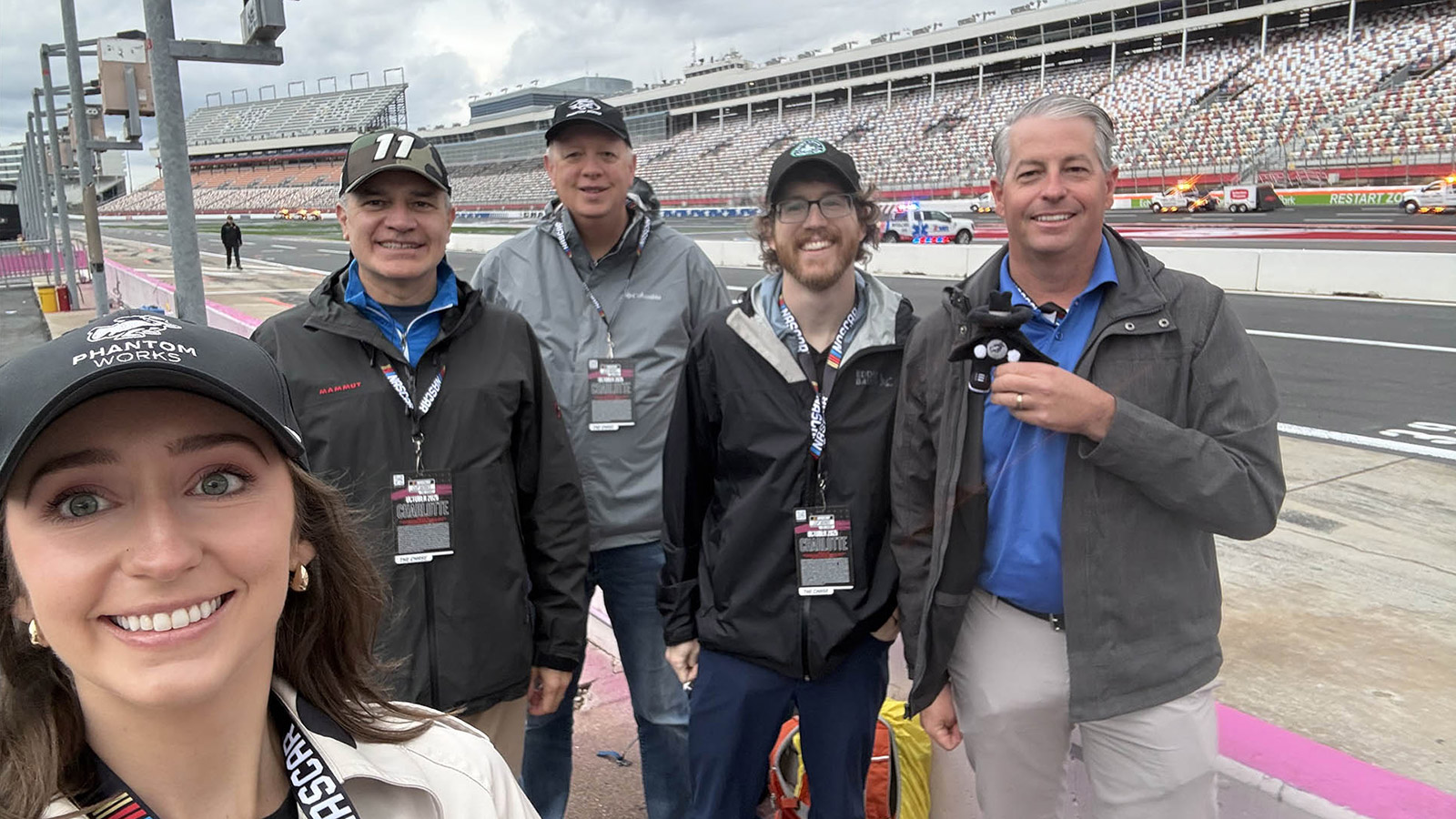 Phantom Works employees attend Charlotte Motor Speedway and Joe Gibbs Racing in North Carolina.
Key takeaways
Boeing Phantom Works employees visited Joe Gibbs Racing in Huntersville, North Carolina, in October to learn how the racing team prepares for competition and makes decisions in real time. The visit built on an earlier exchange, when Joe Gibbs Racing visited Boeing in St. Louis.
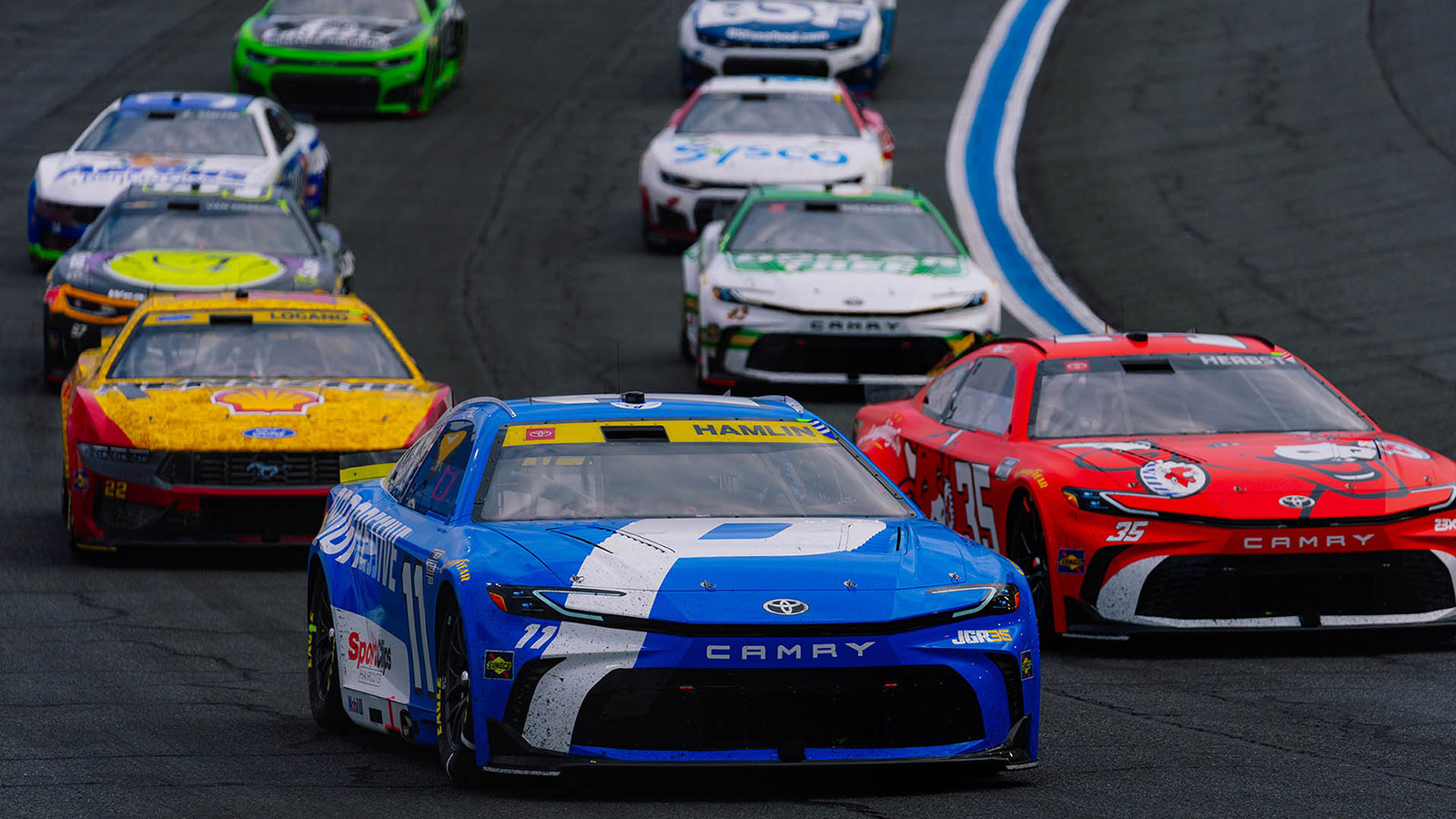 The blue JGR race car leading the pack at Charlotte Motor Speedway. (Joe Gibbs Racing)
Why it matters: Auto racing and aerospace rely on timely, accurate actions based on information from many sources. While engineering challenges differ across aircraft and race cars, teams in both fields can learn from each other’s approaches to testing, modeling and decision-making.
“These automotive engineers are seeking very marginal gains that will give them a competitive advantage on the track — it’s the same kind of drive in innovation we look for in advancing the performance of our jets.” — James Nelson, Phantom Works Business Development senior manager
Driving the news: During a visit to the Joe Gibbs Racing shop, Boeing and racing team members discussed predictive algorithms, aerodynamic modeling and race strategy.
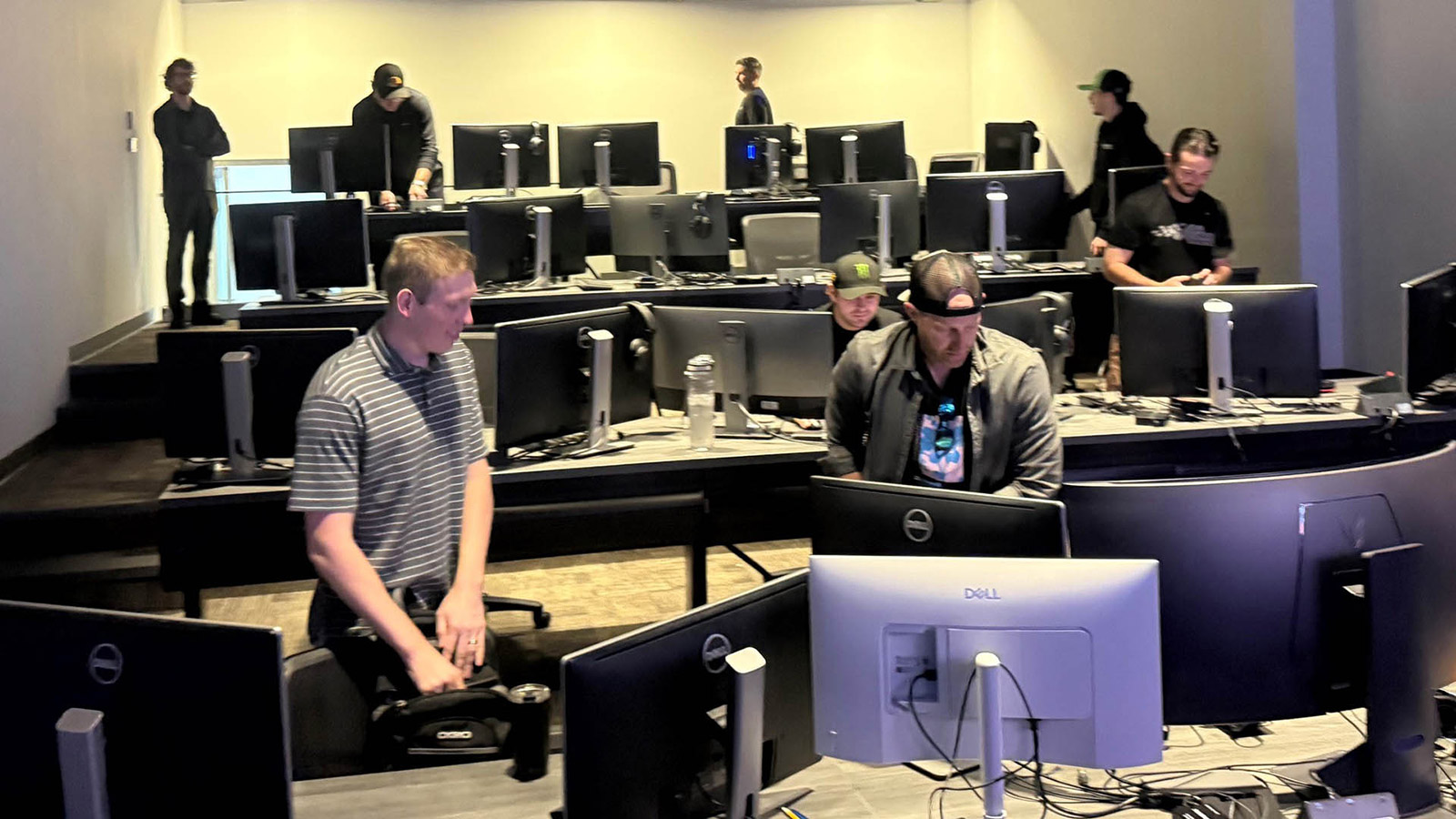 The Joe Gibbs Racing “War Room” where race strategy and data analysis take center stage.
Zoom in: Boeing’s visit included a tour of the race shop, following the process from car setup through shipment to the next race. The Boeing team’s stated goal was to learn how Joe Gibbs Racing combines information, weighs alternate strategies, uses commercially available tools and shares information across teams. The visit surfaced ideas Boeing could consider for its own work.
“Seeing how they bring together data, modeling and team input to make fast decisions gave us ideas to consider in our work. Engineering excellence carries across industries, and learning from each other can help us find new ways to approach our challenges.” — Guy Willebrand, Phantom Works operations analyst
The big picture: The exchange connects expertise across industries. As James Nelson, senior manager, Boeing Phantom Works Business Development, said during the earlier visit to Boeing, “These automotive engineers are seeking very marginal gains that will give them a competitive advantage on the track — it’s the same kind of drive in innovation we look for in advancing the performance of our jets.”
By Matthew Modesitt