It started with a moth.
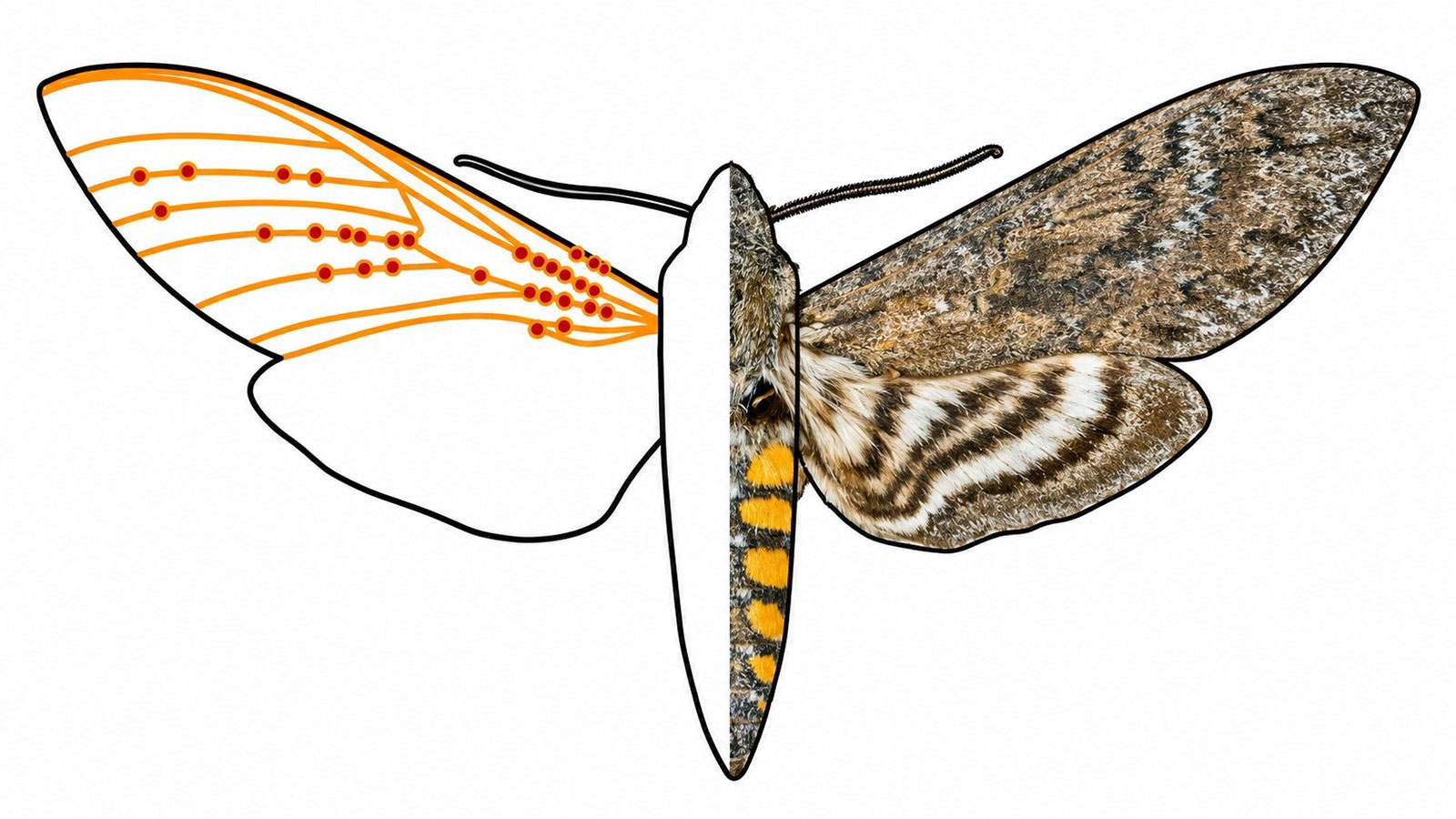
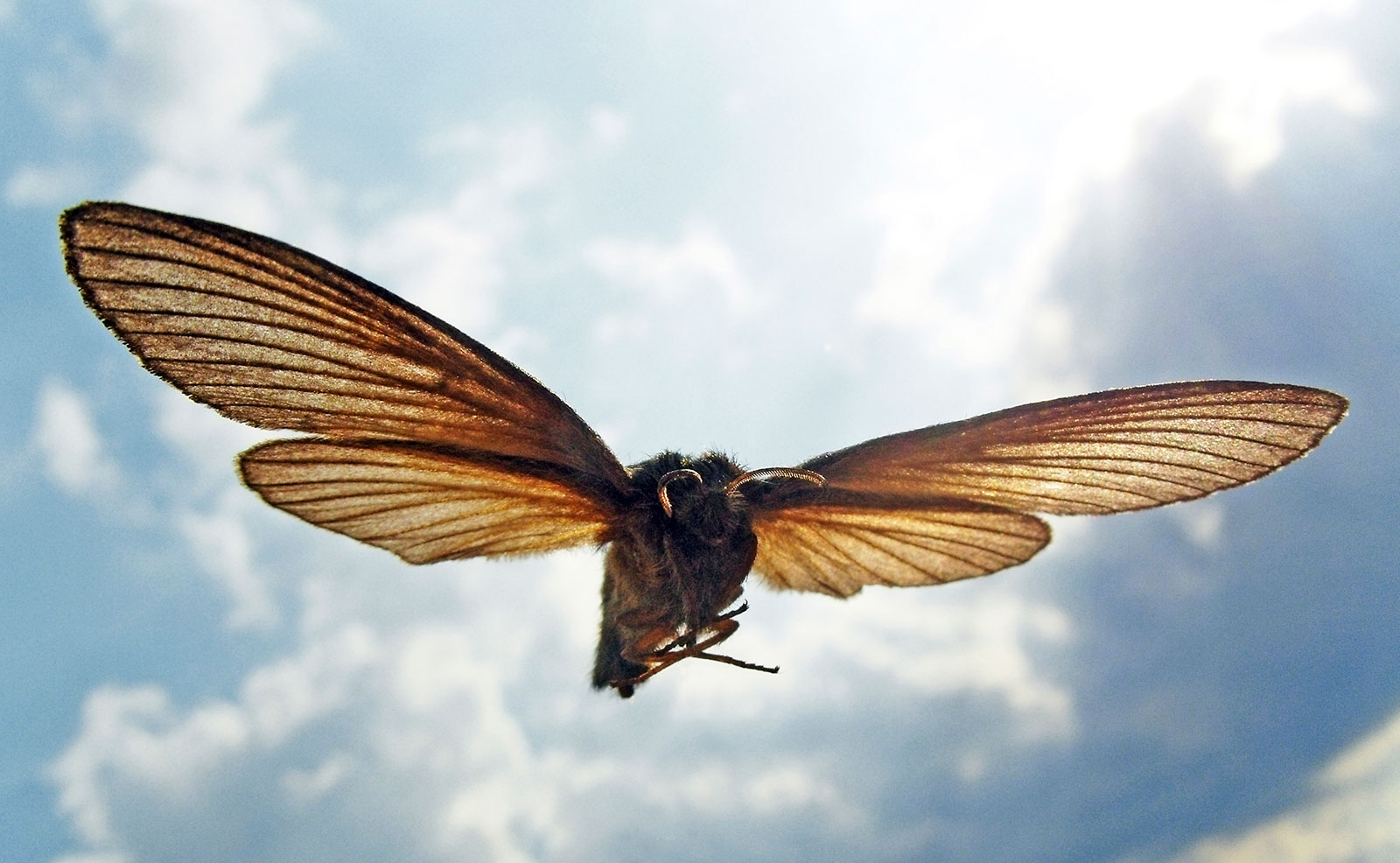
Years ago, researchers at the University of Washington were studying how the wing structure of a moth processes information. Today, that curiosity sits at the center of Boeing's strategy for one of its most important technology developments.
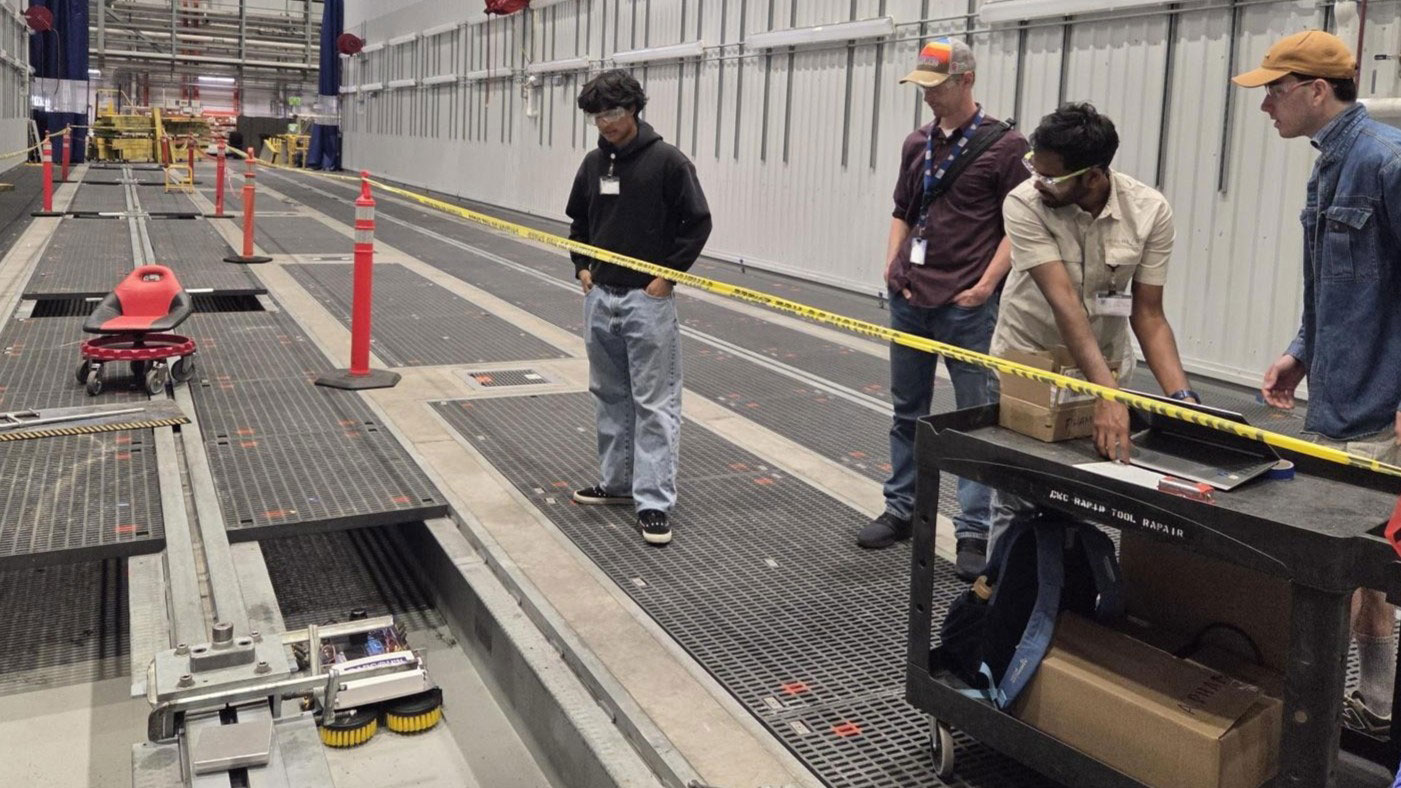
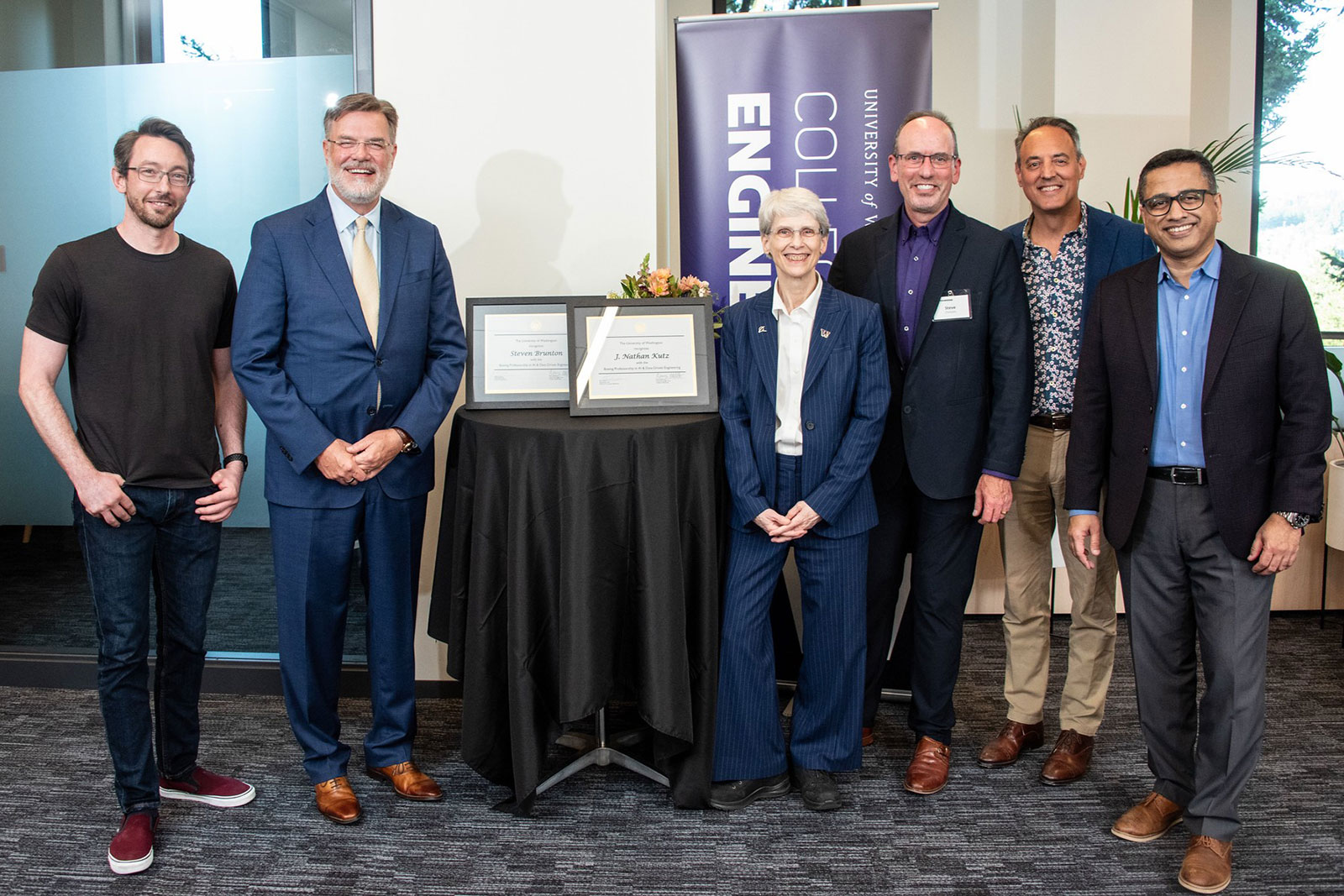
A long-standing partnership between Boeing and the UW College of Engineering is expanding to comprise today's technologies — advancing a continual focus on aerospace research, engineering education and workforce development.
Beyond the moth, today's collaborative projects include work in physics-based artificial intelligence and machine learning (AI/ML), an area that combines engineering principles and mathematics to advance how complex aerospace challenges are studied and solved. The goal is to develop logical, reliable methods and tools for engineering applications.
“Physics-based AI is a key element of Boeing’s AI strategy because it helps us build systems that are explainable, reliable, and directly useful to engineering,” said Vishwa Uddanwadiker, Boeing Chief AI and Autonomy Officer. “Our partnership with the UW is helping us translate advanced research into practical capability, while also developing the workforce we need for the future.”
“Physics-based AI is a key element of Boeing’s AI strategy because it helps us build systems that are explainable, reliable, and directly useful to engineering,” said Vishwa Uddanwadiker, Boeing Chief AI and Autonomy Officer. “Our partnership with the UW is helping us translate advanced research into practical capability, while also developing the workforce we need for the future.”