This month, Millennium Space Systems marks 25 years since its founding in Southern California, evolving from a scrappy startup building one-off experimental spacecraft into a vital engine for U.S. national security space constellations.
Why it matters: Modern defense architecture integrates current architectures with proliferated constellations of increasingly resilient spacecraft across multiple orbits.
- Millennium, acquired by Boeing in 2018 and operating within Space Mission Systems, gives Boeing the ability to design, build and deliver high-assurance small satellites on compressed timelines.
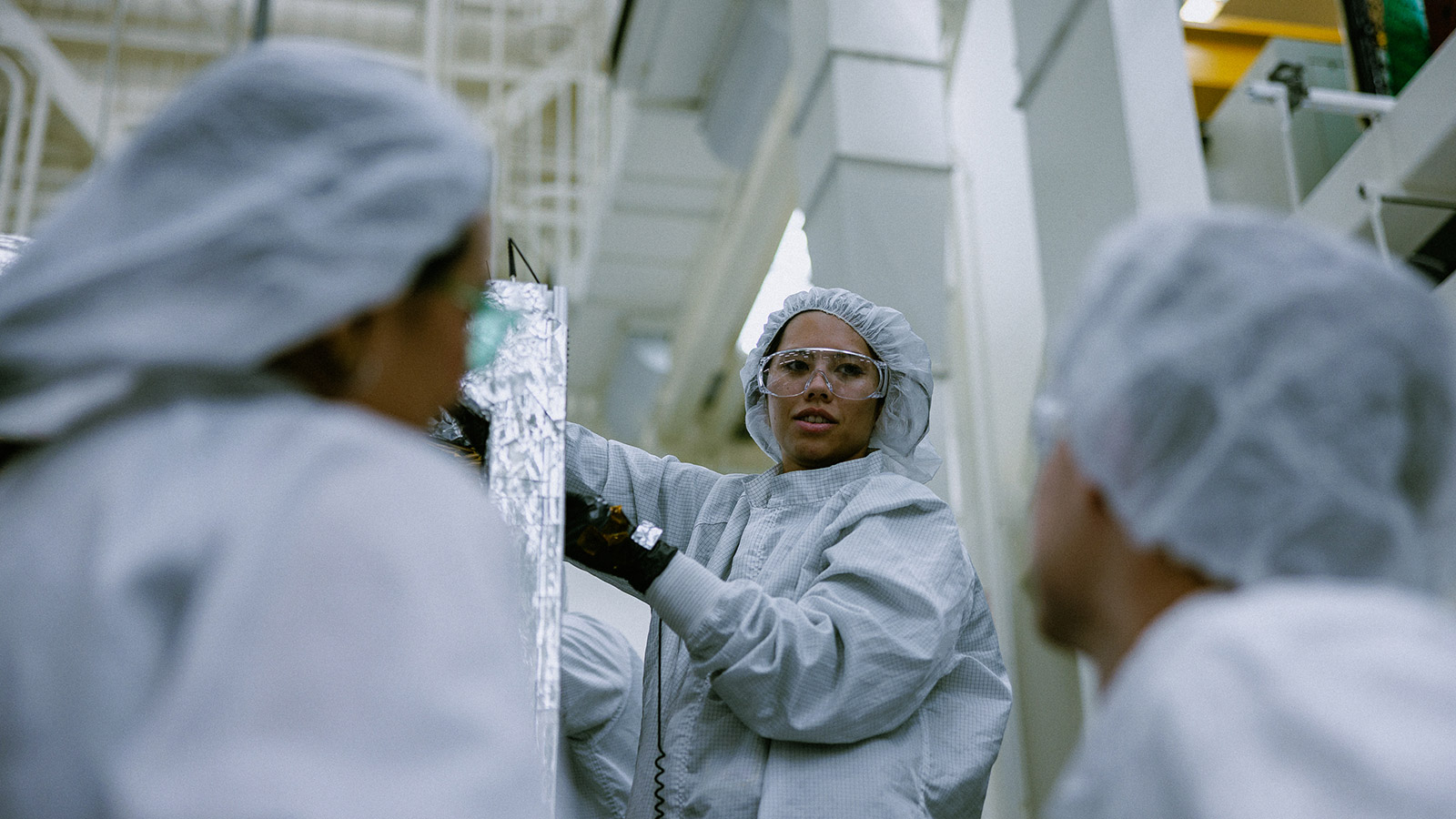
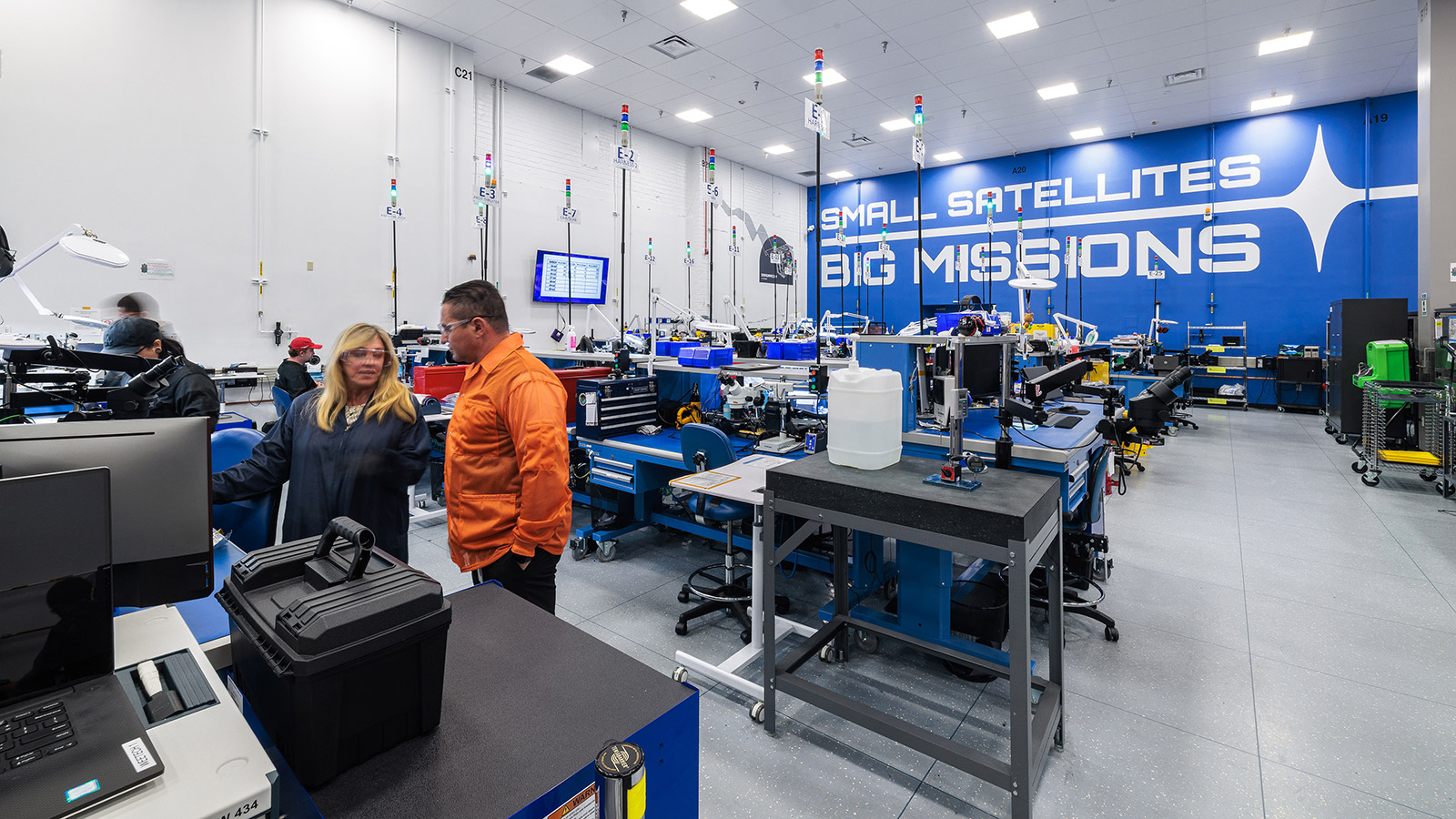
- Moving from custom prototypes to multi-satellite production lines is one of the hardest transitions in aerospace, and Millennium is actively applying Boeing’s Lean manufacturing rigor to scale up without losing its trademark engineering agility.
“For 25 years, our differentiator has been velocity and technical rigor, taking hard national security problems and putting capable spacecraft on orbit fast,” said Tony Gingiss, CEO of Millennium Space Systems. “Today, the mission requires us to bring that same agility to constellation-scale production. We are focused every day on maturing our production systems and delivering the capacity our customers need.”
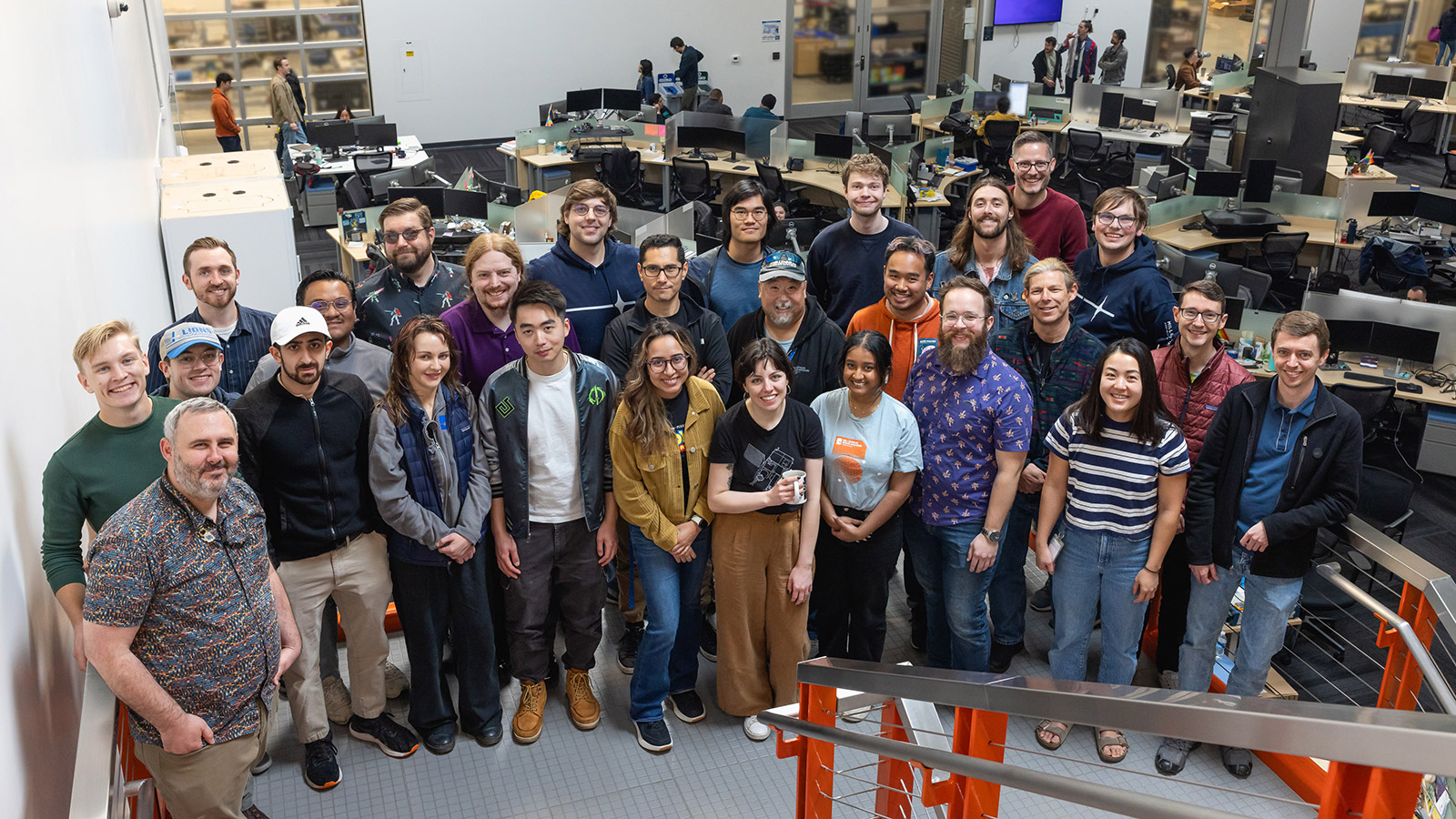
What they’re saying: For long-time employees, the anniversary is a reminder of how far the El Segundo team has come while keeping its hands-on, problem-solving DNA intact.
- “When we were about 50 employees getting ready to launch our first classified satellite, two cleared people had to guard it all the time,” said Laura White, Millennium director of Business Operations, who joined in 2005. “We were up all night and all day at the test sites. We were really tired, but we were completely united in getting that satellite launched. Now, with Boeing’s backing, we’re able to go after bigger things. We have the support we need to hire quickly and execute, while keeping the fast, agile engineering culture we’ve always been known for.”
- When PLM Engineering Lead Alex Gray joined in 2012 after Millennium won the Wide Field of View missile warning contract, the company's website was just a blank black page with a logo. “We shared a parking lot with an agricultural machining manufacturer and a family photography studio,” Gray said. “Everyone wore many hats, and when someone needed help, no one said, ‘Not my job.’ We always had ice cream in the freezer, and the last person out for the day set the alarm.”
- Even after growing to over 1,100 people, that collaborative spirit remains the baseline. “Millennium has never been static,” Gray added. “One constant in our culture is that when people have questions about how our systems or satellites work, folks will spend the time to answer. Plus, we now have the ability to reach into Boeing’s deep bench of technical experts to support ambitious designs, and we still hold company barbecues in the back parking lot.”