By Mychaela Kekeris, Boeing Writer
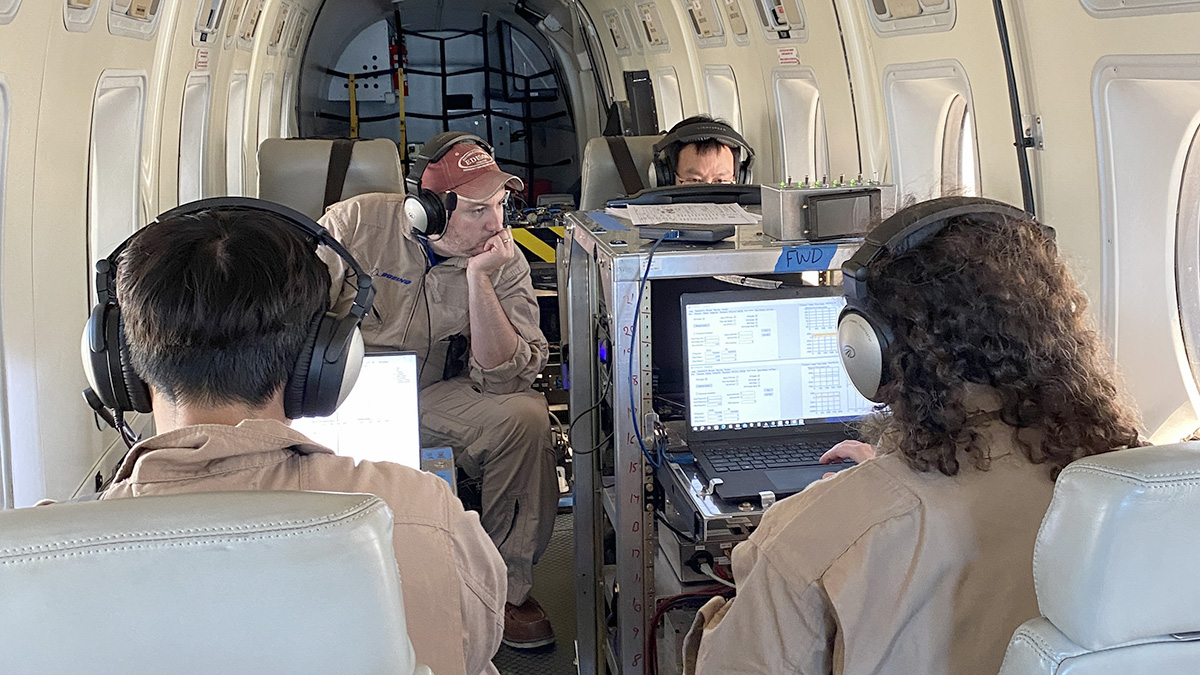
Boeing completed the world’s first recorded flight test of multiple quantum sensors in 2024, enabling an in-flight airplane to navigate without GPS for four hours.
Although quantum sensors for navigation have been researched in laboratory settings for years, the test was the first known operation of the sensors on an airplane during flight. That and subsequent flights produced real-time navigation data, which is needed to field any application of the technology.
The quantum navigation system does not typically experience the temporary disruptions in service that can arise with current GPS or other navigational systems. The quantum navigation system’s accuracy could enable airplanes on commercial routes to navigate without GPS for the entirety of flight.
Measuring success
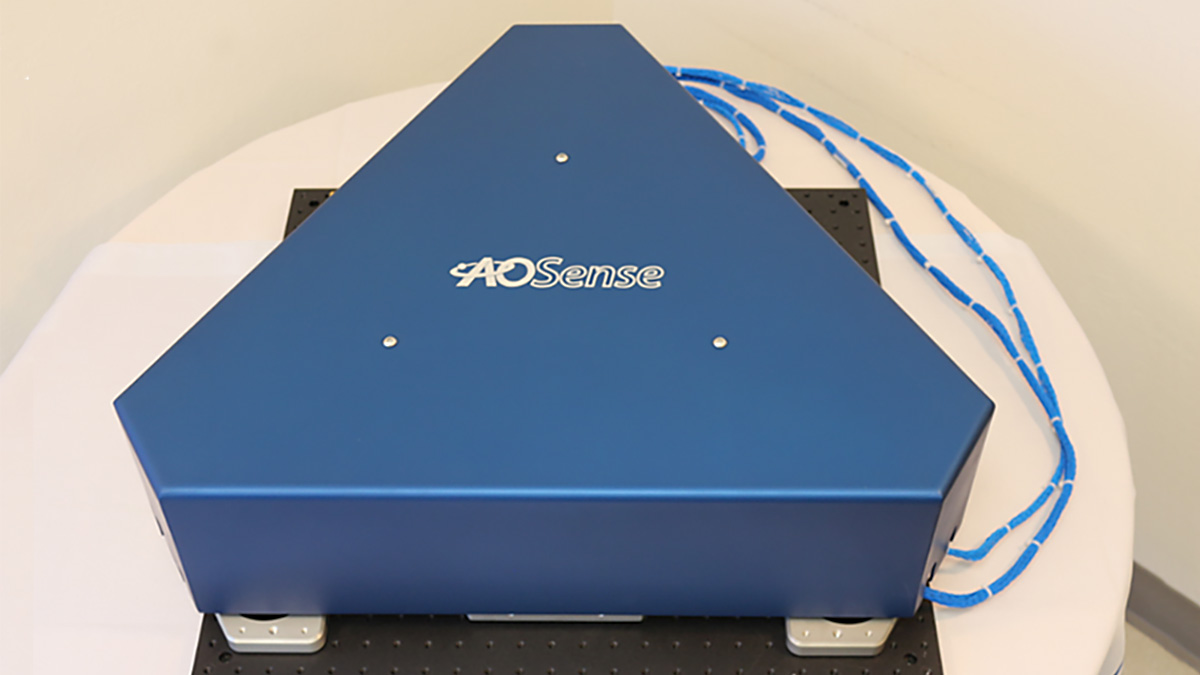
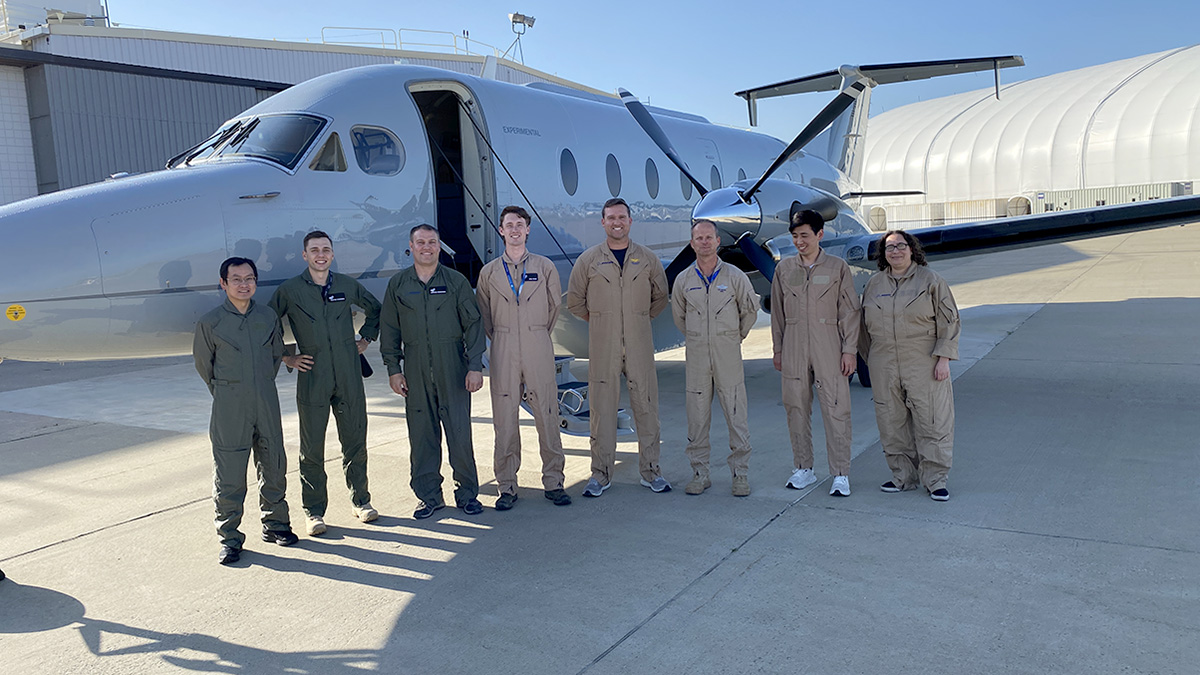
The team conducted the test using a six-axis quantum inertial measurement unit (IMU). The IMU was integrated into a full inertial navigation system and deployed on a Beechcraft 1900D for the series of flight tests. A quantum IMU is designed to be more accurate than conventional IMUs. The improved accuracy can lead to reductions in navigation errors from tens of kilometers at the end of a long flight to as little as tens of meters.
The flight test out of St. Louis showed conclusively that the quantum sensors were able to operate successfully through takeoff, landing and multiple maneuvers.
“Boeing is leading the development of quantum technology that will help improve flight safety,” said Ken Li, Boeing Principal Senior Technical Fellow and principal investigator for quantum navigation.