Shaping AI for the Sky

Learn how Boeing’s AI solutions put safety first

December 18, 2025 in Innovation

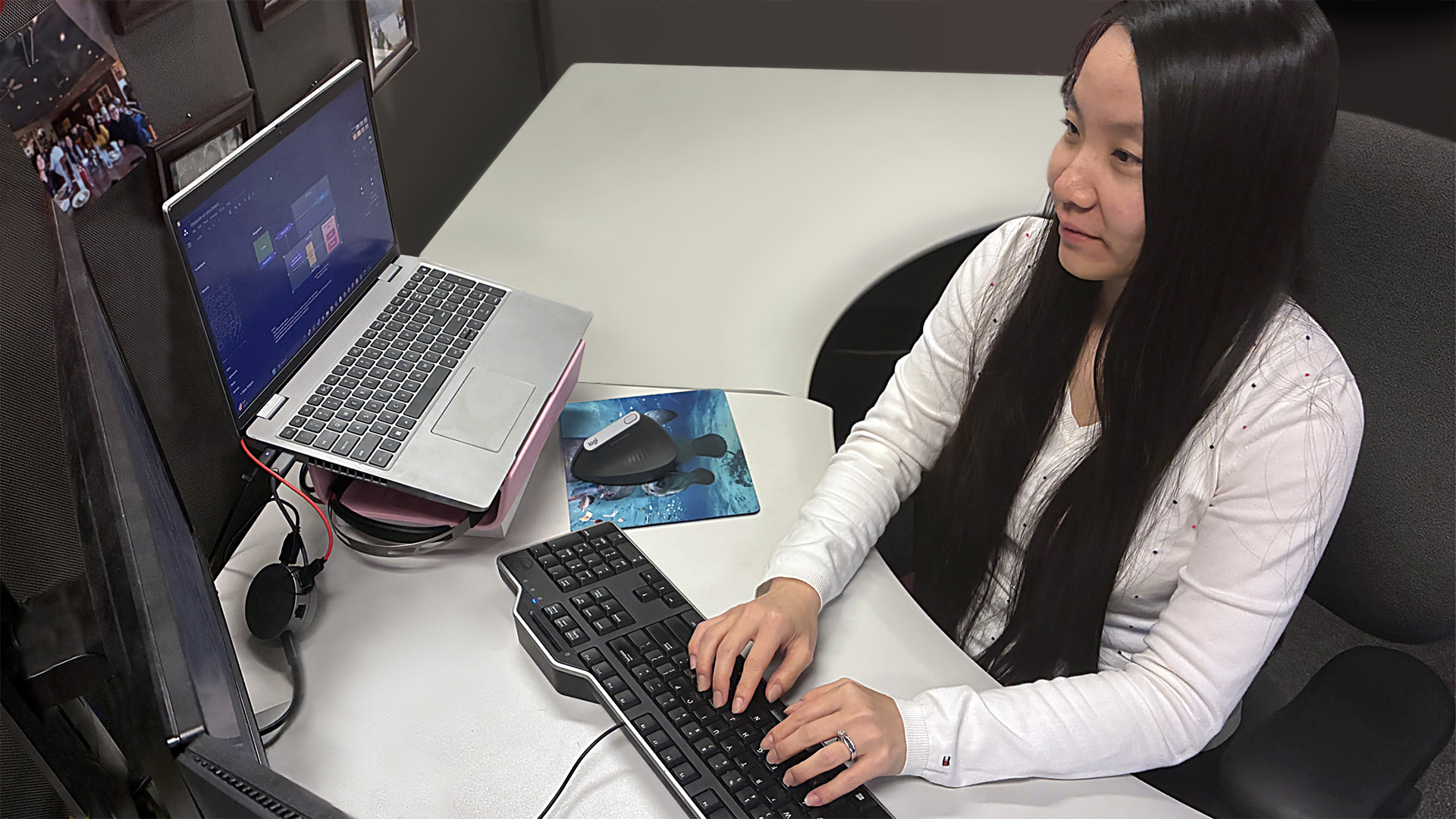
software engineer works at desktop SOFTWARE FINESSE: Grace Chrysilla uses Code Assistant, an AI-powered application, to help model and refine software with enhanced precision. PHOTO © BOEING

A different type of co-pilot

When software engineer Grace Chrysilla designs and develops software, she’s not alone. An intelligent assistant amplifies her analysis, producing software in seconds, breaking what once took days down to mere moments.

“It feels like having another expert on your team,” Chrysilla said, referring to Code Assistant, one among Boeing’s 70-plus generative AI applications crafted to boost employee productivity.

Across Boeing, cases like Chrysilla’s are multiplying. Artificial intelligence isn’t an abstract concept — it’s an everyday partner.

The solutions stem from a methodical blueprint.

Building Boeing’s AI pillars

In an age when AI is shaking things up, Boeing has strategically restructured its processes with one centralized framework split into two central areas — one to enable Boeing’s business, the other to enable its products and customer experiences. This way, Boeing can improve productivity, foresee challenges and earn trust with customers and regulators.
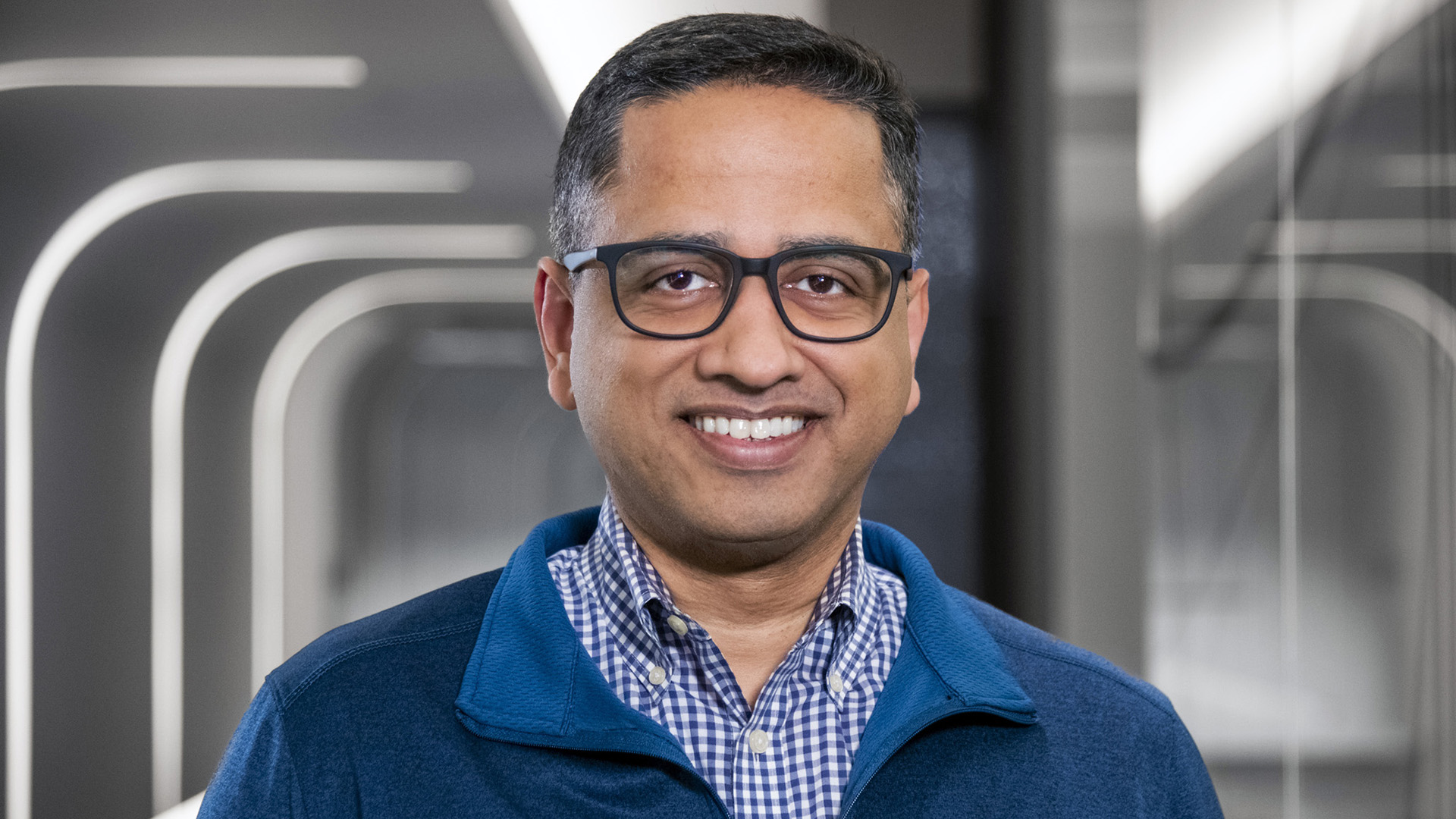
Vishwa Uddanwadiker chief ai officer headshot AI ENGINEERING EXCELLENCE: Vishwa Uddanwadiker leads Boeing’s applied AI engineering product modernization and innovation efforts. PHOTO © BOEING

Abhi Seth, chief AI and data officer, and Vishwa Uddanwadiker, chief AI officer, are leading Boeing’s efforts globally. The foundational principle: Technology should enhance human capability, not replace it.

This standard frames decisions to embed smart solutions, from engineering and manufacturing to supply chain and safety, and sets the guidelines for ethical AI use. It also supports initiatives that strengthen day-to-day operations — such as intelligent manufacturing and visual inspection capabilities — helping teams work more efficiently.

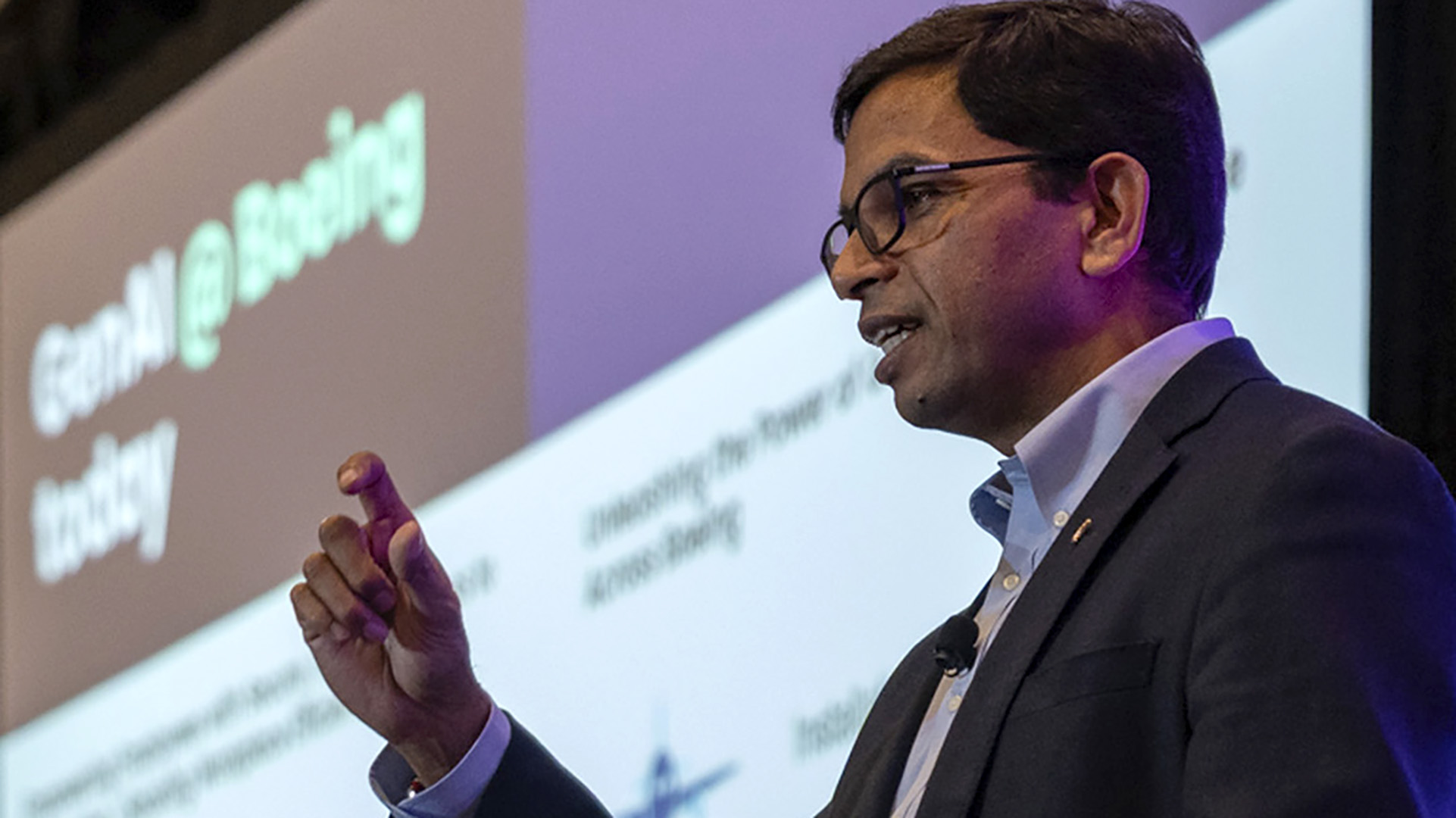
AI INTEGRATION: Abhi Seth explains how to apply generative AI at scale during a 2025 technology conference. PHOTO © BOEING

From concept to deployment

Boeing’s AI strategy thrives on trust within a secure ecosystem. In 2023, the company unveiled Boeing Conversational AI, its first large-scale generative AI platform, encouraging employees worldwide to interact securely within its digital network. The interface allows users to query company data, to ensure innovation and security go hand in hand.

“We design user-friendly interfaces so employees don’t need to be data scientists or worry about their data to benefit,” Seth said. “Accessibility and security are just as important as scalability.”

Across the workforce, team members are leveraging AI tools to work smarter, safer and faster, enhancing efficiency and redefining operations.

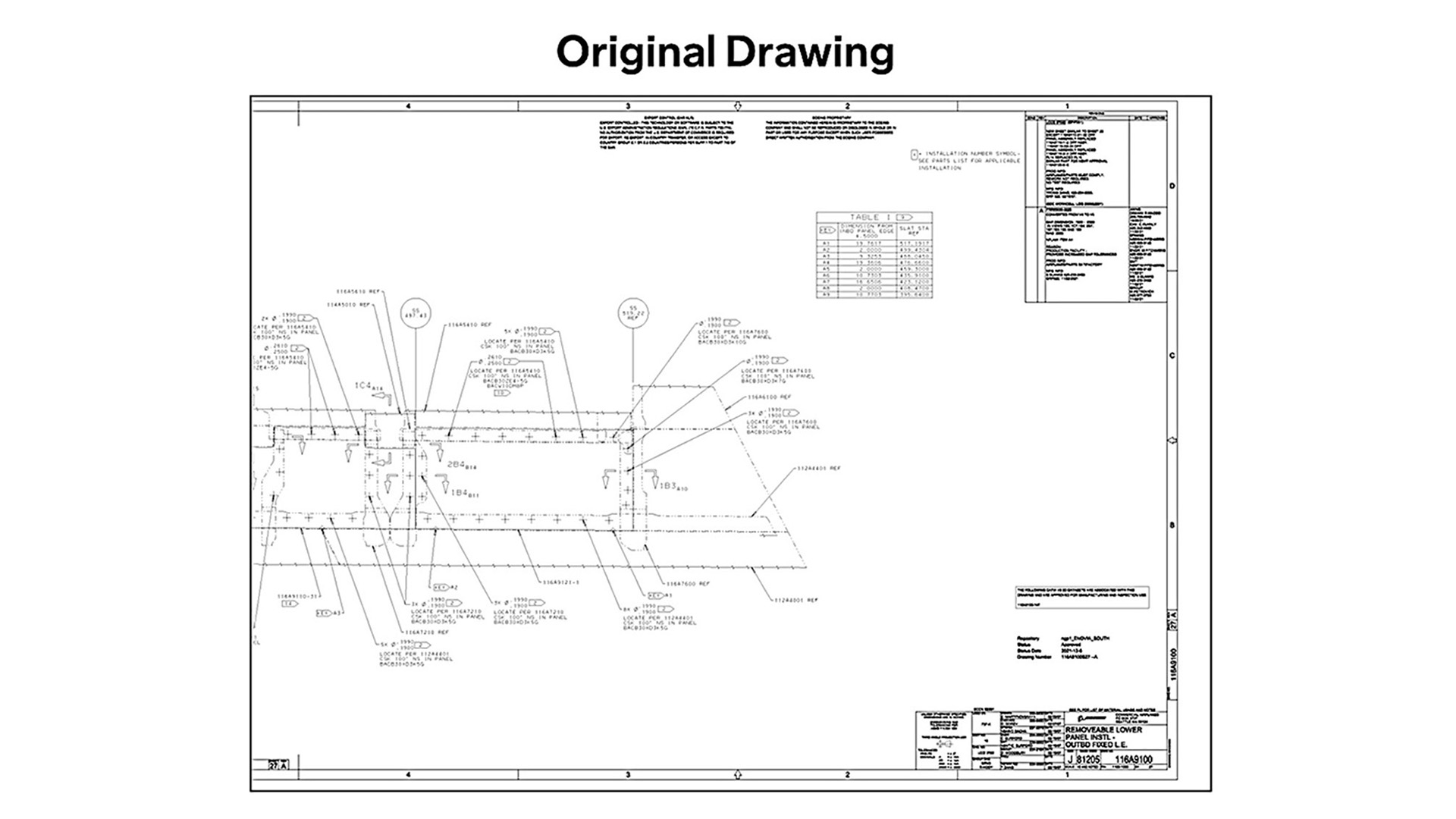
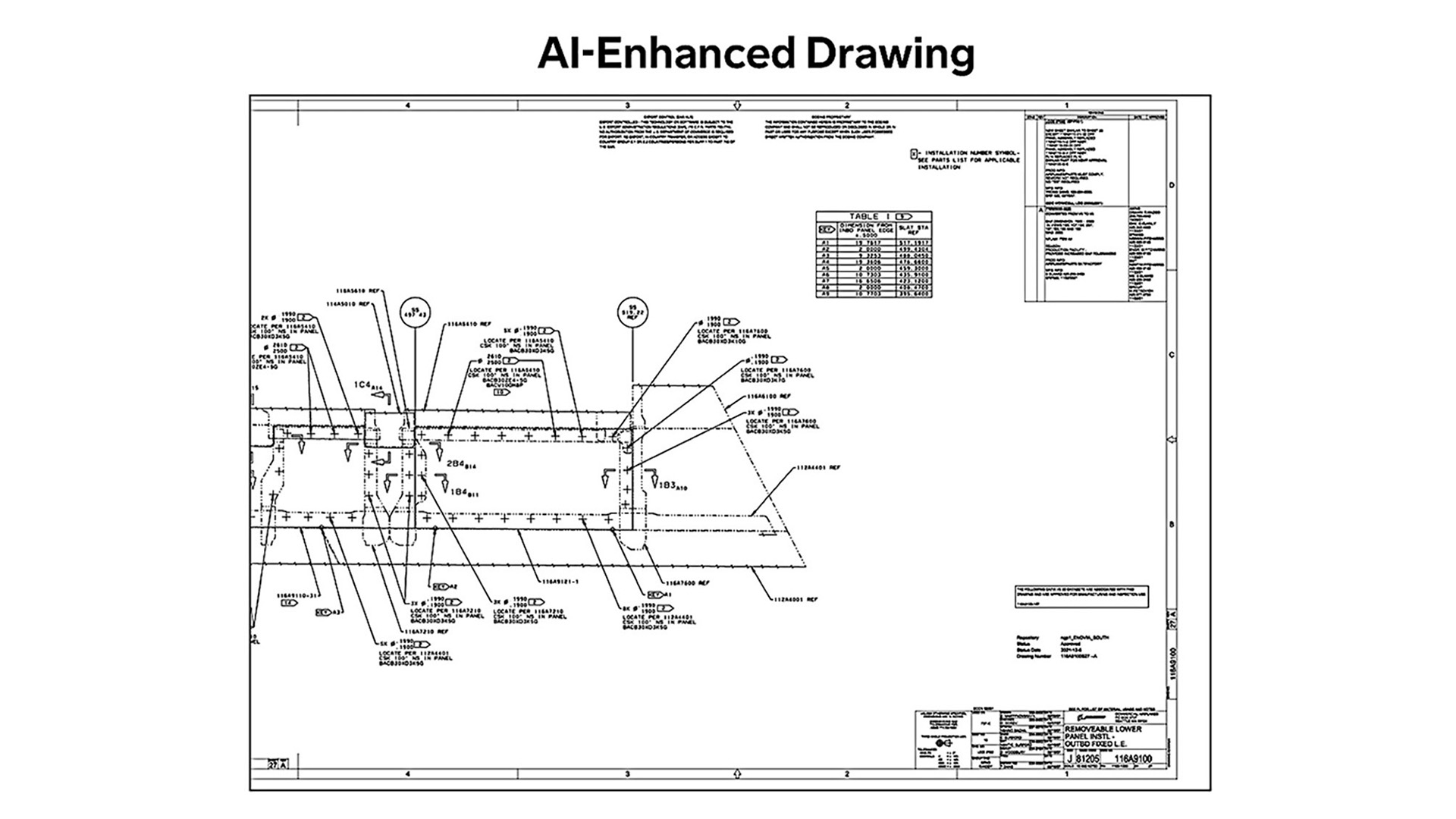
The GenAI Academy has trained 8,000 employees, certifying 2,600 super users who create AI solutions. In factories, computer vision analyzes drawings, helping to improve visibility and reduce turnaround times. Across offices, AI co-pilots can save employees up to two hours daily by streamlining tasks.


engineering drawing original image example

SIGHT FOR SORE EYES: A before-and-after example shows an engineering drawing model enhanced with computer vision, a subset of AI technology that analyzes imagery. This solution helps ensure line mechanics can access clearer, more readable drawings. ILLUSTRATION © BOEING

Impact you can see, results that matter

The results are becoming clear in all corners of the company, as advancements display how AI can enhance productivity and safety when applied responsibly — a balance especially crucial in aerospace.

  • AI-driven predictive maintenance helps boost aircraft health and slice downtime by catching potential issues early.
  • Machine-learning upgrades and computer vision help ramp up production efficiency and reduce defects.
  • AI-driven visual inspections can identify supply chain defects earlier, helping teams address issues before escalation.
  • AI-fueled simulations in digital engineering are able to accelerate design cycles, allowing engineers to test complex systems virtually before they’re built.
  • Virtual assistants, like AskBoeing, can manage thousands of daily support requests, freeing technical staff for higher-value work.
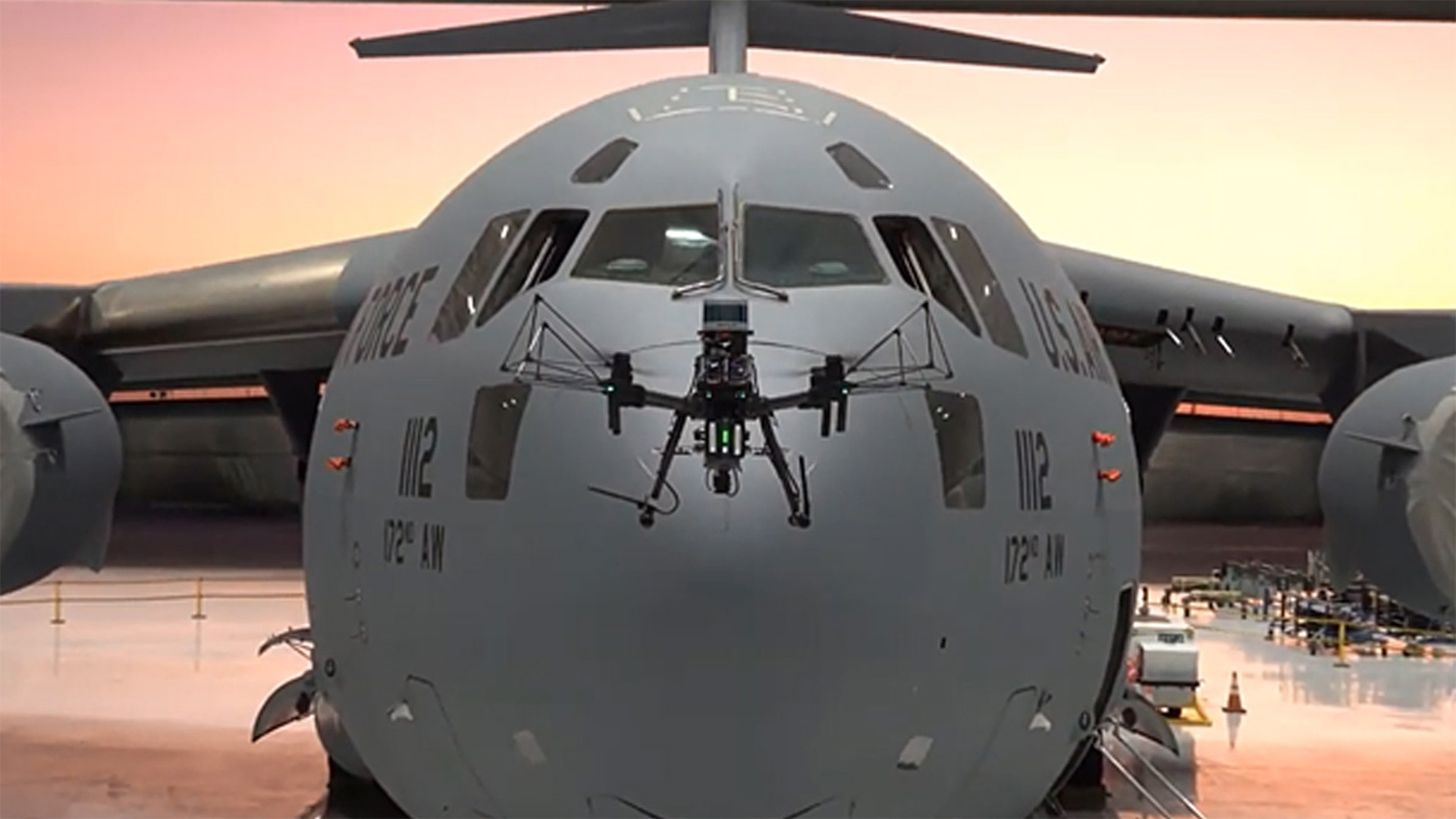
autonomous inspection C-17 DAMAGE CONTROL: Boeing’s autonomous aircraft inspection procedures, coupled with automatic damage detection software, collect data to inform maintainers of deficiencies in an aircraft’s exterior. IMAGE © BOEING

“Small pathfinder projects created big proof points,” Uddanwadiker said. “Collaboration across subject matter experts and AI professionals is key to scaling success.”

Responsible innovation by design

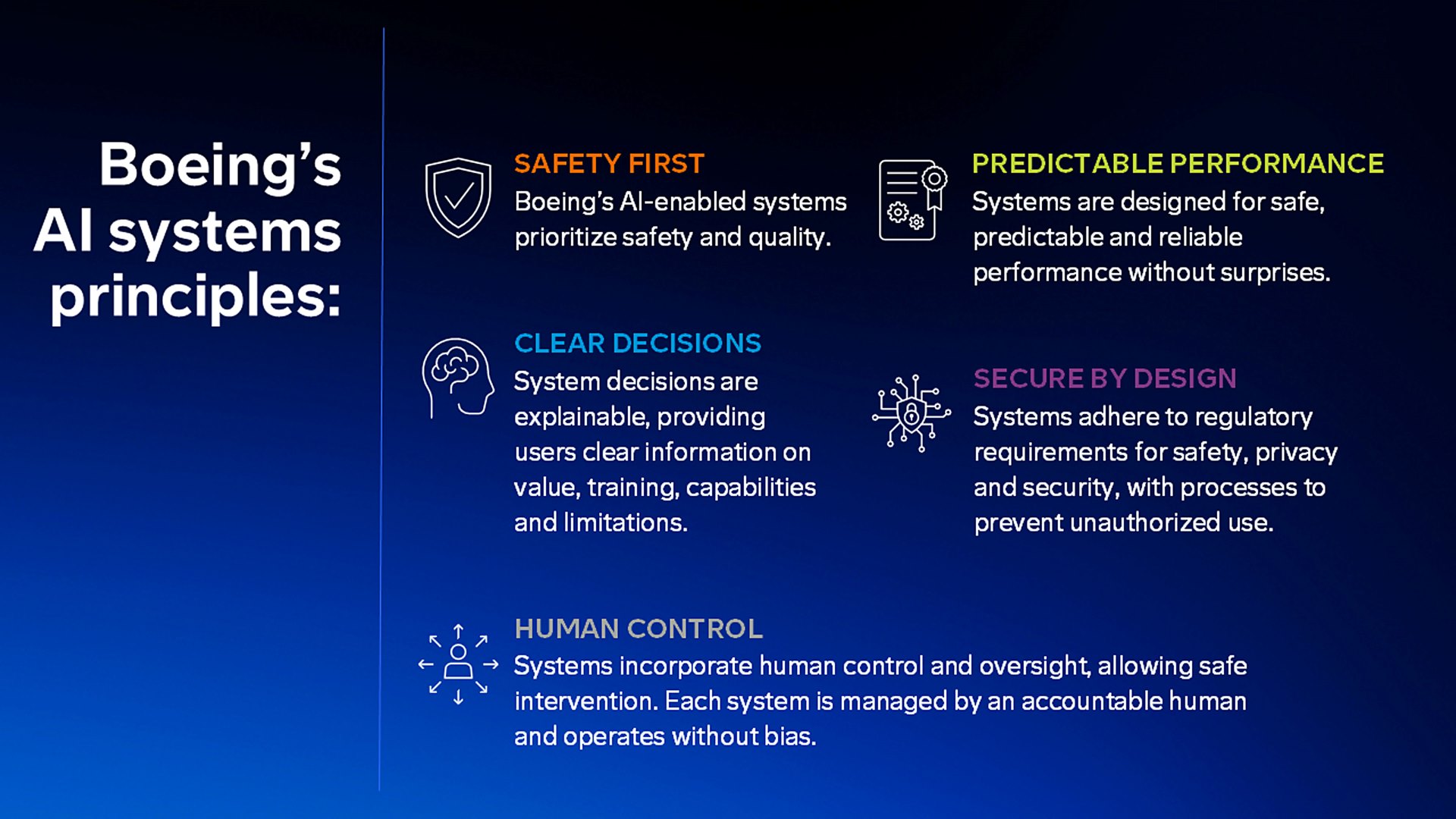
Every AI initiative operates within a strict governance and ethics framework, helping to ensure alignment with Boeing’s AI principles of safety, reliability, explainability, privacy and human oversight.

Boeing's AI systems principles INNOVATION WITH INTEGRITY: Boeing helps to ensure its AI-enabled systems are safe, reliable and robust, guided by core AI principles. These are implemented through a comprehensive AI governance framework to maintain trusted systems. ILLUSTRATION © BOEING

Smart models are trained to hold back when data is lacking, rather than guess. AI-enabled systems prioritize traceability, to link every response back to a trusted source. And because data protection is essential, Boeing applies an architecture designed to ensure no proprietary or regulated information leaves its secure network. Machine learning algorithms can also identify emerging hazards and safety trends, helping to enhance safety initiatives and improve aircraft performance monitoring.

“Transparency and accountability aren’t checkboxes, they’re foundational values,”  Uddanwadiker said. “Our edge isn’t only technology, it’s accountability.”

This obligation not only builds confidence inside Boeing but also with the customers who depend on Boeing products and services.

“Transparency builds trust, and trust drives adoption,” Seth said.

Seeing the horizon

By prioritizing AI solutions, Seth and Uddanwadiker are building resilience. “The pace of technological change is accelerating,” Seth said. “We can’t afford to lag.”

As AI evolves, Boeing continues to focus on testing, learning and scaling, creating a cycle of experimentation and improvement. Research and testing initiatives use AI to simulate real-world conditions, analyze large volumes of test data, and generate insights that can shorten innovation cycles, reducing costs and risks. Future initiatives include a deep dive into agentic AI, enabling technology to perform tasks autonomously under human supervision.

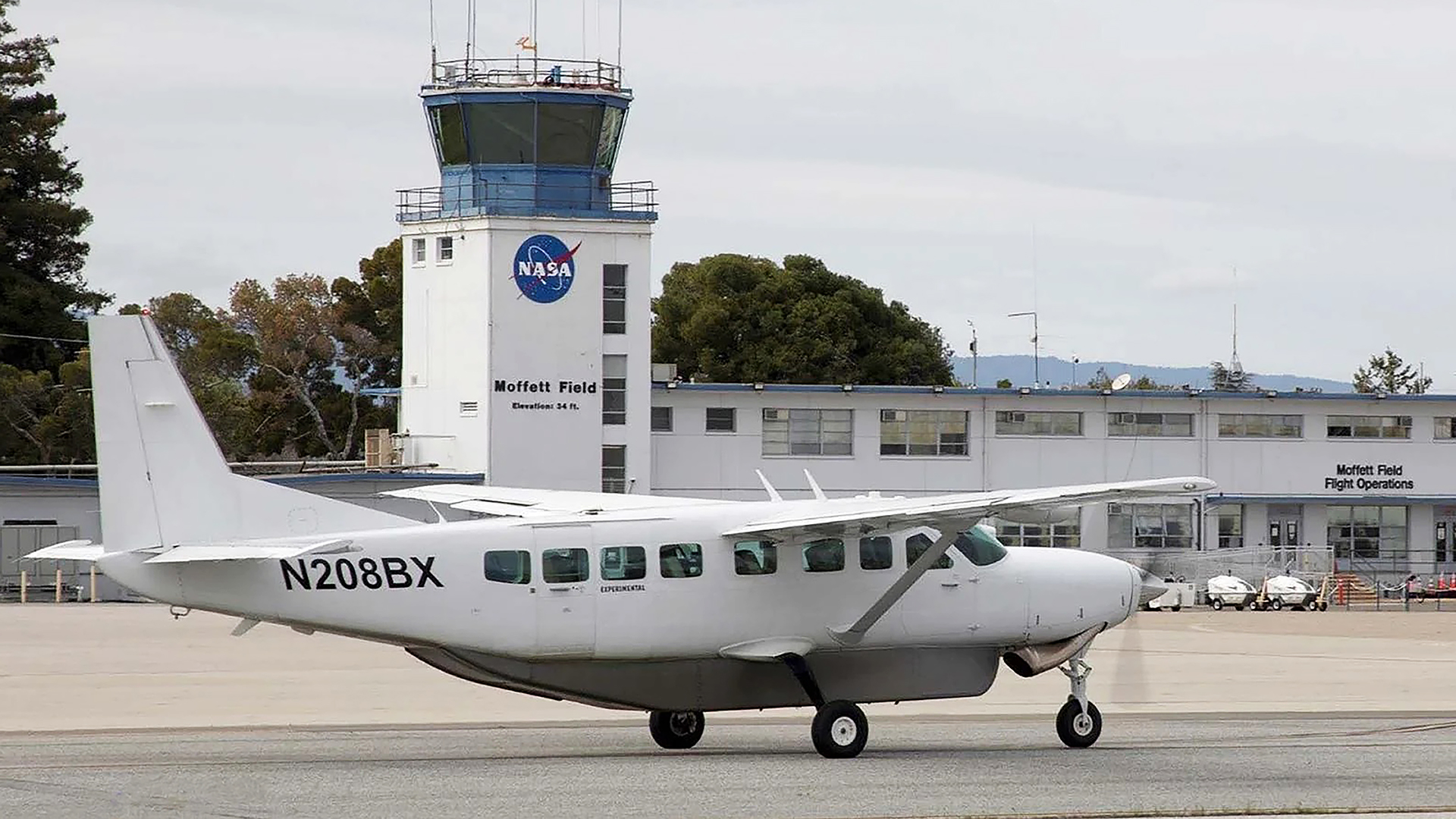
Boeing Caravan test vehicle AUTO-EFFICIENCY: With pilots on board and engineers at the commands, the Boeing Caravan test vehicle taxis autonomously at a NASA facility in California. The work aims to improve safety and efficiency in airport operations. IMAGE © PAUL WEATHERMAN/BOEING

“Our progress in assured autonomy through U.S. government partnerships, combined with collaboration with regulators to address certification pathways — including with the EASA (European Union Aviation Safety Agency) — helps support responsible scaling of highly automated systems under human oversight,” said Uddanwadiker.

For Boeing, it’s a time to reimagine possibilities for more efficient, intelligent and trusted products and services.

By Jake Chappelle, Boeing Writer