
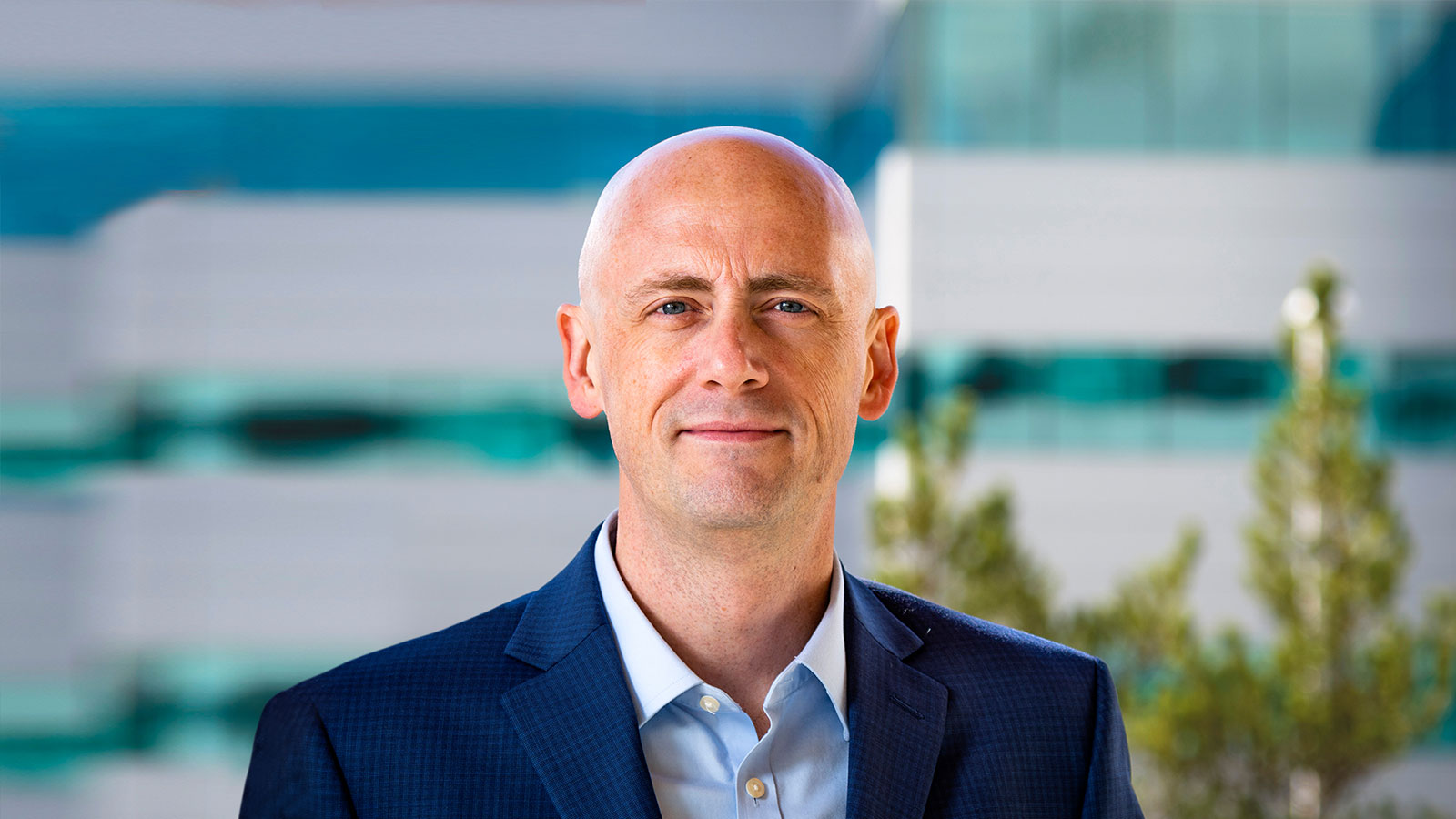
From the first time I copied lines of BASIC from a coding magazine into the compiler on my family’s first computer, I knew I wanted to work in software. As a young engineer writing code for flight displays, I quickly learned that, in aerospace, we approach coding a little bit differently to make sure that our safety-critical functions will always perform as expected.
If I hadn’t grown up to be an engineer, I would’ve wanted to be a lawyer. Certification hits that sweet spot where the precise meaning of words and logic of regulations and guidance get applied to real-world software problems.
I find great satisfaction in working with software teams to understand their challenges and helping them understand how good software development and test practices will result in safe, reliable software that meets our regulatory requirements.
For too many engineers, certification seems unreasonable, mysterious, or, too often, adversarial. But it doesn’t need to be! The best parts of my job are helping “turn on the light bulb” for engineers and business leaders, enabling them to see how we can all pull together in the same direction to successfully certify our software.
Being in the Boeing Technical Fellowship means two big things to me.
First, I get to work with a team of the best engineers in the world to solve challenging, important engineering problems. It’s hugely fulfilling to be empowered to develop future generations of robust, dependable aerospace technology.
Second, I have the opportunity to guide and mentor new engineers who I fully expect will surpass us with their innovation and skill. As an engineer, I stand on the shoulders of those who trained me. The Fellowship gives me the chance to offer my own shoulders as a step for others.
I’m excited about the opportunities that new digital technologies will provide to accelerate our push into future work. Combining the powers of digital design, data interconnectedness, and automation gives us the opportunity to create even more reliable and robust airborne software and systems, freeing our engineers from manual crank-turning and unleashing their energy to innovate future generations of aircraft and airborne technology.