
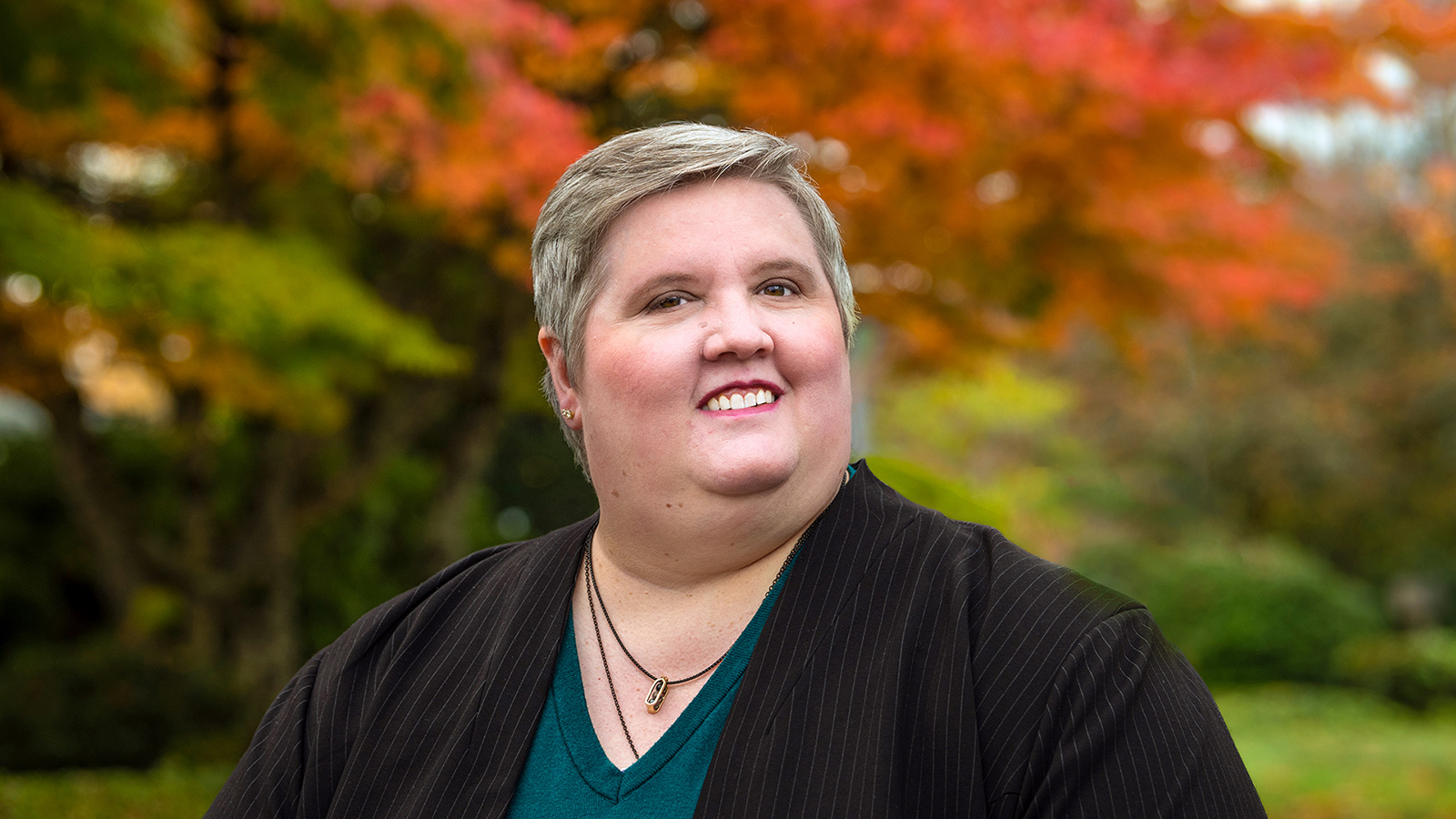
I love reverse engineering a specimen or figuring out why it behaves the way that it does. Coming to Boeing, I found this same interest applied readily to not only understanding why something happened in production but then also predicting the “what if” side of chemical processes utilizing this knowledge and chemical modeling. Taking that and feeding it back into the development cycle took my interest from the “why” side to the “what’s next” side. Now I get to work the full life cycle of our polymeric portfolio.
Now, I love when I get to see the teams I work with or consult with have those moments where suddenly everything just makes sense, and the path forward is clear. It doesn’t mean there still won’t be a lot of work and some hard decisions, but when the team sees that path and everyone starts pulling toward the same goal, there’s no better feeling.
The Boeing Technical Fellowship means I’m not alone. There is always someone who is an expert in a field that I am not, and I may need help. The experience of the Fellows in situations that are out of the ordinary also means that if I’m unsure or uncomfortable about something I’m experiencing, there is most likely someone who has advice on how to navigate the situation.
I see so many of our early- and mid-career engineers who are stepping up, asking the hard questions, tackling complex problems, but doing it in a way that’s deliberate and building on learnings from our past. It excites me when I see our teams digging deep, being transparent with their challenges, and then bringing forward opportunities and decisions that are rooted in science.