





















ecoDemonstrator program
Latest information about the Boeing ecoDemonstrator program.

Twelve airplanes have served as flying test beds for the ecoDemonstrator program. Since it began, the ecoDemonstrator program has evaluated more than 250 technologies – 28% have progressed onto our products and services, 52% are still being matured and 20% provided helpful learnings but were discontinued.
Below is a listing of all airplanes that have been part of the ecoDemonstrator program, starting with most recent.
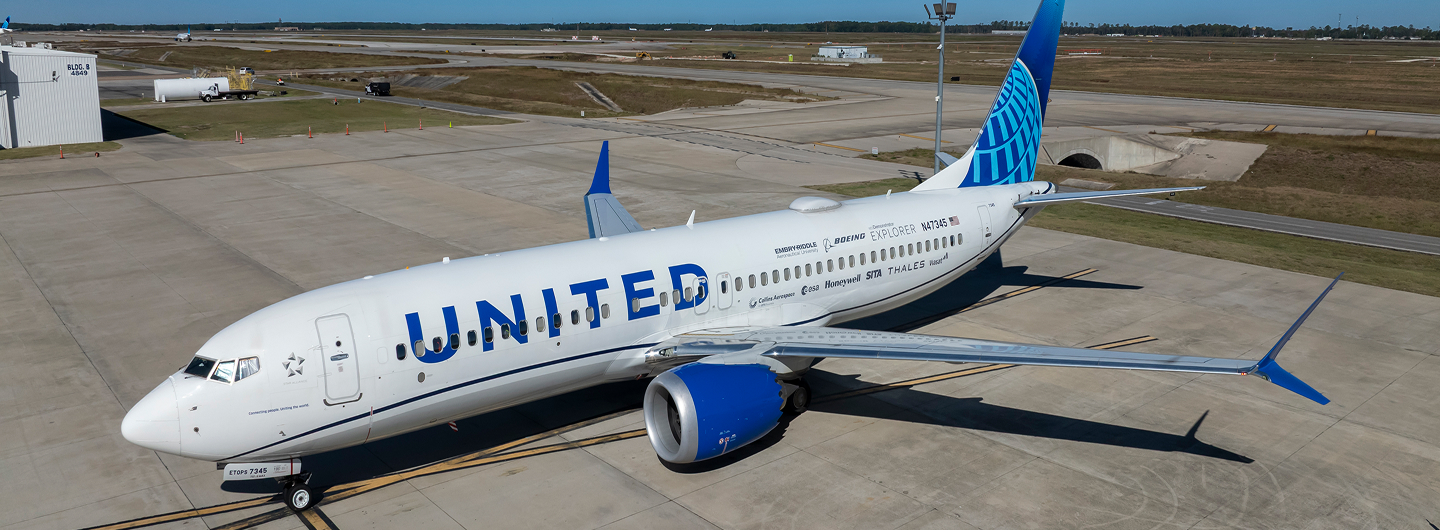
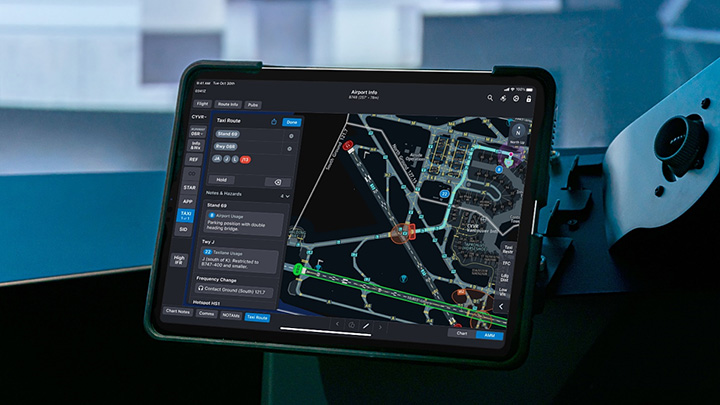
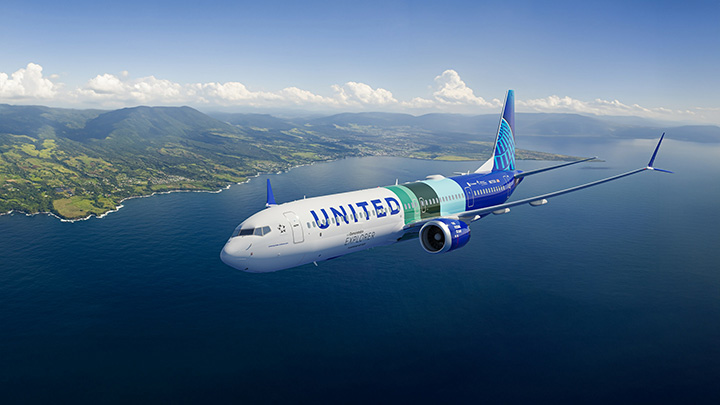
Boeing’s third ecoDemonstrator Explorer, an in-service United Airlines 737-8, flight tested a modernized data communication system designed to improve information flow between the flight deck, air traffic control and airline operation centers
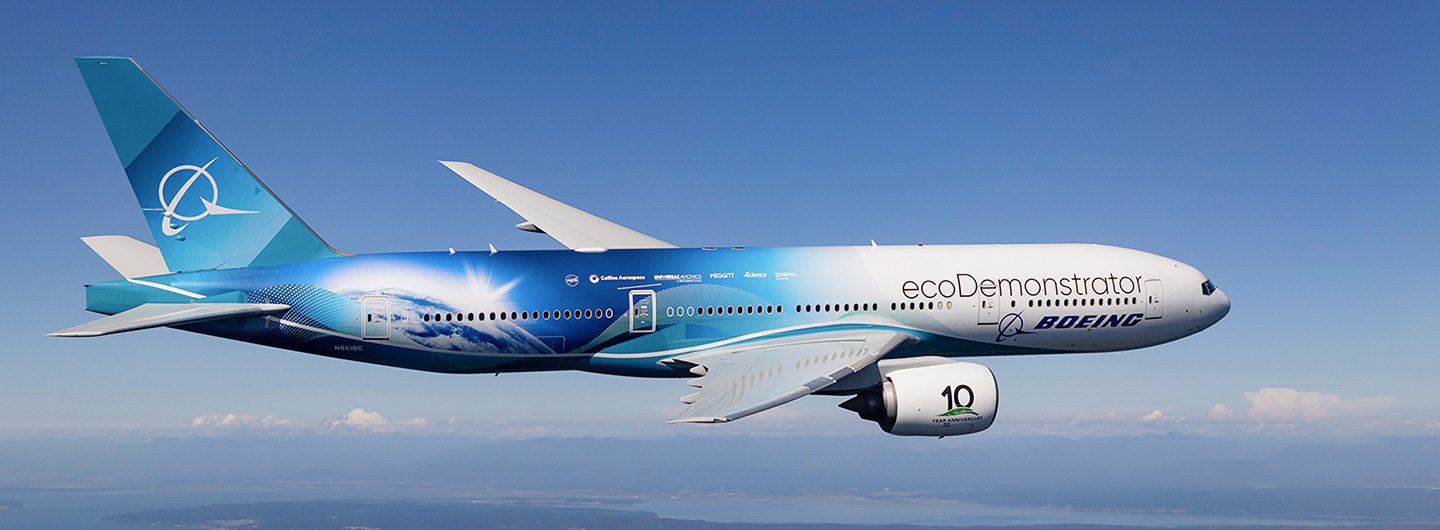
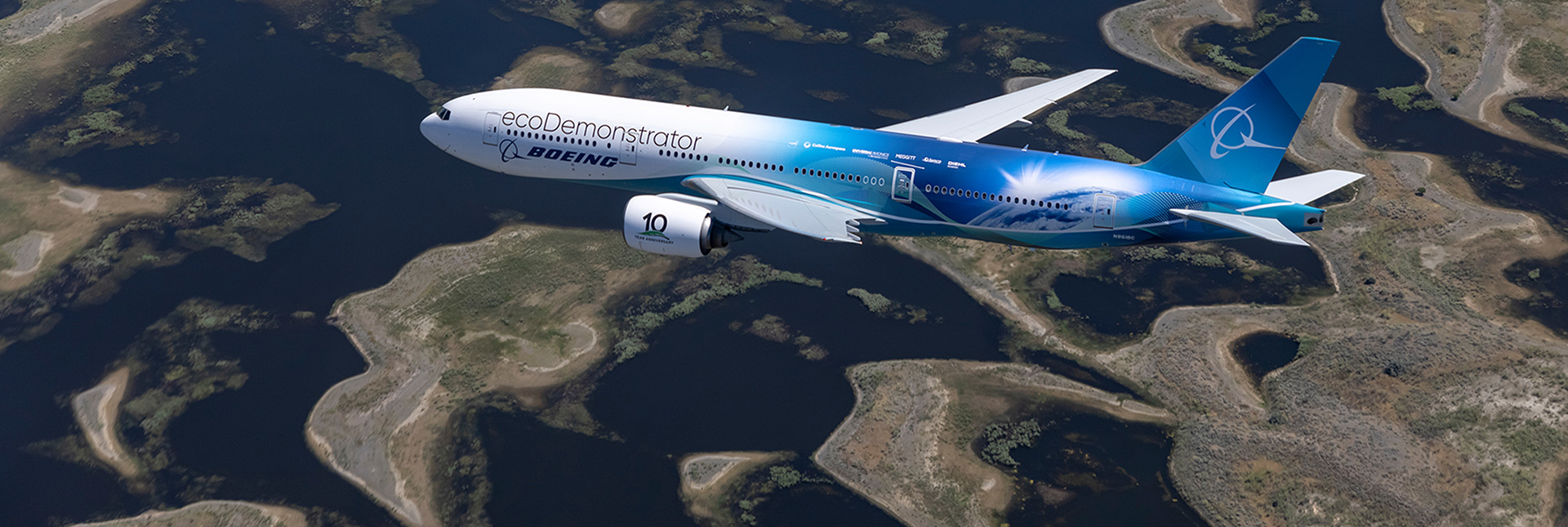
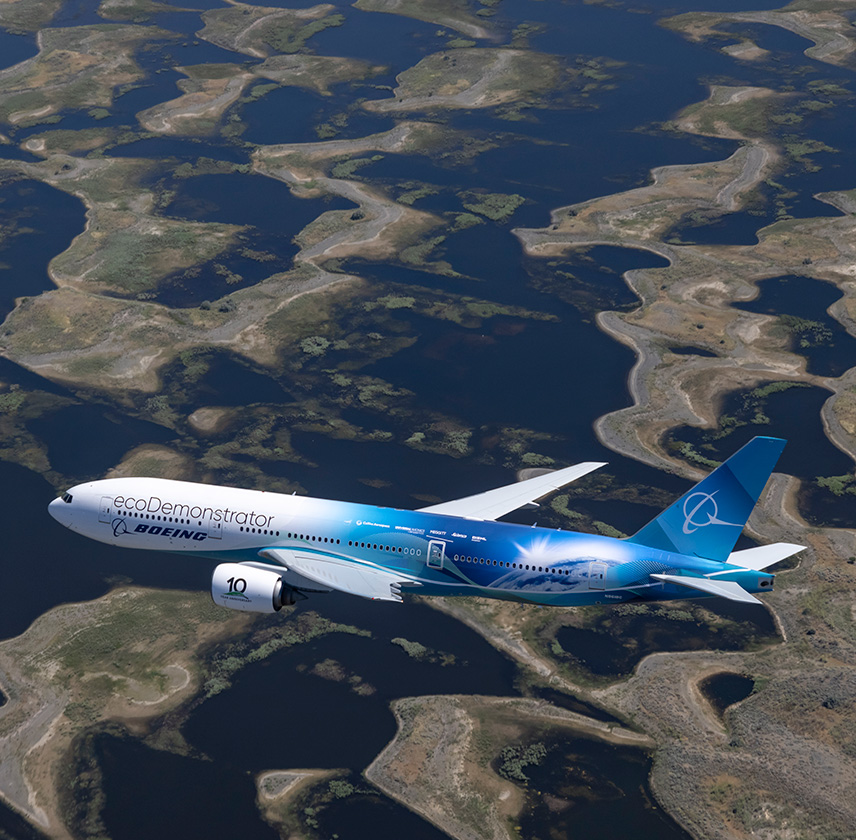
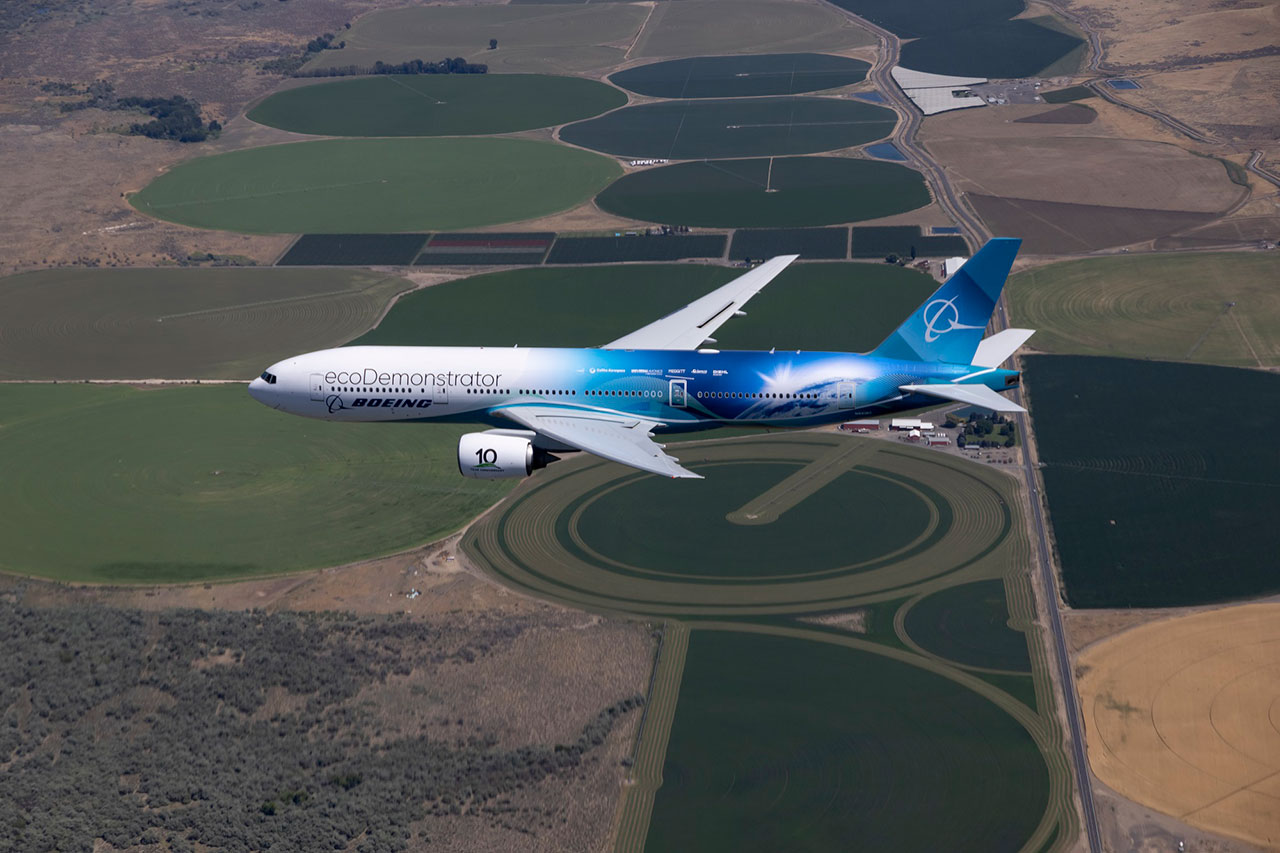
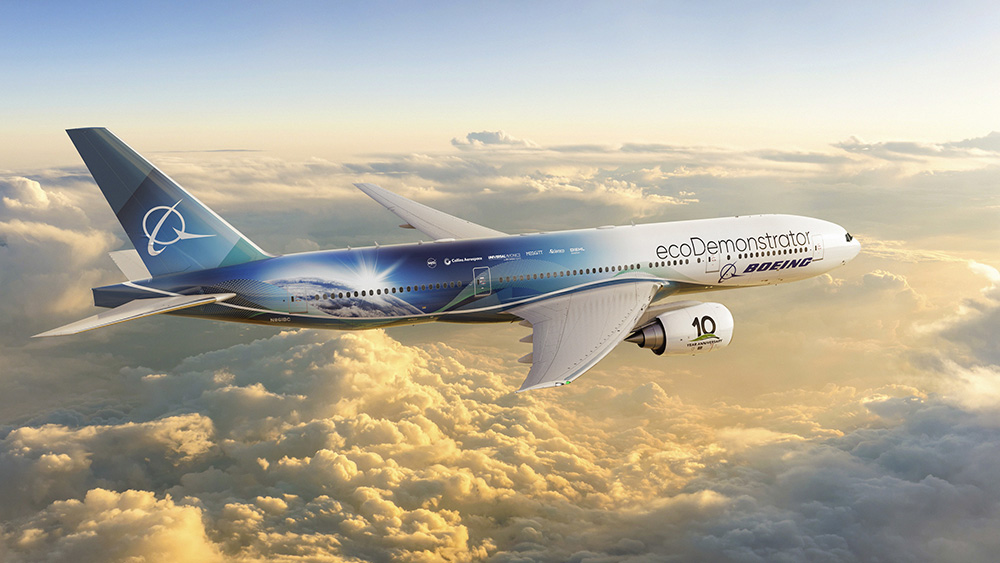
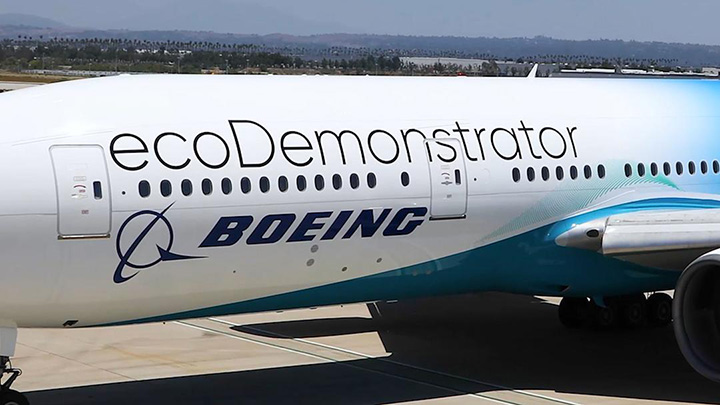
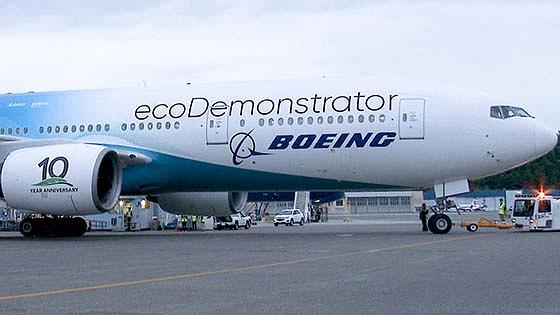
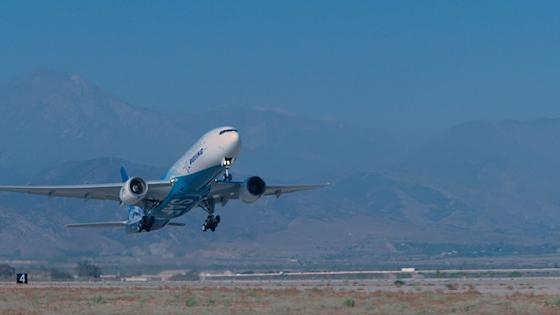
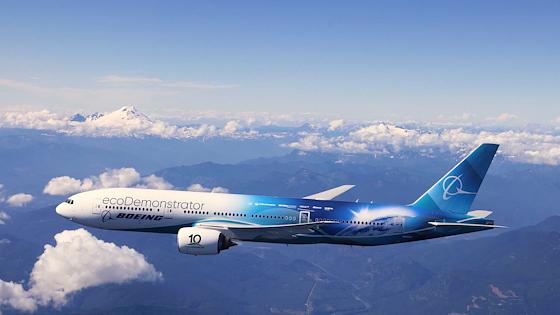
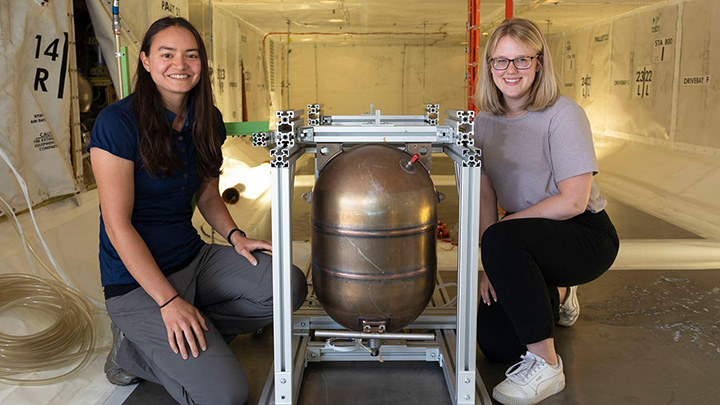
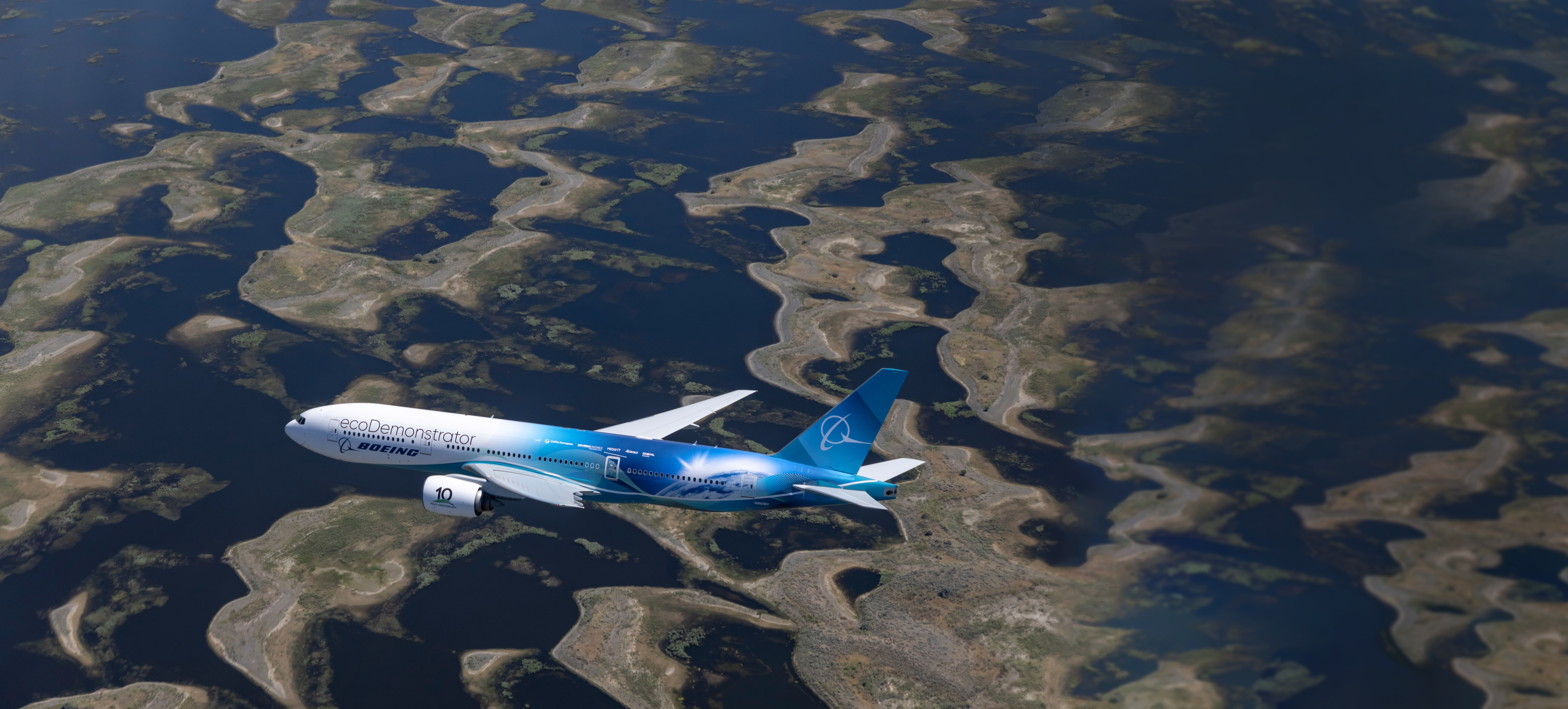
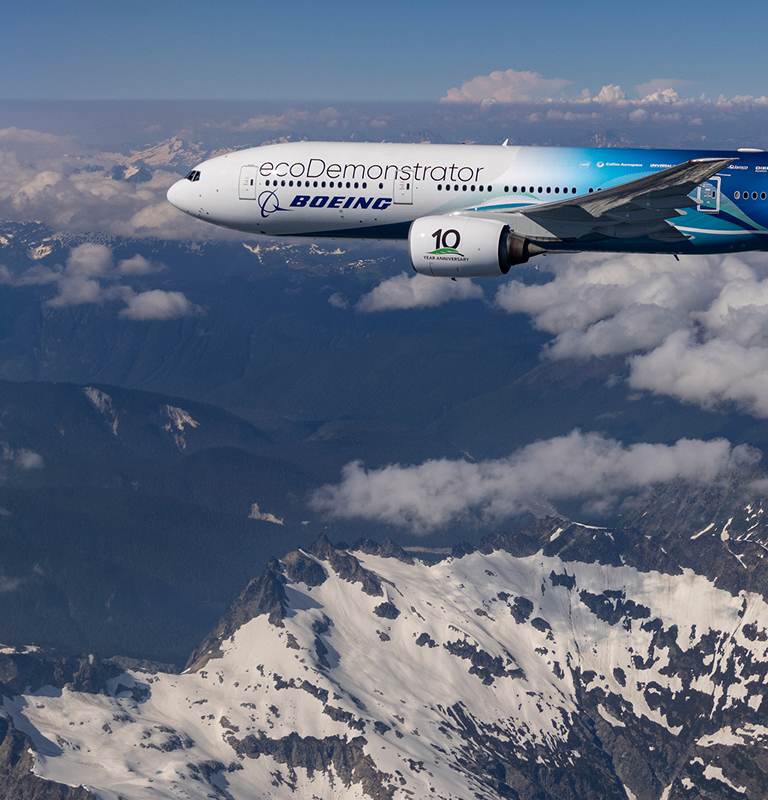
A Boeing-owned 777-200ER (Extended Range) served as the ecoDemonstrator flagship airplane from 2022 to 2024 and marked the 10-year anniversary of the program. During this time, it tested SMART vortex generators, a water conservation system, an environmentally-preferred refrigerant, a fuel quantity sensor compatible with 100% SAF, and sustainable cabin interior projects.
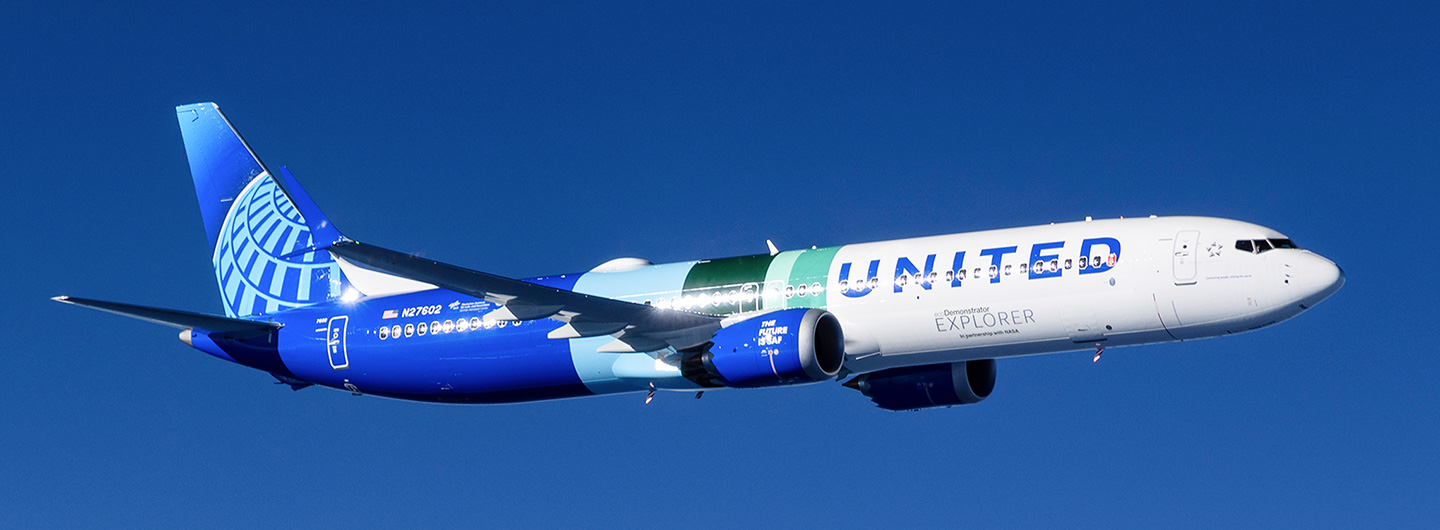
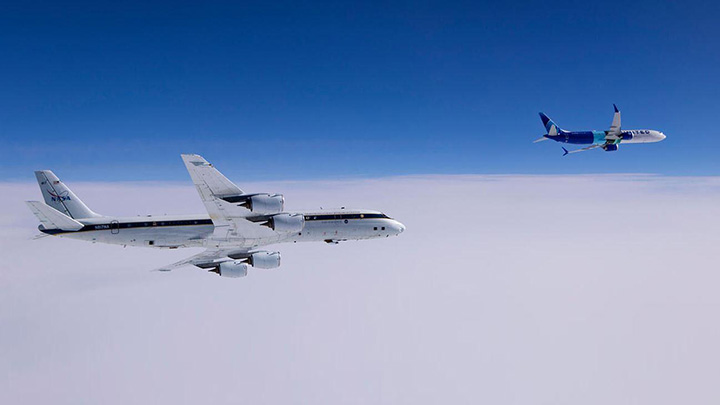
Boeing’s second ecoDemonstrator Explorer, a 737-10 destined for United Airlines, conducted in-flight testing with NASA, DLR, and GE Aerospace to measure how sustainable aviation fuel (SAF) affects contrails and non-carbon emissions, in addition to reducing the fuel’s life cycle climate impact.
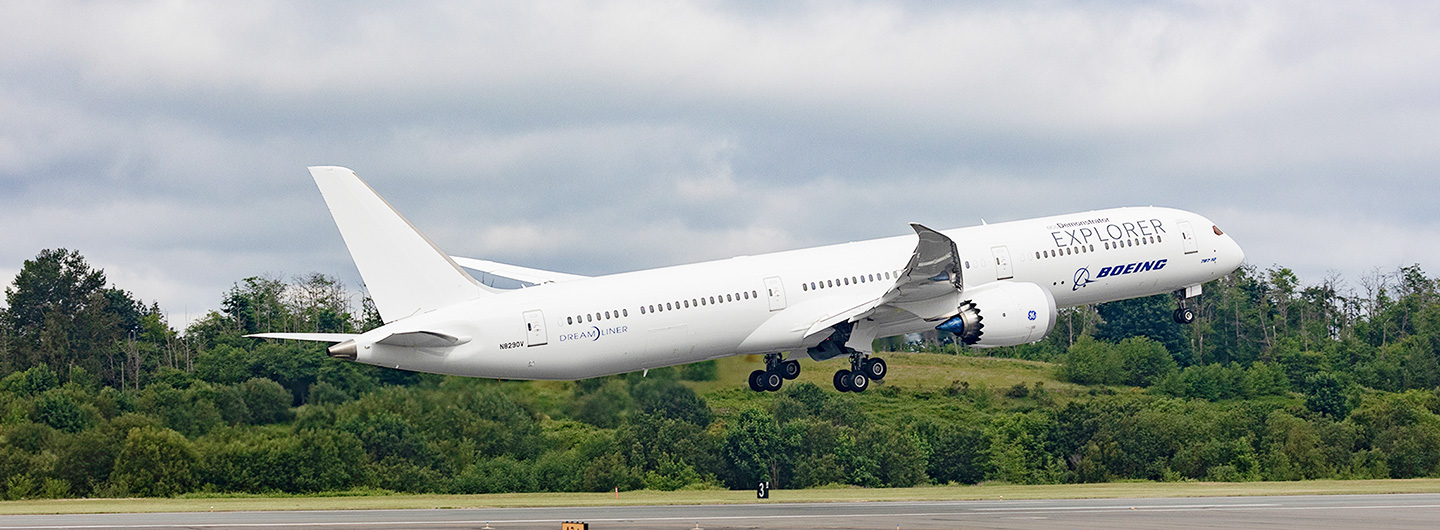
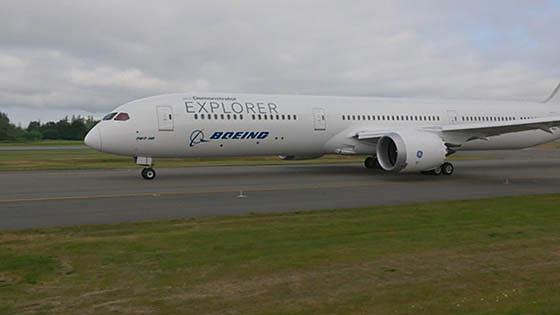
In 2023, the Boeing ecoDemonstrator program added “Explorer” airplanes to focus on a specific technology or project. The first ecoDemonstrator Explorer was a Boeing-owned 787-10 Dreamliner, which conducted flight tests from Seattle to Tokyo, Singapore and Bangkok. The flights demonstrated how coordinating navigation across global airspace improved operational efficiency which reduces fuel consumption.
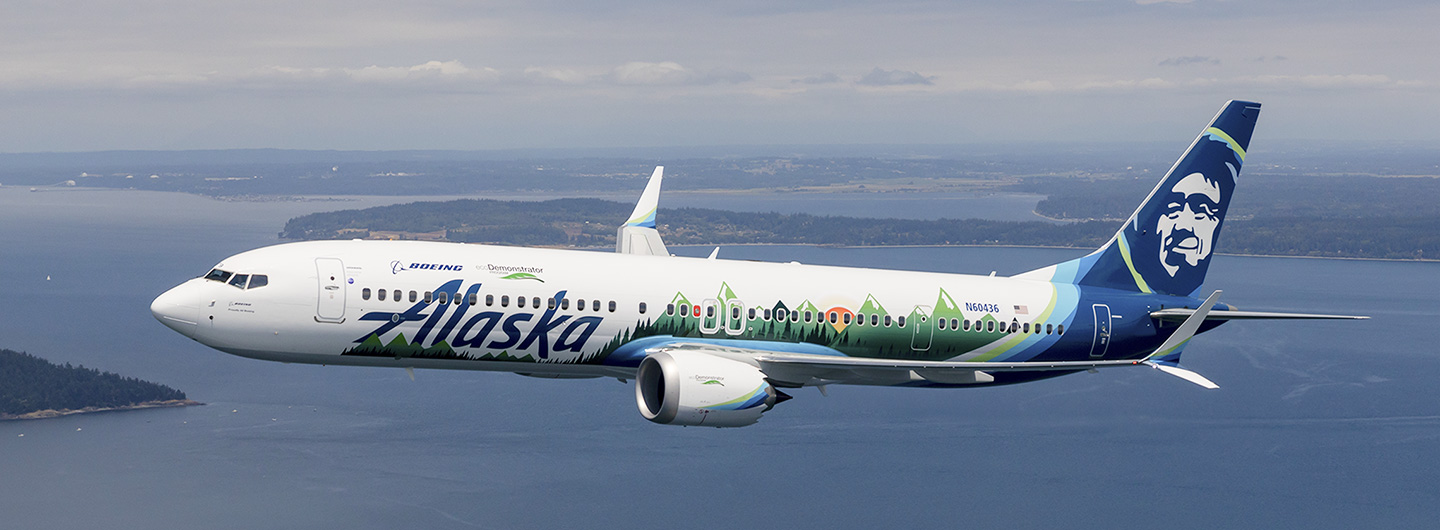
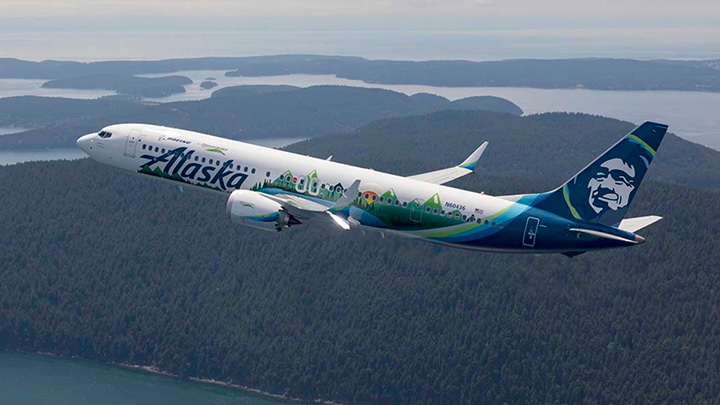
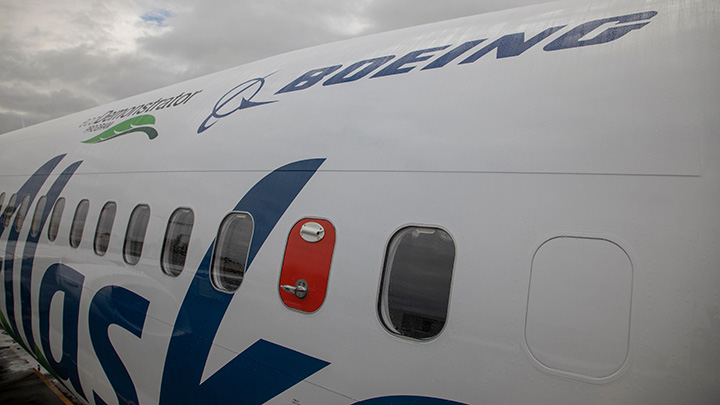
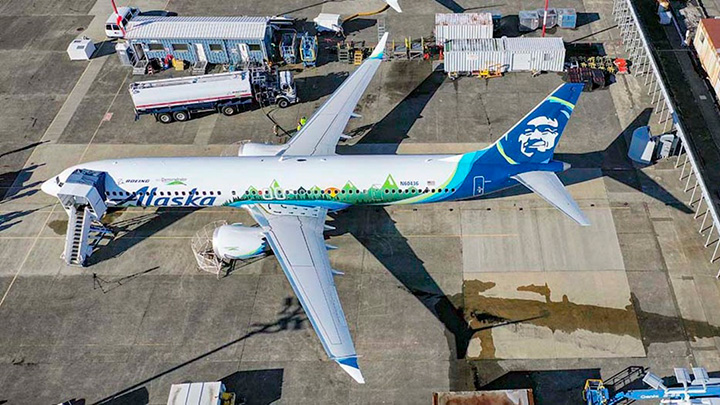
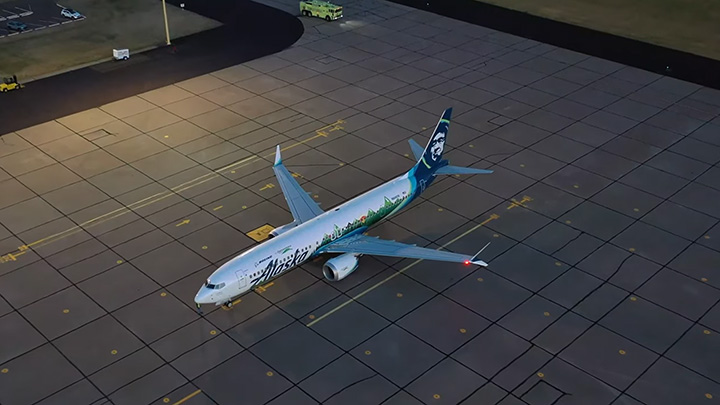
The 2021 Boeing ecoDemonstrator, an Alaska Airlines 737-9, tested a halon-free fire-extinguishing agent that reduces impact on the ozone layer, an engine nacelle designed to reduce noise and cabin sidewalls made from recycled carbon fiber. It also kicked off a multi-year partnership with NASA to test the emissions of sustainable aviation fuel. The 2021 ecoDemonstrator was featured at the Boeing Innovation Forum in Glasgow, Scotland.
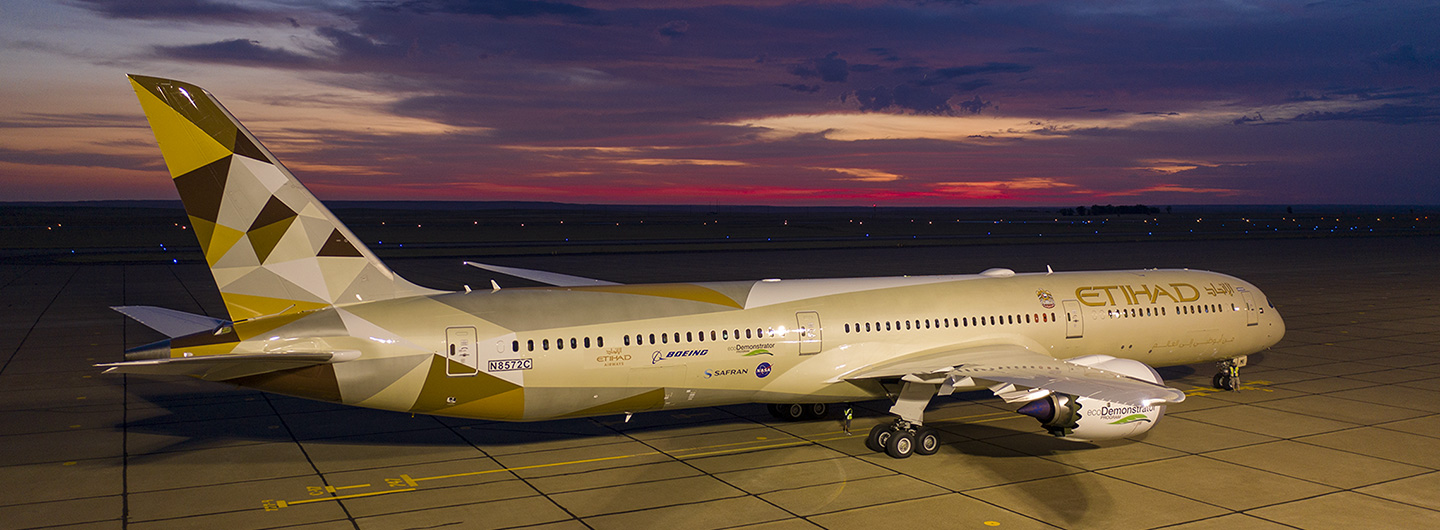
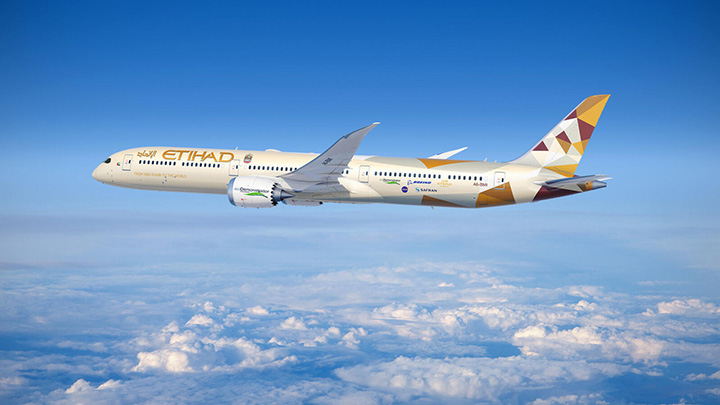
The 2020 Boeing ecoDemonstrator, an Etihad Airways 787-10 Dreamliner, tested operational efficiency technologies and worked with NASA and Safran Landing Systems to conduct aircraft noise measurements from sensors on the airplane and the ground. This ecoDemonstrator supported Boeing's confidential travel initiative focused on new technologies and solutions to combat COVID-19 and strengthen air travel safety.
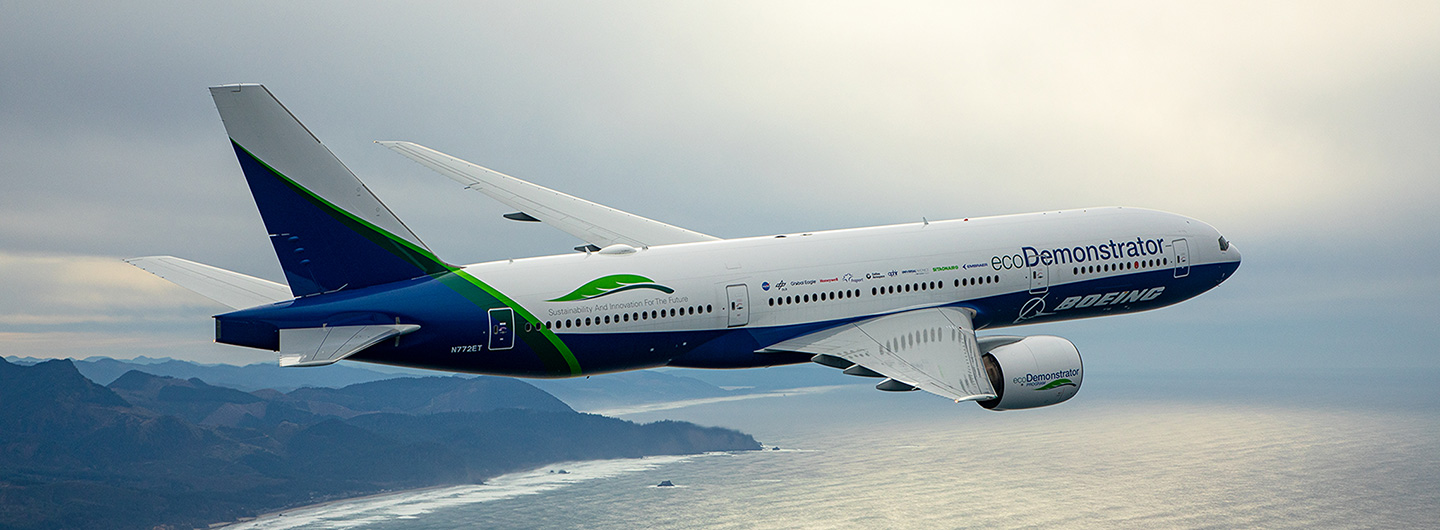
The 2019 ecoDemonstrator, a Boeing-owned 777-200, tested technologies to improve operational efficiency, connected cabin technologies for the galleys and lavatories, and cameras to provide passengers with more views outside the airplane. This platform was the first ecoDemonstrator to fly internationally and supported an expo in Frankfurt, Germany.
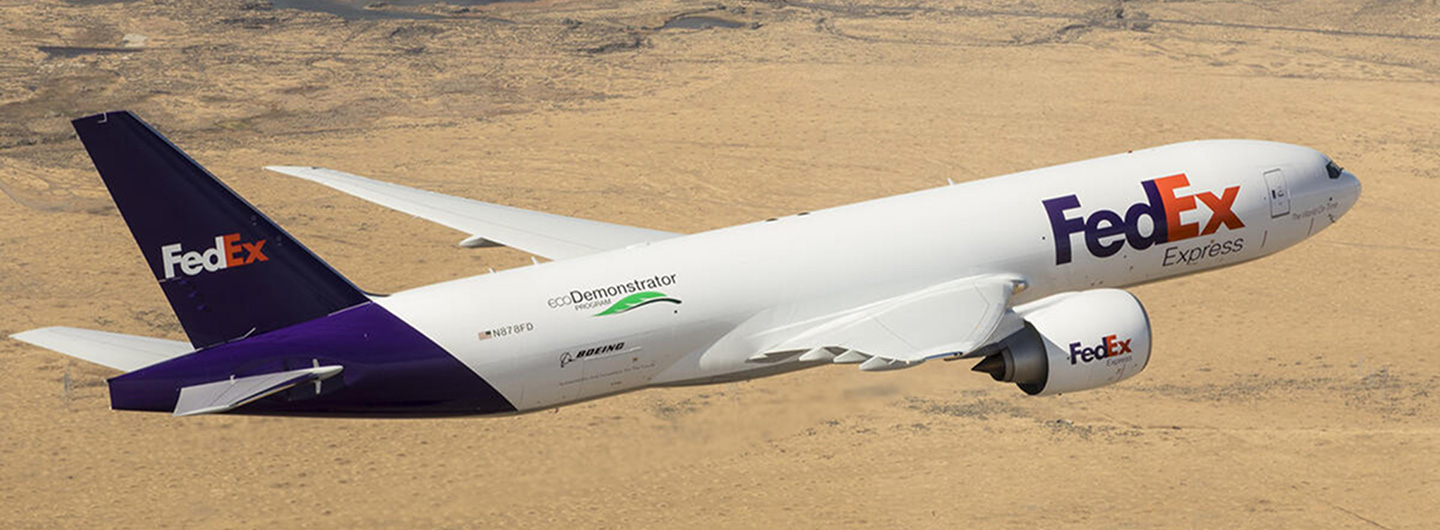
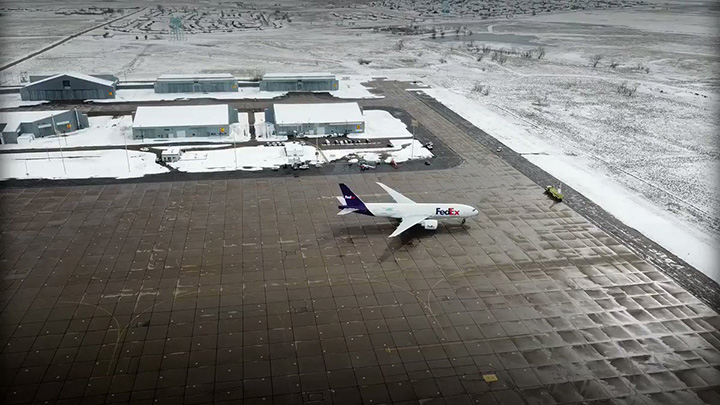
The Boeing ecoDemonstrator flight test program made the world’s first commercial airplane flight using 100% sustainable fuel in both engines with a 777 Freighter, in collaboration with FedEx Express. This platform also investigated wake predictions to allow airplanes to fly in extended formation to "wake surf" and save fuel.
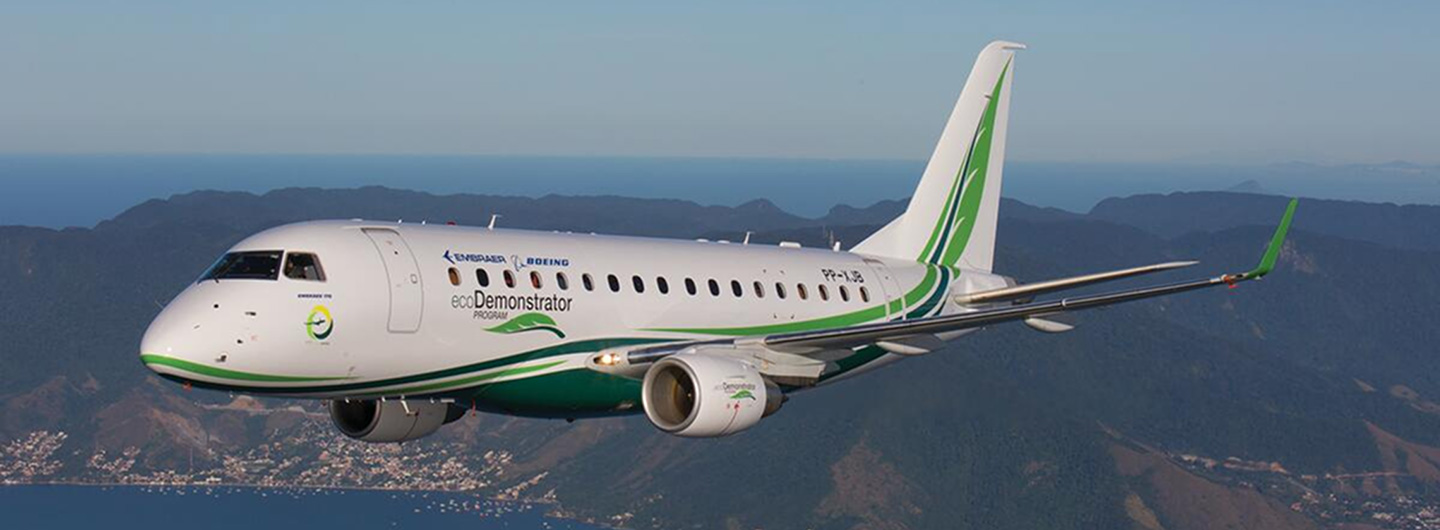
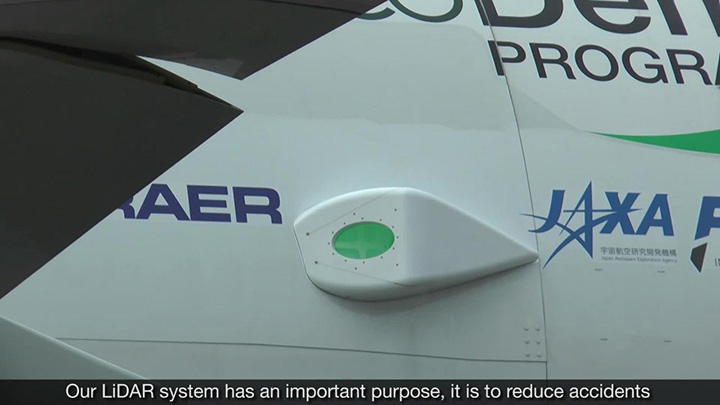
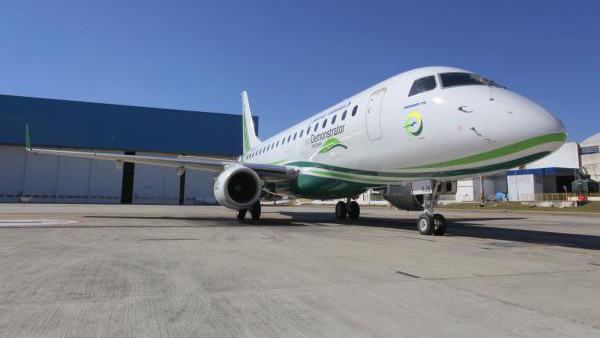
In a collaboration with Embraer, the 2016 Boeing ecoDemonstrator E170 which tested light detection and ranging (LIDAR) for air data, slat designs to reduce noise and ice-phobic paint.
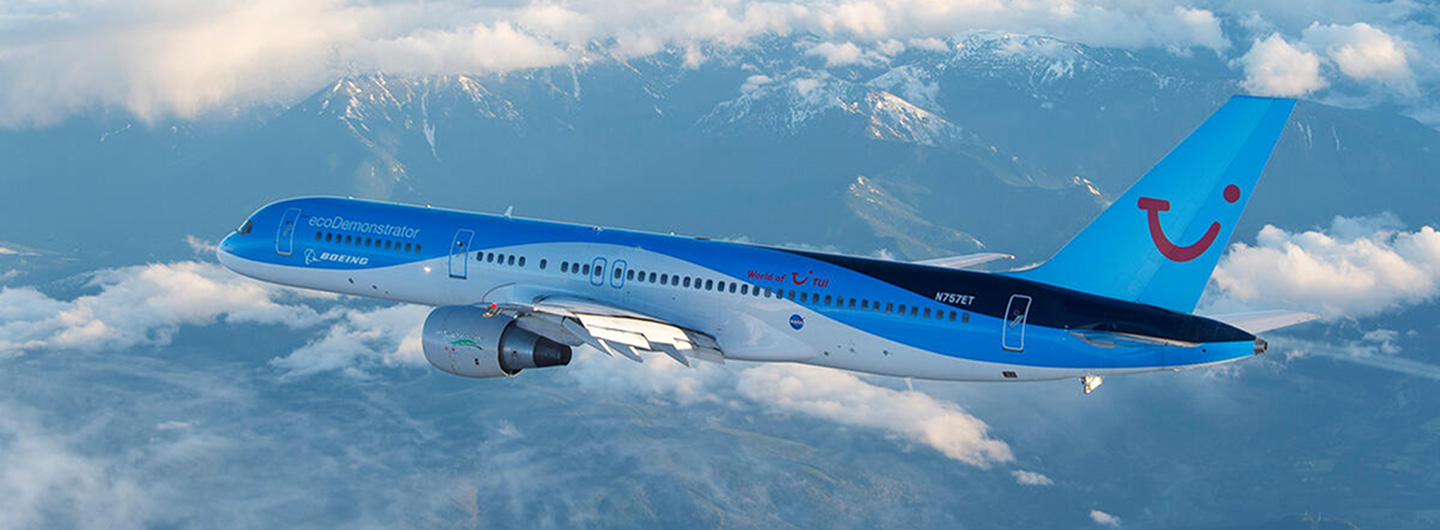
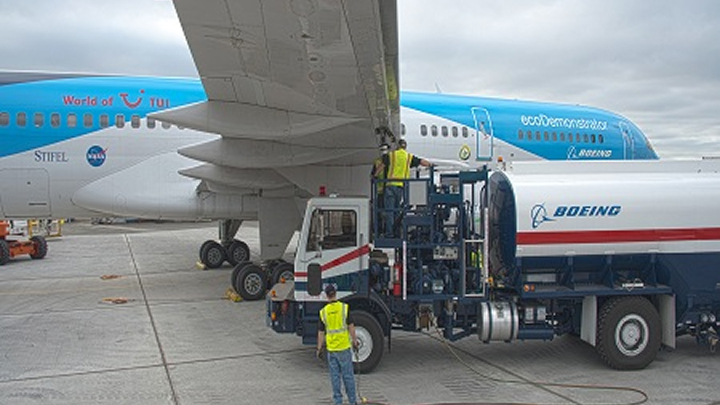
The 2015 Boeing ecoDemonstrator, a TUI 757, tested active flow control of the vertical tail in collaboration with NASA, bug-phobic coatings, and flew across the U.S. with green diesel biofuel. It was dismantled at the end of the test program, demonstrating that 90 percent of its metal airframe was recyclable or reusable.
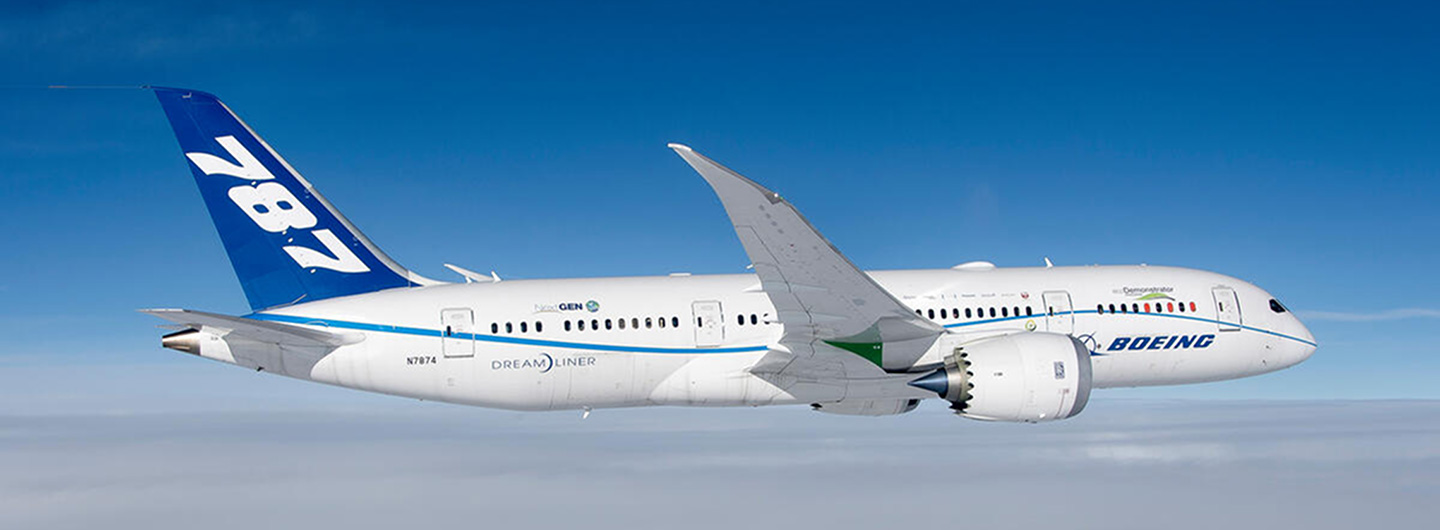
The 2014 Boeing ecoDemonstrator, a 787-8 Dreamliner, tested aerodynamic and flight control improvements, icephobic wing coatings to reduce ice accumulation, and software applications and connectivity technologies to improve flight planning, fuel-load optimization, in-flight routing and landing.
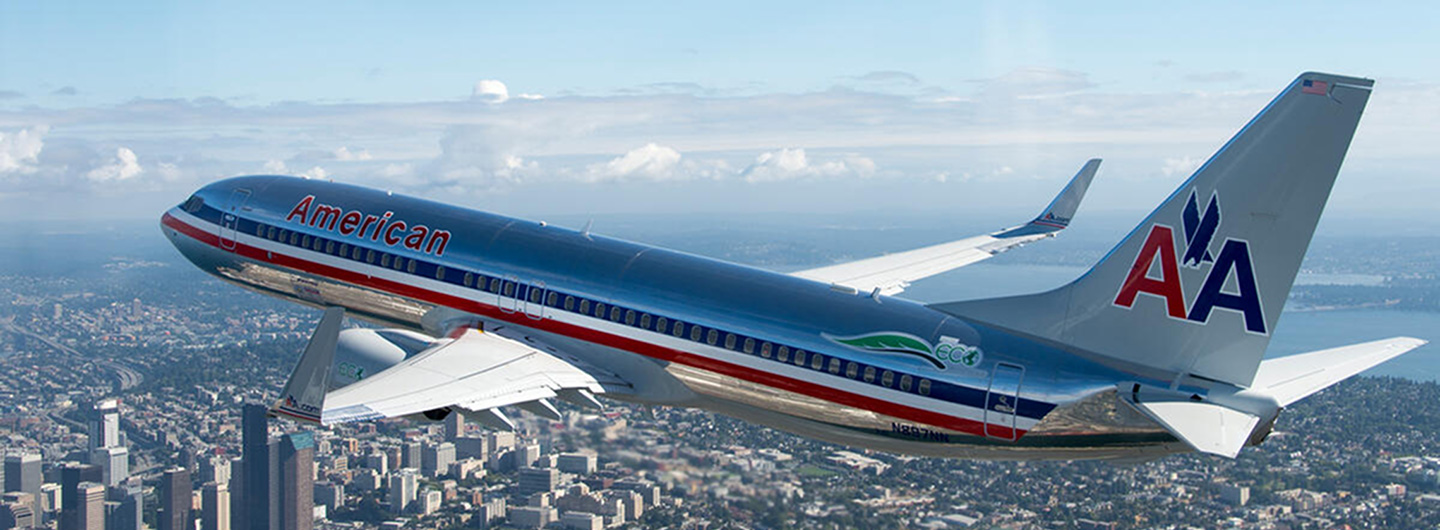
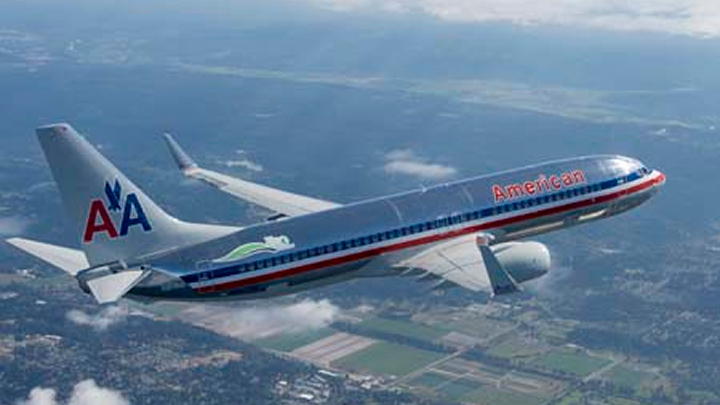
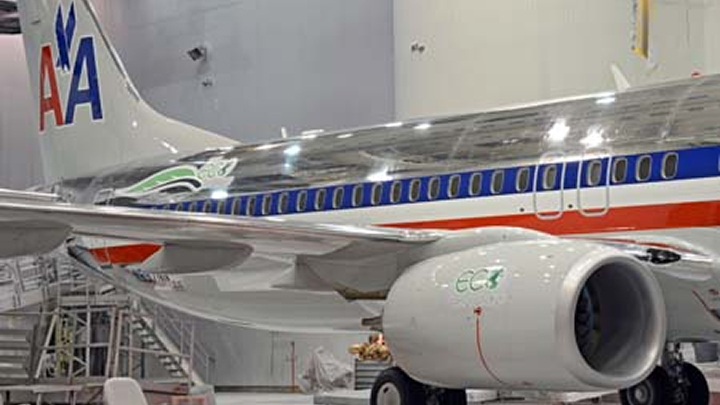
The Boeing ecoDemonstrator program first took flight in 2012 with an American Airlines 737-800. This platform tested sustainable biofuel, more aerodynamically efficient winglets now featured on the 737 MAX, and regenerative hydrogen fuel cell technology for onboard auxiliary power to the galley.
Latest information about the Boeing ecoDemonstrator program.