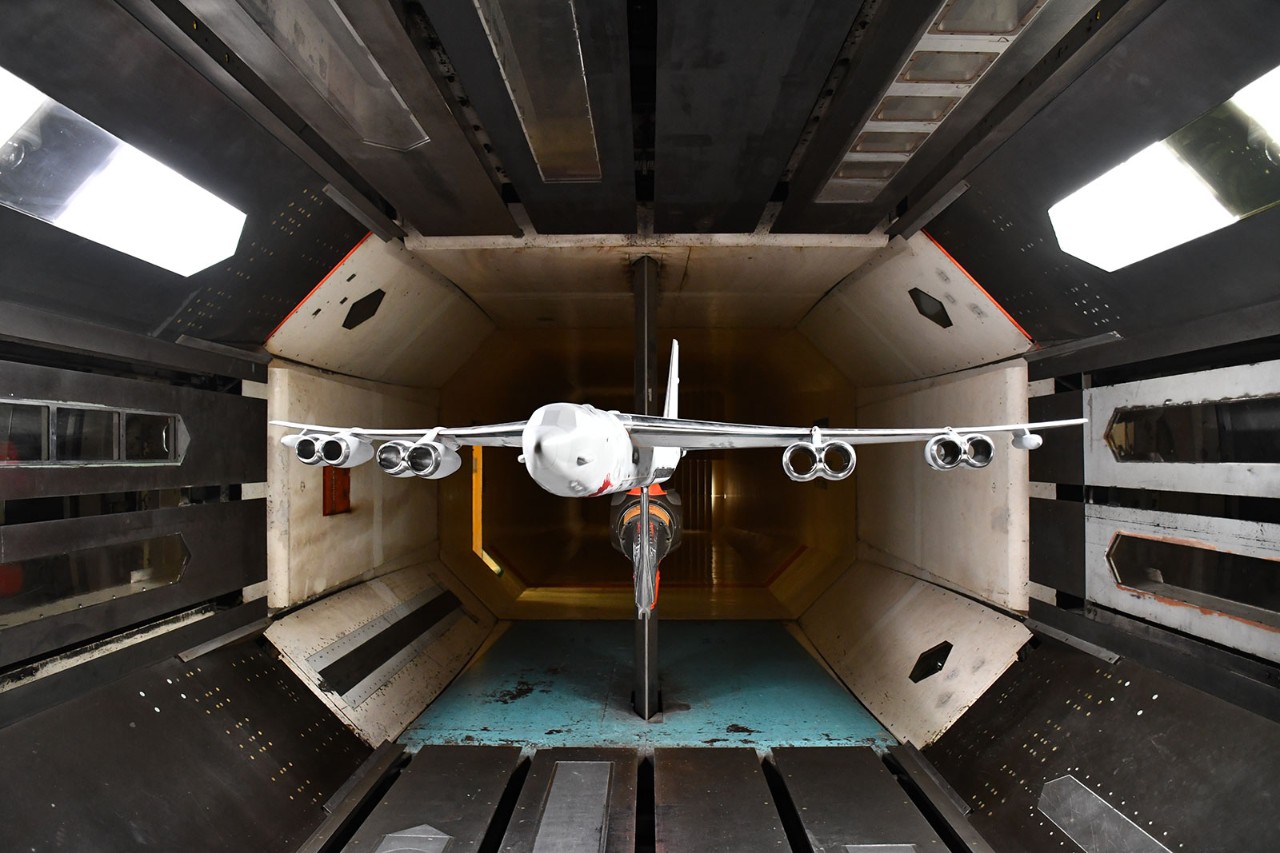
Wind tunnels have been used for aeronautical study for well over 100 years.
Among the pioneers were Albert Francis Zahm, who built and operated a wind tunnel from 1901-1908 at Catholic University in Washington, D.C. Gustave Eiffel — of Eiffel Tower fame — is among others who conducted early aeronautical research.
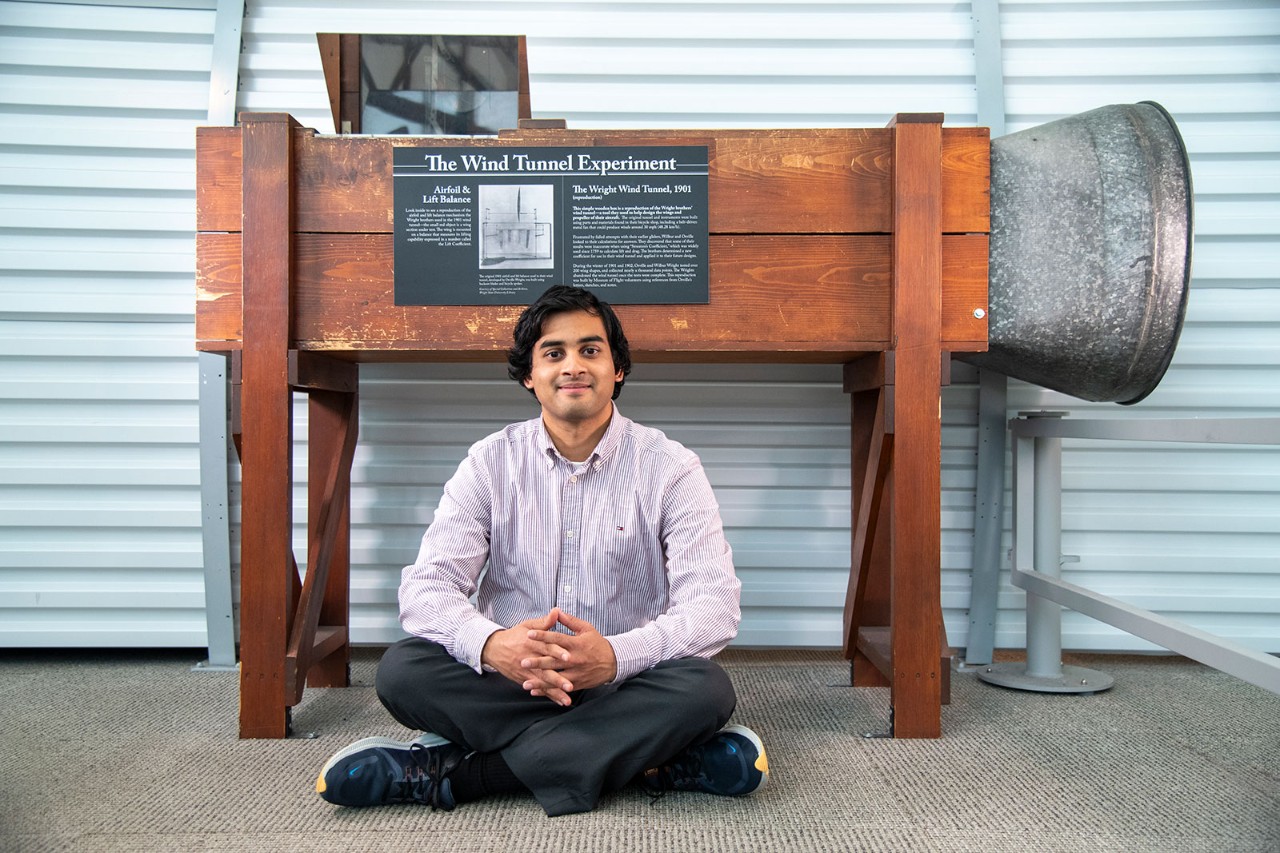
In the United States, brothers Orville and Wilbur Wright conducted some of the earliest wind tunnel experiments. While their original 1901 wind tunnel no longer exists, multiple museums exhibit numerous reproductions, including one at The Museum of Flight in Seattle.
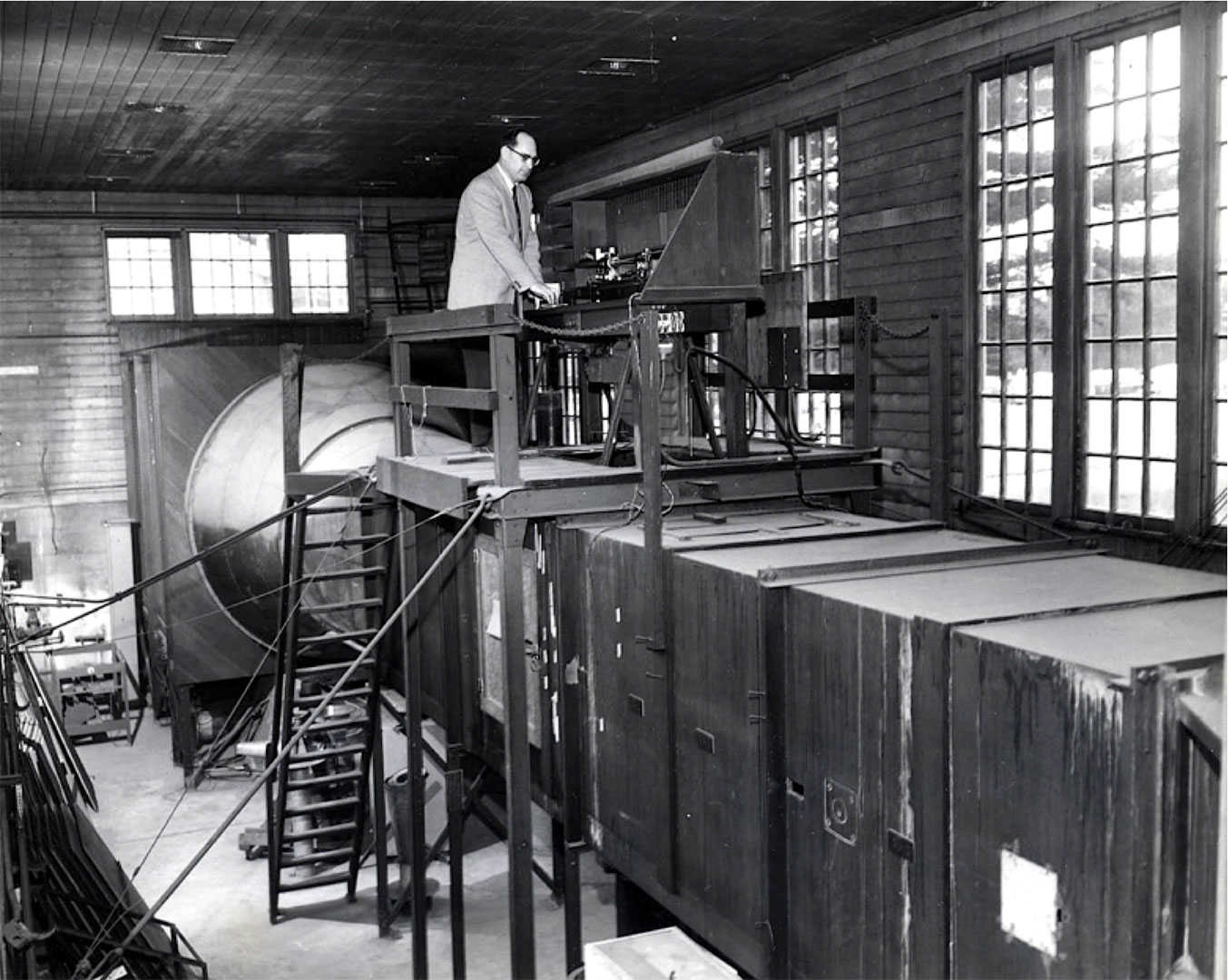
In 1914, Jerome Hunsaker, an aeronautical engineer and engineering educator at Massachusetts Institute of Technology, partnered with his assistant, Donald Douglas, to build MIT’s first modern wind tunnel. Douglas later founded the Douglas Aircraft Company, a Boeing heritage company.
The Boeing Company used the early MIT tunnel to test the first Boeing airplane, the B&W, which was also the first airplane to be tested in a wind tunnel prior to its construction and flight. Later, Boeing tested the Model C in the MIT tunnel as well.
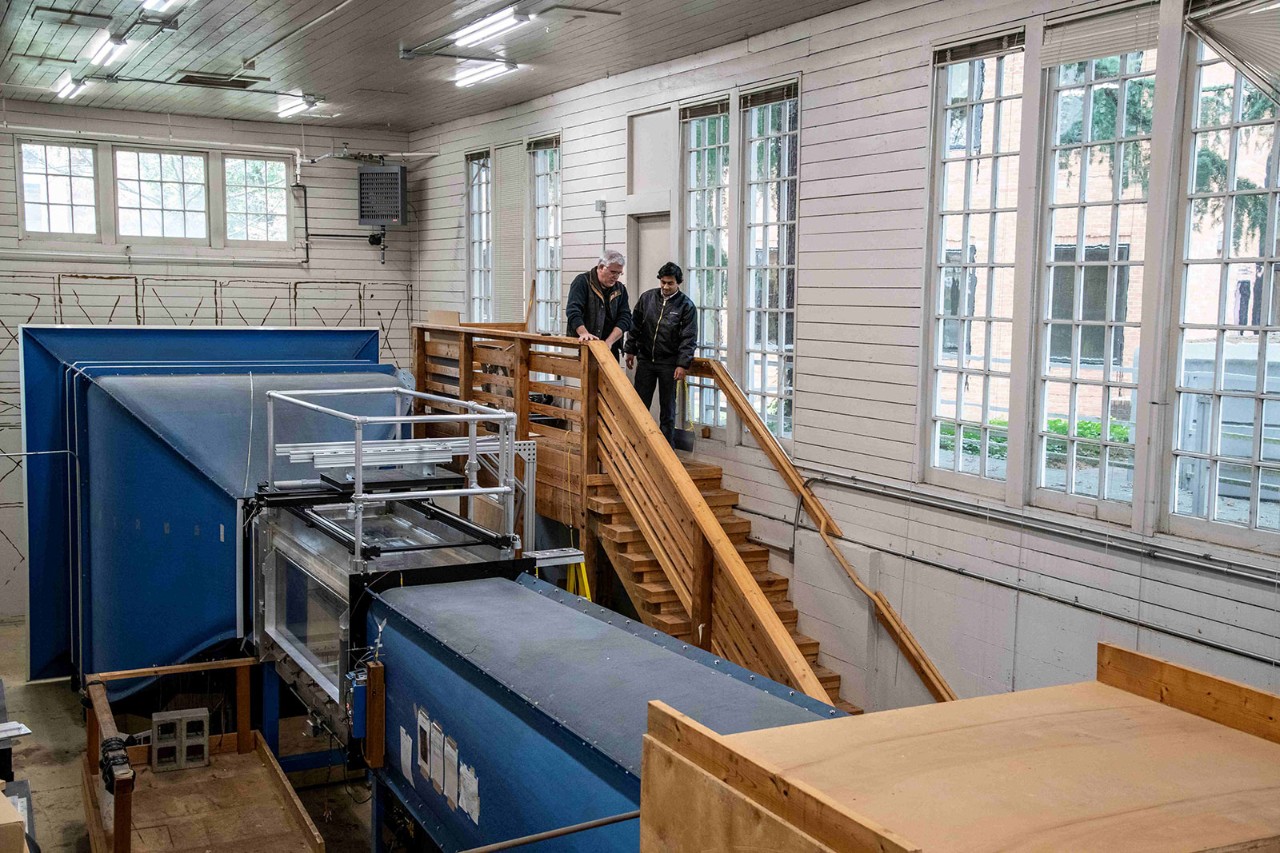
Shortly thereafter, William Boeing provided funds for a wind tunnel to be built on the campus of the University of Washington. Boeing was an early advocate of education and collaboration with universities for the advancement of the aerospace industry and for academic research benefiting society.