15 years on, the 787 Dreamliner continues to lead

Through new capabilities and continuous evolution, the 787 program builds on its foundation.

August 26, 2026 in Commercial

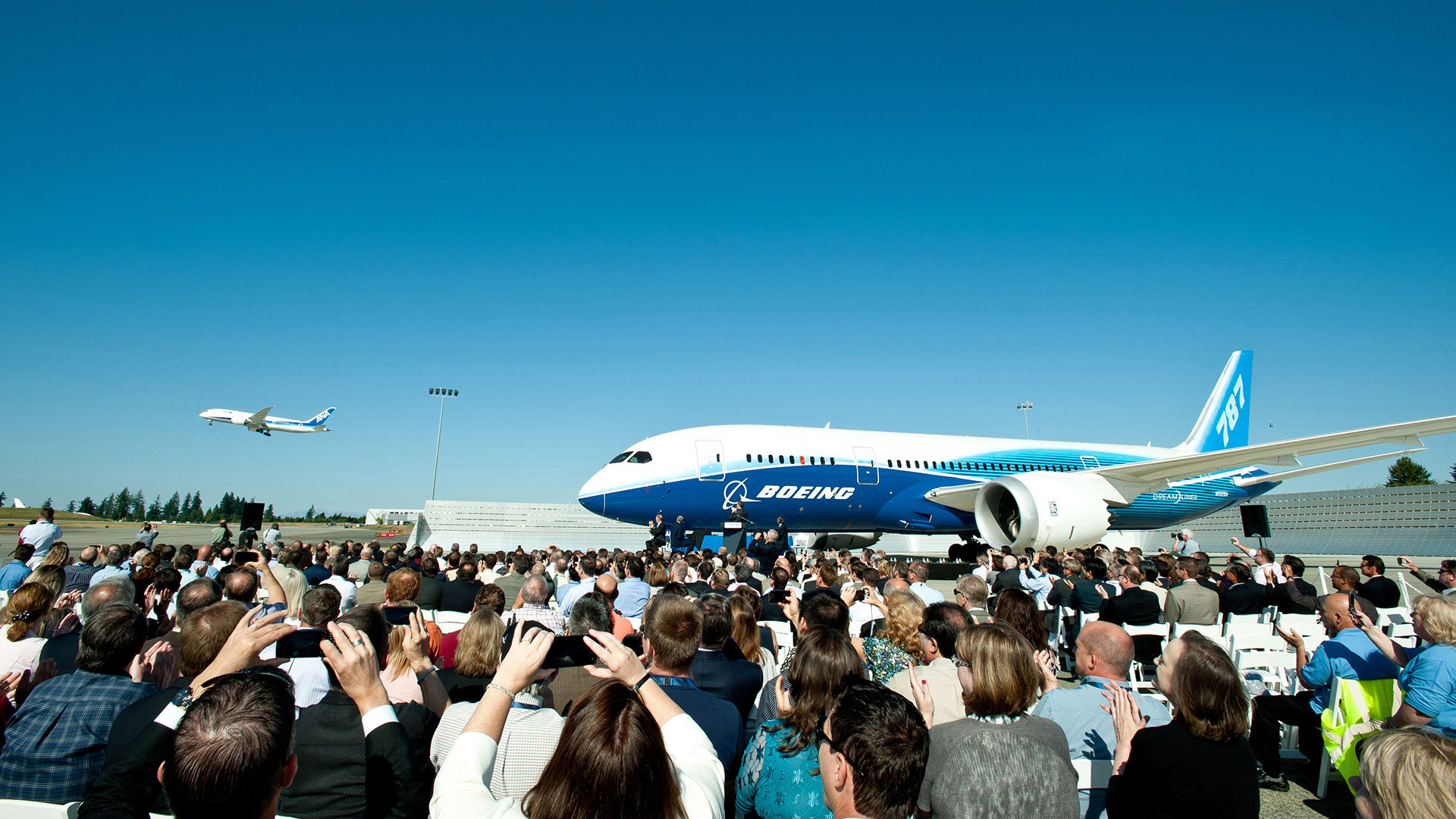
The second 787 Dreamliner, ZA002, made a special fly by during the type certification ceremony on August 26, 2011

A lot can happen in 15 years – just ask 787 Engineering leader Tyler Savell.

He had just joined Boeing as a Systems Integration intern a few months before the 787 Dreamliner received type certification on Aug. 26, 2011.

“I remember there was a lot of anticipation at that time because we knew it meant we’d soon be able to start delivering those first airplanes,” Savell said. “Meanwhile, we were already working on what was coming next with the development of the 787-9 and 787-10.”

Type certification cleared the way for the “all-new, game-changing 787” to enter airline service worldwide. In the decade-and-a-half since, Boeing has expanded the 787 into a true widebody family of airplanes and applied lessons learned from the growing in-service fleet – and Savell has experienced significant milestones of his own.
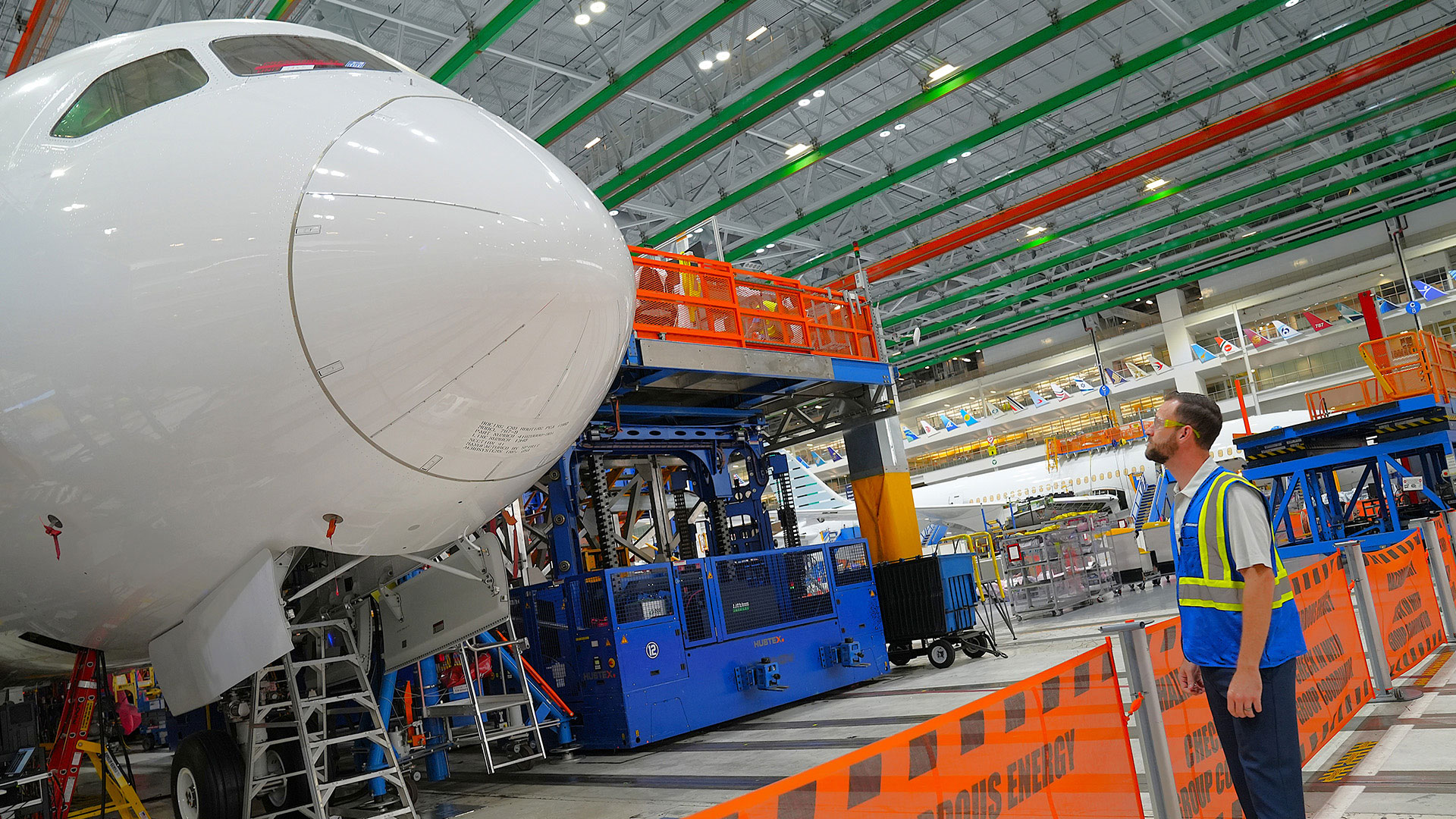
Tyler Savell looks at the nose of a 787 in the Final Assembly building. Tyler Savell looks at the nose of a 787 in the Final Assembly building.

“Since then, we’ve had two children,” Savell said. “And for me professionally, it’s exciting to be leading the team that is helping to hire our own next generation. There are teammates joining Boeing today who will help determine what this program looks like another 15 years from now.”

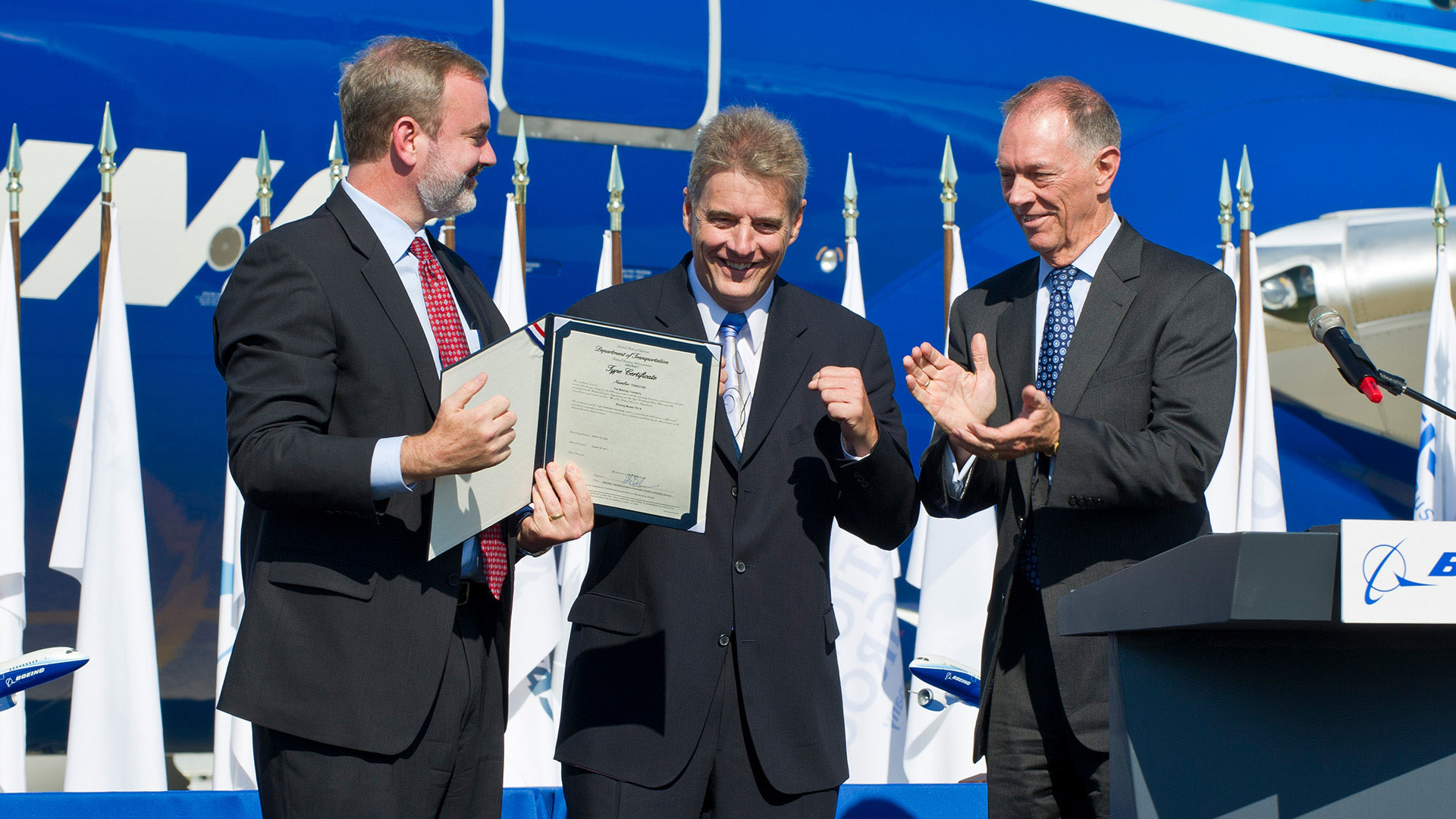
On Aug. 26, 2011, FAA Administrator Randy Babbitt (right) presented the U.S. Type Certificate, which verifies that the 787 has been tested and found to be in compliance with all federal regulations, to 787 Chief Pilot Mike Carriker and 787 Vice President and Chief Project Engineer Mike Sinnett. On Aug. 26, 2011, FAA Administrator Randy Babbitt (right) presented the U.S. Type Certificate, which verifies that the 787 has been tested and found to be in compliance with all federal regulations, to 787 Chief Pilot Mike Carriker and 787 Vice President and Chief Project Engineer Mike Sinnett.
"This airplane embodies the hopes and dreams of everyone fortunate enough to work on it. Their dreams are now coming true," said former Boeing Commercial Airplanes President and CEO Jim Albaugh on the occasion of the 787’s certification in 2011.

The widebody that changes what’s possible: The 787 has carried more than one billion passengers and helped airlines open more than 540 new, nonstop routes that were never previously served. Its composite airframe design and fuel efficiency set a new benchmark for advanced materials and manufacturing.

“Over the past 15 years, we’ve taken the foundation established with the original 787 and continued building on it,” said John Murphy, 787 chief project engineer. “Each advancement reflects the same focus: understanding what our airline customers need and continuing to evolve the airplane safely to meet those needs.”

Earlier this year, the FAA cleared an increase in the maximum takeoff weights for the 787-9 and 787-10, providing more payload or more range and opening new opportunities and greater flexibility for airlines.

All 787-9 and 787-10 airplanes assembled as of December 2025 are structurally capable of the higher weight. Certified operating weight is designated per airplane and can affect airport fees and route planning. For those reasons, airlines can choose to activate the capability at delivery or later. Offering iMTOW as an option lets carriers match certified capability to their network economics. All 787-9 and 787-10 airplanes assembled as of December 2025 are structurally capable of the higher weight. Certified operating weight is designated per airplane and can affect airport fees and route planning. For those reasons, airlines can choose to activate the capability at delivery or later. Offering iMTOW as an option lets carriers match certified capability to their network economics.

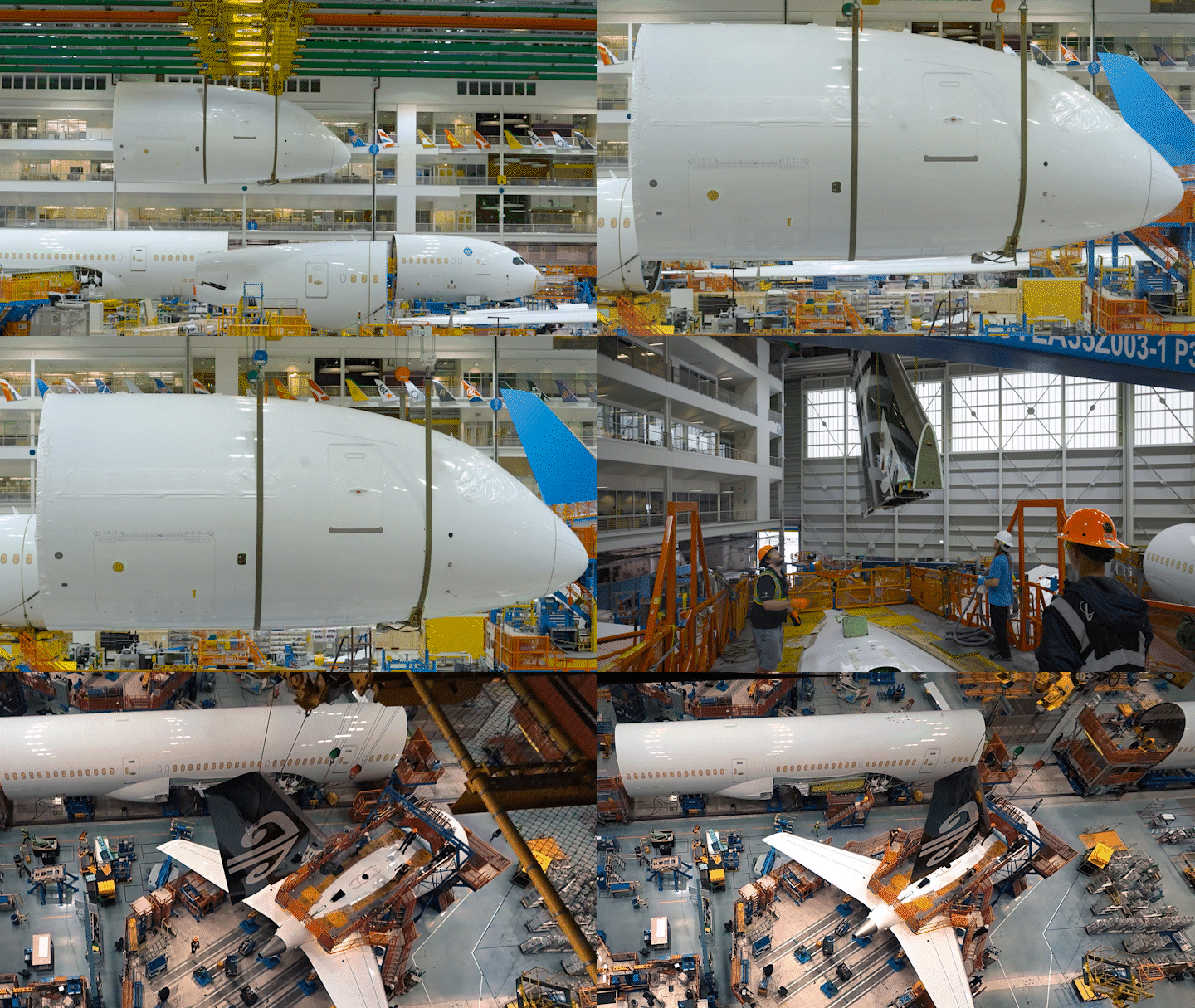
Evolution extending beyond the airplane itself: Strong customer demand for the 787, which has earned it the title of the bestselling passenger widebody in history, is also driving continued investment in the program and its production system. Boeing is expanding its 787 footprint and capabilities to support higher production rates and meet customer demand in the years ahead.

“Our expansion is one of the most visible signs of how much opportunity still lies ahead for the 787 Dreamliner,” said Scott Stocker, vice president and general manager of the 787 program. “When you see the investment being made in this program, it reinforces that we’re not just celebrating every team member across the enterprise who helped create this airplane and what the 787 has accomplished. We’re preparing for what comes next.”

More milestones to come this year: Just a month after the 787 achieved type certification in 2011, the first delivery to ANA (All Nippon Airways) occurred on Sept. 26, 2011, with entry into service following shortly after on Oct. 26, 2011.

“When I think about 15 years, I don’t just think about how we started,” said Murphy. “We’ve continued to listen to our customers and apply that knowledge to make an already incredibly capable airplane even better. That continuous evolution is what helps shape the 787.”

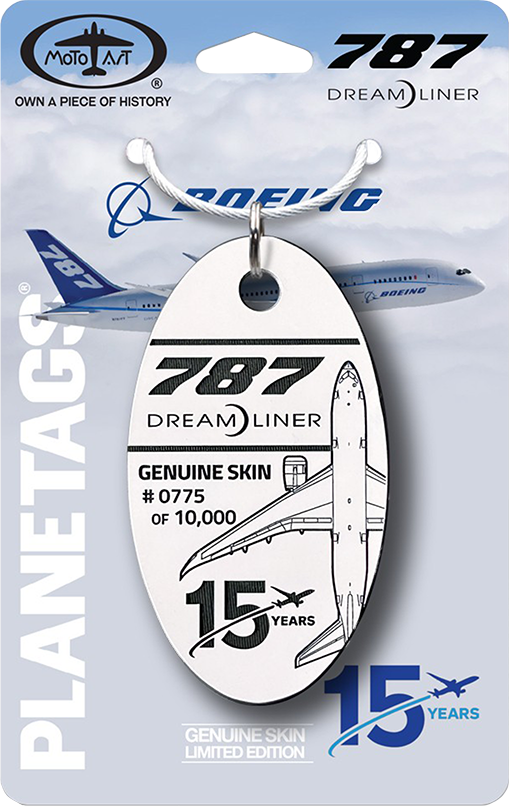
Want to own a piece of 787 history? Check out BoeingStore.com to purchase a 15-year commemorative, limited-edition PlaneTags collectible, made from material from ZA004, the program’s last 787-8 test airplane that retired earlier this year.