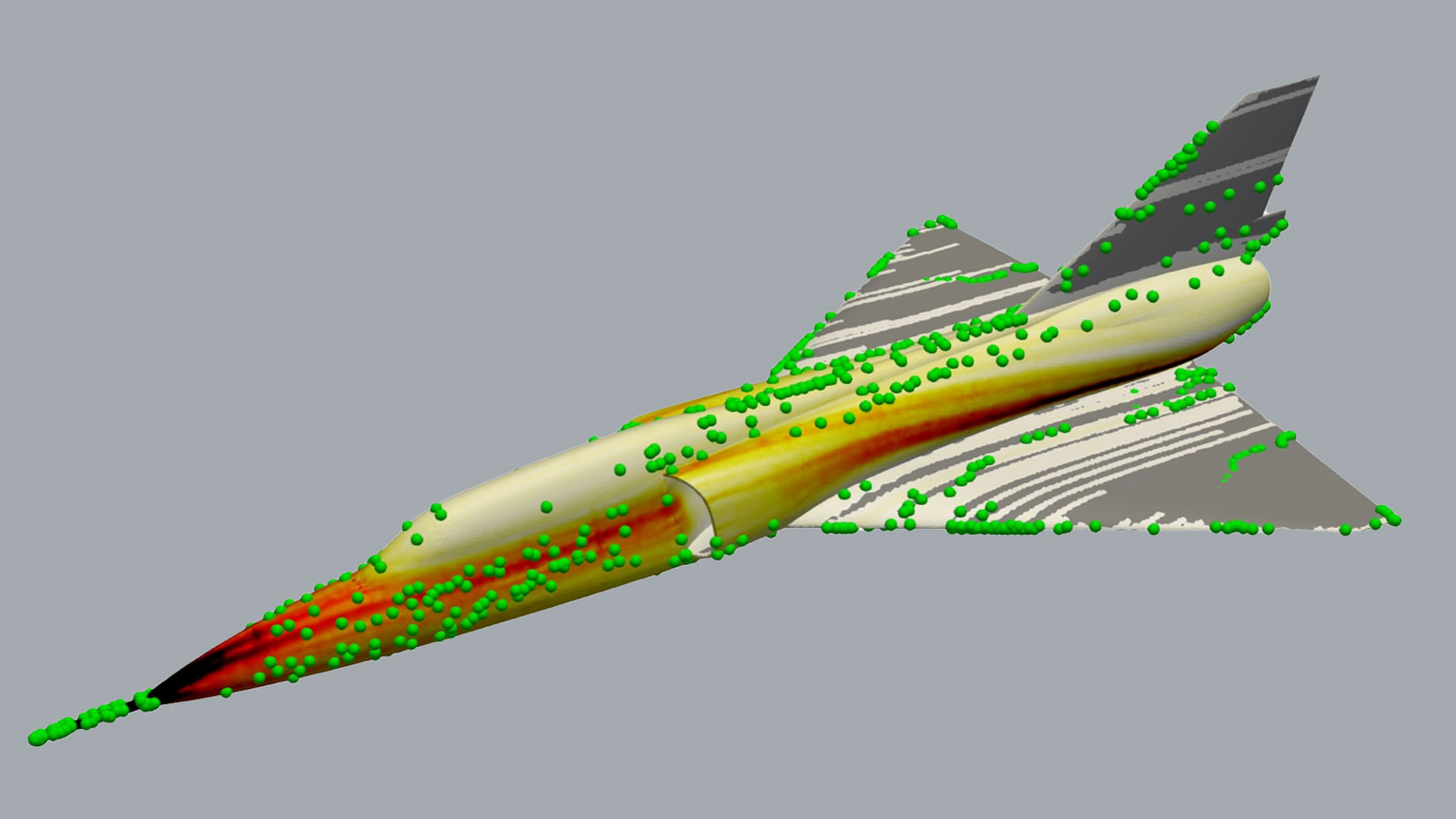
Researchers at Boeing and the Massachusetts Institute of Technology (MIT) Department of Aeronautics and Astronautics are exploring new ways to help protect future airplanes from lightning.
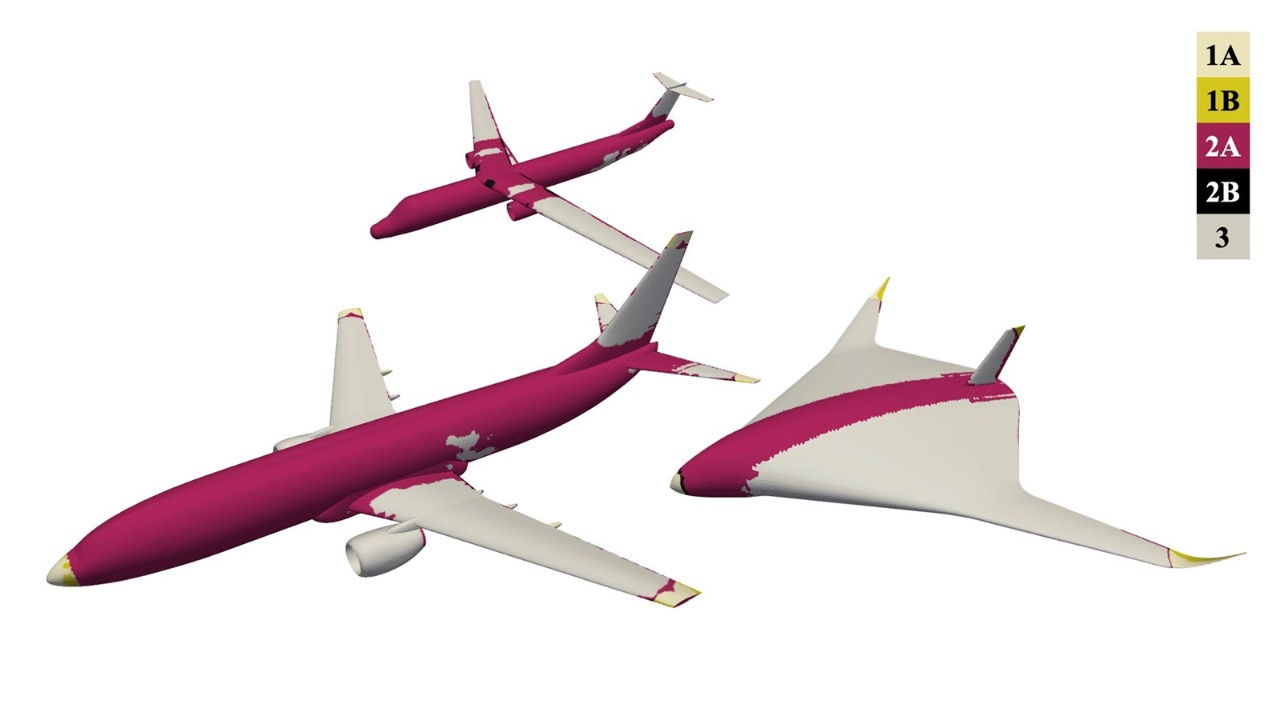
Their joint work focuses on a physics-based method that could improve how aircraft are zoned and thereby certified for lightning protection, especially as the aerospace industry looks beyond today’s familiar tube-and-wing configurations.
Lightning is a well-understood part of the aviation environment, and aircraft are designed and certified with robust protection systems to safely manage it. As airplanes evolve with new shapes, materials, and structures to improve efficiency, performance, and sustainability, Boeing sees this research as an important step in ensuring lightning protection methods continue to advance alongside future designs.
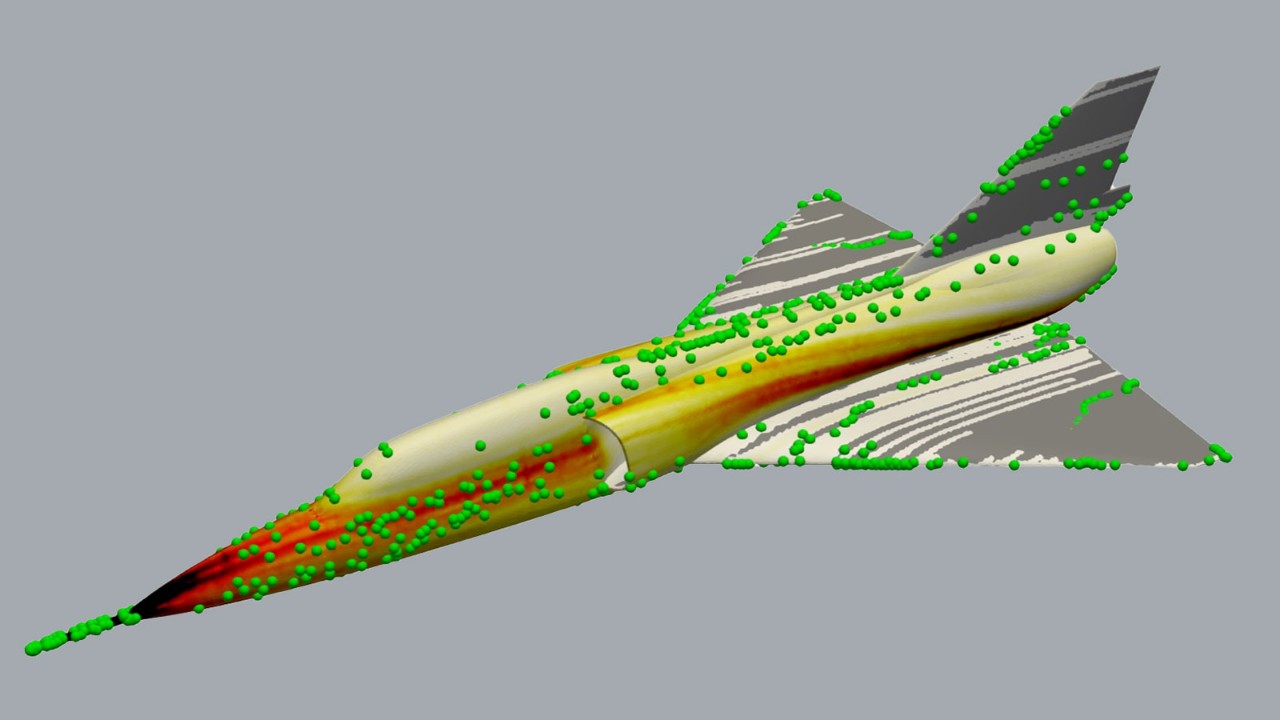
The latest study, as published in IEEE Access, reflects work by MIT doctoral student Nathanael Jenkins and MIT professor Carmen Guerra-Garcia, along with Boeing Associate Technical Fellows Louisa Michael, electro-physics scientist, and Ben Westin, electromagnetic effects engineer. The team built a model that predicts not only where lightning is most likely to attach to an aircraft, but also how it may sweep across the surface after the initial strike.