Boeing-designed solar arrays complete space station power upgrade

The installation is designed to raise the station’s power-generation capacity by more than a third.

November 19, 2026 in Space, Technology

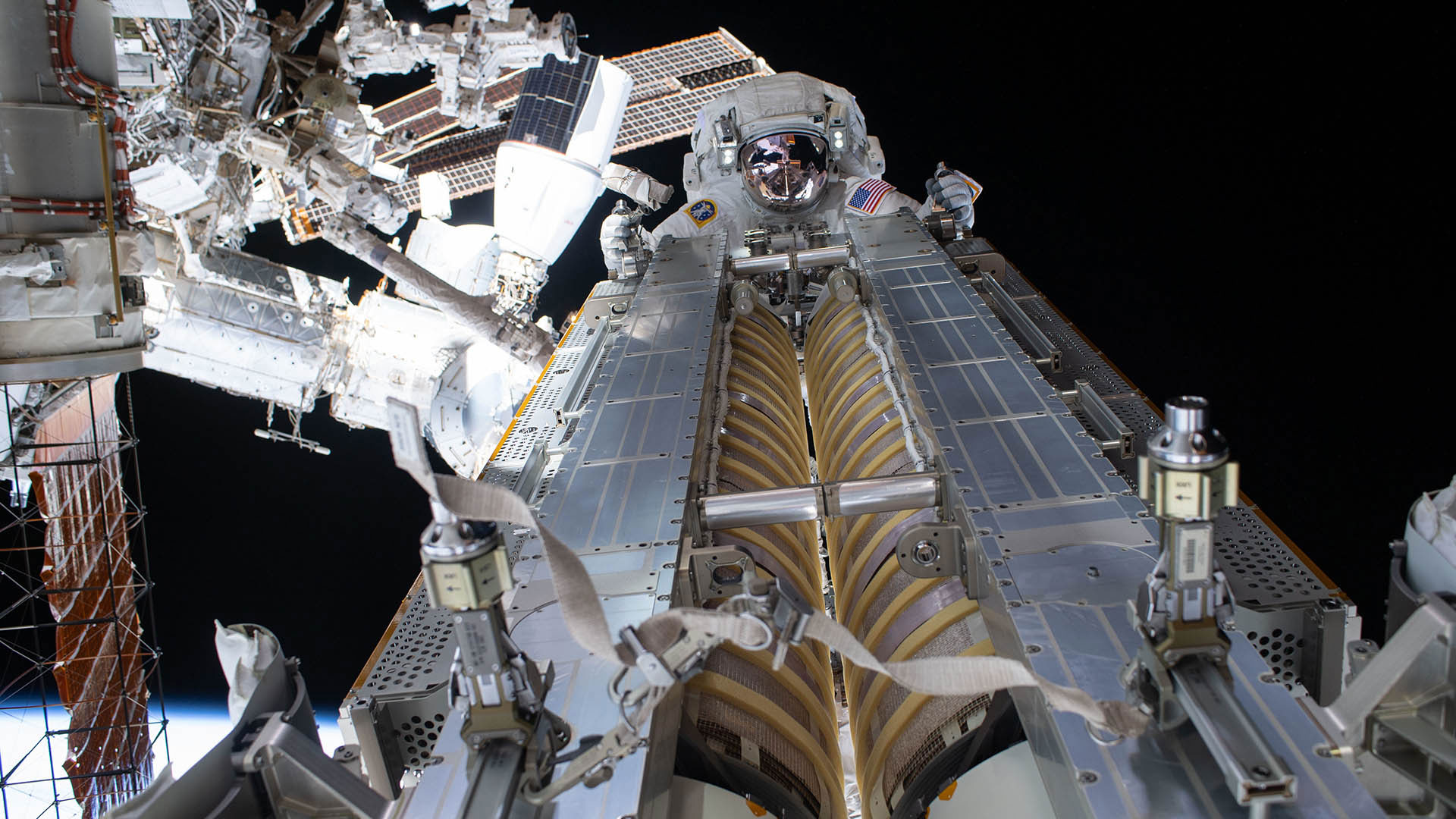
During a spacewalk, a NASA astronaut uses Canadarm2 to begin installing a roll-out solar array on the International Space Station During a recent spacewalk, NASA astronaut Anil Menon uses Canadarm2 to begin installing a roll-out solar array on the International Space Station. (Photo by NASA)

Key takeaways:

  • Final solar array for space station completes Boeing’s upgrade, with all 8 installed.
  • The arrays can boost available power by up to 30% for mission needs.
  • Boeing has supported spacewalks for IROSA upgrade and installation from the space shuttle era through current station operations.

The final International Space Station roll-out solar array (IROSA) has been installed, completing a power-system upgrade designed by Boeing. With all eight arrays in place, the station’s electric power-generation capacity is expected to reach approximately 215 kilowatts.

Why it matters: The arrays are designed to increase available power by up to 30%, helping the station meet changing mission and operating needs.

Boeing’s role: The company contributed to the arrays’ design, their integration with the station’s power system and support for installation.

  • The advanced arrays include an innovative unfurling structure from partner Redwire, along with solar power modules from Boeing subsidiary Spectrolab that are generations more efficient than the station’s original arrays.
  • Engineers designed connections that integrate the new arrays with the station’s power system while allowing the legacy arrays to continue providing power.
  • Subsystem teams supported the Mission Evaluation Room during spacewalks, helping install all eight IROSAs successfully.

Fun facts: Before the International Space Station, the space shuttle served as an orbital laboratory and construction platform. It also gave astronauts the spacewalk and assembly experience needed to build the station.

  • The spacewalks to install the final two IROSAs marked the 100th and 101st Extravehicular Activity, or EVA, conducted from the station since NASA retired the space shuttle. Boeing has supported every one of these EVAs.
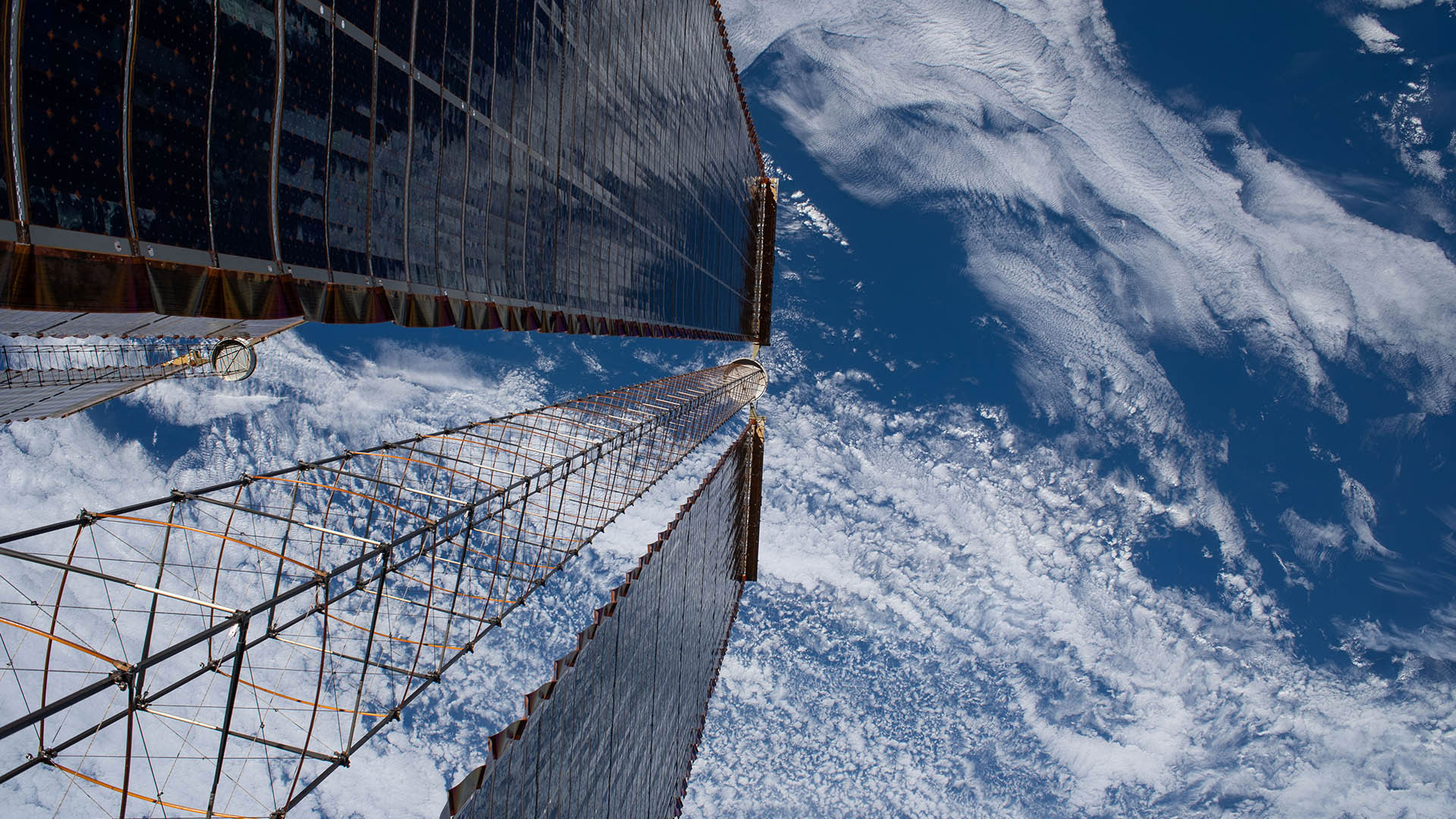
View of the International Space Station's roll-out solar arrays during a spacewalk View of the ISS’s roll-out solar arrays during a March 18, 2026, spacewalk to prepare power channel 2A for the new arrays. (Photo by NASA)
Boeing teammates support the 100th U.S. Extravehicular Activity conducted from the International Space Station without the space shuttle Boeing teammates support the 100th U.S. Extravehicular Activity, or EVA, conducted from the International Space Station without the space shuttle. From left: Christian Dao, Jenae Bickford, Jonathan Halverson and Lisa Vu.

By the numbers: The station’s total power output varies with mission requirements, visiting vehicles drawing electricity and other operational factors.

  • Each array generates around 8 kilowatts of electricity.
  • The upgrade raises the station’s power-generation capacity from 160 kilowatts to approximately 215 kilowatts.

By Rosa Banuelos