First T-7A Red Hawk advanced trainer inducted into service

Video: U.S. Air Force ceremony in San Antonio, Texas, marks new era in fighter and bomber training.

January 12, 2026 in Defense

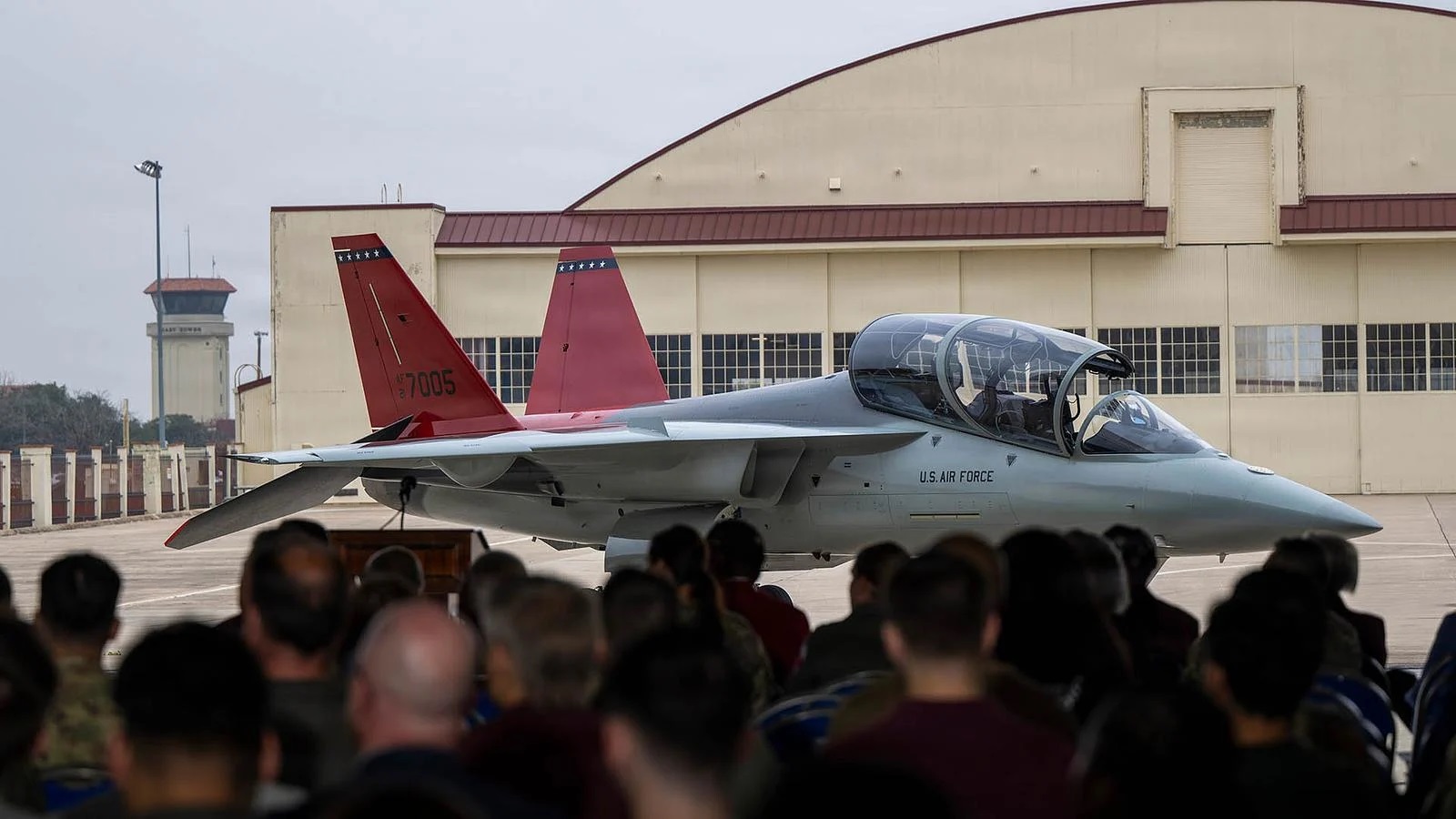
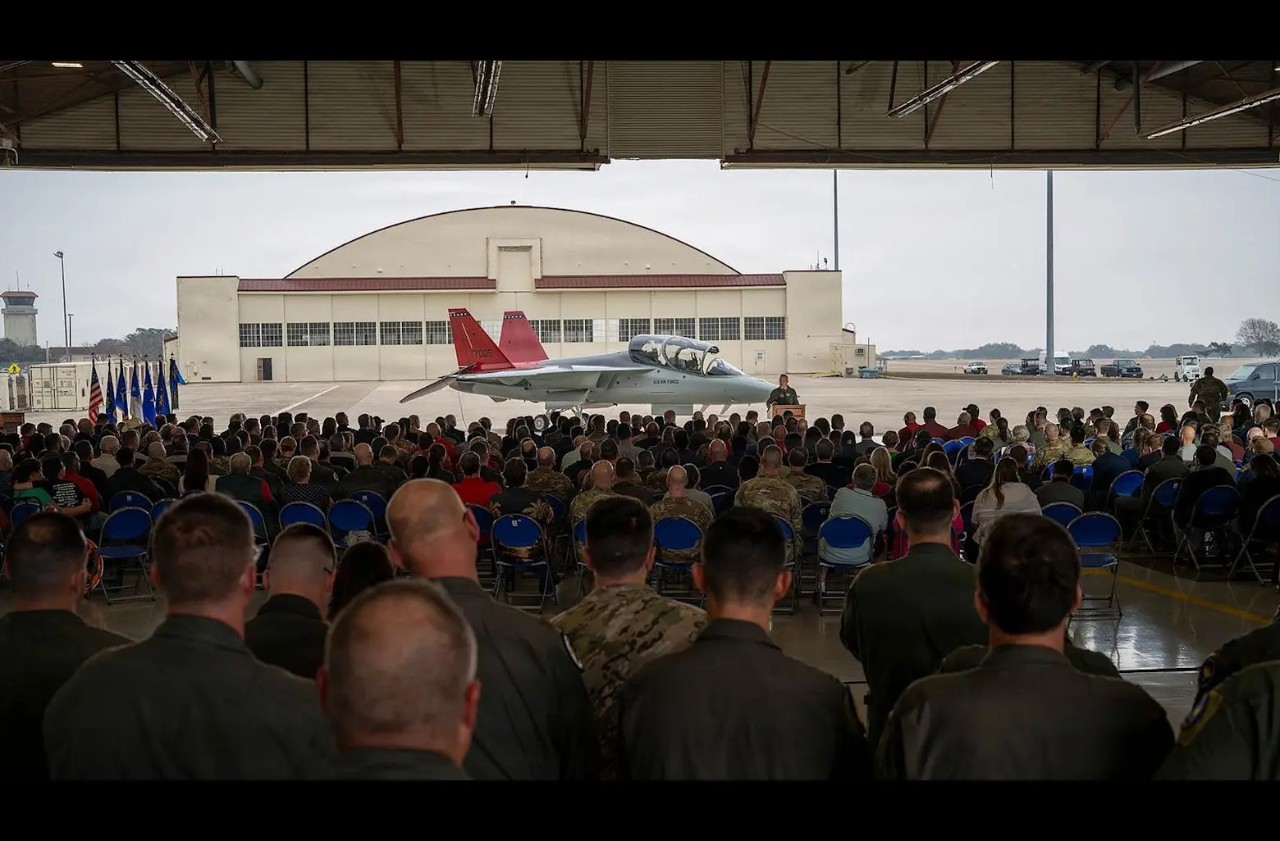
Above: A T-7A Red Hawk assigned to the 99th Flying Training Squadron, the first Air Force unit to receive the aircraft, is staged during the arrival ceremony held at Joint Base San Antonio-Randolph, Texas, Jan. 9, 2026. The arrival of the T-7A Red Hawk marks a historic milestone for the Air Force Air Education and Training Command as it replaces the six-decade-old T-38 Talon, advancing pilot training for the U.S. Air Force. (U.S. Air Force photo by Zelideth Rodriguez)

The U.S. Air Force, state and federal legislators, and Boeing leaders converged on Joint Base San Antonio-Randolph Air Force Base, Texas, Friday, to officially induct the T-7A Red Hawk advanced trainer into U.S. Air Force Air Education and Training Command service.

Why it matters: The jet, APT-5, delivered on Dec. 5, 2025, is the first of 351 jets that will provide training for future U.S. Air Force fighter and bomber pilots in the digital age.

  • The T-7A Red Hawk replaces the T-38 trainer that has been in service for almost 65 years.

Video © Boeing

What the customer said:

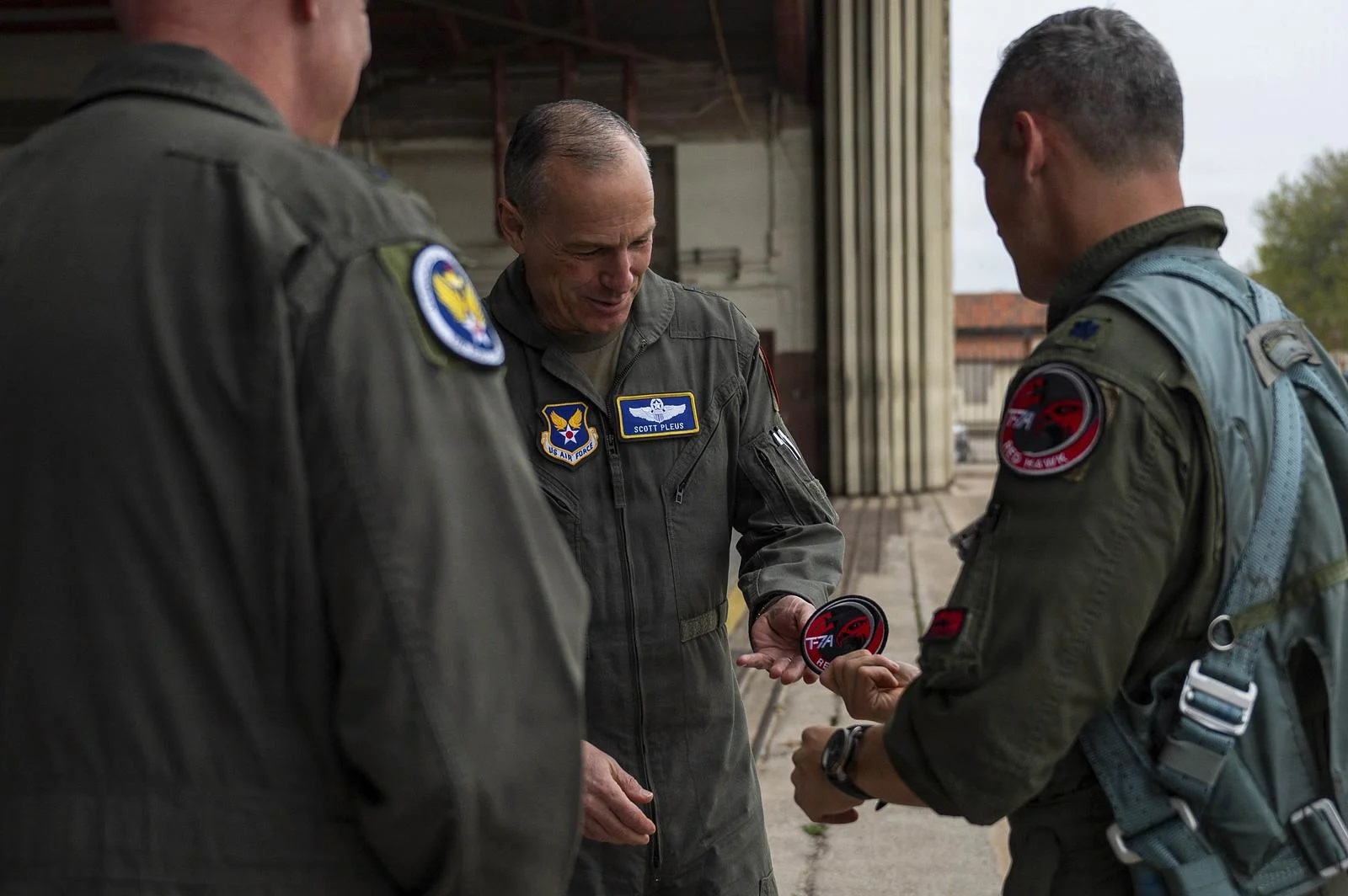
“This is the airplane that we need to get us to the next level,” said Lt. Gen. Scott L. Pleus, acting vice chief of staff, U.S. Air Force. “It has been an absolute wonder to watch as we’ve gone from clean sheet design all the way to an airplane that now sits at Randolph Air Force Base, ready to start flying.”

Lt. Col. Michael “Hyde” Trott (far right), commander of the 99th Flying Training Squadron (FTS), hands a T-7A patch to Lt. Gen. Scott L. Pleus (center), acting vice chief of staff of the U.S. Air Force, to celebrate the aircraft transfer to the 99th FTS during the Jan. 9 arrival ceremony. (U.S. Air Force photo by Zelideth Rodriguez)

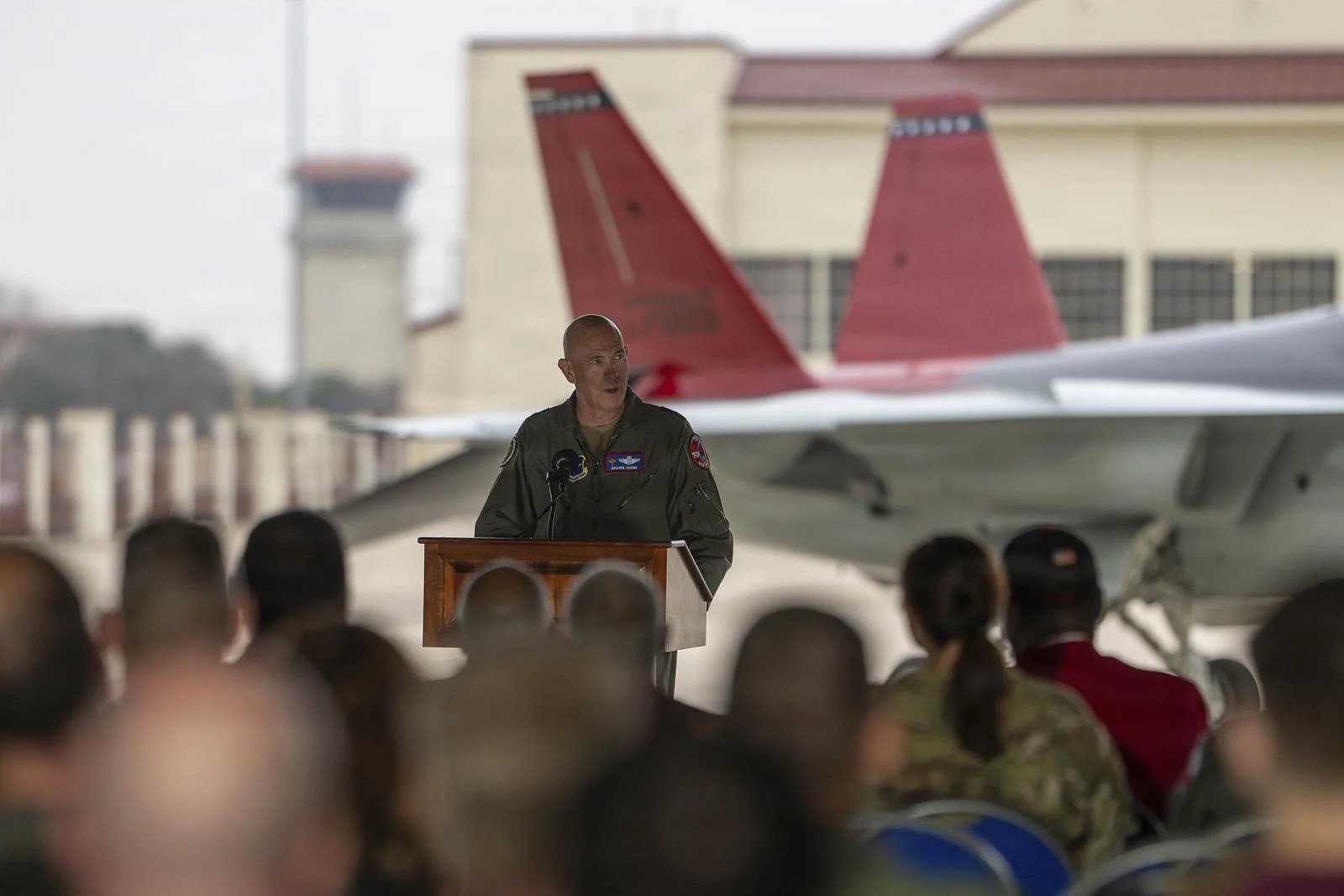
“Today marks the beginning of a new chapter in the history of our Air Force,” said Air Force Lt. Gen. Clark J. Quinn, commander, U.S. Air Force Air Education and Training Command. “The T-7A represents our commitment to staying ahead of the curve and ensuring our Air Force remains the most dominant air power in the world.”

Lt. Gen. Clark J. Quinn, commander of Air Education and Training Command, presides over the T-7A Red Hawk arrival ceremony at Joint Base San Antonio-Randolph, Texas, Jan. 9. (U.S. Air Force photo by Jonathan Mallard)

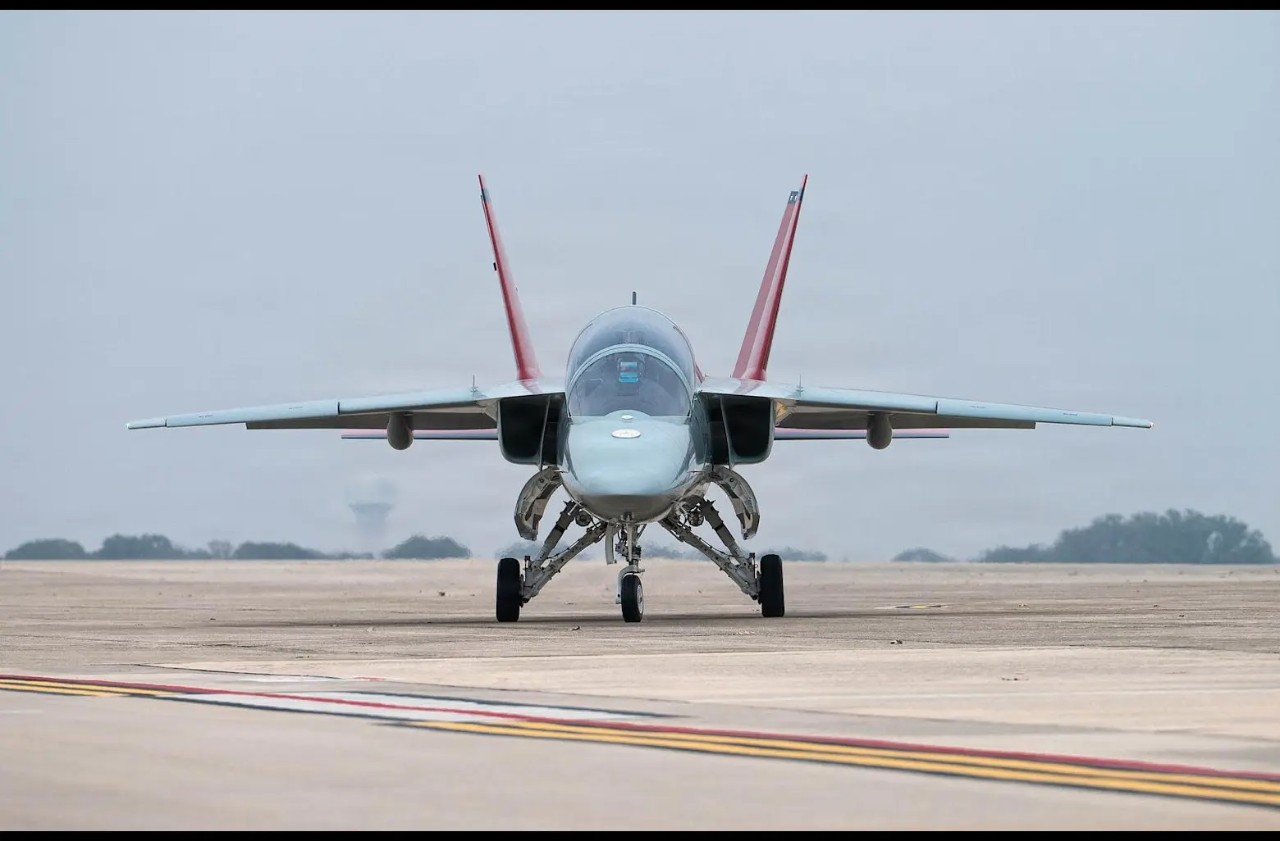
Zoom in: Hundreds at the ceremony watched as the Red Hawk taxied to Hangar 41, the aircraft’s red tails — in honor of the Tuskegee Airmen and their red-tailed P-51 Mustang fighters of World War II — drawing contrast against an overcast sky. The ceremony had been postponed last month due to severe winter weather.

The big picture: The digitally designed, built and tested jet will provide advanced training for the rigors of modern-day missions, with an advanced cockpit, open architecture digital fly-by-wire control system and state-of-the-art avionics for a new level of safety.

  • All five engineering and manufacturing development (EMD) jets have now been delivered contractually. This is the first Red Hawk aircraft that has been officially inducted into service at an Air Force base.
  • Companion ground-based training systems with 8K projection resolution and live, virtual and constructive capabilities have also been delivered and are operational.

Catch up quick: In 2018, the U.S. Air Force awarded Boeing a $9.2 billion contract for the advanced trainers and 46 leading-edge simulators and support.

  • The jet went from firm concept to first flight in just 36 months due to its digital design and new production techniques.

The bottom line: “It’s inspiring to see the progress we are making together with the U.S. Air Force on this program,” said Dan Gillian, vice president and general manager, Boeing Air Dominance. “We made a commitment to deliver this trainer, both the aircraft and the Ground Based Training System, on Dec. 5 and it was great to celebrate that accomplishment.”